Petunia ‘Supertunia Lavender Skies’: A Comprehensive Guide to Care, Cultivation, and Maintenance
Introduction to Petunia ‘Supertunia Lavender Skies’
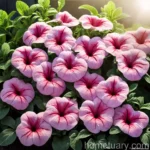
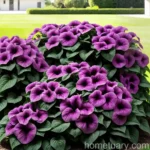
Petunia ‘Supertunia Lavender Skies’ is a stunning and versatile flowering plant that belongs to the Petunia genus. It is a well-loved and popular garden favorite among horticulturists and gardening enthusiasts. Known for its profusion of delicate lavender-hued blossoms, this plant adds a touch of elegance to various outdoor and indoor settings.
In this comprehensive guide, we will explore every facet of the Petunia ‘Supertunia Lavender Skies’, from its basic taxonomy and cultural requirements to its propagation, common diseases, and optimal care tips. Whether you are an experienced gardener or a novice plant enthusiast, this guide will equip you with the knowledge needed to grow and maintain vibrant and healthy ‘Supertunia Lavender Skies’ in your own garden or home landscape.
Taxonomy of Petunia ‘Supertunia Lavender Skies’
Before delving into the specific care and maintenance aspects of Petunia ‘Supertunia Lavender Skies’, it is essential to understand its taxonomical classification. This aids in gaining insight into its botanical characteristics, growth requirements, and overall behavior within its natural habitat and in cultivation.
Scientific Classification:
- Kingdom: Plantae
- Clade: Angiosperms
- Clade: Eudicots
- Clade: Asterids
- Order: Solanales
- Family: Solanaceae
- Genus: Petunia
- Species: Petunia hybrid
Petunia ‘Supertunia Lavender Skies’ is a cultivated hybrid, and its taxonomy reflects its lineage within the broader Petunia genus, which encompasses a diverse group of flowering plants renowned for their ornamental value.
Key Takeaways – Petunia ‘Supertunia Lavender Skies’
Before venturing further into the specifics of ‘Supertunia Lavender Skies’ care and cultivation, let’s highlight some key takeaways about this beautiful plant:
-
‘Supertunia Lavender Skies’ boasts delicate lavender-hued blossoms that add a touch of elegance to any landscape or garden setting.
-
This plant is popular among both amateur and seasoned gardeners due to its versatility and resilience.
-
‘Supertunia Lavender Skies’ requires proper attention to its cultural needs, including watering, sunlight, fertilization, and soil requirements, for healthy growth and prolific flowering.
-
The plant is amenable to various propagation techniques, enabling gardeners to expand their collection of ‘Supertunia Lavender Skies’ and share its beauty with others.
-
While generally robust, ‘Supertunia Lavender Skies’ may be susceptible to certain diseases and pests, necessitating an understanding of disease management and pest control measures.
Culture of Petunia ‘Supertunia Lavender Skies’
Cultural considerations play a pivotal role in the successful growth and development of ‘Supertunia Lavender Skies’. From its watering requirements to its preferred soil conditions, understanding the plant’s cultural needs is essential for providing an optimal environment that promotes healthy and abundant flowering.
Water
Watering Needs:
-
‘Supertunia Lavender Skies’ thrives in consistently moist but well-drained soil. Adequate watering is crucial for promoting healthy growth and continuous blooming. However, it is important to avoid waterlogged conditions, as excessive moisture can lead to root rot and other detrimental effects.
-
During the growing season, regular monitoring of soil moisture is recommended. Water the plant thoroughly whenever the top inch of the soil dries out, especially during hot and dry periods.
-
Overhead watering should be minimized to prevent foliage diseases. The use of soaker hoses or drip irrigation systems is beneficial in delivering water directly to the soil around the plants’ root zones.
Sunlight
Sunlight Preferences:
-
Petunias, including ‘Supertunia Lavender Skies’, thrive in full sunlight to promote abundant flowering and robust growth. Adequate exposure to sunlight is essential for the plant’s overall vigor.
-
Select a planting location that receives at least 6 to 8 hours of direct sunlight per day. In hotter climates, some afternoon shade can be beneficial to prevent excessive stress on the plants during peak sun exposure.
-
Insufficient sunlight can lead to reduced flowering and leggy, weak growth. Hence, it is essential to provide ‘Supertunia Lavender Skies’ with the requisite amount of sunlight for optimal performance.
Fertilizer
Fertilization Requirements:
-
‘Supertunia Lavender Skies’ benefits from regular feeding with a balanced, water-soluble fertilizer to support vigorous growth and prolific blooming.
-
A general-purpose fertilizer with an NPK ratio of 10-10-10 or a similar formulation is suitable for ‘Supertunia Lavender Skies’.
-
Fertilization should be initiated in early spring as new growth emerges and continued every 2-3 weeks throughout the growing season. However, it is important to avoid excessive fertilization, as this can lead to an overabundance of foliage at the expense of flowering.
Soil
Soil Requirements:
-
Well-draining, fertile soil is vital for the successful cultivation of ‘Supertunia Lavender Skies’. A loamy soil with good organic content is ideal for promoting healthy root development and robust flowering.
-
Prior to planting, it is beneficial to amend the soil with organic matter such as compost or well-rotted manure to enhance its structure and fertility.
-
In containers, a high-quality potting mix specifically formulated for flowering plants and supplemented with perlite or vermiculite for improved drainage is recommended.
Pruning of Petunia ‘Supertunia Lavender Skies’
Pruning plays a crucial role in maintaining the health, vigor, and aesthetic appeal of ‘Supertunia Lavender Skies’. Proper pruning techniques not only help shape the plant but also promote continuous blooming and prevent the development of disease-prone, overcrowded growth.
Pruning Techniques:
-
Regular deadheading of faded flowers is essential to encourage the continuous production of new blooms. This involves the removal of spent flowers along with a portion of the stem to promote the emergence of fresh buds.
-
Additionally, light trimming of leggy or overgrown stems can help maintain a compact and bushy growth habit, especially for container-grown ‘Supertunia Lavender Skies’.
-
Pruning is typically performed throughout the growing season as needed, focusing on the removal of spent blossoms and excessive vegetative growth.
Propagation of Petunia ‘Supertunia Lavender Skies’
‘Petunia ‘Supertunia Lavender Skies’ can be propagated through various methods including cuttings, seed starting, and in some cases, division techniques.
Propagation Methods:
- Cutting Propagation:
-
Stem cuttings of ‘Supertunia Lavender Skies’ can be taken from healthy, non-flowering shoots during the growing season. The cuttings are then rooted in a well-draining propagation medium and kept under controlled conditions until roots develop.
-
Seed Starting:
-
While the hybrid nature of ‘Supertunia Lavender Skies’ may result in variability from seed, it is possible to grow new plants from collected seed. Sow the seeds in a suitable germination medium and provide the necessary warmth, moisture, and light for successful germination.
-
Division (Optional):
- In some cases, clump-forming Petunia species can be divided to create new plants. However, this method may not be applicable to all ‘Supertunia Lavender Skies’ varieties, and care should be taken to ensure that the resulting divisions have sufficient root mass to support their growth.
Container Gardening with Petunia ‘Supertunia Lavender Skies’
‘Petunia ‘Supertunia Lavender Skies’ is exceptionally well-suited for container gardening, allowing enthusiasts to enjoy its beauty in various settings such as patios, balconies, and urban landscapes.
Container Popularity:
-
Due to its trailing habit and vibrant flowers, ‘Supertunia Lavender Skies’ is a popular choice for hanging baskets, window boxes, and decorative containers. Its cascading growth habit creates a stunning visual display when allowed to spill over the edges of elevated planters.
-
Grown in containers, ‘Supertunia Lavender Skies’ can serve as a focal point in outdoor spaces or as part of mixed container gardens where it can be complemented by other annuals and foliage plants.
Container Common Diseases:
Container gardening offers numerous benefits, including the ability to closely monitor and manage the plant’s health and growth. However, certain diseases can still pose challenges in container-grown ‘Supertunia Lavender Skies’.
Disease Diagnosis:
- Some common diseases that may afflict ‘Supertunia Lavender Skies’ in containers include:
-
Botrytis Blight (Gray Mold): This fungal disease often arises from prolonged periods of high humidity and poor air circulation. Symptoms include grayish mold on affected plant parts, particularly during cool, damp weather.
-
Powdery Mildew: Characterized by a powdery white coating on the foliage, powdery mildew can be an issue in containers where air circulation is restricted. This disease thrives in warm, dry conditions and can impact the overall health and appearance of the plant if left unmanaged.
-
Root Rot: Excessive moisture or poorly draining potting mix can lead to root rot, resulting in wilting, yellowing foliage, and stunted growth. Root rot must be addressed promptly to prevent extensive damage to the plant’s root system.
Disease Management:
-
To mitigate the risk of diseases in container-grown ‘Supertunia Lavender Skies’, it is essential to maintain optimal growing conditions, including proper ventilation, appropriate watering practices, and the use of disease-resistant cultivars when available.
-
Additionally, regular monitoring for signs of disease and prompt intervention through appropriate cultural and, if necessary, chemical measures can aid in preventing the spread and impact of common diseases.
Pest Control for Petunia ‘Supertunia Lavender Skies’
Pests, if left unchecked, can pose significant threats to the health and appearance of ‘Supertunia Lavender Skies’. Understanding common pests and implementing effective control measures is essential for safeguarding the plant from potential infestations.
Common Pests:
- Some of the common pests that may target ‘Supertunia Lavender Skies’ include:
-
Aphids: These small, soft-bodied insects feed on plant sap, often congregating on the undersides of leaves. Their feeding can cause distorted growth and the development of sticky honeydew on foliage.
-
Spider Mites: These tiny arachnids thrive in hot, dry conditions and can inflict damage by sucking sap from the plant’s tissues. Infestations are often indicated by stippled or discolored foliage and fine webbing on the undersides of leaves.
-
Whiteflies: Whiteflies are small, winged insects that congregate on the undersides of leaves, feeding on plant sap. Heavy infestations can lead to yellowing, wilting, and reduced vigor in affected plants.
Pest Management:
-
Regular inspection of ‘Supertunia Lavender Skies’ for signs of pest activity is crucial for early detection and intervention. Visual cues such as distorted foliage, stippling, discoloration, or the presence of insects themselves can indicate the presence of pests.
-
Non-chemical control measures, including physical removal of pests, hosing down the plants to dislodge pests, and introducing natural predators such as ladybugs and lacewings, can be employed to manage pest populations without resorting to insecticides.
-
In cases where pest infestations are severe or persistent, targeted use of insecticidal soaps, horticultural oils, or other low-impact insecticides may be warranted. Care should be taken to follow the product label instructions and minimize the impact on non-target organisms.
Botanist’s Tips for Petunia ‘Supertunia Lavender Skies’
As a plant scientist with a passion for floral diversity, I offer the following botanist’s tips for cultivating and enjoying the beauty of ‘Supertunia Lavender Skies’:
-
Optimal Plant Spacing: When planting ‘Supertunia Lavender Skies’, ensure sufficient spacing between individual plants to allow for adequate air circulation and prevent the development of overcrowded, disease-prone growth.
-
Regular Feeding: Stay attentive to the fertilization needs of ‘Supertunia Lavender Skies’, providing regular, balanced feedings to support robust growth and abundant flowering.
-
Disease Monitoring: Regularly inspect ‘Supertunia Lavender Skies’ for signs of diseases, particularly in regions with high humidity or during periods of prolonged rainfall, and implement proactive measures to address disease issues promptly.
-
Pest Vigilance: Keep a watchful eye on the plant for signs of pest activity, with a special focus on the undersides of leaves and new growth, where pests often congregate.
-
Companion Planting: Consider incorporating companion plants such as marigolds, alyssum, or flowering herbs to complement ‘Supertunia Lavender Skies’ and attract beneficial insects to the garden.
Fun Facts About Petunia ‘Supertunia Lavender Skies’
-
The luxurious lavender hue of ‘Supertunia Lavender Skies’ is a captivating feature that has made it a sought-after addition to garden palettes worldwide.
-
‘Supertunia Lavender Skies’ exhibits prolific blooming throughout the growing season, providing an impressive floral display that can elevate the aesthetic appeal of any outdoor space.
-
The plant’s trailing habit makes it a charming choice for elevated planters, hanging baskets, and mixed container gardens, where its cascading growth adds a touch of elegance and visual interest.
-
‘Supertunia Lavender Skies’ is widely regarded for its low maintenance requirements, making it an ideal choice for gardeners seeking vibrant, long-lasting blooms without excessive care demands.
Links to External Resources
To further expand your knowledge and appreciation of Petunia ‘Supertunia Lavender Skies’, I recommend exploring the following resources:
- American Horticultural Society – Petunia Care Guide
- The Royal Horticultural Society – Growing Petunias
- University of Florida Gardening Solutions – Petunia Production Guide
With this comprehensive guide, you are well-equipped to cultivate, maintain, and revel in the splendor of ‘Supertunia Lavender Skies’ in your own garden or landscape. By understanding its cultural requirements, propagation techniques, disease and pest management, and other essential aspects, you can embark on a rewarding journey to nurture and enjoy this alluring flowering plant.
Remember that with proper care and attention, ‘Supertunia Lavender Skies’ will reward you with an abundance of delicate lavender blossoms, bringing a sense of enchantment and natural beauty to your outdoor spaces. Happy gardening!
cite all sources properly and for images add they’re license