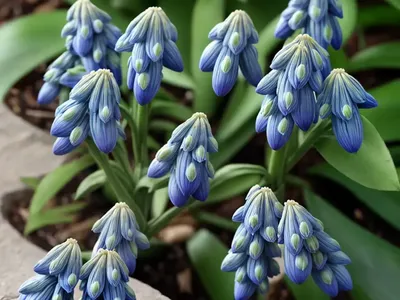
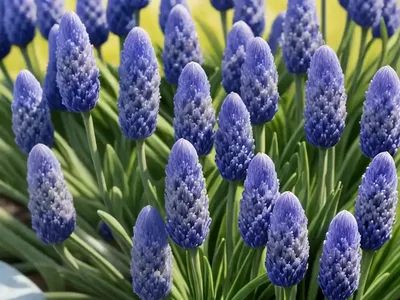
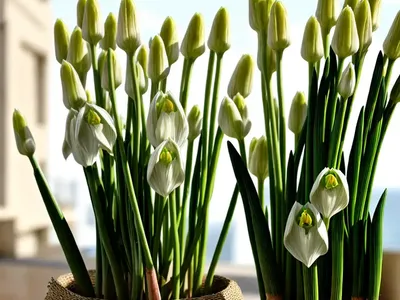
Scilla Siberica ‘Spring Beauty’ (Siberian Squill)
Scilla siberica ‘Spring Beauty’, also known as Siberian Squill, is a delightful spring-blooming bulbous perennial plant that belongs to the Asparagaceae.
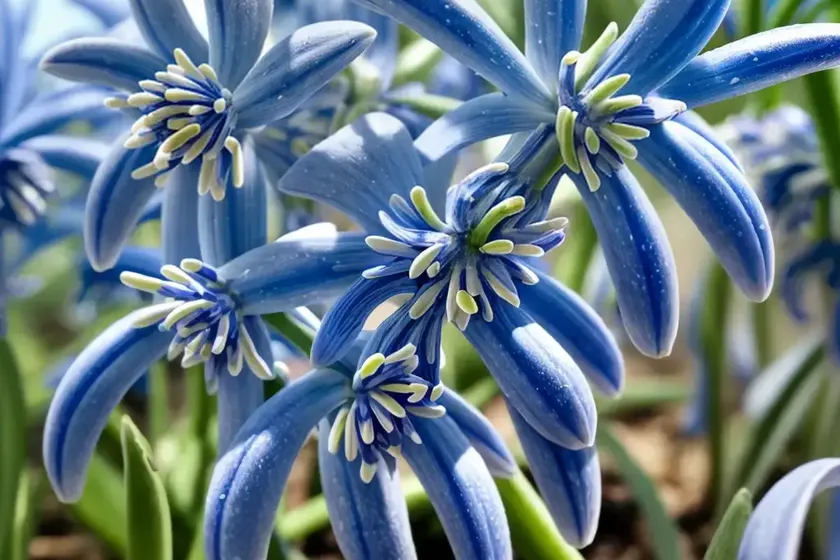
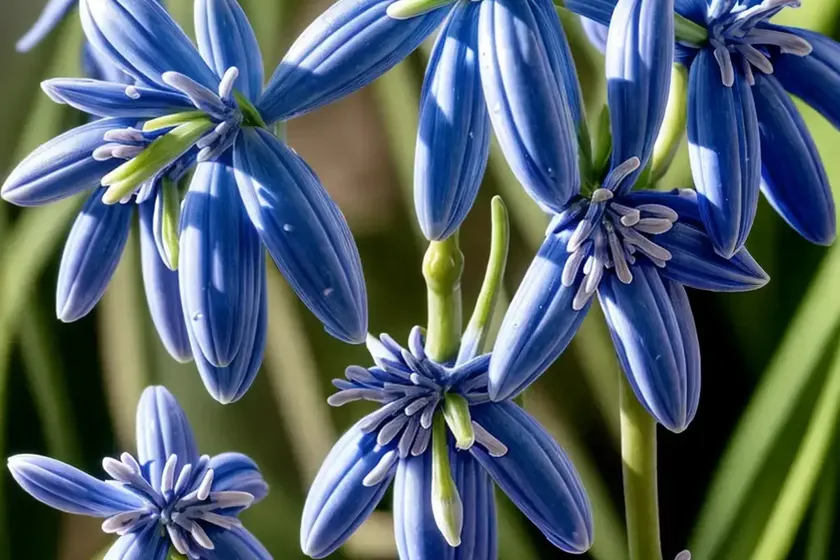
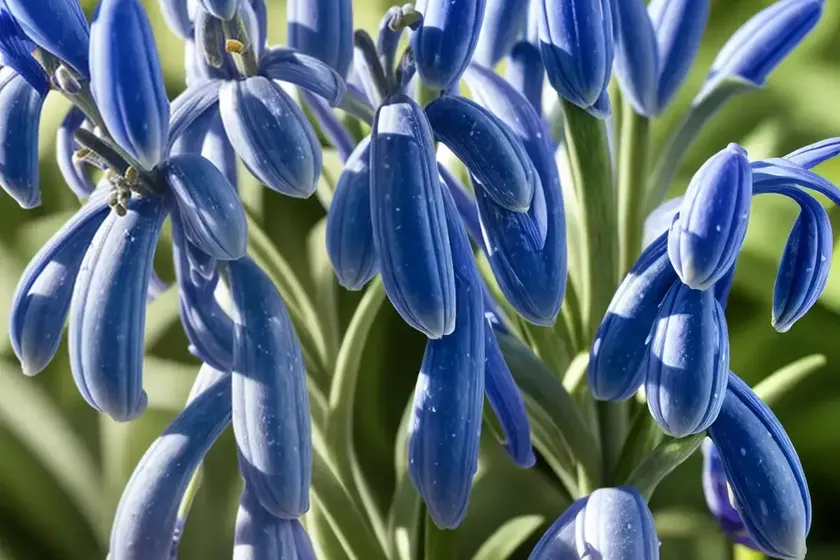
Scilla siberica ‘Spring Beauty’, also known as Siberian Squill, is a delightful spring-blooming bulbous perennial plant that belongs to the Asparagaceae family. This charming plant is native to the woodlands, meadows, and rocky hillsides of Eastern Europe, including Russia, Ukraine, and Turkey.
The Siberian Squill earns its name from its native habitat and the striking blue color of its star-shaped flowers, which emerge in early spring as one of the first signs of the season’s arrival. The species name “siberica” suggests its origin from Siberia, although it is distributed across a wider geographical range that includes various parts of Europe and Asia.
This petite plant typically reaches a height of 4-6 inches and is crowned with clusters of delicate, vivid blue, nodding blossoms, accentuating its natural appeal and adding a touch of color to the spring landscape.
Scilla siberica ‘Spring Beauty’ is a low-maintenance plant that is well-suited for woodland gardens, rock gardens, naturalized settings, or as a border plant. Its ability to thrive and naturalize in most conditions makes it an excellent choice for both experienced and novice gardeners.
Key Takeaways – Scilla siberica ‘Spring Beauty’
- Botanical Name: Scilla siberica ‘Spring Beauty’
- Common Name: Siberian Squill
- Family: Asparagaceae
- Plant Type: Perennial Bulbous Plant
- Native Habitat: Eastern Europe
- Flower Color: Blue
- Plant Height: 4-6 inches
- Blooming Period: Early Spring
- Growth Cycle: Deciduous
Let’s delve into the various facets of cultivating and caring for this enchanting plant.
Culture
The culture of Scilla siberica ‘Spring Beauty’ encompasses its preferred growing conditions, care requirements, and the ecosystem it thrives in. Understanding the cultural needs of this plant is pivotal for its successful growth and blooming.
Uses
The uses of Scilla siberica ‘Spring Beauty’ extend beyond its aesthetic appeal in gardens. This section will cover the plant’s versatile applications, including ornamental, landscaping, and medicinal uses.
Water
Water is a fundamental element in the growth and development of plants. Knowing the water requirements of Scilla siberica ‘Spring Beauty’ is essential for maintaining the plant’s vigor and vitality.
Sunlight
Sunlight plays a critical role in the photosynthetic process and overall well-being of plants. Identifying the optimal sunlight conditions for Siberian Squill is crucial for its sustained growth and prolific flowering.
Fertilizer
Fertilization is an integral component of plant care that impacts the nutrient supply and vitality of the plant. Understanding the fertilization needs of Scilla siberica ‘Spring Beauty’ is pivotal for promoting its robust growth and vibrant blooms.
Soil
The soil serves as the foundation for plant growth and provides essential nutrients and support. Discovering the soil preferences of Siberian Squill is essential for creating an environment conducive to its flourishing.
Pruning
Pruning is a horticultural practice that influences the plant’s form, health, and flowering. Gaining insights into the pruning requirements of Scilla siberica ‘Spring Beauty’ is vital for maintaining its aesthetic appeal and vigor.
Propagation
Propagation methods enable the reproduction and proliferation of plants. Learning about the propagation techniques of Scilla siberica ‘Spring Beauty’ is pivotal for expanding its presence in gardens and landscapes.
Container Popularity
Growing plants in containers offers flexibility and versatility. Unveiling the popularity of growing Scilla siberica ‘Spring Beauty’ in containers provides insights into its adaptable nature and appeal to container gardening enthusiasts.
Container Common Diseases
Containers can present unique challenges and disease susceptibilities. Understanding the common diseases that affect Scilla siberica ‘Spring Beauty’ in containers is essential for their prevention and management.
Disease Diagnosis
Diagnosing and addressing diseases promptly is crucial for maintaining the health and vigor of plants. Acquiring knowledge about disease diagnosis in Scilla siberica ‘Spring Beauty’ is pivotal for implementing effective treatment strategies.
Common Pests
Pests pose a significant threat to the well-being and aesthetics of plants. Identifying the common pests that afflict Siberian Squill is essential for mitigating their impact and preserving the plant’s health.
Botanist’s Tips
As plants and their care can be complex, the expertise of botanists offers valuable guidance and insights. This section will present expert tips and recommendations for cultivating and caring for Scilla siberica ‘Spring Beauty’.
Fun Facts
Dive into fascinating and unique facts about Scilla siberica ‘Spring Beauty’, shedding light on its intriguing qualities and botanical significance.
Links to External Resources
External resources provide a wealth of information and support for plant enthusiasts. This section will offer links to credible sources that offer detailed insights and guidance on Scilla siberica ‘Spring Beauty’ and related topics.
Now, let’s embark on an enriching journey to explore the various facets of Scilla siberica ‘Spring Beauty’ cultivation and care.