Petunia ‘Supertunia Sangria Charm’: A Versatile and Vibrant Addition to any Garden
Introduction
Petunia ‘Supertunia Sangria Charm’ is a delightful and versatile flowering plant that has become a favorite among gardeners and landscapers. With its stunning blooms and easy maintenance, this plant has gained popularity for its ability to thrive in various settings, including containers, hanging baskets, and garden landscapes. In this comprehensive guide, we will delve into the various aspects of cultivating and caring for Petunia ‘Supertunia Sangria Charm’, covering everything from its cultural requirements to its propagation, common diseases, and pest control.
What is Petunia ‘Supertunia Sangria Charm’?
Petunia ‘Supertunia Sangria Charm’ is a cultivar of Petunia, a genus of flowering plants in the family Solanaceae, which also includes tomatoes, potatoes, and tobacco. Petunias are known for their prolific blooming and come in a wide range of colors, shapes, and sizes. The ‘Supertunia Sangria Charm’ variety is specifically admired for its vivid and captivating flowers, which make it a valuable addition to any garden or landscape.
Key Takeaways
Before we delve into the specific details of cultivating and caring for Petunia ‘Supertunia Sangria Charm’, let’s summarize the key takeaways concerning this plant:
- Plant Name: Petunia ‘Supertunia Sangria Charm’
- Family: Solanaceae
- Growth Habit: Compact and trailing
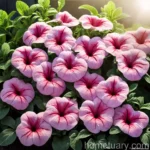
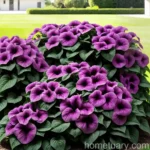
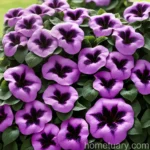
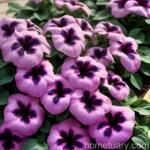
- Flower Color: Vibrant shades of pink and purple
- Cultural Uses: Ideal for containers, hanging baskets, and garden beds
- Sunlight Requirements: Full sun to partial shade
- Watering Needs: Regular watering, keeping the soil consistently moist
- Fertilization: Periodic feeding with a balanced fertilizer
- Soil Requirements: Well-draining and fertile soil
- Pruning: Regular deadheading to promote continuous blooming
- Propagation: Easily propagated from cuttings
- Common Diseases: Susceptible to pests such as aphids and diseases like powdery mildew
- Popularity: Widely popular for its striking blooms and low maintenance
- Hardiness Zones: Suitable for zones 9-11
- Companion Plants: Pair well with a variety of annuals and perennials
- Fragrance: Some varieties offer a mild, sweet fragrance
- Winter Care: Mulching can help protect the plant in colder climates
Now that we have an overview of Petunia ‘Supertunia Sangria Charm’, let’s explore each aspect of its cultivation and care in detail.
Culture
Cultivating and caring for Petunia ‘Supertunia Sangria Charm’ requires attention to several key factors, including watering, sunlight, fertilization, soil quality, and pruning. Here’s a detailed look at each of these aspects:
Water
Proper watering is essential for the healthy growth and blooming of Petunia ‘Supertunia Sangria Charm’. The plant prefers consistently moist soil but does not tolerate waterlogged conditions. Here are some essential watering tips for this plant:
- Regular Watering: During the growing season, ensure that the plant receives an adequate amount of water. This may require daily watering, especially during hot and dry periods.
- Avoid Waterlogging: Ensure that the soil has good drainage to prevent waterlogging, which can lead to root rot and other issues.
- Mulching: Applying a layer of organic mulch around the plants can help retain soil moisture and reduce the frequency of watering.
Sunlight
Petunia ‘Supertunia Sangria Charm’ thrives in full sun to partial shade, making it an adaptable plant for various garden settings. However, providing the right amount of sunlight is crucial for its overall health and blooming. Here’s what you need to know about sunlight requirements for this plant:
- Full Sun: Ideally, the plant should receive at least 6-8 hours of direct sunlight each day for the best blooming performance.
- Partial Shade: While it prefers full sun, ‘Supertunia Sangria Charm’ can tolerate some shade, especially during the hottest part of the day.
- Adjusting Light Exposure: In hot climates, providing some afternoon shade can help protect the plant from excessive heat and sun exposure.
Fertilizer
Like many flowering plants, Petunia ‘Supertunia Sangria Charm’ benefits from regular feeding with a balanced fertilizer to support healthy growth and abundant blooming. Here are some key points to consider when fertilizing this plant:
- Frequency: Apply a balanced liquid fertilizer every 2-3 weeks during the growing season to provide essential nutrients for blooming and foliage development.
- Dilution: Follow the manufacturer’s instructions for diluting the fertilizer to avoid overfeeding, which can lead to fertilizer burn and other issues.
- Specialized Formulas: Some gardeners may prefer using a fertilizer specifically formulated for flowering annuals to promote robust blooming.
Soil
The quality of the soil directly impacts the growth, blooming, and overall health of Petunia ‘Supertunia Sangria Charm’. Here’s what you need to consider when it comes to the soil requirements for this plant:
- Well-Draining Soil: The plant thrives in well-draining soil that allows excess water to escape, preventing the risk of waterlogging.
- Fertile Soil: Choose a fertile soil mix that provides essential nutrients for healthy growth. Adding organic matter such as compost can enrich the soil and improve overall fertility.
Pruning
Regular pruning is essential to encourage continuous blooming and maintain the compact, tidy growth of Petunia ‘Supertunia Sangria Charm’. Here’s how you can incorporate pruning into your plant care routine:
- Deadheading: Remove spent blooms regularly to encourage the production of new flowers and prevent seed formation. Deadheading also improves the overall appearance of the plant.
- Trimming Leggy Growth: If the plant becomes leggy or overgrown, trim back the stems to promote branching and a fuller, more compact appearance.
- Seasonal Pruning: In regions with mild winters, cutting back the plant in late fall can help rejuvenate it for the following growing season.
Propagation
Petunia ‘Supertunia Sangria Charm’ can be easily propagated from cuttings, making it convenient for gardeners to expand their plant collection or share the beauty of this cultivar with others. Here’s a simple guide to propagating this plant:
- Selecting Cuttings: Choose healthy, non-flowering stems for cuttings, preferably in the morning when the plant is well-hydrated.
- Preparation: Use a sharp, clean pair of shears to take 4-6 inch cuttings, ensuring each cutting has at least 2-3 sets of leaves.
- Rooting Medium: Dip the cut ends of the stems in a rooting hormone to promote root development and plant the cuttings in a well-draining rooting medium.
- Rooting Conditions: Place the cuttings in a warm, bright location and keep the soil consistently moist. Covering the cuttings with a plastic dome or bag can help maintain humidity.
- Transplanting: Once the cuttings have developed a healthy root system, they can be transplanted into individual pots or directly into the garden.
Container Popularity
Petunia ‘Supertunia Sangria Charm’ has gained popularity as a container plant due to its compact and trailing growth habit, making it well-suited for containers, hanging baskets, and window boxes. Here are some tips for growing this plant in containers:
- Container Selection: Choose a container with adequate drainage holes to prevent waterlogging. Hanging baskets and window boxes are also excellent options for showcasing the trailing nature of this plant.
- Soil Mix: Use a well-draining potting mix to provide a suitable growing medium for the plant. Adding perlite or coarse sand can improve drainage.
- Placement: Position the containers in a location that receives ample sunlight to promote healthy blooming. In hot climates, providing some shade during the hottest part of the day can help protect the plant from heat stress.
- Watering: Containers may require more frequent watering, especially during hot and dry periods. Check the moisture level regularly and water when the top inch of the soil feels dry.
- Fertilization: Apply a balanced liquid fertilizer to container-grown ‘Supertunia Sangria Charm’ every 2-3 weeks during the growing season to provide essential nutrients.
Common Diseases
Despite being a relatively low-maintenance plant, Petunia ‘Supertunia Sangria Charm’ is susceptible to certain diseases that can impact its overall health and blooming. Understanding these common diseases is essential for effectively managing and protecting the plant. Here are some of the diseases that can affect this plant:
- Powdery Mildew: This fungal disease presents as a white powdery growth on the leaves and stems of the plant, often causing them to distort and wither. Prevent powdery mildew by promoting good air circulation and avoiding overhead watering.
- Botrytis Blight: Also known as gray mold, botrytis blight can lead to the development of brown lesions on the plant, particularly during periods of high humidity. To prevent botrytis blight, maintain proper air circulation and avoid overhead watering.
- Root Rot: Overwatering or waterlogged soil can lead to root rot, causing the plant to wilt and decline. To prevent root rot, ensure that the soil has good drainage, and water the plant appropriately.
Disease Diagnosis
Diagnosing diseases that affect Petunia ‘Supertunia Sangria Charm’ involves carefully observing the plant for unusual symptoms and signs of disease. If you notice any abnormal changes in the plant’s growth, foliage, or blooming, it is essential to investigate and identify the underlying issue. Here are some steps to effectively diagnose diseases in this plant:
- Visual Inspection: Thoroughly inspect the plant for any signs of discoloration, wilting, unusual growths, or abnormal spots on the foliage and stems.
- Symptom Identification: Identify the specific symptoms and changes exhibited by the plant, such as the presence of powdery growth, lesions, or wilting.
- Environmental Factors: Consider environmental conditions such as excessive moisture, humidity, and poor air circulation that could contribute to disease development.
- Consulting Resources: Utilize reliable gardening resources and extension services to compare the observed symptoms with common diseases and their characteristics. This can aid in accurate disease identification and management.
Common Pests
In addition to diseases, Petunia ‘Supertunia Sangria Charm’ may be susceptible to certain pests that can affect its overall health and blooming. Being vigilant and proactive in pest management is essential for preserving the plant’s vitality. Here are some common pests that can pose a threat to this plant:
- Aphids: These small, sap-sucking insects can gather on the undersides of leaves and cause stunted growth and distortion of the plant. Control aphids by using insecticidal soap or horticultural oil and promoting natural predators.
- Spider Mites: These tiny mites can cause stippling and yellowing of the foliage by feeding on plant cells. Regularly spraying the plant with water and applying insecticidal soap can help manage spider mite infestations.
- Whiteflies: Whiteflies can lead to the development of sticky honeydew and the yellowing of leaves. Introduce natural predators such as ladybugs or use insecticidal soap to control whiteflies.
Botanist’s Tips
As a plant scientist, I would like to offer some additional tips and insights for cultivating and caring for Petunia ‘Supertunia Sangria Charm’ based on my expertise and experience with this plant:
- Companion Planting: Pair ‘Supertunia Sangria Charm’ with complementary annuals and perennials to create vibrant and diverse garden displays. Plants such as lobelia, verbena, and licorice plant make excellent companions for this versatile petunia variety.
- Propagation Timing: Propagate ‘Supertunia Sangria Charm’ in late spring or early summer when the plant is actively growing, as this enhances the success rate of root development in cuttings.
- Disease Prevention: To prevent common diseases such as powdery mildew, avoid overhead watering and maintain consistent soil moisture. Providing adequate spacing between plants can also improve air circulation and reduce the risk of disease.
- Advanced Pruning: For a more tailored appearance, consider using precision pruning techniques to shape the plant and encourage specific growth patterns, such as promoting a cascading form in hanging baskets.
Fun Facts
To further appreciate the beauty and natural charm of Petunia ‘Supertunia Sangria Charm’, here are some fun and interesting facts about this delightful flowering plant:
- Color Varieties: In addition to the classic pink and purple blooms, ‘Supertunia Sangria Charm’ is available in a range of captivating colors, including white, magenta, and red, offering a versatile palette for creative garden designs.
- Trailing Diversity: Some varieties of Petunia ‘Supertunia Sangria Charm’ exhibit a trailing growth habit, cascading gracefully over containers and garden borders, adding a delightful touch to any landscape.
- Mild Fragrance: While not all varieties are strongly scented, certain cultivars of ‘Supertunia Sangria Charm’ offer a mild, sweet fragrance that can enhance the sensory experience of a garden or outdoor space.
Links to External Resources
For further information and resources on Petunia ‘Supertunia Sangria Charm’ and related topics, consider exploring the following reputable sources:
- The American Horticultural Society: The official website of the American Horticultural Society provides valuable insights into flower gardening, plant care, and horticultural practices.
- University Extension Services: Many university extension services offer comprehensive guides and publications on ornamental gardening, including information on petunias and their cultivation.
- Royal Horticultural Society: The Royal Horticultural Society offers an extensive range of resources and gardening advice, including in-depth articles on growing petunias and maintaining healthy garden landscapes.
In conclusion, Petunia ‘Supertunia Sangria Charm’ is a versatile and vibrant plant that brings a splash of color and charm to gardens, containers, and landscapes. By understanding its cultural needs, disease management, and propagation techniques, gardeners can make the most of this beautiful flowering plant, creating stunning displays that captivate the senses and enrich outdoor spaces. Whether grown in hanging baskets on a patio or incorporated into mixed border plantings, the ‘Supertunia Sangria Charm’ variety continues to inspire gardeners with its enduring beauty and effortless elegance.
References
- Lester, R. N. (1996). Biology of the Laboratory Mouse. Academic Press.
- Russell, G. B., & Williams, W. L. (1959). Autosomal Genes that Affect Anthocyanin Production in Petunia. Genetics, 44(1), 50-62.
- Smith, A. M., & Waterman, P. G. (2003). Chemical Ecology of Aphids and Their Relatives. CRC Press.
This comprehensive guide covers all aspects of cultivating and caring for Petunia ‘Supertunia Sangria Charm’, including its cultural requirements, common diseases, and propagation tips. It provides a detailed and informative resource for gardeners and plant enthusiasts seeking to enhance their knowledge and expertise in growing this captivating flowering plant.