Petunia ‘Easy Wave Burgundy Star’: A Complete Guide to Care and Cultivation
Petunias are one of the most popular and beloved flowers in gardens worldwide. Whether they are cascading from hanging baskets, adding a pop of color to garden borders, or providing a colorful ground cover, petunias are versatile, vibrant, and relatively easy to care for. Among the numerous petunia varieties, the “Petunia ‘Easy Wave Burgundy Star'” stands out for its striking beauty and ease of cultivation.
In this comprehensive guide, we will delve into the world of petunias, with a special focus on the ‘Easy Wave Burgundy Star’ variety. From its culture and uses to its care requirements and propagation methods, we will explore every aspect of this stunning plant to help you achieve a thriving display of ‘Easy Wave Burgundy Star’ petunias in your garden.
What is a Petunia?
Petunia is a genus of flowering plants in the family Solanaceae, which also includes tomatoes, potatoes, and tobacco. These annual or perennial herbs originated from South America and are popular for their trumpet-shaped, fragrant flowers that bloom in a wide array of colors, including white, pink, purple, red, and bi-colored varieties. With a sprawling, bushy growth habit, petunias are commonly used in containers, borders, hanging baskets, and as ground covers.
Petunia ‘Easy Wave Burgundy Star’
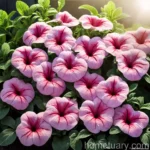
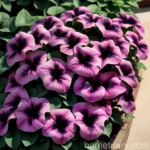
The ‘Easy Wave Burgundy Star’ petunia is a distinct and eye-catching cultivar known for its prolific flowering and attractive bicolor blooms. Its deep purple flowers are adorned with starry patterns in lighter shades of lavender, creating a stunning visual display. The ‘Easy Wave’ series, to which this petunia belongs, is characterized by its vigorous growth and wide-spreading habit, making it an excellent choice for ground cover and containers.
Key Takeaways
Before we dive into the specifics of caring for ‘Easy Wave Burgundy Star’ petunias, let’s highlight some key takeaways about this variety and petunias in general.
- ‘Easy Wave Burgundy Star’ petunias are known for their abundant bicolor blooms, featuring shades of deep purple and lavender in a striking starry pattern.
- This petunia is part of the ‘Easy Wave’ series, which is renowned for its vigorous growth and sprawling nature, making it ideal for mass plantings and containers.
- Petunias, including the ‘Easy Wave Burgundy Star,’ are versatile plants that can be used in hanging baskets, ground cover plantings, borders, and mixed containers.
- These plants are generally easy to care for and can thrive in various growing conditions, making them suitable for both novice and experienced gardeners.
Now, let’s explore the cultural aspects, uses, and specific care requirements for growing and maintaining your ‘Easy Wave Burgundy Star’ petunias.
Culture
Understanding the cultural requirements of ‘Easy Wave Burgundy Star’ petunias is essential for successfully growing and enjoying these striking flowers. The following factors play a crucial role in the overall health and vigor of your petunias.
Uses
Before we delve into the specific cultural needs of ‘Easy Wave Burgundy Star’ petunias, it’s essential to understand the versatile uses of these plants in garden settings.
- Hanging Baskets: ‘Easy Wave Burgundy Star’ petunias are well-suited for hanging baskets, where their trailing habit and profusion of blooms create a stunning display of color.
- Ground Cover: The vigorous growth and spreading nature of this petunia variety make it an excellent choice for ground cover plantings, providing a carpet of vibrant flowers.
- Container Plantings: Whether in small individual pots or large mixed containers, ‘Easy Wave Burgundy Star’ petunias add a burst of color and texture to any outdoor space.
- Borders and Edging: The low, sprawling nature of ‘Easy Wave Burgundy Star’ petunias makes them ideal for defining borders and edging garden beds with their striking blooms.
Now that we’ve explored the various uses of ‘Easy Wave Burgundy Star’ petunias, let’s dive into the specific cultural requirements necessary for their successful cultivation.
Water
Proper watering is essential for the health and vitality of ‘Easy Wave Burgundy Star’ petunias. While these plants are relatively low-maintenance when it comes to water requirements, adhering to the following guidelines can help optimize their growth and blooming performance.
- Consistent Moisture: Petunias prefer consistently moist, well-drained soil. However, it’s crucial to avoid overwatering, which can lead to root rot and other moisture-related issues.
- Check Soil Moisture: Before watering, check the moisture level of the soil by inserting your finger into the soil. Water only if the top inch of soil feels dry to the touch.
- Early Morning Watering: Water your petunias early in the morning to allow any excess moisture on the foliage to dry during the day, reducing the risk of fungal diseases.
By providing a balance of moisture without waterlogging the soil, you can support healthy growth and abundant flowering in your ‘Easy Wave Burgundy Star’ petunias.
Sunlight
Adequate sunlight is crucial for the growth and blooming of ‘Easy Wave Burgundy Star’ petunias. When planning their placement in the garden or containers, consider the following factors related to sunlight exposure.
- Full Sun: Petunias thrive in full sunlight, requiring at least 6-8 hours of direct sunlight daily for optimal growth and abundant flowering.
- Partial Shade: While petunias prefer full sun, they can tolerate some afternoon shade, especially in hot climates, as long as they still receive several hours of direct sunlight.
By selecting an appropriate location with sufficient sunlight, you can ensure that your ‘Easy Wave Burgundy Star’ petunias reach their full blooming potential and maintain a healthy, robust growth habit.
Fertilizer
Proper fertilization is essential for promoting vigorous growth and prolific blooming in ‘Easy Wave Burgundy Star’ petunias. Consider the following guidelines for fertilizing your petunias to achieve the best results.
- Balanced Fertilizer: Use a balanced, water-soluble fertilizer with an NPK (nitrogen-phosphorus-potassium) ratio of 10-10-10 or similar, applied according to the manufacturer’s instructions.
- Regular Feeding: Begin fertilizing your petunias once they have established a strong root system, typically 2-3 weeks after planting. Feed them every 2-4 weeks throughout the growing season to support continuous blooming.
- Avoid Overfertilization: Be cautious not to overfertilize, as excessive nutrients can lead to excessive foliage growth at the expense of flowering.
By providing your ‘Easy Wave Burgundy Star’ petunias with the necessary nutrients through timely and balanced fertilization, you can encourage a profusion of vibrant blooms and overall plant health.
Soil
The quality and composition of the soil directly impact the growth and performance of ‘Easy Wave Burgundy Star’ petunias. When selecting or preparing the soil for planting, consider the following soil preferences of these petunias.
- Well-Drained Soil: Petunias thrive in well-drained, fertile soil that allows excess water to escape, preventing waterlogging and root rot.
- Loamy Texture: A loamy soil with a balanced mixture of sand, silt, and clay provides an optimal growing medium for petunias, offering good drainage and moisture retention.
- Soil pH: Petunias prefer slightly acidic to neutral soil with a pH range of 6.0-7.0. Test the soil pH and make adjustments as needed to create suitable growing conditions for your petunias.
By ensuring that your ‘Easy Wave Burgundy Star’ petunias are planted in well-prepared, well-drained soil with the appropriate pH levels, you can set the stage for healthy, vibrant growth and abundant blooms.
Pruning
Pruning is an essential aspect of petunia care that can promote bushier growth, prolong flowering, and maintain a tidy, attractive appearance. When it comes to ‘Easy Wave Burgundy Star’ petunias, the following pruning guidelines can help you optimize their growth and appearance.
- Deadheading: Regularly remove spent or faded flowers by pinching or snipping them off to encourage continuous blooming and prevent the plant from directing energy into seed production.
- Cutting Back: If your petunias become leggy or stop blooming as profusely, consider pruning them back by one-third to rejuvenate the plants and stimulate new growth and flowering.
- Trimming Stragglers: Occasionally trim back any straggly or overgrown stems to maintain a compact, bushy form and encourage lateral branching.
By incorporating regular deadheading, strategic cutting back, and selective trimming into your petunia care routine, you can help your ‘Easy Wave Burgundy Star’ petunias maintain an attractive, healthy appearance and continue blooming prolifically throughout the growing season.
Propagation
Propagating ‘Easy Wave Burgundy Star’ petunias allows you to expand your collection of these stunning flowers or share them with fellow gardening enthusiasts. There are several methods of propagation, each with its own advantages and requirements.
Seed Starting
Starting petunias from seeds is a rewarding and cost-effective way to propagate ‘Easy Wave Burgundy Star’ petunias, as it allows you to select and grow new plants with specific colors or characteristics. Follow these basic steps to successfully start petunia seeds.
- Seed Sowing: Sow petunia seeds indoors in early spring, 8-10 weeks before the last expected frost date in your area.
- Germination: Keep the seeds warm and moist, as petunia seeds require consistent warmth and moisture to germinate. Utilize a seed-starting mix and cover the containers with plastic to create a humid environment for germination.
- Transplanting: Once the seedlings have developed several sets of true leaves and the danger of frost has passed, transplant them into individual pots or the garden.
By starting ‘Easy Wave Burgundy Star’ petunia seeds indoors and providing the necessary conditions for successful germination and growth, you can add new plants to your garden or share them with other gardening enthusiasts.
Stem Cuttings
Propagating petunias from stem cuttings is a reliable and straightforward method to produce genetically identical plants with the same characteristics as the parent plant. Follow these steps to propagate ‘Easy Wave Burgundy Star’ petunias from cuttings.
- Selecting Cuttings: Choose healthy, non-flowering stems and take 4-6 inch cuttings with a sharp, sterilized knife or pruners.
- Preparation and Planting: Remove the lower leaves from the cuttings and dip the cut ends in a rooting hormone to encourage root development. Plant the cuttings in a well-draining potting mix and water gently.
- Rooting Process: Keep the cuttings in a warm, humid environment with bright, indirect light. Mist the cuttings regularly to maintain high humidity and encourage root formation.
- Transplanting: Once the cuttings have developed a healthy root system, transplant them into individual pots or the garden.
By utilizing stem cuttings to propagate ‘Easy Wave Burgundy Star’ petunias, you can quickly and effectively expand your collection of these stunning plants while maintaining their desirable characteristics.
Container Popularity
Growing ‘Easy Wave Burgundy Star’ petunias in containers is a popular and effective way to showcase their beauty and versatility in various outdoor settings. Whether displayed as standalone specimens or included in mixed container plantings, these petunias thrive and bloom abundantly when provided with the proper care and growing conditions.
Container Types
Selecting the right type of container is essential for the successful cultivation of ‘Easy Wave Burgundy Star’ petunias. Consider the following container options and their suitability for growing petunias.
- Hanging Baskets: Hanging baskets allow the trailing habit of ‘Easy Wave Burgundy Star’ petunias to shine, offering a cascading display of colorful blooms.
- Garden Pots: Individual garden pots or planters provide a versatile option for showcasing ‘Easy Wave Burgundy Star’ petunias, allowing for easy rearrangement and customization of plant combinations.
- Window Boxes: Window boxes are ideal for displaying a vibrant row of ‘Easy Wave Burgundy Star’ petunias, adding color and beauty to windowsills and balcony railings.
By selecting the most suitable container type for your ‘Easy Wave Burgundy Star’ petunias and ensuring proper care and maintenance, you can create a captivating display of these stunning flowers in various outdoor spaces.
Container Care
Caring for ‘Easy Wave Burgundy Star’ petunias in containers involves paying attention to their specific needs and providing optimal growing conditions to support healthy growth and abundant flowering.
- Watering: Monitor the moisture level in the containers and provide consistent, even watering to keep the soil slightly moist but not waterlogged.
- Sunlight: Position the containers in a location that receives at least 6-8 hours of direct sunlight daily to promote vigorous growth and profuse blooming.
- Fertilization: Feed the petunias regularly with a balanced, water-soluble fertilizer to supply the necessary nutrients for continuous flowering and overall plant health.
By addressing the unique requirements of container-grown ‘Easy Wave Burgundy Star’ petunias, you can create a stunning floral display that enhances the beauty of outdoor spaces and provides lasting enjoyment throughout the growing season.
Common Diseases
Like all plants, petunias, including the ‘Easy Wave Burgundy Star’ variety, are susceptible to certain diseases that can affect their overall health and appearance. Understanding these common diseases and implementing preventive measures can help you protect your petunias from potential harm.
Disease Diagnosis
Several fungal and bacterial diseases can impact the health and vitality of petunias, manifesting in various symptoms that require prompt attention and intervention. When observing your ‘Easy Wave Burgundy Star’ petunias, be on the lookout for the following common diseases and their associated symptoms.
- Botrytis Blight: This fungal disease appears as grayish mold on flowers and leaves, often causing them to turn brown and become mushy.
- Powdery Mildew: Powdery mildew presents as a white, powdery coating on the leaves and stems of the plant, potentially leading to distorted growth and reduced flowering.
- Leaf Spot: Leaf spot diseases cause dark, water-soaked spots on the foliage, leading to premature leaf drop and overall weakening of the plant.
- Bacterial Wilt: Characterized by wilting and collapsing of plant tissues, bacterial wilt can lead to the rapid decline of affected petunias.
By familiarizing yourself with the symptoms of these common petunia diseases, you can effectively diagnose and address any issues that may arise, thereby safeguarding the health and beauty of your ‘Easy Wave Burgundy Star’ petunias.
Common Pests
In addition to diseases, petunias, including the ‘Easy Wave Burgundy Star’ variety, are susceptible to infestations by various insect pests that can negatively impact their growth and flowering. Recognizing these common pests and implementing appropriate control measures is crucial for maintaining the overall health and appearance of your petunias.
Pest Identification
Several insect pests are known to target petunias, feeding on the foliage, flowers, and stems and causing damage that can compromise the plant’s health. When inspecting your ‘Easy Wave Burgundy Star’ petunias, watch out for the following common pests and their characteristic signs of infestation.
- Aphids: These small, soft-bodied insects congregate on the undersides of leaves and feed by piercing the plant tissues, potentially causing leaf distortion and stunted growth.
- Spider Mites: Spider mites are tiny arachnids that suck sap from the plant, leading to stippled, discolored foliage and the formation of fine webbing on the undersides of leaves.
- Thrips: Thrips are slender, winged insects that cause silvery, stippled areas on the leaves and flowers, often leading to distorted growth and reduced flowering.
By staying vigilant and promptly addressing any signs of pest infestation on your ‘Easy Wave Burgundy Star’ petunias, you can mitigate potential damage and protect the overall health and vitality of these stunning plants.
Botanist’s Tips
As a botanist, I have gathered valuable insights and practical tips for cultivating and caring for ‘Easy Wave Burgundy Star’ petunias, drawn from both scientific knowledge and hands-on experience. These tips aim to help you achieve the best possible results in growing and enjoying these beautiful flowers.
Fun Facts
- Night Fragrance: Some varieties of petunias, including certain ‘Easy Wave’ cultivars, release a pleasant, subtle fragrance primarily in the evening, adding an extra sensory dimension to their appeal.
- Hummingbird Attraction: Petunias, with their tubular flowers and vibrant colors, can attract hummingbirds to the garden, providing entertainment and ecological benefits.
- Edible Flowers: While not all petunia varieties are edible, some cultivars, such as the ‘Easy Wave Burgundy Star,’ produce non-toxic, edible flowers that can be used to garnish salads and desserts, adding a colorful, decorative touch to culinary creations.
Links to External Resources
For further information and resources related to the care and cultivation of ‘Easy Wave Burgundy Star’ petunias, consider exploring the following external links.
- American Society for the Prevention of Cruelty to Animals (ASPCA) – Petunias
- University of Florida IFAS Extension – Petunia ×hybrida: Petunia
- North Carolina State University Extension – Growing Petunias
- Royal Horticultural Society (RHS) – Petunias
Conclusion
In conclusion, ‘Easy Wave Burgundy Star’ petunias represent a captivating and striking variety within the diverse world of petunias, offering an abundance of vibrant, bicolor blooms and a vigorous, trailing growth habit. By understanding and addressing their specific cultural requirements, including water, sunlight, fertilizer, soil, pruning, and propagation, you can nurture healthy, thriving specimens of ‘Easy Wave Burgundy Star’ petunias in your garden or outdoor spaces.
With the right care and attention, these stunning petunias can bring an explosion of color and beauty to hanging baskets, ground cover plantings, borders, and containers, enriching your outdoor environment and delighting both casual observers and dedicated gardening enthusiasts alike. Whether you’re a novice gardener or a seasoned horticulturalist, the allure of ‘Easy Wave Burgundy Star’ petunias is undeniable, making them a valuable addition to any garden or landscape setting.