The Marvelous Petunia ‘Easy Wave Blue’: A Complete Guide to the Perfect Annual Flower

Petunias are well-loved annual flowers, renowned for their vibrant blooms and versatility in gardens and landscapes. Among the plethora of petunia varieties, the Petunia ‘Easy Wave Blue’ stands out with its distinctive characteristics. In this comprehensive guide, we will delve into the world of petunias, focusing on the ‘Easy Wave Blue’ variety. From planting and care to propagation and common diseases, this article aims to equip you with all the knowledge needed to grow these beautiful flowering plants successfully. So, let’s embark on a journey into the enchanting realm of Petunia ‘Easy Wave Blue’ and discover the secrets behind cultivating this stunning annual flower.
Defining Petunia: A Brief Overview
Petunias, scientifically classified in the Solanaceae family, are popular annual flowering plants cherished for their dazzling, trumpet-shaped blooms and lush foliage. Originating from South America, particularly Argentina and Brazil, petunias have captured the hearts of gardeners and horticultural enthusiasts worldwide with their diverse color palettes and adaptability to various growing conditions.
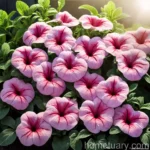
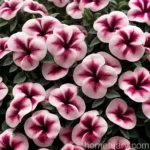
The Petunia ‘Easy Wave Blue’ is part of the esteemed Easy Wave series, known for its vigorous growth, cascading habit, and profusion of eye-catching flowers. This lively cultivar is celebrated for its striking blue-hued blossoms, adding a touch of elegance and vibrancy to any garden or landscape. With an abundance of blooms and a remarkable spreading nature, the ‘Easy Wave Blue’ petunia reigns supreme in the realm of annual flowers, providing unparalleled beauty and ornamental value.
Key Takeaways
Before we dive into the intricacies of cultivating the ‘Easy Wave Blue’ petunia, let’s summarize the key takeaways of this comprehensive guide:
- Understanding the cultural requirements of Petunia ‘Easy Wave Blue’ for optimal growth and development.
- Exploring the versatile uses of this petunia variety in gardens, landscapes, and container gardening.
- Learning about the essential factors of water, sunlight, and fertilizer needed for sustaining healthy ‘Easy Wave Blue’ petunias.
- Understanding the ideal soil conditions for cultivating and nurturing these stunning flowering plants.
- Insight into the importance of pruning and propagation techniques for ensuring the longevity and vigor of ‘Easy Wave Blue’ petunias.
- Identifying and addressing common diseases and pests that may affect the health and vitality of these petunias.
- Garnering valuable botanist’s tips and intriguing fun facts to enhance your knowledge and appreciation of the ‘Easy Wave Blue’ petunia.
Now, let’s delve into the detailed care and cultivation aspects of the Petunia ‘Easy Wave Blue’, encompassing its cultural requirements, uses, and vital factors dictating its overall health and vitality.
Culture
When it comes to cultivating the Petunia ‘Easy Wave Blue’, understanding its specific cultural requirements is crucial for ensuring optimal growth and blooming performance. Let’s explore the cultural aspects that play a pivotal role in nurturing these magnificent annual flowers.
Uses
The versatile nature of the ‘Easy Wave Blue’ petunia lends itself to a myriad of uses, making it a valuable addition to various gardening and landscaping endeavors. Here are some common uses of this vibrant petunia variety:
- Gardens: The cascading growth habit and profusion of blue flowers make the ‘Easy Wave Blue’ petunia an excellent choice for adding a splash of color to garden beds, borders, and edging.
- Container Gardening: Due to its trailing and spreading growth habit, ‘Easy Wave Blue’ petunias thrive in containers, hanging baskets, and window boxes, serving as captivating ornamental features for decks, patios, and balconies.
- Landscape Design: Whether used as ground cover or as part of a colorful floral display, these petunias contribute to the visual appeal of landscapes, parks, and public spaces.
- Cut Flowers: The vibrant blooms of ‘Easy Wave Blue’ petunias are suitable for creating stunning floral arrangements and bouquets, adding a touch of charm and elegance to indoor spaces.
The adaptability and aesthetic allure of the ‘Easy Wave Blue’ petunia make it a versatile and indispensable asset in both residential and commercial horticultural settings.
Water
Proper watering is fundamental in maintaining the health and vigor of the ‘Easy Wave Blue’ petunia. While these plants appreciate moist soil, they are also sensitive to waterlogging, which can lead to root rot and other detrimental issues. Here are some essential guidelines for watering your ‘Easy Wave Blue’ petunias:
- Frequency: During the active growing season, it’s crucial to provide regular, consistent watering to keep the soil evenly moist. In hot and dry conditions, you may need to water the plants more frequently to prevent dehydration.
- Morning Watering: Watering the petunias in the morning allows excess moisture to evaporate during the day, reducing the risk of fungal diseases and promoting overall plant health.
- Avoid Wet Foliage: When watering, aim to keep the foliage dry, as wet leaves can encourage the development of fungal infections. Direct the water towards the base of the plants to minimize leaf moisture.
Maintaining a balanced approach to watering is key to fostering flourishing ‘Easy Wave Blue’ petunias, ensuring they remain robust and radiant throughout the growing season.
Sunlight
Adequate sunlight exposure is essential for the growth and blooming performance of the ‘Easy Wave Blue’ petunia. These sun-loving plants thrive in bright, direct sunlight and showcase their best floral display when provided with optimal light conditions. Here are the key considerations regarding sunlight requirements for ‘Easy Wave Blue’ petunias:
- Full Sun: For maximum blooming and vigorous growth, aim to position the petunias in locations that receive at least 6-8 hours of direct sunlight per day. Ample sunlight promotes strong, sturdy stems and vibrant flower production.
- Partial Shade: While these petunias prefer full sun, they can tolerate some degree of afternoon shade, particularly in regions with intense heat. However, prolonged shade may result in reduced flowering and overall vigor.
By ensuring that your ‘Easy Wave Blue’ petunias receive the appropriate amount of sunlight, you can nurture robust, vibrant plants that showcase an abundance of captivating blue blossoms.
Fertilizer
Providing the ‘Easy Wave Blue’ petunias with adequate nutrients through regular fertilization is vital for sustaining their growth, flowering, and overall vitality. Here’s an overview of the essential fertilizer requirements for these annual flowering plants:
- Balanced Fertilizer: Utilize a balanced, water-soluble fertilizer with a formulation such as 10-10-10 or 20-20-20 to supply the petunias with essential macronutrients, including nitrogen, phosphorus, and potassium.
- Frequency: Fertilize the ‘Easy Wave Blue’ petunias every 2-3 weeks during the active growing season to provide a consistent supply of nutrients for robust growth and prolific flowering.
- Dilution and Application: Dilute the fertilizer according to the manufacturer’s instructions and apply it to moist soil around the base of the plants, ensuring even distribution of the nutrients. Avoid applying fertilizer to dry soil to prevent root burn.
By following a regular fertilization regimen, you can promote the health and blooming prowess of your ‘Easy Wave Blue’ petunias, resulting in an abundance of captivating blue flowers throughout the growing season.
Soil
The quality and composition of the soil play a pivotal role in determining the overall health and performance of the ‘Easy Wave Blue’ petunia. Understanding the ideal soil requirements is crucial for establishing an optimal growing environment for these stunning annual flowers. Here’s what you need to know about the soil preferences of the ‘Easy Wave Blue’ petunia:
- Well-Draining Soil: These petunias thrive in well-draining soil that prevents waterlogging and facilitates good air circulation around the roots. Consider amending heavy or compacted soils with organic matter, such as compost or peat moss, to improve drainage.
- pH Level: Petunias prefer slightly acidic to neutral soil with a pH range of 5.5-7.0. Conduct a soil test to assess the pH of your garden bed or container, and make adjustments using appropriate amendments if necessary.
- Soil Texture: A loamy, fertile soil with a balanced texture is ideal for nurturing robust ‘Easy Wave Blue’ petunias. Avoid excessively sandy or clay-heavy soils, as they can impede proper root development and water retention.
By providing the ‘Easy Wave Blue’ petunias with a well-suited growing medium, you can establish an optimal foundation for their growth, ensuring they thrive and flourish in your garden or landscape.
Pruning
Pruning plays a crucial role in maintaining the compactness, shape, and blooming abundance of the ‘Easy Wave Blue’ petunia. While these plants exhibit a vigorous, trailing growth habit, strategic pruning can enhance their overall appearance and encourage continuous flowering. Here are some essential pruning tips for ‘Easy Wave Blue’ petunias:
- Deadheading: Remove spent flowers regularly to encourage the production of new blooms and prolong the flowering period. Snip the faded blooms just above a set of healthy leaves or branching nodes to stimulate new growth.
- Trimming Leggy Growth: If the petunias start to develop excessive leggy or straggly growth, consider trimming them back lightly to promote branching and compactness. Focus on maintaining a balanced, tidy appearance.
- Shape Control: Utilize pruning to control the overall shape and spread of the ‘Easy Wave Blue’ petunia, particularly in container plantings or hanging baskets. Aim to maintain a well-proportioned and visually appealing form.
By incorporating regular pruning into your care routine, you can optimize the appearance and blooming performance of the ‘Easy Wave Blue’ petunia, ensuring they remain a captivating focal point in your garden or landscape.
Propagation
Understanding the propagation methods of the ‘Easy Wave Blue’ petunia is valuable for expanding your plant collection and ensuring a continuous supply of these stunning annual flowers. While these petunias are commonly propagated from seeds, other techniques can also be utilized to multiply their numbers. Here are the primary propagation methods for ‘Easy Wave Blue’ petunias:
- Seed Propagation: Sowing seeds is the most common and effective method for propagating ‘Easy Wave Blue’ petunias. Start the seeds indoors 8-10 weeks before the last frost date, and transplant the seedlings into the garden or containers after the danger of frost has passed.
- Stem Cuttings: Utilize stem cuttings to propagate new ‘Easy Wave Blue’ petunia plants. Select healthy, non-flowering stems and root them in a well-draining propagation medium. Once roots have developed, the new plants can be transplanted into individual containers or garden beds.
By exploring various propagation techniques, you can multiply your ‘Easy Wave Blue’ petunia collection and ensure a bountiful display of their captivating blue blooms in your garden or landscape.
Container Popularity
The ‘Easy Wave Blue’ petunia’s popularity in container gardening stems from its trailing growth habit, vibrant blossoms, and adaptability to various container types, making it a preferred choice for adding color and visual interest to decks, patios, and balconies. Here’s why ‘Easy Wave Blue’ petunias are a popular pick for container gardening:
- Trailing Beauty: The cascading growth habit of ‘Easy Wave Blue’ petunias allows them to spill gracefully over the edges of containers, creating an enchanting and picturesque display.
- Vibrant Color Display: The striking blue flowers of ‘Easy Wave Blue’ petunias serve as a captivating focal point in containers, captivating onlookers with their vivid hues.
- Low Maintenance: These petunias are relatively low-maintenance, making them an ideal choice for container gardening, particularly for individuals with limited time for garden upkeep.
With their charm and adaptability, ‘Easy Wave Blue’ petunias are a popular contender for container gardening, offering a burst of color and elegance in various outdoor settings.
Container Common Diseases
While ‘Easy Wave Blue’ petunias are relatively resilient, they can still be susceptible to certain common diseases associated with container gardening. Understanding these potential afflictions is crucial for implementing preventative measures and maintaining the health of your container-grown petunias. Here are some common diseases that may affect ‘Easy Wave Blue’ petunias in containers:
- Botrytis Blight: Also known as gray mold, this fungal disease can manifest as grayish-brown lesions on the foliage and flowers, leading to tissue decay and plant decline. Increased air circulation and proper spacing can help mitigate the risk of botrytis blight.
- Powdery Mildew: Powdery mildew presents as a powdery white coating on the leaf surfaces, hindering photosynthesis and weakening the plants. Avoid overhead watering and maintain adequate air circulation to discourage powdery mildew development.
By remaining vigilant and implementing proper cultural practices, such as providing ample air circulation and avoiding excessive moisture on foliage, you can minimize the risk of container-specific diseases affecting your ‘Easy Wave Blue’ petunias.
Disease Diagnosis
Recognizing and diagnosing diseases affecting the ‘Easy Wave Blue’ petunia is crucial for implementing effective control measures and preserving the health of these stunning annual flowers. Here are the key steps for diagnosing diseases in ‘Easy Wave Blue’ petunias:
- Visual Inspection: Regularly inspect the plants for unusual symptoms, including spots, lesions, discoloration, wilting, and abnormal growth. Pay close attention to the foliage, stems, and flowers.
- Research and Reference: Utilize reputable horticultural resources and extension publications to identify common diseases that affect petunias and compare the observed symptoms with known disease characteristics.
- Seek Expert Advice: If you’re uncertain about a specific disease or its diagnosis, consider consulting a local horticulturist or plant pathologist for accurate guidance and tailored recommendations.
By familiarizing yourself with common petunia diseases and adopting a proactive approach to disease diagnosis, you can effectively safeguard the health and vigor of your ‘Easy Wave Blue’ petunias.
Common Pests
While ‘Easy Wave Blue’ petunias are relatively resistant to pests, certain common insects can still pose a threat to their well-being. Recognizing and addressing these potential pests is essential for preserving the health and vitality of these stunning annual flowers. Here are some common pests that may affect ‘Easy Wave Blue’ petunias:
- Aphids: These small, soft-bodied insects feed on plant juices and can cause distorted growth and yellowing of the foliage. Consider using insecticidal soap or horticultural oil to control aphid infestations.
- Spider Mites: Infestations of spider mites can lead to stippled, discolored foliage and reduced plant vigor. Regularly spraying the plants with water and employing predatory mites can help manage spider mite populations.
By remaining vigilant and implementing proactive pest management strategies, you can safeguard your ‘Easy Wave Blue’ petunias from potential insect threats, ensuring they remain vibrant and healthy throughout the growing season.
Botanist’s Tips
Derived from the expertise and insights of botanists and horticultural specialists, the following tips are aimed at enhancing your knowledge and understanding of the ‘Easy Wave Blue’ petunia, providing valuable guidance for cultivating and appreciating these stunning annual flowers:
- Proper Spacing: When planting ‘Easy Wave Blue’ petunias, ensure adequate spacing between the plants to promote good air circulation, reduce the risk of disease, and allow each plant to thrive optimally.
- Mulching Benefits: Applying a layer of organic mulch around the base of the petunias can help conserve soil moisture, suppress weed growth, and regulate soil temperature, contributing to the overall health of the plants.
- Companion Planting: Pairing ‘Easy Wave Blue’ petunias with compatible companion plants, such as marigolds, verbena, or lobelia, can create visually striking and harmonious garden displays, enhancing the aesthetic appeal of your landscape.
By embracing these botanist’s tips, you can elevate your care practices and appreciation of the ‘Easy Wave Blue’ petunia, fostering an environment where these stunning annual flowers can thrive and flourish.
Fun Facts
Uncover the intriguing and captivating aspects of the ‘Easy Wave Blue’ petunia with these fascinating fun facts, shedding light on the unique characteristics and allure of this beloved annual flower:
- Color Symbolism: The blue hue of ‘Easy Wave Blue’ petunias is associated with tranquility, harmony, and serenity, infusing garden and landscape settings with a sense of calm and allure.
- Butterfly Magnets: The nectar-rich blooms of ‘Easy Wave Blue’ petunias attract butterflies, making them a delightful addition to butterfly gardens and wildlife-friendly landscapes, fostering biodiversity and natural beauty.
- Pollinator Appeal: These petunias also entice bees and hummingbirds, contributing to pollination and ecosystem vitality while adding an enchanting buzz of activity to outdoor spaces.
Embark on an exploration of these fun facts to deepen your appreciation and fascination with the ‘Easy Wave Blue’ petunias, uncovering the sublime magic within these captivating annual flowers.
Links to External Resources
For further insights, guidance, and resources on Petunia ‘Easy Wave Blue’, consider exploring the following external links:
- The Complete Guide to Planting Petunias
- 10 Tips for Growing Wave Petunias
- Common Petunia Pests and Problems
- Guide to Propagating Petunias
By engaging with these external resources, you can broaden your knowledge and expertise in cultivating and appreciating the radiant beauty of Petunia ‘Easy Wave Blue’, enriching your gardening journey with valuable insights and guidance from horticultural experts.
Conclusion
In conclusion, the Petunia ‘Easy Wave Blue’ stands as a magnificent testament to the allure and vibrancy of annual flowering plants, captivating hearts and igniting imaginations with its striking blue blooms and cascading growth habit. From cultural requirements and uses to the nuances of water, sunlight, fertilizer, and soil, this comprehensive guide has unveiled the essential elements of nurturing these stunning petunias. By delving into the nuances of pruning, propagation, container gardening, potential diseases, and subtle botanist’s tips, we’ve unlocked the secrets to cultivating, caring for, and celebrating the ‘Easy Wave Blue’ petunia in all its glorious splendor.
So whether you’re adorning your garden beds, reviving your containers, or embracing the art of landscape design, let the ‘Easy Wave Blue’ petunia be your radiant companion, infusing your outdoor spaces with an exquisite tapestry of blue blossoms and effervescent charm. With the knowledge and insights gained from this guide, you’re equipped to embark on a captivating journey of