Petunia ‘Easy Wave Pink’: A Complete Guide to Growing and Caring for These Beautiful Annual Flowers
As a plant scientist, I find immense joy in discussing the various aspects of plant life and how we can care for and cultivate different species to enhance our living spaces and surroundings. In this comprehensive guide, we will delve into the exquisite world of Petunia ‘Easy Wave Pink’, exploring its characteristics, care requirements, popular uses, and fun facts. By the end of this article, you will have a deep understanding of this beautiful annual flower and how to integrate it into your gardening endeavors.
What is Petunia ‘Easy Wave Pink’?
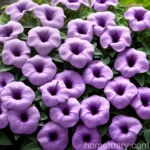
Petunia ‘Easy Wave Pink’ is a stunning cultivar known for its abundant, vibrant pink blossoms and its trailing growth habit. Classified as an annual flower, this plant is cherished for its continuous bloom throughout the growing season, making it a popular choice for beds, containers, and hanging baskets.
The Easy Wave series, which includes the ‘Easy Wave Pink’ variety, is recognized for its superior performance in various climates, its spreading nature, and its ability to withstand unpredictable weather conditions. This variety is characterized by its profusion of 2.5 to 3-inch wide blossoms, creating a visually captivating display.
Key Takeaways
- Plant Name: Petunia ‘Easy Wave Pink’
- Hardiness Zone: Suitable for a wide range of USDA hardiness zones, typically zones 4-11.
- Bloom Time: Its blooming period extends from spring through the first frost.
- Growth Habit: Trailing, spreading growth habit, ideal for cascading over containers and hanging baskets.
- Maintenance Level: Low to moderate maintenance requirements.
With its enchanting appearance and adaptability, Petunia ‘Easy Wave Pink’ has become a favorite among gardeners and landscapers alike.
Culture
Water
Petunia ‘Easy Wave Pink’ thrives when provided with consistent moisture. However, it is crucial to avoid overwatering, as this can lead to root rot and other water-related issues. In hot climates, frequent watering may be necessary to maintain soil moisture levels. The use of drip irrigation or soaker hoses can be an effective way to ensure that the plants receive adequate water without promoting foliage diseases.
Sunlight
Optimal sunlight is essential for the healthy growth and abundant blooming of Petunia ‘Easy Wave Pink’. It flourishes in full sun conditions, which typically equate to at least six hours of direct sunlight per day. In regions with extremely high temperatures, providing some afternoon shade can help prevent the plants from wilting or becoming stressed during the hottest parts of the day.
Fertilizer
Regular fertilization is key to promoting vigorous growth and prolific flowering in Petunia ‘Easy Wave Pink’. Throughout the growing season, a balanced, water-soluble fertilizer with a formulation such as 10-10-10 or 20-20-20 can be applied every two to three weeks. Alternatively, slow-release fertilizers can be incorporated into the soil at the time of planting to provide a steady nutrient supply over an extended period.
Soil
This variety of Petunia prefers well-draining, fertile soil with a slightly acidic to neutral pH (around 6.0 to 7.0). Amending the soil with organic matter such as compost or peat moss can enhance its texture and nutrient content, contributing to improved plant growth and overall performance.
Pruning
Periodic pruning is beneficial for Petunia ‘Easy Wave Pink’, helping to maintain its shape, remove spent flowers, and encourage continuous blooming. Deadheading, the removal of faded blossoms, prevents the formation of seed pods and redirects the plant’s energy towards producing new blooms. Additionally, selectively pruning unruly or excessively long stems can promote a more compact and tidy appearance.
Propagation
While Petunia ‘Easy Wave Pink’ is primarily propagated from seeds, it can also be propagated through stem cuttings to perpetuate specific traits or to increase the number of plants in a garden or landscape.
- Propagation from Seeds: Harvest seeds from mature blossoms and sow them indoors in early spring or directly in the garden after the last frost date. Lightly cover the seeds with soil, maintain adequate moisture, and provide warmth for germination, which typically occurs within one to two weeks.
- Propagation from Stem Cuttings: Take 3 to 4-inch long stem cuttings from healthy, actively growing plants. Remove the lower leaves, dip the cut end in a rooting hormone, and plant the cuttings in a well-draining rooting medium. Place the cuttings in a warm, humid environment and keep the soil consistently moist until roots develop.
Container Popularity
Given its trailing growth habit and versatility, Petunia ‘Easy Wave Pink’ is a popular choice for container gardening. Its cascading nature allows it to spill gracefully over the edges of containers, creating a visually striking display. Whether planted alone in a hanging basket or combined with other annuals in a mixed container, this variety adds a touch of elegance to any outdoor setting.
Container Gardening Tips
- Container Selection: Choose containers that are adequately sized to accommodate the mature spread of the plants, providing ample space for root development.
- Soil Considerations: Utilize well-draining, high-quality potting mix to support healthy growth and prevent waterlogging.
- Watering: Container-grown Petunia ‘Easy Wave Pink’ may require more frequent watering than those planted in the ground, so monitor soil moisture levels regularly.
- Fertilization: Apply a balanced liquid fertilizer according to the manufacturer’s instructions to support the plants’ nutrient needs during the growing season.
Common Diseases and Pest Control
Common Diseases
Petunias, including the ‘Easy Wave Pink’ variety, are susceptible to certain diseases, particularly those caused by fungi and bacteria. Common diseases that may affect Petunias include:
- Botrytis Blight: Also known as gray mold, this fungal disease can cause fuzzy, grayish growth on flowers and foliage, leading to wilting and decay.
- Powdery Mildew: This fungal infection presents as a powdery white or gray coating on the leaves and stems, potentially inhibiting photosynthesis and weakening the plant.
- Bacterial Leaf Spot: Characterized by dark, water-soaked spots on the leaves, this bacterial disease can lead to defoliation and reduced plant vigor.
Disease Diagnosis
Early detection and prompt treatment are crucial in managing and mitigating the impact of diseases on Petunia ‘Easy Wave Pink’ and other petunia varieties. Regular monitoring of the plants for the following symptoms can aid in timely intervention:
- Unusual discoloration or spots on the leaves
- Abnormal growths or lesions on the stems or flowers
- Premature wilting or drooping of foliage
- Powdery or fuzzy coatings on plant surfaces
Common Pests
In addition to diseases, Petunias are also susceptible to infestations by various pests, including:
- Aphids: These small, soft-bodied insects can congregate on new growth, causing distortion and yellowing of the leaves and the transmission of plant viruses.
- Spider Mites: These tiny arachnids often feed on the undersides of leaves, leading to stippling, discoloration, and webbing.
- Thrips: Thrips can cause stippling, browning, and distortion of flowers and foliage as they feed, potentially impacting the overall health and appearance of the plants.
Botanist’s Tips
To ensure the health and vitality of Petunia ‘Easy Wave Pink’, keep the following tips in mind:
- Regular Deadheading: Engage in frequent deadheading to prolong the blooming period and maintain the plants’ aesthetic appeal.
- Proper Watering: Strive to provide consistent moisture without overwatering, especially during warm weather.
- Sun Exposure: Position the plants in an area that receives ample sunlight to promote robust growth and abundant blossoms.
- Disease Prevention: Monitor the plants for signs of disease and promptly address any issues with suitable control measures.
Fun Facts
- Did you know that petunias belong to the Solanaceae family, which also includes tomatoes, potatoes, and peppers?
- Did you know that the word “petunia” is derived from a Native American term for tobacco, with which petunias share a botanical connection?
As we continue to explore the world of petunias and their remarkable attributes, it becomes clear that these plants have a rich history and a diverse array of captivating features.
Links to External Resources
For further information on Petunia ‘Easy Wave Pink’ and related topics, you may find the following resources valuable:
- American Society for the Prevention of Cruelty to Animals (ASPCA) Guide to Pet-Safe Gardening
- The National Gardening Association’s Plant Care Guides
- Royal Horticultural Society Plant Health Resource
- University Extension Services for Plant Disease and Pest Management
- Local Botanical Gardens and Arboretums for Plant Inspiration and Education
Incorporating insights from authoritative sources and engaging with local gardening communities can greatly enrich your understanding of petunias and their role in horticulture.
In this comprehensive guide, we have explored various facets of Petunia ‘Easy Wave Pink’, from its cultural requirements to its use in containers and its susceptibility to diseases and pests. By adhering to the recommendations outlined in this guide and staying attentive to the needs of these beautiful annual flowers, gardeners and plant enthusiasts can ensure the flourishing of Petunia ‘Easy Wave Pink’ in their outdoor spaces. Whether adorning a garden bed, adorning hanging planters, or augmenting a landscape design, these vibrant pink blossoms can impart an unparalleled charm to any setting.