All About Petunia ‘Supertunia Honey’
Petunias are a popular choice for gardens, containers, and hanging baskets, and for good reason – they are versatile, low-maintenance, and provide an explosion of color. In this blog post, we’ll delve into the world of Petunia ‘Supertunia Honey’, an exquisite variety that enthralls with its honey-colored blooms. From planting and caring for these stunning plants to understanding their growth habits and companion planting, we’ll cover it all.
What is Petunia ‘Supertunia Honey’?
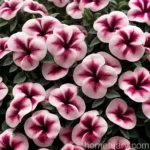
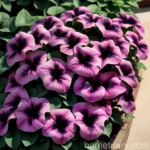
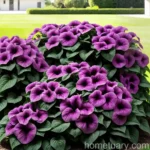
Petunia ‘Supertunia Honey’ is a delightful, trailing Petunia variety known for its abundant, honey-colored flowers and exceptional heat tolerance. The blooms are a luscious blend of soft yellows and warm oranges, creating a beautiful display that can elevate any outdoor space. This particular variety belongs to the Supertunia series, renowned for its vigorous growth and continuous blooming.
Key Takeaways
- Botanical Name: Petunia ‘Supertunia Honey’
- Common Name: Honey-colored Petunia
- Variety: Supertunia Honey
- Species: Petunia
- Color: Honey-colored blooms
Culture
Understanding the cultural requirements of Petunia ‘Supertunia Honey’ is pivotal for ensuring their optimal growth and performance. Let’s explore the key aspects of their culture.
Uses
The uses of Petunia ‘Supertunia Honey’ are diverse, making them a versatile addition to any garden or landscape. Here are some common uses:
- Groundcover: With their trailing habit, ‘Supertunia Honey’ can be used effectively as a groundcover, forming a colorful carpet of blooms.
- Hanging Baskets: Their cascading nature makes them perfect for hanging baskets, where their vibrant blooms spill over the edges, creating a stunning visual impact.
- Containers: These Petunias thrive in containers, adding charm to patios, balconies, and other outdoor spaces.
- Border Plant: Utilize them as border plants to delineate garden beds or pathways.
Water
Proper watering is vital for the health and vitality of Petunia ‘Supertunia Honey’. These plants prefer consistently moist, well-drained soil, but they are also relatively drought-tolerant once established. However, during hot and dry periods, regular watering is necessary to support continuous blooming.
- Frequency: Water deeply when the top inch of soil feels dry.
- Avoid Overwatering: While they appreciate moisture, water stagnation can lead to root rot, so ensure that the soil drains well.
- Mulching: Adding a layer of mulch around the plants can help retain soil moisture and regulate the soil temperature.
Sunlight
Petunia ‘Supertunia Honey’ thrives in full sun, requiring at least 6 to 8 hours of direct sunlight daily. Adequate sun exposure is paramount for robust growth and profuse flowering. In locations with intense afternoon sun and heat, providing some afternoon shade can be beneficial.
- Optimal Position: Choose a sunny spot for planting ‘Supertunia Honey’, ensuring they receive sufficient sunlight throughout the day.
- Artificial Light: In regions with limited sunlight, supplemental artificial lighting can be employed to meet their light requirements.
Fertilizer
Proper nutrition is essential for the development of vibrant and healthy blooms. Employing a well-balanced fertilizer regimen can greatly enhance the performance of Petunia ‘Supertunia Honey’.
- Slow-Release Fertilizer: Incorporate a slow-release, balanced fertilizer into the soil at the time of planting to provide a steady supply of nutrients.
- Regular Feeding: Throughout the growing season, feed the plants with a water-soluble fertilizer every 2-3 weeks to support continuous flowering.
- Avoid Overfeeding: While proper feeding is beneficial, avoid over-fertilizing as it can lead to excessive foliage growth at the expense of blooms.
Soil
The soil composition greatly influences the overall health and growth of Petunia ‘Supertunia Honey’. They thrive in well-draining, fertile soil with a slightly acidic to neutral pH.
- Composition: A light, loamy soil with good drainage is ideal for these Petunias. Amending heavy clay soils with organic matter can improve drainage and fertility.
- Soil pH: Aim for a pH range of 5.5 to 7.0 for optimal growth.
- Soil Testing: Periodic soil testing can help in determining the pH and nutrient levels, allowing for targeted soil amendments.
Pruning
Regular pruning and deadheading can invigorate Petunia ‘Supertunia Honey’, encouraging continuous blooming and maintaining a tidy appearance.
- Deadheading: Remove spent blooms to stimulate the production of new flowers and prevent the formation of seeds, which can redirect the plant’s energy.
- Pruning: Periodic light pruning can help control the plant’s size and shape, especially in container plantings and hanging baskets.
Propagation
Propagation Methods
Propagating Petunia ‘Supertunia Honey’ can be accomplished through several methods, allowing for the expansion of your plant collection.
- Stem Cuttings: Utilize stem cuttings to propagate new plants. Select healthy, non-flowering stems and root them in a well-draining rooting medium.
- Division: Divide mature plants to create new specimens. This method can rejuvenate older plants and promote vigorous growth.
Container Popularity
Petunia ‘Supertunia Honey’ is exceedingly popular for container gardening, contributing to its widespread appeal among gardening enthusiasts. The trailing habit, vibrant blooms, and minimal maintenance requirements make them an ideal choice for container plantings.
Container Selection
When selecting containers for ‘Supertunia Honey’, consider the following factors:
- Size: Opt for adequately sized containers that provide ample room for root development and accommodate the trailing growth habit of these Petunias.
- Drainage: Ensure that the containers feature adequate drainage holes to prevent waterlogging.
- Material: Select containers made from materials such as terracotta, plastic, or fiberglass, considering their durability and water retention properties.
Container Care
Proper care is essential for container-grown Petunia ‘Supertunia Honey’ to ensure their health and vigor.
- Watering: Monitor the moisture levels regularly and adjust the watering frequency based on environmental conditions.
- Fertilization: Provide regular feedings with a balanced, water-soluble fertilizer to replenish the nutrients in the container soil.
- Maintenance: Periodically assess the plants for signs of overcrowding and perform necessary repotting to maintain their health.
Common Diseases
While Petunia ‘Supertunia Honey’ is relatively resilient, they can be susceptible to certain diseases, which necessitates vigilant monitoring and prompt intervention.
Disease Diagnosis
Common diseases that may affect Petunia ‘Supertunia Honey’ include:
- Botrytis Blight: Characterized by gray mold on the foliage and flowers, particularly in humid conditions.
- Powdery Mildew: Evident as a white, powdery growth on the leaves, often due to poor air circulation.
- Root Rot: Excessive soil moisture can lead to root rot, resulting in wilted foliage and stunted growth.
Disease Management
Employing proactive measures can effectively manage and mitigate the impact of diseases on ‘Supertunia Honey’.
- Cultural Practices: Enhance air circulation by spacing the plants adequately and promoting good ventilation.
- Sanitation: Remove and dispose of infected plant parts to prevent the spread of diseases.
- Fungicidal Treatments: In severe cases, application of suitable fungicides can be considered, following the product’s instructions diligently.
Common Pests
Various pests can pose a threat to Petunia ‘Supertunia Honey’, potentially compromising their health and appearance.
Pest Identification
Be on the lookout for the following common pests:
- Aphids: These small, sap-sucking insects can distort new growth and excrete honeydew, leading to sooty mold formation.
- Spider Mites: Visible as tiny, web-spinning mites, they can cause stippling on the foliage and weaken the plants.
- Thrips: Thrips can cause silvery streaks or stippling on the leaves and may transmit viral diseases to the plants.
Pest Control
Implementing effective pest control measures can safeguard ‘Supertunia Honey’ from infestations.
- Natural Predators: Encourage beneficial insects such as ladybugs and lacewings to naturally control pest populations.
- Horticultural Oils: Use horticultural oils to suffocate and control soft-bodied pests such as aphids and spider mites.
- Insecticidal Soap: Application of insecticidal soap can effectively manage thrips and aphids, minimizing their impact on the plants.
Botanist’s Tips
As a botanist, here are some key insights and tips for cultivating and enjoying Petunia ‘Supertunia Honey’:
- Companion Plants: Pair ‘Supertunia Honey’ with complementary plants such as Bacopa, Verbena, and Calibrachoa for stunning mixed plantings.
- Pollinator Attraction: The abundant blooms of ‘Supertunia Honey’ are a magnet for pollinators, contributing to the overall biodiversity of the garden.
- Seasonal Care: During periods of extreme heat, provide additional shade and moisture to prevent stress on the plants.
Fun Facts
Uncover some fascinating and lesser-known facts about Petunia ‘Supertunia Honey’:
- Hybrid Origin: ‘Supertunia Honey’ is a hybrid Petunia variety, bred for its vigorous growth and captivating floral display.
- Continuous Blooming: These Petunias have the remarkable ability to bloom continuously throughout the growing season, providing enduring beauty.
Links to External Resources
Expand your knowledge and delve deeper into the world of Petunia ‘Supertunia Honey’ with these valuable external resources:
- Petunia – University of Florida, IFAS Extension
- Petunia Basics – The Ohio State University Extension
- Petunia Care Guide – Royal Horticultural Society
- Container Gardening with Petunias – University of Illinois Extension
- Petunia Diseases – University of California Agriculture and Natural Resources
- Common Flower Pests – Clemson Cooperative Extension
In conclusion, Petunia ‘Supertunia Honey’ holds an esteemed position in the realm of ornamental plants, captivating gardeners and enthusiasts with its exquisite beauty and unrivaled charm. By understanding and implementing the appropriate care practices, you can cultivate thriving ‘Supertunia Honey’ specimens, enriching your outdoor spaces with their radiant blooms and trailing allure.