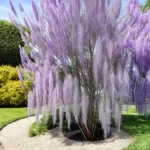
Salix ‘Golden Curls’ (Willow) – A Comprehensive Guide
Introduction
Plants are not just a source of beauty in our surroundings, but they also play a crucial role in maintaining the ecological balance. Among the various types of plants, the Salix ‘Golden Curls’ (Willow) stands out for its unique characteristics and versatile uses in landscaping and horticulture. In this comprehensive guide, we will delve into the intricate details of this remarkable plant, exploring its cultural requirements, uses, propagation, common diseases, and much more.
What is Salix ‘Golden Curls’ (Willow)?
The Salix ‘Golden Curls’, commonly known as Golden Curls Willow, is a striking deciduous shrub with curly golden yellow branches. It is a cultivar of the willow species, known for its ornamental appeal and adaptability to various growing conditions. This cultivar is renowned for its distinctive foliage and graceful appearance, making it a popular choice for gardens, landscapes, and horticultural projects.
Key Takeaways – Salix ‘Golden Curls’ (Willow)
Before we delve into the specific details of the Salix ‘Golden Curls’ (Willow), let’s take a moment to highlight some key takeaways about this extraordinary plant:
Salix ‘Golden Curls’ Description
- Golden Curls Willow is a deciduous shrub with distinctive curled golden-yellow branches.
- Its foliage is narrow and elongated, adding an elegant touch to any landscape.
Characteristics of Salix ‘Golden Curls’
- Ornamental appeal due to unique foliage and branch structure.
- Adaptable to various soil types and environmental conditions.
Uses of Salix ‘Golden Curls’ in Landscaping
- Ideal for adding a focal point or accent in gardens or landscape designs.
- Suitable for erosion control and creating privacy screens.
Salix ‘Golden Curls’ Care Tips
- Requires regular watering, especially during the establishment phase.
- Pruning is essential to maintain its shape and vigor.
Growing and Propagating Salix ‘Golden Curls’
- Can be propagated through hardwood cuttings or by division.
- Exhibits robust growth when provided with suitable growing conditions.
Disease Resistance and Common Pests
- Demonstrates good resistance to diseases, but may be susceptible to certain pests.
- Regular monitoring and suitable pest control measures are crucial for maintaining its health.
Landscape Design and Companion Plants
- Complements a variety of landscape styles, including traditional and Japanese garden designs.
- Selecting suitable companion plants can enhance its visual appeal and ecological benefits.
Environmental Benefits and Maintenance
- Contributes to wildlife habitats and provides numerous environmental benefits.
- Regular maintenance, including mulching and fertilization, supports its long-term health.
Now that we have a broad perspective on the key aspects of Salix ‘Golden Curls’ (Willow), let’s explore each of these facets in greater detail.
Salix ‘Golden Curls’ (Willow) Cultivation
The successful cultivation of Salix ‘Golden Curls’ relies on a comprehensive understanding of its unique cultural requirements. From water and sunlight preferences to soil and fertilizer needs, providing the right growing conditions is essential for the optimal growth and development of this remarkable plant.
Water
Water Requirements
- Establishment Phase: During the initial establishment phase, Golden Curls Willow requires regular watering to ensure adequate moisture for root development.
- Mature Plants: Once established, it exhibits good drought tolerance but benefits from occasional deep watering during prolonged dry periods.
Watering Tips
- Moderation is Key: Avoid overwatering, as excessive moisture can lead to root rot and other water-related issues.
- Mulching: Applying a layer of organic mulch around the base of the plant helps in moisture retention and reduces water requirements.
Sunlight
Sun Exposure Preferences
- Full Sun to Partial Shade: Golden Curls Willow thrives in a range of light conditions, including full sun to partial shade.
- Optimal Sunlight: While it tolerates partial shade, providing it with ample sunlight enhances its foliage color and overall vigor.
Sunlight Tips
- Site Selection: Choose a location that offers the right balance of sunlight and shade based on the local climate and environmental factors.
- Seasonal Considerations: Monitor sun exposure based on seasonal changes to provide suitable conditions throughout the year.
Fertilizer
Nutrient Requirements
- Moderate Feeders: Golden Curls Willow benefits from a balanced fertilizer application during the growing season to support healthy growth.
- Micronutrient Consideration: Regular soil testing helps in identifying any specific nutrient deficiencies that may impact the plant’s vigor.
Fertilizing Tips
- Slow-Release Fertilizers: Consider using slow-release or organic fertilizers to provide a steady supply of nutrients over an extended period.
- Avoid Excesses: Carefully follow recommended application rates to prevent over-fertilization, which can be detrimental to the plant’s health.
Soil
Soil Preferences
- Well-Drained Soil: Golden Curls Willow thrives in well-drained soil with a slightly acidic to neutral pH range.
- Soil Types: While it adapts to various soil types, it performs best in loamy or sandy soils with good drainage.
Soil Preparation Tips
- Amending Soil: Incorporating organic matter into the soil improves its structure and fertility, promoting healthier root development.
- Drainage Considerations: In heavy clay soils, amending with organic matter and creating raised planting beds can enhance drainage.
Pruning Salix ‘Golden Curls’ (Willow)
Pruning is an essential aspect of maintaining the shape, health, and aesthetic appeal of Salix ‘Golden Curls’ (Willow). Proper pruning practices help in controlling its growth, promoting new foliage development, and rejuvenating older branches. It also plays a crucial role in shaping the plant to suit specific landscape or garden designs.
Pruning Guidelines
- Winter Pruning: Conduct major pruning during the dormant season to remove dead or damaged branches and shape the plant.
- Spring Maintenance: In early spring, prune to promote new growth and maintain the desired form and size.
Pruning Techniques
- Crown Thinning: Remove selected branches to improve air circulation and reduce the risk of disease and pest infestation.
- Size Control: Regularly trim back excessive growth to manage the plant’s size and prevent it from becoming overgrown.
Pruning Tips
- Prune Conservatively: Avoid excessive pruning, especially during the growing season, as it can stress the plant and impact its vigor.
- Sanitization: Use clean, sharp pruning tools to make precise cuts, reducing the risk of disease transmission and promoting faster healing.
Propagating Salix ‘Golden Curls’ (Willow)
The propagation of Salix ‘Golden Curls’ can be achieved through several methods, including hardwood cuttings and division. Whether you intend to expand your plant collection or share this remarkable cultivar with fellow gardening enthusiasts, understanding the propagation techniques is essential for successful cultivation.
Propagation Methods
Hardwood Cuttings
- Timing: Collect hardwood cuttings in late winter to early spring when the plant is dormant but displaying signs of new growth.
- Preparation: Select healthy, disease-free branches and prepare cuttings of suitable length with at least two nodes.
Division
- Mature Plants: Divide established clumps of Golden Curls Willow in early spring to create new plantings or rejuvenate existing ones.
- Root Division: Carefully separate the root mass into distinct sections, ensuring each division has viable roots and shoots for successful establishment.
Propagation Tips
- Rooting Hormones: When propagating through hardwood cuttings, using a rooting hormone can promote faster and more reliable root development.
- Cultural Conditions: Provide consistent moisture and moderate shading for newly propagated cuttings or divisions to support their establishment.
Container Cultivation of Salix ‘Golden Curls’ (Willow)
While Salix ‘Golden Curls’ is often grown in garden beds and landscapes, it also adapts well to container cultivation. This versatility makes it an attractive option for individuals with limited garden space or those looking to incorporate its ornamental charm in diverse horticultural settings.
Container Selection
- Size Considerations: Choose large, sturdy containers with adequate drainage holes to accommodate the plant’s root system and prevent waterlogging.
- Material Choice: Opt for durable, weather-resistant containers that complement the plant’s aesthetic appeal and provide a stable growing environment.
Container Care
- Watering: Container-grown Golden Curls Willow may require more frequent watering, especially during hot and dry periods, to maintain optimal moisture levels.
- Fertilization: Use a balanced liquid fertilizer during the growing season to supply essential nutrients to the plant in the limited root space.
Pruning and Maintenance
- Size Management: Regular pruning helps control the plant’s size and shape to prevent it from outgrowing the container.
- Soil Monitoring: Check the container soil regularly to ensure it remains well-drained and healthy for the plant’s growth.
Popularity of Salix ‘Golden Curls’ (Willow)
The unique beauty and versatile nature of Salix ‘Golden Curls’ have contributed to its popularity among gardeners, landscapers, and horticulture enthusiasts. Its remarkable foliage, adaptability to diverse growing conditions, and numerous landscape applications have elevated its status as a sought-after plant for various projects and gardening endeavors.
Horticultural Appeal
- Ornamental Significance: The distinctive golden-yellow foliage and twisted branches make Golden Curls Willow a standout feature in any landscape, adding visual interest and charm.
- Versatile Use: From individual specimens to mixed shrub borders, this cultivar offers a range of horticultural applications, enhancing its appeal to a broad audience of plant enthusiasts.
Landscape Design
- Focal Point Planting: Incorporating Golden Curls Willow as a focal point in garden designs and landscape compositions draws attention and creates captivating visual accents.
- Artistic Complement: Its unique form and coloration provide an artistic contrast with surrounding plants, structures, and garden elements, enriching the overall design aesthetics.
Environmental Impact
- Wildlife Habitat: The plant’s foliage and structure attract various beneficial insects and birds, contributing to the ecological balance in garden and natural settings.
- Erosion Control: Its adaptability to moist soil and root development make it a suitable choice for controlling erosion along water bodies and slopes.
Common Diseases of Salix ‘Golden Curls’ (Willow)
While Salix ‘Golden Curls’ exhibits good disease resistance, it may still be susceptible to certain fungal, bacterial, and environmental issues. Understanding the common diseases and their preventive measures is essential in maintaining the plant’s health and vitality.
Disease Diagnosis
- Fungal Diseases: Watch for signs of leaf spot, powdery mildew, and rust, which can occur under prolonged periods of high humidity and poor air circulation.
- Bacterial Issues: Bacterial blight and canker diseases may manifest as leaf lesions, wilting, or dieback, often linked to environmental stress and injuries.
Disease Prevention
- Cultural Practices: Pruning to enhance air circulation, proper watering, and adequate spacing between plants help minimize fungal and bacterial disease risks.
- Sanitation: Remove and destroy infected plant debris, and regularly clean tools and equipment to prevent disease spread.
Common Pests Affecting Salix ‘Golden Curls’ (Willow)
In addition to diseases, certain pests may pose a threat to the health and vigor of Salix ‘Golden Curls’. Vigilance and appropriate pest management strategies are crucial in preserving the plant’s vitality and ornamental appeal.
Pest Identification
- Aphids and Scale Insects: These sap-feeding insects may infest the foliage and stems, causing wilting, leaf distortion, and honeydew secretion.
- Caterpillars: Certain moth and butterfly larvae may feed on the foliage, leading to defoliation and aesthetic damage to the plant.
Pest Control Measures
- Biological Control: Encourage natural predators such as ladybugs and lacewings to feed on aphids and scale insects to regulate their populations.
- Horticultural Oils: Applying horticultural oils or insecticidal soaps can effectively manage soft-bodied pests while minimizing impact on beneficial insects.
Botanist’s Tips for Salix ‘Golden Curls’ (Willow) Care
As a botanist specializing in ornamental plants, I have witnessed the remarkable qualities of Salix ‘Golden Curls’ (Willow) in various horticultural settings. Here are some expert tips to ensure the successful cultivation, maintenance, and appreciation of this exceptional plant:
Vigilance and Observation
- Monitor Growing Conditions: Regularly assess the plant’s health, growth patterns, and environmental interactions to detect any issues or changes promptly.
- Seasonal Considerations: Recognize the plant’s seasonal changes in foliage color, growth habits, and adaptation to different environmental conditions.
Sustainable Landscape Integration
- Ecological Benefits: Emphasize the plant’s role in supporting local wildlife, contributing to biodiversity, and enhancing the ecological balance in garden and natural ecosystems.
- Water Conservation: Incorporate Golden Curls Willow in water-wise landscape designs to minimize water usage and promote sustainable gardening practices.
Aesthetic Enhancements
- Color Harmony: Explore the plant’s color potential in garden compositions, considering complementary and contrasting foliage and flower palettes for visual impact.
- Structural Contrast: Utilize its unique branch structure and growth habit to create dynamic contrasts and sculptural elements in garden designs and landscape features.
Holistic Plant Care
- Soil Health: Emphasize soil management and the importance of healthy root development for the overall vigor and longevity of the plant.
- Long-Term Vision: Consider the plant’s growth potential and long-term care requirements in landscape planning, ensuring its suitability for the intended environment.
Fun Facts about Salix ‘Golden Curls’ (Willow)
Surprising and delightful, here are some intriguing and lesser-known facts about Salix ‘Golden Curls’ (Willow) that showcase its captivating nature and botanical fascination:
- Cultural Significance: Willows, including the Golden Curls variety, hold symbolic and ritualistic importance in various cultures, often associated with themes of flexibility, growth, and renewal.
- Medicinal Uses: Some willow species, including Salix ‘Golden Curls’, contain salicylic acid, a compound with historical and contemporary medicinal applications for pain relief and anti-inflammatory purposes.
- Eco-friendliness: The fast growth rate and extensive root system of willows contribute to soil stabilization, making them an excellent choice for erosion control and watershed protection.
- Artistic Inspiration: The sinuous form and vibrant coloration of Golden Curls Willow have inspired artists and designers, appearing in traditional and contemporary artworks and garden designs.
- Habitat Diversity: Willows, including the ‘Golden Curls’ variety, serve as primary or supporting elements in wildlife habitats, providing shelter, food, and nesting sites for various species.
Links to External Resources
As we conclude this comprehensive guide to Salix ‘Golden Curls’ (Willow), further exploration of its cultivation, uses, and ecological significance can be enriched by referencing reputable external resources and expert insights. Here are some valuable links to external resources and institutions dedicated to ornamental horticulture, ecology, and plant science:
-
Royal Horticultural Society (RHS) – The authoritative source for gardening and horticultural information, offering plant profiles, cultivation advice, and horticultural research.
-
The Morton Arboretum – A leading institution focused on tree science, conservation, and education, providing in-depth resources and expertise on willow species and ornamental shrubs.
-
American Society of Landscape Architects (ASLA) – Access a wealth of design resources, sustainable landscape practices, and innovative landscape architecture insights relevant to Golden Curls Willow and ornamental plantings.
-
Missouri Botanical Garden – Explore comprehensive plant databases, educational resources, and botanical expertise relating to ecological landscaping, plant diversity, and conservation.
-
University Extension Services – Utilize the extensive gardening and landscaping resources offered by various university extension services, including expert articles, fact sheets, and regional plant recommendations.
In addition to these resources, consider visiting local botanical gardens, arboreta, and nurseries to gather firsthand knowledge and appreciation for Salix ‘Golden Curls’ and its horticultural significance.
In summary, the Salix ‘Golden Curls’ (Willow) stands as a remarkable example of nature’s beauty and adaptability, offering a myriad of horticultural, ecological, and aesthetic benefits. Its distinctive foliage, cultural significance, and diverse landscape applications make it a standout choice for plant enthusiasts, aspiring gardeners, and landscape professionals alike. By understanding its cultivation, characteristics, and environmental contributions, we can embrace this exceptional plant as a symbol of resilience, artistry, and natural inspiration in our living landscapes.
Thank you for joining me on this journey of discovery and appreciation for Salix ‘Golden Curls’ (Willow).