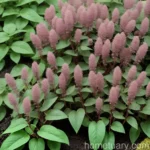
What is Persicaria microcephala ‘Red Dragon’ (Knotweed)
Persicaria microcephala ‘Red Dragon’, also known as Knotweed ‘Red Dragon’, is a stunning ornamental plant that is valued for its vibrant foliage and impressive growth habit. This plant is highly favored by gardeners and landscaping enthusiasts for its colorful and eye-catching appearance. In this comprehensive guide, we will explore the key aspects of caring for Persicaria microcephala ‘Red Dragon’, including its culture, uses, water and sunlight requirements, fertilizer needs, soil preferences, pruning techniques, propagation methods, and its popularity in container gardening. Additionally, we will delve into common diseases and pests that affect this plant, along with botanist’s tips, fun facts, and external resources for further information.
Key Takeaways – Persicaria microcephala ‘Red Dragon’
- Botanical Name: Persicaria microcephala ‘Red Dragon’
- Common Name: Knotweed ‘Red Dragon’
- Characteristics: Vibrant red and green foliage, clump-forming growth habit, herbaceous perennial
- Uses: Ornamental purposes, landscaping, container gardening
- Sunlight Requirements: Partial shade to full sun
- Water Needs: Average water needs, consistent moisture preferred
- Soil Preferences: Well-draining, fertile soil
- Hardiness Zone: USDA Zones 5-9
- Common Pests: Slugs, snails
- Common Diseases: Powdery mildew
- Popularity: Widely used in landscaping and gardens
Now, let’s delve deeper into the various facets of caring for Persicaria microcephala ‘Red Dragon’ in order to ensure its optimal growth and health.
Culture
Persicaria microcephala ‘Red Dragon’ is a herbaceous perennial plant that is cultivated for its striking foliage and decorative appeal. This plant is known for its vigorous growth habit and is often utilized in landscaping and ornamental gardens to add a touch of vibrancy and texture. The culture of Persicaria microcephala ‘Red Dragon’ encompasses various aspects, including its water and sunlight requirements, soil preferences, and its uses in different settings.
Uses
Persicaria microcephala ‘Red Dragon’ is primarily used for ornamental and landscaping purposes. The plant’s vibrant foliage and clump-forming growth habit make it an ideal choice for adding visual interest to gardens, borders, and mixed perennial beds. Additionally, its attractive appearance and hardiness make it suitable for container gardening, where it can be showcased on patios, decks, or balconies. The plant’s versatility and aesthetic appeal contribute to its popularity among gardeners and landscape architects.
Water
Proper watering is essential for the healthy growth and development of Persicaria microcephala ‘Red Dragon’. While this plant is known to be relatively drought-tolerant once established, it thrives best with consistent moisture and well-drained soil.
- Water Requirements: Average water needs
- Preferred Moisture Levels: Consistent moisture
- Irrigation: Water deeply but infrequently
- Avoid Overwatering: Ensure proper drainage to prevent waterlogging
- Monitor Moisture Levels: Check soil moisture regularly, especially during hot and dry periods
- Mulching: Apply mulch around the plant to retain soil moisture
By providing adequate water and monitoring moisture levels, gardeners can support the healthy growth and vigor of Persicaria microcephala ‘Red Dragon’.
Sunlight
The sunlight requirements of Persicaria microcephala ‘Red Dragon’ play a significant role in its overall health and appearance. Understanding the plant’s preferences for light exposure is essential for determining the most suitable location for its cultivation.
- Sun Exposure: Partial shade to full sun
- Ideal Conditions: Partial shade with some direct sunlight
- Avoid Extreme Heat: Provide protection from intense midday sun in hotter climates
- Morning Sun: Morning sunlight is beneficial for promoting vibrant foliage colors
Fertilizer
Fertilization is an important aspect of caring for Persicaria microcephala ‘Red Dragon’, as it contributes to the plant’s nutrient uptake and overall vitality. Selecting the right type of fertilizer and applying it at the appropriate times can enhance the plant’s growth and ornamental qualities.
- Fertilizer Type: Balanced, all-purpose fertilizer
- Application Timing: Apply in early spring before new growth emerges
- Frequency: Fertilize once a year or as needed
- Avoid Overfertilizing: Follow recommended dosage to prevent fertilizer burn
- Even Distribution: Ensure even distribution of fertilizer around the plant’s root zone
- Organic Options: Consider organic fertilizers for sustainable and eco-friendly practices
By providing adequate nutrients through proper fertilization, gardeners can support the vigorous growth and stunning foliage display of Persicaria microcephala ‘Red Dragon’.
Soil
The soil preferences of Persicaria microcephala ‘Red Dragon’ are an important consideration for its successful cultivation. The plant thrives in well-draining, fertile soil that offers the necessary support and nutrients for its growth.
- Soil Type: Well-draining, loamy soil
- Soil pH: Neutral to slightly acidic (pH 6.0-7.0)
- Amendments: Incorporate organic matter such as compost or peat moss to improve soil structure
- Avoid Waterlogging: Ensure proper drainage to prevent waterlogged conditions
- Soil Testing: Periodic soil testing can help determine nutrient levels and pH balance
- Container Growing: Use high-quality potting mix for container cultivation
Understanding and meeting the soil requirements of Persicaria microcephala ‘Red Dragon’ is crucial for establishing an optimal growing environment for the plant.
Pruning
Pruning is an essential aspect of maintaining the appearance and vigor of Persicaria microcephala ‘Red Dragon’. Regular pruning helps control the plant’s growth, remove damaged or discolored foliage, and promote a tidy and compact habit.
- Pruning Time: Early spring or late winter
- Deadheading: Remove spent flowers to encourage continuous blooming
- Trimming Overgrowth: Trim back excessive or leggy growth to maintain a neat form
- Sterilize Tools: Use clean and sharp pruning tools to prevent disease transmission
- Pruning Techniques: Cut back stems to a desired length, removing any diseased or weak growth
- Prune for Structure: Shape the plant to enhance its aesthetic appeal and overall health
By practicing regular and targeted pruning, gardeners can enhance the visual appeal and longevity of Persicaria microcephala ‘Red Dragon’ in garden and landscape settings.
Propagation
Propagation of Persicaria microcephala ‘Red Dragon’ can be achieved through several methods, including division, stem cuttings, and seeds. Each propagation technique offers unique advantages and considerations for successfully multiplying the plant.
- Division: Divide mature clumps in early spring to create new plants
- Stem Cuttings: Take stem cuttings from healthy growth in late spring or early summer
- Seed Propagation: Collect and sow seeds in a suitable growing medium for new plant development
- Rooting Hormone: Use rooting hormone for enhancing the success of stem cuttings
- Propagation Environment: Provide warmth and humidity for cuttings and seedlings
- Care for Young Plants: Ensure proper care and monitoring of propagated plants for establishment
Understanding the various propagation methods allows gardeners to expand their collection of Persicaria microcephala ‘Red Dragon’ and share the plant’s beauty with others.
Container Popularity
Persicaria microcephala ‘Red Dragon’ is highly favored for container gardening, owing to its compact growth habit and stunning foliage display. The plant’s versatility and ornamental qualities make it an ideal choice for enlivening outdoor spaces and creating captivating focal points.
- Container Selection: Choose spacious and well-draining containers
- Potting Mix: Use high-quality potting mix with added organic matter for nutrients
- Drainage: Ensure adequate drainage holes at the base of the container
- Watering Needs: Monitor soil moisture and water consistently to prevent drying out
- Sunlight: Position containers in locations that offer the preferred sunlight exposure
- Decorative Appeal: Utilize Persicaria microcephala ‘Red Dragon’ to add color and texture to outdoor living areas
The popularity of Persicaria microcephala ‘Red Dragon’ in container gardening reflects its appeal and suitability for diverse outdoor settings.
Common Diseases
Persicaria microcephala ‘Red Dragon’ is generally resilient to pests and diseases, but it may encounter certain issues under unfavorable growing conditions. Understanding common diseases and their diagnosis is essential for implementing effective management strategies.
Disease Diagnosis
- Powdery Mildew: White powdery spots on foliage, reduced plant vigor
- Preventive Measures: Provide good air circulation, avoid overhead watering, and monitor humidity levels
- Treatment: Use fungicidal sprays and prune affected foliage as necessary
- Early Intervention: Address powdery mildew promptly to prevent spread and recurrence
By recognizing potential diseases and symptoms, gardeners can take proactive steps to protect Persicaria microcephala ‘Red Dragon’ from detrimental effects on its health and appearance.
Common Pests
While Persicaria microcephala ‘Red Dragon’ is relatively resistant to pest infestations, it may occasionally attract certain garden pests. Vigilance and prompt action can help mitigate the impact of common pests on the plant.
- Slugs and Snails: Feeding damage on foliage, especially young and tender growth
- Preventive Measures: Use physical barriers, such as copper tape, to deter slugs and snails
- Natural Predators: Encourage natural predators, such as birds and frogs, for biological control
- Manual Removal: Handpick and remove slugs and snails from the vicinity of the plant
- Avoid Excessive Mulch: Reduce excess mulch that provides hiding places for pests
By implementing integrated pest management practices, gardeners can safeguard Persicaria microcephala ‘Red Dragon’ from pest-related issues while minimizing the need for chemical interventions.
Botanist’s Tips
Here are some valuable tips from botanists and horticulturists for successfully growing and maintaining Persicaria microcephala ‘Red Dragon’:
- Regular Monitoring: Check the plant regularly for signs of stress, pests, or diseases
- Mulching Benefits: Apply organic mulch to conserve soil moisture and suppress weed growth
- Promote Biodiversity: Incorporate Persicaria microcephala ‘Red Dragon’ in mixed plantings for a dynamic landscape
- Pruning Guidance: Prune the plant in early spring to promote fresh growth and enhance its form
- Soil Health: Maintain soil fertility and structure through organic amendments and periodic testing
- Companion Planting: Select compatible companion plants that complement the colors and characteristics of Persicaria microcephala ‘Red Dragon’
By heeding these expert recommendations, gardeners can optimize the cultivation and care of Persicaria microcephala ‘Red Dragon’ for outstanding results in garden and landscape settings.
Fun Facts
Discover some intriguing and delightful facts about Persicaria microcephala ‘Red Dragon’:
- The plant’s botanical name, Persicaria microcephala, reflects its distinctive features and growth characteristics as a member of the genus Persicaria.
- Red Dragon is renowned for its vibrant and variegated foliage, which showcases shades of red, pink, green, and cream, adding an enchanting element to gardens.
- This ornamental perennial is a magnet for pollinators, including bees and butterflies, contributing to the biodiversity and ecological value of garden landscapes.
- In addition to its ornamental appeal, Persicaria microcephala ‘Red Dragon’ offers low maintenance requirements, making it an accessible choice for both experienced and novice gardeners.
- The plant’s resilience and adaptability make it well-suited for diverse climatic conditions and growing environments, showcasing its versatility in various landscapes.
These fun facts provide a deeper appreciation for the charm and allure of Persicaria microcephala ‘Red Dragon’, further highlighting its appeal as a beloved ornamental plant.
Links to External Resources
For further information on Persicaria microcephala ‘Red Dragon’, consider exploring the following external resources:
- Royal Horticultural Society – Persicaria microcephala ‘Red Dragon’
- Missouri Botanical Garden – Knotweed ‘Red Dragon’
- University of Florida IFAS Extension – Red Dragon Knotweed
These reputable sources offer valuable insights, cultivation guidelines, and additional perspectives on the care and cultivation of Persicaria microcephala ‘Red Dragon’, enriching the understanding and appreciation of this captivating ornamental plant.
By delving into the various aspects of Persicaria microcephala ‘Red Dragon’, from its cultural requirements to its ornamental appeal and maintenance tips, gardeners and plant enthusiasts can gain comprehensive knowledge for successfully growing, enjoying, and showcasing this striking plant in diverse garden and landscape settings. The plant’s distinctive foliage, adaptability, and vivid presence make it a captivating addition to outdoor spaces, enhancing the visual charm and vitality of gardens, container displays, and mixed plantings. With a focus on attentive care, prudent maintenance practices, and an understanding of its unique attributes, Persicaria microcephala ‘Red Dragon’ can thrive and enchant with its radiant allure, embodying the beauty and allure of ornamental plants in horticulture and landscaping.