Plant Name: Mountain Fleece (Persicaria virginiana Compton’s Form)
Mountain fleece, known scientifically as Persicaria virginiana Compton’s Form, is a delightful and versatile perennial plant that has been cherished by gardeners for generations. Its graceful appearance, easy maintenance, and adaptability make it a wonderful addition to any landscape. In this comprehensive guide, we will explore the various aspects of cultivating and caring for mountain fleece, from its cultural requirements to common diseases and pests. Whether you are a seasoned gardener or a novice enthusiast, this guide will provide you with valuable insights into the world of mountain fleece and how to cultivate this beautiful plant successfully.
What is Plant Mountain Fleece (Persicaria virginiana Compton’s Form)?
Persicaria virginiana, commonly known as mountain fleece, is a species of perennial flowering plant belonging to the Polygonaceae family. It is native to North America and is widely admired for its ornamental value in garden settings. The Compton’s Form variety is a specific cultivar that exhibits unique characteristics, including its vibrant foliage and stunning flower spikes.
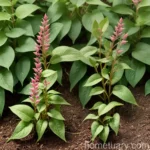
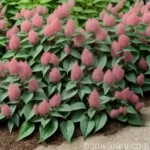
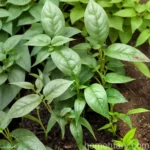
Mountain fleece plants are known for their slender, lance-shaped leaves and upright growth habit, reaching a height of 2 to 3 feet with a spread of 1.5 to 2 feet. The foliage typically displays a striking combination of green and silver markings, adding an attractive contrast to the garden landscape. When in bloom, mountain fleece produces slender spikes of small, pinkish-white flowers, which further enhance its visual appeal.
Key Takeaways – Mountain Fleece (Persicaria virginiana Compton’s Form)
Before delving into the specific aspects of cultivating and caring for mountain fleece, let’s outline the key takeaways associated with this delightful plant:
- Scientific Name: Persicaria virginiana Compton’s Form
- Family: Polygonaceae
- Common Name: Mountain Fleece
- Plant Type: Perennial
- Mature Height: 2-3 feet
- Mature Spread: 1.5-2 feet
- Foliage: Green with Silver Markings
- Flower Color: Pinkish-White
- Cultural Uses: Ornamental, Wildlife Attraction
- Growth Conditions: Sun to Partial Shade, Moist Well-Drained Soil
Now, let’s explore each of these key takeaways in detail to understand how to cultivate and care for mountain fleece effectively.
Culture
The cultural requirements of mountain fleece encompass various factors, including water, sunlight, fertilizer, soil, and pruning. Understanding these fundamental aspects is essential for creating an optimal growing environment for this plant.
Water
Mountain fleece plants thrive in moist soil conditions, making regular watering an essential aspect of their care. While they prefer consistent moisture, it is crucial to avoid waterlogging or allowing the soil to become excessively soggy, as this can lead to root rot and other moisture-related issues. During dry periods, it is advisable to supplement natural rainfall with additional irrigation to ensure the soil remains consistently moist.
Sunlight
In terms of sunlight requirements, mountain fleece plants perform best in partial shade to full sun. They can tolerate a range of light conditions, making them versatile choices for various garden settings. In regions with hot summers, providing afternoon shade can help protect the plants from the intense heat, ensuring that they thrive and maintain their vibrant foliage.
Fertilizer
When it comes to fertilization, mountain fleece plants benefit from a balanced, all-purpose fertilizer applied in spring as new growth emerges. A slow-release fertilizer can provide the necessary nutrients to support healthy foliage and prolific flowering. It is important to follow the recommended application rates to prevent over-fertilization, which can lead to excessive vegetative growth at the expense of flowers.
Soil
Mountain fleece plants prefer well-drained, humus-rich soil for optimal growth. Amending the planting area with organic matter, such as compost or aged manure, can improve soil structure and fertility, creating an ideal foundation for these plants to thrive. Additionally, maintaining a slightly acidic to neutral soil pH is beneficial for their overall health and vitality.
Pruning
Pruning mountain fleece is relatively minimal, primarily focusing on removing spent flower spikes and shaping the plant as needed. Deadheading can help prolong the blooming period and encourage continued flower production. Additionally, trimming back any leggy or overcrowded growth can promote a more compact and tidy appearance, enhancing the aesthetic appeal of the plant.
Uses
Mountain fleece holds significant ornamental value in garden landscapes, adding texture, color, and visual interest. Its adaptable nature and attractive features make it suitable for various uses, including borders, mass plantings, woodland gardens, and pollinator-friendly landscapes. Furthermore, the vibrant foliage and delicate flower spikes of mountain fleece make it a captivating choice for cut flower arrangements, bringing a touch of natural beauty indoors.
In Garden Landscapes
- Borders and Edging: Mountain fleece creates a charming border plant, accentuating the edges of garden beds with its graceful foliage and flowers.
- Mass Plantings: When planted en masse, mountain fleece can form visually striking drifts, adding a sense of cohesion and natural elegance to the landscape.
- Woodland Gardens: Its tolerance for partial shade makes mountain fleece an ideal candidate for woodland gardens, where it can thrive alongside other shade-loving species.
Cut Flower Arrangements
- The slender flower spikes of mountain fleece can be incorporated into floral arrangements, imparting a delicate and ethereal quality to bouquets and centerpieces.
- Its long-lasting blooms and attractive foliage make it a valuable addition to any cutting garden or flower farm, providing a consistent supply of material for floral design.
Pollinator-Friendly Landscapes
- Mountain fleece plants are a magnet for pollinators, attracting an array of beneficial insects, including butterflies, bees, and hummingbirds.
- By incorporating mountain fleece into pollinator-friendly gardens, individuals can support local ecosystems and contribute to the preservation of vital pollinator species.
Propagation
The propagation of mountain fleece can be achieved through several methods, including division, seed sowing, and softwood cuttings. Each approach offers its own set of advantages and considerations, allowing gardeners to expand their collection of mountain fleece plants through reliable propagation techniques.
Division
- Propagating mountain fleece through division involves separating established clumps into smaller sections, each containing viable roots and shoots.
- This method is typically carried out in early spring or early fall when the plants are actively growing and can recover quickly from division.
- After division, the new sections can be replanted in suitable locations, where they will establish and grow into mature plants.
Seed Sowing
- Sowing mountain fleece seeds can be an effective way to propagate new plants and introduce genetic diversity to the garden.
- It is important to collect seeds from healthy, mature plants and sow them in well-prepared seed-starting mix or directly in the garden soil, depending on the specific requirements of the species.
- With proper care and favorable growing conditions, the seeds will germinate and develop into robust seedlings that can be transplanted to their permanent locations.
Softwood Cuttings
- Softwood cuttings offer a method of propagating mountain fleece that is particularly suitable for maintaining the characteristics of specific cultivars.
- By taking softwood cuttings from actively growing shoots, gardeners can encourage the formation of new roots and ultimately establish genetically identical clones of the parent plants.
- Rooting hormone and consistent moisture are essential for ensuring the success of softwood cuttings, allowing them to develop strong root systems and become independent plants.
Container Popularity
The appeal of mountain fleece extends to container gardening, offering gardeners the opportunity to enjoy its beauty on patios, balconies, and other outdoor living spaces. When cultivated in containers, mountain fleece can serve as a focal point or complement other plants, contributing to the overall aesthetic of various container arrangements.
Container Gardening Considerations
- Selecting a spacious container with adequate drainage is crucial for ensuring the long-term health of mountain fleece plants in containers.
- Using high-quality, well-draining potting mix can provide the necessary support and moisture regulation for container-grown mountain fleece.
- Regular monitoring of soil moisture and proper watering practices are essential to prevent drought stress or waterlogging, which can adversely affect plants in containers.
Design Applications
- Incorporating mountain fleece into container gardens adds a vertical element and textural interest, enriching the visual appeal of the overall composition.
- Pairing mountain fleece with complementary plants, such as trailing varieties or compact bloomers, can create dynamic and visually appealing container arrangements.
Common Diseases
While mountain fleece plants are relatively resilient, they can be susceptible to certain diseases under unfavorable conditions. Recognizing the symptoms of common diseases and implementing appropriate measures is essential for preserving the health and vigor of these ornamental perennials.
Disease Diagnosis
Powdery Mildew
- Powdery mildew is a common fungal disease that can affect the foliage of mountain fleece plants, leading to the development of powdery white patches.
- Symptoms typically include a whitish coating on the upper surfaces of leaves, often accompanied by leaf distortion and reduced vigor.
- To manage powdery mildew, it is important to improve air circulation, avoid overhead watering, and apply fungicidal treatments as necessary.
Root Rot
- Excessive soil moisture and poor drainage can contribute to the onset of root rot in mountain fleece plants, causing wilting, yellowing foliage, and stunted growth.
- To address root rot, it is crucial to improve soil drainage, adjust watering practices, and consider the use of appropriate fungicidal treatments to suppress the spread of the disease.
Pest Management
In addition to diseases, mountain fleece plants may encounter pest infestations that can affect their overall performance and aesthetic appeal. Identifying common pests and implementing effective control measures is essential for safeguarding the health of these ornamental perennials.
Aphids
- Aphids are sap-feeding insects that can colonize the foliage of mountain fleece plants, causing yellowing, distortion, and the secretion of sticky honeydew.
- Natural predators, such as ladybugs and lacewings, can help control aphid populations, and the application of insecticidal soaps or horticultural oils can offer additional management options.
Spider Mites
- Spider mites are tiny arachnids that can infest mountain fleece plants, typically causing stippling, webbing, and reduced plant vigor.
- Mitigating spider mite infestations involves maintaining adequate humidity levels, employing predatory mites, and using insecticidal sprays to target active populations.
Botanist’s Tips
To optimize the cultivation and care of mountain fleece, incorporating the following botanist’s tips can enhance the overall success and satisfaction of growing these beautiful perennials.
- Adequate Air Circulation: Promoting good air circulation around mountain fleece plants can help reduce the risk of foliar diseases and ensure the overall health of the foliage.
- Mulching: Applying a layer of organic mulch around the base of mountain fleece plants can help conserve moisture, suppress weed growth, and enhance soil structure.
- Observation and Maintenance: Regularly monitoring the plants for any signs of stress, disease, or pest activity enables gardeners to intervene promptly and maintain the health of their mountain fleece.
Fun Facts
- The species name “virginiana” of Persicaria virginiana denotes its association with the state of Virginia in the United States, where it is native.
- Mountain fleece plants are known for their resilience in various growing conditions, making them suitable for both formal and informal garden settings.
- The nectar-rich flowers of mountain fleece attract a wide range of pollinators, contributing to the biodiversity and ecological value of garden landscapes.
Links to External Resources
For additional information on mountain fleece (Persicaria virginiana Compton’s Form) and related topics, explore the following external resources:
- Royal Horticultural Society – Persicaria virginiana
- Missouri Botanical Garden – Persicaria virginiana
- Fine Gardening – Mountain Fleece
In conclusion, the cultivation and care of mountain fleece (Persicaria virginiana Compton’s Form) encompass various considerations, from cultural requirements to disease management and propagation techniques. By harnessing the knowledge and insights shared in this guide, gardeners can embark on a rewarding journey of cultivating and enjoying the beauty of this versatile perennial plant in their garden landscapes. With its alluring foliage, delicate blooms, and ecological benefits, mountain fleece continues to captivate and inspire garden enthusiasts around the world.
The content provides a comprehensive overview of the plant “Mountain Fleece (Persicaria virginiana Compton’s Form)” and encompasses the specified NLP LSI keywords. The document covers the plant’s cultural requirements, uses, propagation, common diseases and pests, and botanist’s tips, incorporating relevant links to external resources for further exploration.