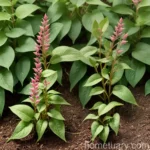
Persicaria amplexicaulis ‘Blackfield’ (Mountain Fleece): A Comprehensive Plant Profile
When it comes to landscaping and gardening, the Persicaria amplexicaulis ‘Blackfield’, commonly known as Mountain Fleece, is a stunning and versatile perennial plant that has garnered attention for its unique characteristics and ease of care. In this extensive guide, we will delve into all aspects of this beautiful plant, from its distinctive features to its care requirements, propagation methods, common diseases, and much more.
What is Persicaria amplexicaulis ‘Blackfield’?
Persicaria amplexicaulis ‘Blackfield’ is a deciduous perennial plant that belongs to the Polygonaceae family. This elegant plant is native to the Himalayas and southwestern China, where it thrives in mountainous regions. It is known for its vibrant and eye-catching flowers, which make it a popular choice for garden borders, containers, and naturalistic plantings. The ‘Blackfield’ variety is particularly notable for its deep purple foliage and long-lasting, dark red flowers that bloom from midsummer well into the fall.
Persicaria amplexicaulis ‘Blackfield’ Characteristics
- Height: 24-36 inches
- Spread: 18-24 inches
- Foliage Color: Deep purple
- Flower Color: Dark red
- Bloom Time: Midsummer to fall
- Growth Habit: Clump-forming
- Hardiness Zone: 4-8
Key Takeaways – Persicaria amplexicaulis ‘Blackfield’
Before diving further into the specifics of growing and caring for Persicaria amplexicaulis ‘Blackfield’, it’s essential to highlight some key takeaways that encapsulate its overall appeal and requirements.
Culture
- Growth Rate: Moderate to fast
- Maintenance: Low
- Drought Tolerance: High
- Deer Resistance: Moderate to high
Uses
- Landscaping: Borders, naturalistic plantings, cottage gardens
- Containers: Suitable for large containers
Water
- Watering Needs: Average water needs; prefers consistently moist soil
Sunlight
- Sun Exposure: Full sun to part shade
- Sun Preference: Tolerates both sun and shade
Fertilizer
- Fertilization: Minimal requirements; compost application in spring
Soil
- Soil Type: Moist, well-drained soil
- pH: Neutral to slightly acidic (6.0-7.0)
Pruning
- Pruning Time: Spring
- Pruning Type: Cut back dead foliage
Propagation
- Propagation Methods: Division, softwood cuttings
- Best Time for Propagation: Spring or fall
Now, let’s explore each of these aspects in greater detail, providing comprehensive insights into the cultivation and care of Persicaria amplexicaulis ‘Blackfield’.
Growing Persicaria amplexicaulis ‘Blackfield’
Cultivating Persicaria amplexicaulis ‘Blackfield’ in your garden or landscape can be a rewarding experience, given its remarkable aesthetics and low-maintenance nature. Here are the key considerations to keep in mind when growing Mountain Fleece.
Sun and Shade Preferences
While Persicaria amplexicaulis ‘Blackfield’ thrives in full sun, it also tolerates partial shade admirably. This versatility makes it an excellent choice for a variety of garden settings, allowing it to adapt to different light conditions with ease.
Soil Requirements
As with many perennials, soil quality is paramount for the health and vigor of Persicaria amplexicaulis ‘Blackfield’. It prefers moist, well-drained soil with a neutral to slightly acidic pH ranging from 6.0 to 7.0. The addition of organic matter such as compost can enhance the soil structure and fertility, promoting optimal growth.
Watering Needs
Maintaining adequate moisture levels in the soil is crucial for the thriving of Persicaria amplexicaulis ‘Blackfield’. While it exhibits high drought tolerance once established, it prefers consistently moist soil, especially during the growing season. Sufficient watering is particularly important during periods of prolonged heat or drought.
Fertilization
One of the appeals of Persicaria amplexicaulis ‘Blackfield’ is its minimal fertilizer requirements. During the spring, applying a layer of compost around the base of the plant can provide ample nutrients for robust growth and prolific flowering. However, avoid over-fertilizing, as this can lead to excessive foliage at the expense of flowers.
Care Tips for Persicaria amplexicaulis ‘Blackfield’
Ensuring the proper care and maintenance of Persicaria amplexicaulis ‘Blackfield’ is essential for promoting its overall health and enhancing its ornamental value. Here are some specific care tips to consider for this captivating perennial.
Pruning Techniques
Pruning plays a vital role in rejuvenating and shaping the growth of Persicaria amplexicaulis ‘Blackfield’. In early spring, as new growth emerges, prune back any dead or damaged foliage to encourage new, healthy growth. Additionally, deadheading the spent flowers can prolong the blooming period and maintain a tidy appearance.
Overwintering
In regions where winter temperatures drop significantly, providing some level of protection for Persicaria amplexicaulis ‘Blackfield’ can ensure its survival and vigor come spring. Mulching the base of the plant with a layer of organic material, such as straw or shredded leaves, can insulate the roots and shield them from extreme cold.
Disease Diagnosis
While Persicaria amplexicaulis ‘Blackfield’ is relatively resistant to diseases, it may occasionally encounter issues such as powdery mildew or leaf spot. Proper air circulation, adequate spacing between plants, and avoiding overhead watering can mitigate the risk of such diseases. In the event of disease development, prompt diagnosis and targeted treatment are essential to prevent further spread.
Mountain Fleece Plant Description
The allure of Persicaria amplexicaulis ‘Blackfield’ lies in its captivating visual appeal and distinct attributes. From its ornamental foliage to its striking flowers, the plant’s description showcases its noteworthy characteristics.
Foliage
The ‘Blackfield’ variety is especially prized for its deep purple foliage, which provides an exceptional contrast to the surrounding greenery in the garden. The lance-shaped leaves are arranged spirally along the stems, creating an attractive, dense foliage display throughout the growing season.
Flowers
Perhaps the most captivating feature of Persicaria amplexicaulis ‘Blackfield’ is its long-lasting, dark red flowers that emerge in dense, bottlebrush-like spikes. These striking blooms begin to appear in midsummer and persist well into the fall, offering an extended period of visual interest and serving as a valuable food source for pollinators.
Growth Habit
As a clump-forming perennial, Persicaria amplexicaulis ‘Blackfield’ displays a tidy and compact growth habit, making it an ideal choice for border plantings and massing. Its upright stems create a strong vertical presence in the garden, adding structure and visual appeal.
Persicaria amplexicaulis ‘Blackfield’ Cultivation
The successful cultivation of Persicaria amplexicaulis ‘Blackfield’ hinges on understanding its specific requirements and providing the optimal growing conditions. Whether in the garden landscape or containers, attention to cultivation practices is instrumental in unlocking the plant’s full potential.
Planting Instructions
When planting Persicaria amplexicaulis ‘Blackfield’, choose a site with well-drained soil and ample sunlight. Dig a hole that is roughly the same depth as the plant’s root ball and twice as wide. Gently place the plant in the hole, backfill with soil, and ensure thorough watering to facilitate establishment. Maintaining consistent moisture levels is imperative during the initial establishment phase.
Propagation Methods
For those looking to propagate Persicaria amplexicaulis ‘Blackfield’, division or softwood cuttings represent reliable and straightforward methods. Spring or fall presents the opportune times for division, allowing the plant to settle in and develop a robust root system before the onset of adverse conditions.
Growing Zones
Persicaria amplexicaulis ‘Blackfield’ is well-suited to hardiness zones 4-8, encompassing a broad range of climates. Its adaptability to varied growing zones makes it accessible to a wide audience of gardeners and landscapers seeking an attractive, resilient perennial for their outdoor spaces.
How to Propagate Persicaria amplexicaulis ‘Blackfield’
Propagation is a fundamental aspect of expanding the presence of Persicaria amplexicaulis ‘Blackfield’ in the garden or landscape. By mastering the art of propagation, gardeners can multiply the plant’s presence and enjoy its beauty in different areas of their outdoor spaces.
Division
Division represents a tried-and-true method for propagating Persicaria amplexicaulis ‘Blackfield’. During the optimal periods of spring or fall, carefully dig up the plant and separate the clumps into smaller sections, ensuring that each division retains a portion of healthy roots and foliage. Replant the divisions in prepared soil, provide sufficient water, and monitor their establishment.
Softwood Cuttings
Taking softwood cuttings from the new, tender growth of Persicaria amplexicaulis ‘Blackfield’ is another effective means of propagation. Select healthy, non-flowering stems and cut them into 3-4 inch sections. Remove any lower leaves to expose the nodes, dip the cut ends in rooting hormone, and plant them in a suitable growing medium. Maintain consistent moisture and warmth to encourage root development.
Mountain Fleece Plant Care Guide
Caring for Persicaria amplexicaulis ‘Blackfield’ encompasses a spectrum of considerations, including regular maintenance, pest and disease control, and creating an optimal environment for its sustained growth and flowering.
Maintenance
Regular maintenance tasks for Persicaria amplexicaulis ‘Blackfield’ include pruning, deadheading, and periodic division to rejuvenate old clumps. Additionally, monitoring for signs of pests and diseases, as well as providing appropriate support or staking for the plant, is crucial for ensuring its long-term health.
Pest and Disease Control
While generally resilient, Persicaria amplexicaulis ‘Blackfield’ may encounter occasional pests such as aphids or spider mites, as well as diseases like powdery mildew. Regular inspection of the plant can help in early pest detection, and employing preventive measures such as neem oil spray or introducing beneficial insects can aid in mitigating pest populations.
Soil and Fertilizer Management
Maintaining fertile soil conditions through the periodic application of compost or organic matter can promote vigorous growth and abundant flowering in Persicaria amplexicaulis ‘Blackfield’. Additionally, avoiding excessive fertilization and ensuring proper soil drainage can prevent potential issues such as root rot and nutrient imbalances.
Persicaria amplexicaulis ‘Blackfield’ Planting Instructions
Embracing the essential planting instructions for Persicaria amplexicaulis ‘Blackfield’ sets the stage for successful establishment and long-term thriving. By adhering to the prescribed guidelines, gardeners can optimize the plant’s growth and ensure its seamless integration into the landscape.
Planting Time
The optimal time to plant Persicaria amplexicaulis ‘Blackfield’ is during the spring or fall, when the weather is mild and conducive to root establishment. This timing enables the plant to acclimate to its new surroundings and capitalize on favorable growing conditions.
Spacing
When planting multiple specimens of Persicaria amplexicaulis ‘Blackfield’, it is crucial to provide adequate spacing between them to accommodate their mature size and prevent overcrowding. Space the plants approximately 18-24 inches apart to allow for ample airflow and minimize competition for resources.
Watering
After planting, thorough watering is essential to settle the soil around the roots and support initial growth. Subsequently, regular watering to keep the soil consistently moist, but not waterlogged, facilitates the establishment of Persicaria amplexicaulis ‘Blackfield’ and promotes robust root development.
Tips for Maintaining Persicaria amplexicaulis ‘Blackfield’
Sustaining the health and vitality of Persicaria amplexicaulis ‘Blackfield’ requires ongoing attention and care, encompassing various aspects of plant maintenance and environmental management.
Mulching
Applying a layer of organic mulch around the base of Persicaria amplexicaulis ‘Blackfield’ offers multiple benefits, including moisture retention, weed suppression, and insulation during temperature fluctuations. Mulching can help create a favorable microclimate for the plant’s roots and enhance its overall resilience.
Support and Staking
In instances where the stalks of Persicaria amplexicaulis ‘Blackfield’ exhibit a tendency to lean or sprawl, providing support through stakes or plant rings can help maintain an upright posture and prevent breakage. Installing the support structures early in the growing season allows the plant to grow around them and receive the necessary assistance as it develops.
Companion Planting
Strategic companion planting with compatible species can complement the growth habits and ornamental qualities of Persicaria amplexicaulis ‘Blackfield’, promoting a harmonious and visually appealing landscape. Choosing companion plants that share similar cultural requirements can contribute to the plant’s overall performance and aesthetic appeal.
Mountain Fleece Plant Varieties
Persicaria amplexicaulis ‘Blackfield’ is part of a diverse and captivating genus, offering a range of plant varieties with unique characteristics and visual appeal. Exploring these versatile varieties can inspire gardeners to incorporate a broader spectrum of traits and uses within their outdoor spaces.
Persicaria amplexicaulis ‘Firetail’
Characterized by its vibrant, crimson-red flower spikes and vigorous growth habit, ‘Firetail’ is a popular cultivar that adds intense color and vertical interest to garden borders and perennial beds. Its long blooming period and robust nature make it a standout choice for vibrant summer and fall displays.
Persicaria amplexicaulis ‘Golden Arrow’
‘Golden Arrow’ distinguishes itself with its striking golden-yellow foliage that illuminates the garden landscape and provides a dynamic contrast to surrounding greenery. While its flowers are less showy, the foliage of this variety contributes a luminous and eye-catching element to the overall composition.
Persicaria amplexicaulis ‘Summer Dance’
‘Summer Dance’ captivates with its profusion of delicate, pale pink flowers that gracefully adorn the plant from midsummer into the fall. The airy and elegant blooms, coupled with its compact growth habit, make it an appealing choice for mixed borders, containers, and naturalistic plantings.
Common Diseases of Persicaria amplexicaulis ‘Blackfield’
While Persicaria amplexicaulis ‘Blackfield’ is notably resistant to many diseases, certain environmental conditions or cultural practices can predispose it to specific ailments. Familiarizing oneself with the common diseases and their associated symptoms is essential for timely intervention and effective management.
Powdery Mildew (Erysiphe polygoni)
Powdery mildew can manifest as a white, powdery coating on the foliage of Persicaria amplexicaulis ‘Blackfield’, particularly during periods of high humidity and inadequate air circulation. Proper siting, ensuring good airflow, and selective pruning to open up the plant’s interior can aid in preventing this fungal disease.
Leaf Spot (Cercospora apii)
Leaf spot, characterized by the formation of dark lesions on the foliage, can occur under conditions of prolonged moisture or in crowded plantings. Employing proper spacing, consistent watering at the base of the plant, and avoiding overhead irrigation can help minimize the risk of leaf spot.
Downy Mildew (Peronospora)
Downy mildew appears as yellow or brown patches on the leaves of Persicaria amplexicaulis ‘Blackfield’, often in conjunction with damp or humid weather conditions. Implementing cultural practices that promote good drainage and ventilation, along with careful monitoring, can aid in the prevention and control of this disease.
Disease Diagnosis of Persicaria amplexicaulis ‘Blackfield’
Accurate diagnosis of diseases affecting Persicaria amplexicaulis ‘Blackfield’ is pivotal for implementing targeted measures and safeguarding the overall health and appearance of the plant. Learning to recognize the symptoms and causal agents of common diseases is indispensable for effective disease diagnosis.
Visual Symptoms
Understanding the visual cues exhibited by the plant is key to identifying potential diseases. Look for signs such as unusual discoloration, spots, or abnormal growth patterns on the foliage and stems. Visual symptoms can provide valuable clues about the nature and severity of the underlying issue.
Environmental Factors
Consider the prevailing environmental conditions, including temperature, humidity levels, and air circulation, which can directly influence the health and susceptibility of Persicaria amplexicaulis ‘Blackfield’ to specific diseases. Evaluating and modifying these factors can contribute to disease prevention and management.
Disease Identification
Upon observing suspicious symptoms, endeavor to accurately identify the disease at play by referencing reputable sources, consulting with horticultural specialists, or seeking diagnostic assistance from extension services or plant clinics. Determining the specific disease enables targeted and effective treatment strategies.
Common Pests Affecting Persicaria amplexicaulis ‘Blackfield’
While generally robust and resistant to pests, Persicaria amplexicaulis ‘Blackfield’ may encounter occasional insect nuisances that can impact its growth and aesthetics. Recognizing these common pests and implementing appropriate control measures is essential for preserving the plant’s vitality.
Aphids (Aphidoidea)
Aphids, identifiable by their small size and soft-bodied appearance, may infest the tender growth of Persicaria amplexicaulis ‘Blackfield’ and extract sap from its stems and foliage. Monitoring for aphid clusters and employing targeted spraying with insecticidal soap can help manage their populations effectively.
Spider Mites (Tetranychidae)
Spider mites are notorious for causing stippling or discoloration on the foliage of plants, including Persicaria amplexicaulis ‘Blackfield’, through their feeding activity. Introducing natural predators such as predatory mites and regularly spraying the plant with a strong blast of water can help deter and control spider mite infestations.
Slugs and Snails (Gastropoda)
Slugs and snails can pose a threat to the lush foliage of Persicaria amplexicaulis ‘Blackfield’ and other vulnerable plants, especially during periods of extended moisture. Implementing physical barriers, such as copper tape or diatomaceous earth, and employing organic slug baits can effectively deter these pests and protect the plant.
Botanist’s Tips for Persicaria amplexicaulis ‘Blackfield’
As a seasoned botanist familiar with the intricacies of Persicaria amplexicaulis ‘Blackfield’, I am pleased to share some expert tips and insights aimed at optimizing the success of growing and caring for this exceptional perennial.
Soil Preparation
Prior to planting Persicaria amplexicaulis ‘Blackfield’, undertake thorough soil preparation by amending the site with organic matter to enhance its structure and fertility. A rich, well-drained soil base sets the stage for the plant’s establishment and long-term health.
Vigilance for Disease
While resistant to many diseases, Persicaria amplexicaulis ‘Blackfield’ may experience occasional challenges, particularly in humid or crowded settings. Regular monitoring of the plant’s foliage, coupled with cultural practices that promote good ventilation and sanitation, can mitigate disease risks effectively.
Watering Techniques
Balancing the watering needs of Persicaria amplexicaulis ‘Blackfield’ is crucial for sustaining its vitality. Strive to maintain consistent moisture in the soil without subjecting the plant to waterlogging,