Understanding Plant Knotweed (Persicaria polymorpha)
Plant species are an integral part of our ecosystem and contribute to the beauty and balance of nature. Among the countless varieties of plants, Persicaria polymorpha, also known as knotweed, holds a significant place for its unique characteristics and diverse uses. In this guide, we will explore the various aspects of knotweed, including its identification, cultivation, uses, and maintenance. By the end of this comprehensive overview, you will have a thorough understanding of this fascinating plant and how to incorporate it into your gardening or landscaping endeavors.
What is Plant Knotweed (Persicaria polymorpha)?
Knotweed Identification
Knotweed (Persicaria polymorpha) is a perennial herbaceous plant that belongs to the family Polygonaceae. It is recognized for its robust nature and striking appearance. The plant is native to Japan and China and is grown for both ornamental and practical purposes. With its vigorous growth and appealing aesthetics, knotweed has gained popularity among gardeners and nature enthusiasts worldwide.
Persicaria polymorpha Facts
Before delving into the cultivation and management of knotweed, let’s explore some intriguing facts about this remarkable plant:
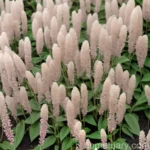
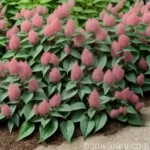
- Known by the botanical name Persicaria polymorpha, knotweed is often referred to as “giant fleece flower” due to its large, frothy white flower clusters.
- The plant can reach impressive heights, often growing between 4 to 7 feet tall, creating a commanding presence in the landscape.
- Knotweed thrives in moist, well-drained soil and prefers full sun to partial shade, making it adaptable to various growing conditions.
Key Takeaways – Knotweed (Persicaria polymorpha)
Before we delve into the details of knotweed plant care and cultivation, it’s essential to highlight the key takeaways associated with this plant. Understanding these fundamental aspects will guide our exploration and enable us to make informed decisions when incorporating knotweed into our gardening or landscaping projects.
Giant Knotweed Characteristics
Height: 4 to 7 feet tall
Flower Color: White
Habitat: Moist, well-drained soil
Sunlight: Full sun to partial shade
Growth Habit: Herbaceous perennial
Plant Culture
Cultivating knotweed requires careful attention to its specific needs regarding water, sunlight, soil, and maintenance. By understanding the cultural requirements of Persicaria polymorpha, you can ensure its optimal growth and overall health.
Water
- Knotweed thrives in moist soil and benefits from regular watering, particularly during periods of intense heat or dryness.
- When establishing knotweed in the garden, it is essential to provide consistent moisture to support its growth and development.
Sunlight
- Full sun to partial shade is ideal for knotweed. In regions with scorching summers, partial shade can provide relief from excessive heat while still allowing the plant to flourish.
Soil
- Well-drained, fertile soil is crucial for knotweed’s success. The plant prefers soil that retains moisture without becoming waterlogged, which can lead to root rot and other issues.
Plant Uses
The versatility of knotweed extends to its various uses, making it a valuable addition to both ornamental and practical landscapes. Understanding the potential applications of Persicaria polymorpha enables gardeners and landscapers to maximize its benefits in diverse settings.
Ornamental
- Knotweed serves as an outstanding ornamental plant, adding vertical interest and lush foliage to garden beds, borders, and other landscaping features.
- Its large, airy flower clusters make it a standout feature in mixed borders and naturalistic plantings.
Erosion Control
- Due to its robust growth habit and dense root system, knotweed is effective for erosion control along stream banks and slopes. Its ability to stabilize soil and prevent erosion makes it a valuable asset in landscaping projects.
Fertilizer
When caring for knotweed, it is essential to consider its nutritional requirements and provide adequate fertilization to sustain healthy growth and abundant flowering.
-
A balanced, all-purpose fertilizer can be applied in spring as new growth emerges. This supports the plant’s nutrient needs during its active growing season.
-
Organic amendments, such as compost or well-rotted manure, can also be incorporated into the soil to enhance its fertility and provide essential nutrients to knotweed.
Pruning
Proper pruning practices play a pivotal role in maintaining knotweed’s attractive appearance and controlling its growth. By adhering to appropriate pruning techniques, gardeners can manage the plant’s size and encourage vigorous blooming.
-
Spring Pruning: In early spring, prune knotweed to remove dead or damaged stems, as well as any overcrowded or weak growth.
-
Deadheading: After the flowering period, deadheading spent blooms can prolong the plant’s blooming season and encourage new flower production.
Propagation
Expanding your knotweed population or sharing its beauty with others can be achieved through effective propagation methods. Understanding the propagation strategies for Persicaria polymorpha is key to successful reproduction.
-
Division: Divide mature knotweed plants in early spring to create new specimens. Carefully separate the root mass and replant the divisions in suitable locations.
-
Seed Propagation: While knotweed can be propagated from seed, it is essential to note that the resulting seedlings may not retain the exact characteristics of the parent plant.
Container Popularity
Knotweed’s adaptability and aesthetic appeal make it an excellent candidate for container gardening. Whether displayed on a patio, terrace, or balcony, knotweed adds a dynamic element to container arrangements.
-
Its tall, upright growth habit and striking flowers make it a captivating centerpiece in large containers, providing height and texture.
-
When selecting containers for knotweed, opt for spacious, sturdy pots that allow room for root development and stability.
Common Diseases
While knotweed is generally resilient, it can be susceptible to certain diseases and health issues. Recognizing the common diseases associated with Persicaria polymorpha is essential for early intervention and effective management.
Disease Diagnosis
-
Powdery Mildew: This fungal infection appears as a white powdery coating on the leaves, often caused by poor air circulation or high humidity. To address powdery mildew, ensure proper spacing between plants and promote adequate air movement. Fungicidal treatments may be necessary for severe infestations.
-
Root Rot: Overly soggy or waterlogged soil can lead to root rot in knotweed. To prevent this issue, ensure well-drained soil and proper watering practices. In advanced cases, affected plants may need to be removed to prevent the spread of the disease.
Common Pests
Pests can pose a threat to the health and vitality of knotweed, requiring vigilant monitoring and appropriate intervention to mitigate potential damage.
-
Aphids: These small, soft-bodied insects can cluster on the undersides of leaves, sucking plant sap and causing distortion and discoloration. Control aphid infestations through insecticidal soap, neem oil, or natural predators such as ladybugs.
-
Japanese Beetles: These voracious pests can skeletonize knotweed leaves and cause extensive damage if left unchecked. Use pheromone traps, handpick beetles, or apply insecticidal sprays to manage Japanese beetle populations.
Botanist’s Tips
Drawing from botanical expertise and practical insights, here are some valuable tips to enhance your success with knotweed cultivation and maintenance:
-
Mulching: Apply a layer of organic mulch around knotweed plants to conserve soil moisture, suppress weeds, and insulate the root zone.
-
Support Structures: Consider providing support for tall or sprawling knotweed stems to prevent bending or breakage, particularly in exposed or windy locations.
-
Regular Monitoring: Regularly inspect knotweed for signs of disease, pest activity, and overall health. Early detection allows for prompt action and prevents issues from escalating.
Fun Facts
To enrich your knowledge and appreciation of knotweed, let’s explore some intriguing and entertaining facts about this exceptional plant:
-
Wildlife Habitat: Knotweed serves as a valuable food source for various pollinators, including bees and butterflies, increasing biodiversity in the garden.
-
Architectural Interest: The tall, upright growth habit of knotweed provides structural appeal and serves as a captivating vertical accent in garden compositions.
Links to External Resources
For further exploration and detailed information on knotweed (Persicaria polymorpha), consider the following external resources:
- American Horticultural Society: Persicaria Polymorpha Plant Profile
- Royal Horticultural Society: Knotweed Care and Cultivation
- University of Florida IFAS Extension: Managing Knotweed in Landscapes
In conclusion, knotweed (Persicaria polymorpha) stands as a compelling plant species with diverse attributes and invaluable contributions to ornamental and ecological landscapes. Through a comprehensive understanding of its cultivation, cultural requirements, and benefits, you can integrate knotweed into your gardening or landscaping projects with confidence and appreciation for its remarkable qualities.