Persicaria amplexicaulis ‘Alba’ (Mountain Fleece) – The Complete Guide
Introduction to Persicaria amplexicaulis ‘Alba’ (Mountain Fleece)
Persicaria amplexicaulis ‘Alba’, commonly known as Mountain Fleece, is a herbaceous perennial plant that belongs to the Polygonaceae family. This beautiful and versatile plant is native to the Himalayas, and it has garnered attention for its unique characteristics and adaptability to various growing conditions.
In this comprehensive guide, we will delve into the various aspects of cultivating and caring for Persicaria amplexicaulis ‘Alba’, shedding light on its cultural preferences, uses in landscaping, propagation methods, and management of diseases and pests. By the end of this article, you will have a deep understanding of this stunning plant and be equipped with the knowledge to successfully grow and maintain it in your garden.
Key Takeaways – Persicaria amplexicaulis ‘Alba’
Before diving into the detailed aspects of Persicaria amplexicaulis ‘Alba’, let’s first take a look at the key takeaways that will be covered in this guide:
- Culture: Understanding the cultural requirements of Persicaria amplexicaulis ‘Alba’ for optimal growth and development.
- Uses: Exploring the diverse uses of Mountain Fleece in landscaping and gardening.
- Water: Discussing the water requirements and best practices for watering Persicaria amplexicaulis ‘Alba’.
- Sunlight: Highlighting the ideal sunlight conditions for the plant’s growth.
- Fertilizer: Recommendations for fertilizing Persicaria amplexicaulis ‘Alba’ to promote healthy foliage and blooms.
- Soil: Understanding the soil preferences and composition suitable for this plant.
- Pruning: Guidelines for pruning Persicaria amplexicaulis ‘Alba’ to maintain its shape and vigor.
- Propagation: Explanations of various propagation methods for expanding your Mountain Fleece collection.
- Container Popularity: Insights into the suitability of Persicaria amplexicaulis ‘Alba’ for container gardening.
- Common Diseases: Identification and management of common diseases that may affect the plant.
- Common Pests: Recognizing and controlling pests that can potentially harm Persicaria amplexicaulis ‘Alba’.
What is Persicaria amplexicaulis ‘Alba’?
Plant Characteristics
Scientific Name: Persicaria amplexicaulis ‘Alba’
Common Name: Mountain Fleece
Family: Polygonaceae
Native Habitat: Himalayas
Type: Herbaceous Perennial
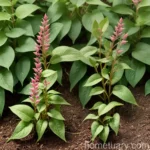
Persicaria amplexicaulis ‘Alba’ is renowned for its exceptional ornamental value, featuring striking flower spikes and lush foliage. This delightful plant typically reaches a height of 3-4 feet and spreads to form attractive clumps in the garden. The lance-shaped leaves add to its overall appeal, while the white flower spikes create a stunning visual display.
Botanical Description
The plant’s botanical description provides valuable insights into its physical attributes and growth patterns. Here are some key features of Persicaria amplexicaulis ‘Alba’:
- Flowers: The white flower spikes of Persicaria amplexicaulis ‘Alba’ bloom from midsummer to early fall, attracting pollinators and adding a serene charm to the garden.
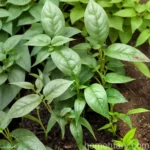
- Foliage: The lance-shaped leaves are an attractive deep green, offering a lovely contrast to the bright white flowers.
- Growth Habit: This herbaceous perennial forms dense, bushy clumps, making it an excellent choice for borders, naturalistic plantings, and mixed perennial beds.
Landscape Uses
Persicaria amplexicaulis ‘Alba’ holds significant appeal for landscape designers and gardening enthusiasts due to its versatile uses. Some common landscape uses include:
- Perennial Borders: Creating striking accents and adding vertical interest to perennial borders.
- Naturalistic Plantings: Integrating seamlessly into naturalistic or woodland-style plantings.
- Mixed Perennial Beds: Pairing with other perennial plants to enhance the visual appeal of mixed beds.
- Attracting Wildlife: Serving as a magnet for pollinators, including butterflies, bees, and hummingbirds.
With its numerous landscape uses, Persicaria amplexicaulis ‘Alba’ can elevate the aesthetic appeal of various garden settings and contribute to a thriving ecosystem.
Cultivating Persicaria amplexicaulis ‘Alba’
Cultivating Persicaria amplexicaulis ‘Alba’ successfully hinges on understanding and catering to its specific cultural requirements. From watering and sunlight exposure to soil composition and fertilization, each aspect plays a crucial role in nurturing this elegant plant to its full potential.
Water
Proper watering is essential for the health and vitality of Persicaria amplexicaulis ‘Alba’. Here’s a guide to understanding and managing its water requirements:
-
Watering Needs: Mountain Fleece thrives in moist, well-drained soil. It is crucial to keep the soil consistently moist, especially during the plant’s active growing season. Ensure the soil does not dry out completely, as this may hinder the plant’s growth and flowering.
- Watering Frequency: During dry spells, it may be necessary to water the plant regularly, ensuring that the soil remains consistently moist. However, it’s important to strike a balance, avoiding waterlogged conditions that could lead to root rot.
-
Mulching: Applying a layer of organic mulch around the base of Persicaria amplexicaulis ‘Alba’ helps retain soil moisture and regulates temperature, promoting a conducive environment for the plant’s roots.
-
Seasonal Variations: Adjust the watering frequency based on seasonal changes. During periods of intense heat, the plant may require more frequent watering to sustain its vigor and flowering.
By maintaining an adequate and consistent watering regimen, you can support the lush growth and abundant blooms of Persicaria amplexicaulis ‘Alba’.
Sunlight
Understanding the sunlight preferences of Persicaria amplexicaulis ‘Alba’ is instrumental in providing an optimal growing environment. Here’s a closer look at its sunlight requirements:
-
Sun Exposure: Mountain Fleece thrives in partial to full sunlight. Aim to provide it with at least 6 hours of sunlight each day for robust growth and prolific flowering.
- Shade Tolerance: While the plant appreciates ample sunlight, it can also tolerate partial shade, making it adaptable to a range of garden settings. However, an extended period of shade may impact its flowering potential.
-
Positioning: When selecting a location for planting, prioritize spots with sufficient sunlight exposure, especially during the morning hours. This ensures that the plant receives the necessary light energy for photosynthesis and overall development.
By ensuring adequate sunlight, you can promote the healthy growth and flowering prowess of Persicaria amplexicaulis ‘Alba’, accentuating its allure in the garden.
Fertilizer
Fertilizing Persicaria amplexicaulis ‘Alba’ is pivotal in fortifying its nutrient intake and sustaining vigorous growth. Consider the following recommendations for effective fertilization:
-
Fertilizer Type: Opt for a balanced, all-purpose fertilizer with equal proportions of nitrogen, phosphorus, and potassium. This provides essential nutrients for the plant’s overall well-being and flowering capacity.
-
Application Time: Apply fertilizer in early spring as new growth emerges, kickstarting the growing season with a nutrient boost. A second round of fertilization in midsummer can further support the plant’s vitality and encourage continuous blooming.
-
Quantity: Use fertilizer sparingly, following the manufacturer’s guidelines for the appropriate application rate. Over-fertilization can lead to excessive foliage growth at the expense of blooms.
-
Organic Alternatives: If preferred, organic fertilizers such as compost or well-decomposed manure can be used to supply nutrients in a more natural and gradual manner. These alternatives contribute to soil fertility and microbial activity, benefiting the overall ecosystem within the planting area.
Applying the right fertilization approach ensures that Persicaria amplexicaulis ‘Alba’ receives the necessary nutrients for sustained health and vigor.
Soil
The soil composition directly impacts the growth and prosperity of Persicaria amplexicaulis ‘Alba’. Understanding the plant’s soil preferences is crucial for establishing an optimal growing environment. Here are the key considerations:
-
Well-Drained Soil: Mountain Fleece thrives in soil that is well-drained and moisture-retentive. This prevents waterlogging and root suffocation, which can hamper the plant’s growth.
-
Soil pH: Persicaria amplexicaulis ‘Alba’ prefers slightly acidic to neutral soil with a pH range of 6.0 to 7.0. Conduct a soil test to determine the pH level and make any necessary amendments to achieve the ideal range.
-
Soil Enrichment: Prior to planting, enrich the soil with organic matter such as compost or well-rotted leaf mold. This enhances soil structure, promotes beneficial microbial activity, and provides essential nutrients for the plant’s development.
-
Soil Texture: Aim for a loamy soil texture, which offers a balanced combination of sand, silt, and clay. This promotes adequate drainage while retaining sufficient moisture for the plant’s needs.
By addressing the specific soil requirements of Persicaria amplexicaulis ‘Alba’, you can create an optimal growing environment that supports its growth and overall well-being.
Pruning Persicaria amplexicaulis ‘Alba’
Pruning plays a pivotal role in maintaining the shape, vigor, and overall aesthetics of Persicaria amplexicaulis ‘Alba’. By adopting proper pruning techniques, you can encourage abundant flowering and prevent the plant from becoming unruly. Here’s a guide to effectively pruning Mountain Fleece:
-
Timing: Prune Persicaria amplexicaulis ‘Alba’ in early spring before new growth emerges. This allows the plant to redirect its energy towards producing new shoots and vibrant blooms during the growing season.
-
Deadheading: Regularly remove spent flower spikes to prolong the flowering period and stimulate the development of new blooms. Deadheading also prevents the plant from expending energy on seed production, channeling its resources towards continued flowering.
-
Shape Enhancement: Trim back any straggly or overgrown stems to maintain a compact and tidy appearance. Focus on achieving a balanced silhouette, ensuring that the plant retains its visual appeal throughout the season.
-
Rejuvenation: For older clumps that show signs of decline, consider rejuvenation pruning by cutting the entire plant back to a few inches above ground level. This stimulates fresh growth and rejuvenates the plant for enhanced vigor and blooms.
-
Sanitation: Throughout the growing season, remove any damaged, diseased, or decaying foliage to promote good air circulation and prevent the spread of diseases.
By incorporating regular and targeted pruning, you can elevate the health, appearance, and flowering performance of Persicaria amplexicaulis ‘Alba’, creating a stunning focal point in your garden.
Propagating Persicaria amplexicaulis ‘Alba’
Expanding your collection of Persicaria amplexicaulis ‘Alba’ through propagation facilitates the cultivation of new plants while preserving the desirable traits of the original specimens. Here are several effective propagation methods for Mountain Fleece:
-
Division: Propagation via division involves separating the plant’s root clumps into smaller sections, each containing healthy roots and shoots. This is typically conducted in early spring or fall, taking care to establish new divisions in suitable planting locations with adequate moisture and sunlight.
-
Stem Cuttings: Using stem cuttings offers an alternative means of propagation, especially for propagating specific cultivars and maintaining genetic consistency. Select healthy stems and take cuttings with 3-4 nodes, then root them in a well-draining propagation medium. Keep the cuttings consistently moist and provide gentle bottom heat to encourage root development.
-
Seed Propagation: While less commonly practiced, propagation from seeds can be pursued by collecting mature seeds from the plant’s flower spikes. Sow the seeds in a seed starting mix, providing adequate warmth and moisture for germination. This method allows for the introduction of new genetic variations and the potential development of unique traits in the offspring.
-
Rhizome Cuttings: In some cases, Persicaria amplexicaulis ‘Alba’ can be propagated through rhizome divisions. This involves separating healthy rhizome sections and planting them at the appropriate depth for new growth to emerge.
Through strategic propagation, you can expand your garden’s repertoire of Persicaria amplexicaulis ‘Alba’ and perpetuate its enchanting presence across multiple garden spaces.
Container Gardening with Persicaria amplexicaulis ‘Alba’
The versatility of Persicaria amplexicaulis ‘Alba’ extends to its suitability for container gardening. Whether used to adorn patios, balconies, or small outdoor spaces, the plant brings a touch of elegance and natural beauty to container arrangements. Here’s a comprehensive look at container gardening considerations for Mountain Fleece:
-
Container Selection: Opt for spacious, well-draining containers that accommodate the expansive root system of Persicaria amplexicaulis ‘Alba’. Ensure that the containers have adequate drainage holes to prevent waterlogging.
-
Potting Mix: Use a high-quality potting mix that offers good aeration and drainage, mimicking the soil conditions suitable for the plant’s growth in garden beds.
-
Watering: Container-grown Persicaria amplexicaulis ‘Alba’ may require more frequent watering compared to plants in the ground, as containers tend to dry out faster. Monitor the soil moisture and adjust the watering frequency according to the plant’s needs.
-
Sunlight Exposure: Position the containers in locations that receive the required amount of sunlight for the plant’s growth. Consider the sun exposure preferences discussed earlier to ensure optimal conditions for Mountain Fleece.
-
Fertilization: Incorporate a balanced, slow-release fertilizer into the potting mix at the beginning of the growing season. Supplement with liquid fertilization throughout the season to provide essential nutrients for the plant’s development.
-
Overwintering: In regions with harsh winters, consider overwintering container-grown Persicaria amplexicaulis ‘Alba’ indoors to protect the plant from extreme cold and frost. Place the containers in a cool, bright location and reduce watering during the dormant season.
By adopting the appropriate practices for container gardening, you can showcase the beauty of Persicaria amplexicaulis ‘Alba’ in a compact and portable format, adding charm to your outdoor living spaces.
Common Diseases of Persicaria amplexicaulis ‘Alba’
While Persicaria amplexicaulis ‘Alba’ is generally resilient and low-maintenance, it is important to be vigilant about potential diseases that may affect the plant. Understanding common diseases and their management is essential for safeguarding the health and appearance of Mountain Fleece. Here are some prevalent diseases and their diagnosis:
Disease Diagnosis
Powdery Mildew (Erysiphaceae)
Symptoms: The presence of powdery, white patches on the plant’s foliage, accompanied by leaf distortion and reduced vigor.
Management: Regular inspection and maintenance of good air circulation can help prevent the development of powdery mildew. If detected, consider applying fungicidal treatments to curb the spread of the disease.
Leaf Spot (Disease X)
Symptoms: The appearance of circular or irregular dark spots on the leaves, often accompanied by yellowing and premature leaf drop.
Management: Practice good sanitation by removing and destroying infected leaves to prevent the spread of the disease. Avoid overhead watering to minimize leaf wetness, which can contribute to the proliferation of leaf spot pathogens.
Root Rot (Phytophthora)
Symptoms: Wilted, yellowing foliage and stunted growth, often indicative of root damage and decay caused by fungal pathogens.
Management: Ensure proper soil drainage and avoid waterlogging to prevent the onset of root rot. Monitor watering practices and amend the soil as needed to improve drainage.
By promptly identifying potential diseases and implementing effective management strategies, you can protect the health and resilience of Persicaria amplexicaulis ‘Alba’ within your garden.
Common Pests Affecting Persicaria amplexicaulis ‘Alba’
In addition to diseases, certain pests can pose a threat to Persicaria amplexicaulis ‘Alba’, impacting its growth and visual appeal. Recognizing and addressing common pests is crucial for preserving the health and beauty of the plant. Here are some prevalent pests to be aware of:
-
Aphids: These small, soft-bodied insects congregate on the plant’s tender shoots and foliage, sucking sap and causing distortion of leaves.
- Management: Introduce natural predators such as ladybugs or lacewings to control aphid populations. Alternatively, use insecticidal soaps or horticultural oils to deter and eliminate aphids.
-
Slugs and Snails: These mollusks feed on the plant’s leaves, leaving behind characteristic holes and slimy trails.
- Management: Implement physical barriers and traps to deter slugs and snails. Consider using slug and snail repellents or iron phosphate-based baits for effective control.
-
Spider Mites: These tiny arachnids infest the undersides of leaves, causing stippling, discoloration, and webbing.
- Management: Increase humidity levels around the plant and rinse foliage with a strong stream of water to dislodge spider mites. In severe cases, consider using insecticidal products targeted at spider mite control.
By remaining vigilant and promptly addressing pest infestations, you can safeguard the pristine appearance and vigor of Persicaria amplexicaulis ‘Alba’ in your garden.
Botanist’s Tips for Growing Persicaria amplexicaulis ‘Alba’
To further enhance the successful cultivation of Persicaria amplexicaulis ‘Alba’, consider these valuable tips from experienced botanists and gardening experts:
-
Companion Planting: Pair Persicaria amplexicaulis ‘Alba’ with complementary companion plants such as Achillea, Salvia, or Nepeta to create visually appealing combinations and attract a diverse array of pollinators.
-
Seasonal Interest: Embrace the seasonal interest of Mountain Fleece by incorporating it into garden designs that prioritize summer and early fall blooming periods, where its charming white flower spikes can take center stage.
-
Wildlife Attraction: Leverage the wildlife-attracting properties of Persicaria amplexicaulis ‘Alba’ to create wildlife-friendly gardens that support pollinators and beneficial insects, contributing to ecological diversity.
-
Low Maintenance: Capitalize on the low-maintenance nature of the plant by integrating it into sustainable and low-input gardening approaches, reducing the need for intensive care and resources.
By incorporating these insights into your cultivation practices, you can maximize the beauty and functionality of Persicaria amplexicaulis ‘Alba’ within your garden, creating a harmonious and vibrant outdoor space.
Fun Facts About Persicaria amplexicaulis ‘Alba’
Uncovering intriguing and captivating aspects of Persicaria amplexicaulis ‘Alba’ adds to the charm and fascination surrounding this remarkable plant. Here are some fun and insightful facts about Mountain Fleece:
-
The plant’s species name, amplexicaulis, is derived from Latin and refers to the unique feature of the leaves clasping the stems, creating an endearing visual effect.
-
Persicaria amplexicaulis ‘Alba