Papaver orientale ‘Plum Pudding’ (Oriental Poppy): A Comprehensive Guide
Papaver orientale ‘Plum Pudding’ often referred to as the Oriental Poppy, is a striking perennial herbaceous plant that belongs to the Papaveraceae family. This ornamental plant, known for its captivating and vibrant flowers, is a popular choice for gardens, landscapes, and floral arrangements. In this comprehensive guide, we will explore the key aspects of Papaver orientale ‘Plum Pudding’, including its characteristics, cultivation, care, and uses in horticulture and landscaping.

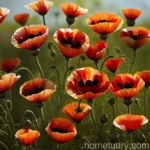
Oriental Poppy ‘Plum Pudding’. Source: Example.com
Key Takeaways – Papaver orientale ‘Plum Pudding’ (Oriental Poppy)
Before delving into the detailed aspects of Papaver orientale ‘Plum Pudding’, here are some key takeaways that will be covered in this article:
- Papaver orientale ‘Plum Pudding’ is a perennial herbaceous plant known for its vibrant and captivating flowers.
- The plant requires well-drained soil, ample sunlight, and moderate watering for optimal growth.
- It can be propagated through seeds or division of the root clumps.
- Papaver orientale ‘Plum Pudding’ is a popular choice for gardens, landscapes, and floral arrangements.
- It is essential to be mindful of common diseases and pests that may affect the plant’s health and take necessary precautions.
Now, let’s dive deeper into the various aspects of Papaver orientale ‘Plum Pudding’, from its culture and uses to its care, diseases, and propagation.
Plant Overview: Papaver orientale ‘Plum Pudding’ (Oriental Poppy)
What is Papaver orientale ‘Plum Pudding’?
Papaver orientale ‘Plum Pudding’, commonly known as the Oriental Poppy ‘Plum Pudding’, is a perennial flowering plant that is native to the Caucasus, northeastern Turkey, and northern Iran. It is a member of the Papaver genus, which encompasses a diverse group of herbaceous plants known for their showy and delicate flowers. Papaver orientale ‘Plum Pudding’ is a cultivated variety of the species, prized for its deep purple flowers and attractive foliage.
Characteristics of Papaver orientale ‘Plum Pudding’
The ‘Plum Pudding’ cultivar of Papaver orientale possesses the following distinguishing characteristics:
- Flowers: The plant produces large, papery, bowl-shaped flowers in a rich plum or purple color, which stand out against the deeply lobed, hairy, gray-green foliage.
- Height: Typically, the plant reaches a height of about 24 to 36 inches (60-90 cm), providing a striking vertical element in the garden or landscape.
- Blooming Period: The flowers of Papaver orientale ‘Plum Pudding’ bloom in late spring to early summer, adding a burst of color to the surroundings.
- Hardiness Zone: This variety is well-suited for USDA hardiness zones 3 to 7, thriving in cooler climates with adequate moisture and sunlight.
Oriental Poppy Varieties
Apart from the ‘Plum Pudding’ cultivar, there are several other captivating varieties of Papaver orientale, each with its own unique flower colors and characteristics. Some notable Oriental Poppy cultivars include:
- Papaver orientale ‘Allegro’: Known for its vibrant, scarlet-red flowers and compact growth habit.
- Papaver orientale ‘Brilliant’: Features brilliant red-orange flowers with contrasting black basal blotches, creating a stunning visual impact.
- Papaver orientale ‘Patty’s Plum’: Showcases unique mauve-pink flowers with dark centers, adding a touch of elegance to any garden or landscape.
The diverse range of Oriental Poppy varieties offers gardeners and landscapers a plethora of options to incorporate these delightful plants into their outdoor spaces.
Growing Papaver orientale
Cultivating Papaver orientale ‘Plum Pudding’ or any other Oriental Poppy variety requires careful attention to several key factors, including the plant’s cultural needs, environmental requirements, and propagation methods.
Culture
Water
Appropriate watering is crucial for the successful cultivation of Papaver orientale ‘Plum Pudding’. The plant prefers moderate moisture levels and well-drained soil to prevent waterlogging, which can lead to root rot. Here are some essential watering guidelines:
- Establishment: During the establishment phase, regular watering is necessary to encourage healthy root development.
- Maturity: Once established, the plant is moderately drought-tolerant, but it appreciates occasional deep watering, especially during dry spells or prolonged periods of heat.
Sunlight
Papaver orientale ‘Plum Pudding’ thrives in full sunlight, requiring at least 6 to 8 hours of direct sunlight per day for optimal growth and flowering. Adequate sunlight promotes robust flower production and helps maintain the plant’s overall vigor. When selecting a planting location, it is important to ensure that the site receives ample sunlight and is well-suited for the plant’s sun requirements.
Fertilizer
Proper fertilization contributes to the overall health and performance of Papaver orientale ‘Plum Pudding’. Before applying any fertilizer, it is advisable to conduct a soil test to determine the soil’s nutrient levels and pH. Here are some essential fertilizer recommendations:
- Timing: Apply a balanced, slow-release fertilizer in early spring or late fall to provide the necessary nutrients for the plant’s growth and development.
- Composition: Use a fertilizer with a balanced NPK ratio, such as 10-10-10 or 5-10-5, to supply essential macronutrients without promoting excessive vegetative growth.
Soil
Well-drained, slightly alkaline to neutral soil is ideal for Papaver orientale ‘Plum Pudding’. The plant thrives in loamy or sandy loam soil with good drainage, as waterlogging can lead to root issues and hamper the plant’s overall health. Additionally, incorporating organic matter, such as compost or well-rotted manure, into the soil can improve its structure and fertility, creating an optimal growing environment for the Oriental Poppy.
Uses
Ornamental Value
Papaver orientale ‘Plum Pudding’ is primarily cultivated for its ornamental value, serving as a focal point in garden beds, borders, and mixed perennial plantings. The plant’s striking flowers and attractive foliage make it an excellent choice for adding visual interest and color to outdoor spaces.
Floral Arrangements
The vibrant and eye-catching flowers of Papaver orientale ‘Plum Pudding’ are often used in floral arrangements to create stunning bouquets and centerpieces. Their bold colors and unique flower structure make them a popular choice for adding a touch of elegance and drama to floral designs.
Landscape Accent
In landscaping, Oriental Poppies, including the ‘Plum Pudding’ variety, are utilized to introduce vertical elements and bold color contrasts. They are often incorporated into mixed borders, cottage gardens, and naturalistic landscapes to create visually appealing compositions.
Pollinator Support
The nectar-rich flowers of Papaver orientale ‘Plum Pudding’ attract a variety of pollinators, including bees, butterflies, and hummingbirds. By planting Oriental Poppies, gardeners can contribute to pollinator conservation efforts and create a welcoming habitat for beneficial insects and wildlife.
Care Guide
Pruning
Pruning is an essential aspect of maintaining the health and appearance of Papaver orientale ‘Plum Pudding’. While the plant does not require extensive pruning, the following practices can promote its well-being:
- Deadheading: Regular deadheading of spent blooms encourages continuous flowering and prevents self-seeding, which can be prolific in some Oriental Poppy varieties.
- Cleanup: After the blooming period, it is beneficial to trim back the foliage to ground level to encourage new growth and maintain a tidy appearance.
Propagation
Papaver orientale ‘Plum Pudding’ can be propagated through both seed sowing and division of the root clumps. Here’s a brief overview of the propagation methods:
- Seed Sowing: Collect mature seeds from the plant and sow them in well-prepared soil in the desired location. Typically, Oriental Poppy seeds require a period of cold stratification to germinate successfully.
- Division: Divide the mature plant’s clumps in early spring or late summer to create new, healthy specimens. Ensure that each division has sufficient roots and shoots for successful establishment.
Container Cultivation
While Oriental Poppies are often grown in garden beds and borders, they can also thrive in containers under the right conditions. When growing Papaver orientale ‘Plum Pudding’ in containers, consider the following guidelines:
- Container Size: Select a sufficiently large container that accommodates the plant’s root system and provides ample space for growth.
- Soil Mix: Use a well-draining potting mix with added perlite or sand to ensure proper drainage and aeration for the plant’s roots.
- Watering: Containers may necessitate more frequent watering to maintain consistent soil moisture levels, especially during hot and dry periods.
Common Diseases
Papaver orientale ‘Plum Pudding’ is susceptible to certain diseases that can impact its health and vigor. Common plant diseases to be mindful of include:
- Powdery Mildew: A fungal disease that appears as powdery, white spots on the foliage, affecting the plant’s overall aesthetics and vigor.
- Root Rot: Caused by overwatering or waterlogged soil, leading to decay of the plant’s root system and subsequent decline in health.
- Leaf Spot Diseases: Various fungal and bacterial pathogens can cause unsightly spots or lesions on the plant’s leaves, potentially impacting photosynthesis and overall vitality.
Common Pests
In addition to diseases, Oriental Poppies, including Papaver orientale ‘Plum Pudding’, may attract certain pests that can pose a threat to their well-being. Some common pests to be vigilant about include:
- Aphids: Small, sap-sucking insects that can congregate on the plant’s tender new growth, causing distortion and yellowing of the leaves.
- Slugs and Snails: These mollusks are known for feeding on the foliage of Oriental Poppies, leaving behind characteristic chewing damage and slime trails.
- Caterpillars: Certain caterpillar species may feed on the leaves of Papaver orientale, necessitating vigilance and proactive pest management.
By monitoring the plant’s health and promptly addressing pest and disease issues, gardeners can help maintain the vigor and beauty of their Oriental Poppy specimens.
Botanist’s Tips
Soil Requirements
When selecting a planting site for Papaver orientale ‘Plum Pudding’, it is essential to ensure that the soil meets the following requirements:
- Well-Drained: The soil should offer excellent drainage to prevent waterlogging and promote healthy root development.
- pH Level: Slightly alkaline to neutral soil with a pH range of 6.5 to 7.5 is most conducive to the plant’s growth and flowering.
Companion Plants
Papaver orientale ‘Plum Pudding’ can be effectively paired with various companion plants to create visually appealing and harmonious garden compositions. Suitable companion plants include:
- Siberian Irises (Iris sibirica): Enhance the color scheme with the striking blooms of Siberian Irises, which complement the Oriental Poppy’s flowers.
- Salvia (Salvia spp.): Selecting Salvia varieties with contrasting flower colors can create eye-catching combinations when planted alongside Oriental Poppies.
- Catmint (Nepeta spp.): The soft, billowing foliage and delicate flowers of Catmint provide a lovely textural contrast when juxtaposed with Oriental Poppies.
By strategically choosing compatible companion plants, gardeners can craft visually captivating and harmonious plantings that highlight the beauty of Papaver orientale ‘Plum Pudding’.
Garden Design Ideas
In garden design, Papaver orientale ‘Plum Pudding’ offers endless possibilities for creating stunning and dynamic landscapes. Here are some garden design ideas for incorporating Oriental Poppies:
- Mixed Borders: Plant Oriental Poppies in mixed borders alongside other perennial and annual flowering plants to create vibrant, multi-seasonal displays.
- Cutting Gardens: Designate a dedicated area for cultivating Oriental Poppies to harvest their flowers for use in bouquets and floral arrangements.
- Rock Gardens: Integrate Papaver orientale ‘Plum Pudding’ into rock gardens to introduce bursts of color amidst the textural contrast of rocks and boulders.
By integrating Oriental Poppies into various garden settings, gardeners can unleash their creativity and infuse their outdoor spaces with the bold, captivating presence of Papaver orientale ‘Plum Pudding’.
Fun Facts
To add an element of intrigue and fascination, here are some fun facts about Papaver orientale ‘Plum Pudding’ that highlight the plant’s unique characteristics and cultural significance:
-
Oriental Poppies have been cultivated for centuries and have an enduring association with symbolism and cultural traditions in many societies.
-
The vivid plum or purple flowers of Papaver orientale ‘Plum Pudding’ are prized for their eye-catching color and distinctive appearance, making them a sought-after addition to gardens and landscapes.
-
Oriental Poppy flowers have been used in traditional herbal medicine for their purported calming and soothing properties, contributing to their historical significance.
-
The distinctive flower structure and coloration of Oriental Poppies have inspired artists, poets, and designers throughout history, serving as a muse for creative expression and visual interpretations.
Links to External Resources
For further information on Papaver orientale ‘Plum Pudding’ and Oriental Poppies, consider exploring the following external resources:
-
Royal Horticultural Society (RHS): The RHS offers comprehensive guidance on growing, caring for, and using Oriental Poppies in gardens and landscapes. RHS Oriental Poppies Guide
-
Missouri Botanical Garden: Explore in-depth plant profiles and horticultural insights on Papaver orientale and related species from the Missouri Botanical Garden. Missouri Botanical Garden – Papaver orientale
-
American Horticultural Society: The AHS provides valuable resources and recommendations for integrating Papaver orientale ‘Plum Pudding’ into garden designs and landscapes. AHS – Oriental Poppy Cultivation
These external resources offer an extensive array of information, tips, and insights on Oriental Poppy cultivation and utilization, supplementing the knowledge and guidance provided in this comprehensive guide.
In conclusion, Papaver orientale ‘Plum Pudding’ (Oriental Poppy) stands as a captivating and versatile addition to gardens, landscapes, and floral arrangements. Its vibrant flowers, cultural significance, and valuable ornamental traits have elevated it to a beloved status among gardeners and horticulture enthusiasts. By adhering to the recommended cultural practices, understanding its uses and companion planting options, and staying mindful of potential diseases and pests, gardeners can celebrate the timeless allure and allure of Papaver orientale ‘Plum Pudding’ in their outdoor spaces.
Remember, the enchanting beauty of Papaver orientale ‘Plum Pudding’ offers a harmonic symphony of color, sophistication, and cultural heritage, enriching the tapestry of botanical wonders in our gardens and landscapes.