Ruby Glow (Peperomia Graveolens)
Peperomia graveolens, commonly known as Ruby Glow, is a delightful species of Peperomia appreciated for its stunning foliage and easy-care nature. This.
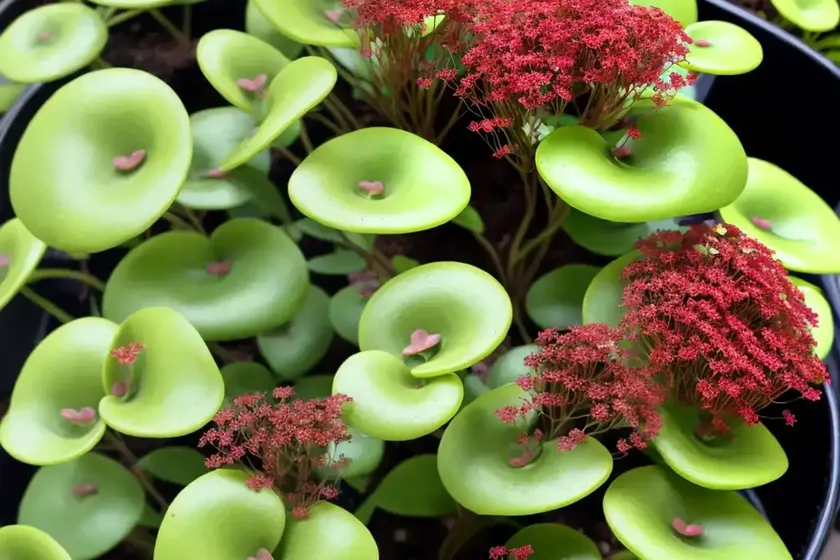
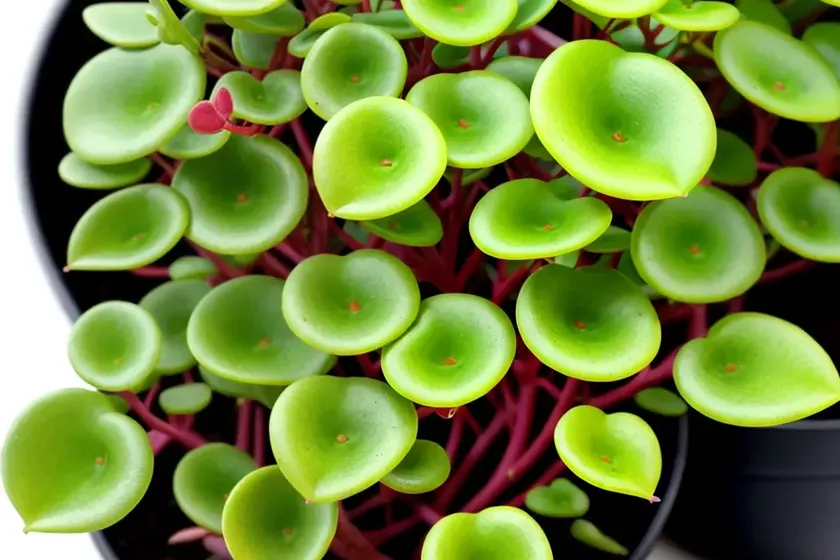
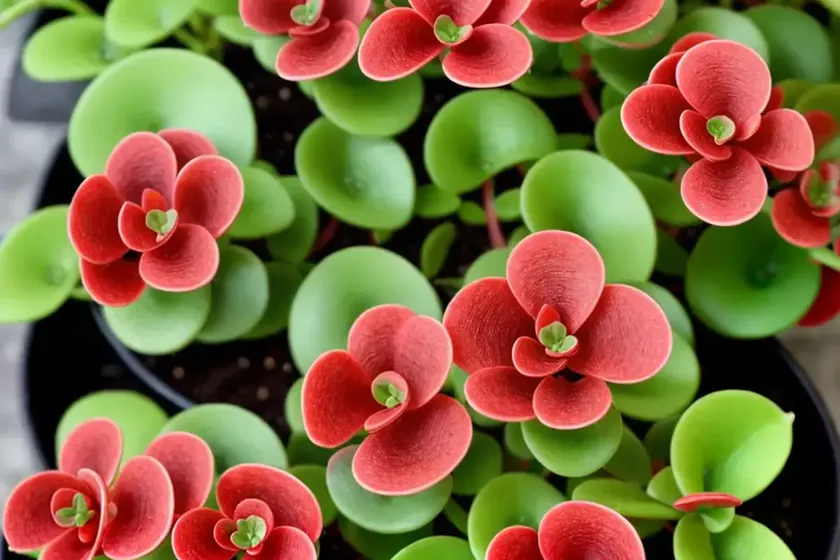
Peperomia graveolens, commonly known as Ruby Glow, is a delightful species of Peperomia appreciated for its stunning foliage and easy-care nature. This charming plant belongs to the Piperaceae family and is native to Central and South America, thriving in warm and tropical climates. Its eye-catching appearance and low-maintenance requirements have made it a popular choice among houseplant enthusiasts and beginners alike.
In this comprehensive care guide, we will delve into the various aspects of caring for Ruby Glow, covering crucial topics such as its cultural requirements, propagation techniques, common diseases and pests, and much more. Whether you’re a seasoned plant parent looking to expand your collection or a novice eager to kickstart your indoor gardening journey, this guide will equip you with the knowledge and tips needed to cultivate thriving Ruby Glow plants in your home.
Key Takeaways – Ruby Glow (Peperomia graveolens)
Before we deep dive into the specifics of caring for Ruby Glow, let’s outline the core takeaways of this comprehensive guide:
- Plant Name: Ruby Glow (Peperomia graveolens)
- Family: Piperaceae
- Native to: Central and South America
- Common Names: Ruby Peperomia, Ruby Glow Peperomia
- Type: Perennial, Evergreen
- Light Requirements: Bright, indirect light
- Watering: Moderate, allow the topsoil to dry out between waterings
- Soil Type: Well-draining, aerated soil mix
- Fertilization: Diluted, balanced fertilizer during the growing season
- Propagation: Leaf and stem cuttings, division
- Common Diseases: Leaf spot, root rot
- Common Pests: Mealybugs, spider mites
- Toxicity: Non-toxic to humans and pets
- Growth Rate: Slow to moderate
- Mature Height: 6-8 inches
- Temperature Preferences: Warm, consistent temperatures
- Humidity Needs: Moderate to high humidity
- Container Size: Small to medium-sized pots
With these key takeaways in mind, let’s explore the essential aspects of caring for Ruby Glow in greater detail.
Culture
Understanding the cultural requirements of Ruby Glow is pivotal to its overall health and vitality. By emulating its native habitat conditions, you can ensure that your plant thrives and flourishes in your home environment.
Uses
- Indoor Ornamental Plant: Ruby Glow is primarily grown as an indoor ornamental plant, adding a pop of color and texture to living spaces, offices, and various indoor settings.
- Terrariums and Dish Gardens: Its compact size and attractive foliage make it an ideal candidate for terrariums, dish gardens, and other enclosed plant arrangements.
Water
Proper watering is critical to the well-being of Ruby Glow. As with many succulent and semi-succulent plants, overwatering can lead to issues such as root rot, while underwatering can cause dehydration and stunted growth.
-
Water Requirements: Water your Ruby Glow moderately, allowing the top inch of the soil to dry out before watering again. Test the moisture level by inserting your finger into the soil – if it feels dry at a depth of around 1 inch, it’s time to water.
-
Watering Frequency: Typically, you may need to water your Ruby Glow every 1-2 weeks during the growing season (spring and summer). In the dormant season (fall and winter), reduce the frequency to around once a month, adjusting based on environmental factors such as indoor humidity levels and temperature.
-
Watering Technique: When watering, aim to moisten the entire root ball evenly. Water from the top and allow excess water to drain out from the bottom of the pot to prevent waterlogging.
Sunlight
Adequate light is crucial for the overall appearance and growth of Ruby Glow. While it appreciates bright light, it’s essential to shield it from direct sun, especially during the intense midday hours.
-
Light Requirements: Place your Ruby Glow in a location with bright, indirect light. This could be near a north or east-facing window, where it can receive ample natural light without being exposed to direct sun rays.
-
Light Considerations: If the natural light in your home is limited, you can supplement with artificial grow lights to ensure that your Ruby Glow receives sufficient illumination for robust growth and vibrant foliage.
Fertilizer
Proper fertilization can boost the growth and vitality of your Ruby Glow plant. By providing essential nutrients, you can encourage lush foliage and promote overall plant health.
-
Fertilizer Type: Use a balanced, water-soluble fertilizer formulated for houseplants or foliage plants. Look for a fertilizer with an N-P-K ratio of around 10-10-10 or similar.
-
Fertilizing Schedule: During the active growing season (spring and summer), feed your Ruby Glow once a month with a diluted fertilizer solution. In the dormant season (fall and winter), you can withhold fertilization or reduce the frequency to every 6-8 weeks, as the plant’s growth slows down during this time.
-
Application Method: Dilute the fertilizer to half or quarter strength as recommended on the product label, then apply it to the moist soil to avoid potential root burn. Always follow the instructions provided by the fertilizer manufacturer for the best results.
Soil
The right soil composition is fundamental to the overall well-being of Ruby Glow. An airy, well-draining soil mix provides the ideal foundation for healthy root development and minimizes the risk of waterlogged conditions.
-
Soil Type: Use a well-draining potting mix tailored for succulents or cacti. Alternatively, you can create a custom soil blend by combining regular potting soil with perlite or coarse sand to enhance drainage and aeration.
-
Soil Considerations: Look for a soil mix that is light, porous, and provides excellent air circulation to the roots. Avoid heavy, moisture-retentive soils, as they can lead to issues such as root rot and poor aeration.
Pruning
Regular pruning and maintenance can help shape and rejuvenate your Ruby Glow plant, promoting a tidy appearance and encouraging new growth.
-
Pruning Objectives: Trim leggy or overgrown stems to maintain a compact and bushy form. Additionally, remove any yellowing or damaged leaves to enhance the plant’s aesthetics and overall health.
-
Pruning Technique: When pruning, use clean, sharp scissors or pruning shears to make precise cuts. Aim to trim just above a leaf node or joint to encourage new growth from that point.
Propagation
If you wish to expand your collection of Ruby Glow plants or share its beauty with fellow plant enthusiasts, propagation offers an exciting opportunity to multiply your existing plant stock.
-
Propagation Methods: Ruby Glow can be propagated through leaf cuttings or stem cuttings. Both methods can yield successful results, allowing you to create new plants from healthy parent specimens.
-
Leaf Cuttings: Select a healthy, mature leaf, and carefully cut it into sections, ensuring that each cutting contains a portion of the leaf vein. Place the cuttings in a container with moist, well-draining soil, and provide them with gentle, indirect light.
-
Stem Cuttings: Choose a healthy stem section with several leaves, and make a clean cut just below a leaf node. Plant the cuttings in a suitable growing medium, and maintain consistent moisture levels to support root development.
Container Popularity
Given its compact size and attractive foliage, Ruby Glow is a popular choice for various types of containers, including pots, planters, and miniature gardens.
-
Container Types: Due to its modest size, Ruby Glow is well-suited for small to medium-sized pots and containers. It’s often featured in decorative planters, terracotta pots, and hanging baskets to showcase its ornamental qualities.
-
Container Considerations: When selecting a container, ensure that it has drainage holes to prevent water accumulation at the root zone. Additionally, choose a pot that provides ample space for the plant’s root system while complementing its aesthetic appeal.
Common Diseases
While Ruby Glow is generally resistant to many common plant diseases, it can still be susceptible to certain issues under unfavorable growing conditions or neglect.
Disease Diagnosis
Being proactive in identifying and addressing potential diseases can safeguard the health and vigor of your Ruby Glow plant.
-
Leaf Spot: This fungal disease may manifest as dark or discolored spots on the leaves, often accompanied by yellowing or browning of the affected areas. To mitigate leaf spot, ensure proper air circulation around the plant, avoid overhead watering, and promptly remove any infected leaves.
-
Root Rot: Excessive moisture or waterlogged conditions can lead to root rot, characterized by mushy, foul-smelling roots and wilting foliage. To prevent root rot, provide well-draining soil, avoid overwatering, and address any drainage issues in the container.
Common Pests
Various pests can pose a threat to the well-being of Ruby Glow, necessitating vigilant monitoring and proactive pest management strategies.
-
Mealybugs: These small, white, cottony insects may cluster on the foliage and stems, sapping the plant’s sap and causing stunted growth. To control mealybug infestations, you can gently remove them with a cotton swab dipped in rubbing alcohol or introduce natural predators such as ladybugs.
-
Spider Mites: These minuscule arachnids can inflict damage by feeding on the plant’s juices, resulting in stippled or discolored foliage. Boosting humidity levels and using insecticidal soaps or horticultural oils can help combat spider mite populations effectively.
Botanist’s Tips
To further enhance your success in cultivating healthy and thriving Ruby Glow plants, consider these expert tips and best practices from Botanists and experienced plant enthusiasts.
-
Humidity Enhancement: Given its native habitat in tropical regions, Ruby Glow thrives in moderate to high humidity. To elevate humidity levels around the plant, you can employ methods such as misting, using a humidifier, or placing the pot on a pebble tray filled with water.
-
Temperature Stability: Maintain consistent, warm temperatures around your Ruby Glow plant, avoiding sudden fluctuations and drafts. Temperatures within the range of 65-75°F (18-24°C) are generally suitable for optimal growth and health.
-
Adequate Air Circulation: Promote proper ventilation and air movement around the plant to minimize stagnant air and reduce the risk of fungal diseases. Opening windows, using fans, and avoiding overcrowding of plants can contribute to better air circulation.
Fun Facts
- Leaf Variegation: Ruby Glow is prized for its attractive foliage, featuring stunning variegation in shades of green and red, adding a vibrant touch to indoor spaces.
- Leaf Propagation: Due to its leaf structure, Ruby Glow can be propagated through leaf cuttings, offering an exciting propagation method that showcases the plant’s unique characteristics.
- Pet-Friendly Nature: Unlike certain plants that are toxic to pets, Ruby Glow is non-toxic to cats, dogs, and other household pets, making it a safe and pet-friendly plant choice.
Links to External Resources
For additional insights and in-depth information on Ruby Glow (Peperomia graveolens) care and cultivation, consider exploring the following reputable external resources:
- “Ruby Glow Peperomia Care: How to Grow a Ruby Glow Plant” – The Spruce
- “Peperomia graveolens Care and Growing Guide” – Our House Plants
- “How to Grow and Care for Peperomia” – Plant Care Today
By consulting these reputable sources, you can expand your knowledge and gain valuable insights into the optimal care techniques for Ruby Glow (Peperomia graveolens), empowering you to provide the best possible growing conditions for your beloved plant.
In conclusion, Ruby Glow (Peperomia graveolens) is a captivating and low-maintenance plant that holds immense decorative and horticultural appeal. By embracing the guidelines and tips presented in this comprehensive care guide, you can embark on a rewarding journey of nurturing and enjoying the beauty of Ruby Glow within your indoor environment. Whether you’re drawn to its striking foliage, ease of care, or propagation potential, Ruby Glow stands as an exemplary choice for enriching your plant collection and infusing your surroundings with natural charm and vibrancy.


