Pincushion Peperomia (Peperomia Ferreyrae)
As a plant scientist, I find great joy in exploring and understanding the complexities of various plant species. One plant that has captured my attention.
As a plant scientist, I find great joy in exploring and understanding the complexities of various plant species. One plant that has captured my attention is the Pincushion Peperomia (Peperomia ferreyrae). This unique and charming plant is known for its ornamental qualities and relatively easy care requirements. In this comprehensive guide, I will delve deep into the characteristics, care needs, propagation methods, and much more related to the Pincushion Peperomia. Whether you’re a seasoned plant enthusiast or a beginner looking to add a touch of green to your space, this guide will equip you with the knowledge needed to cultivate and appreciate the beauty of the Pincushion Peperomia.
What is Pincushion Peperomia (Peperomia ferreyrae)?
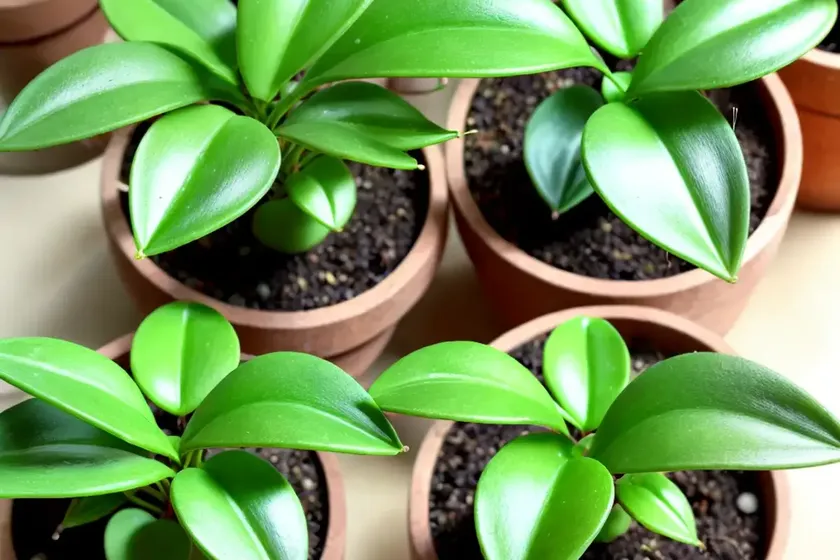
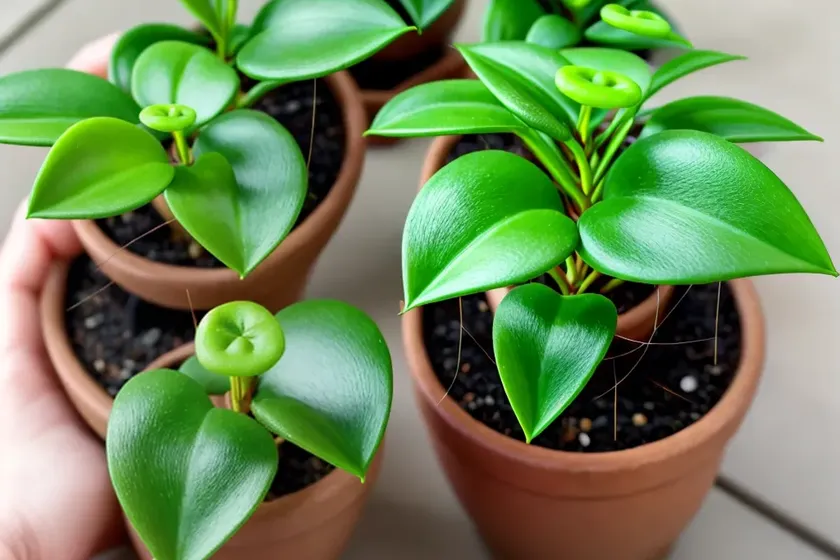
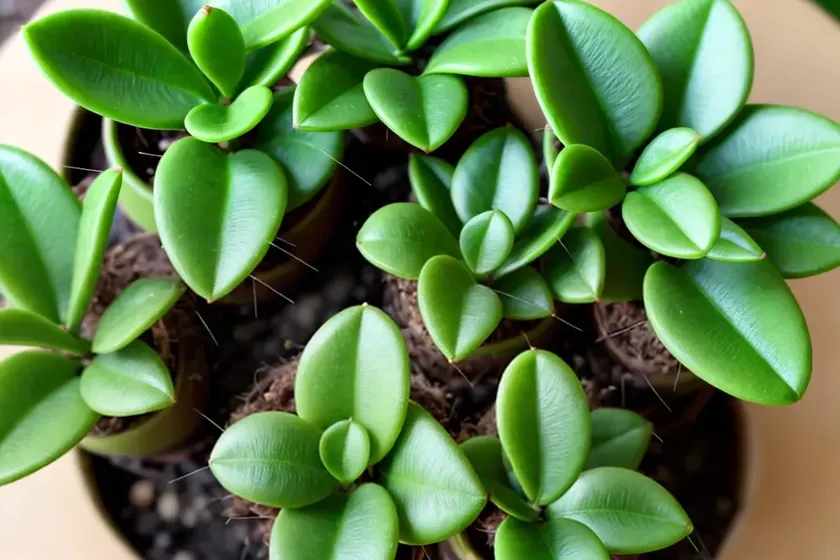
The Pincushion Peperomia, scientifically known as Peperomia ferreyrae, is a delightful succulent species belonging to the Piperaceae family. Originating from Peru, this plant is characterized by its upright growth habit, sturdy stems, and distinctive cylindrical leaves that closely resemble little green beads or pincushions, hence its common name. The elongated leaves, which grow in a rosette pattern along the stems, contribute to the plant’s unique and appealing appearance.
Key Takeaways – Pincushion Peperomia (Peperomia ferreyrae)
Before we dive into the specifics of caring for the Pincushion Peperomia, let’s establish a brief overview of what to expect. Here are the key takeaways that will guide us through the various aspects of this fascinating plant:
- Plant Name: Pincushion Peperomia (Peperomia ferreyrae)
- Scientific Name: Peperomia ferreyrae
- Family: Piperaceae
- Common Names: Pincushion Peperomia, Happy Bean, Desert Privet
- Type: Succulent, Ornamental Plant
- Native Habitat: Peru
- Growth Habit: Upright, Compact
- Distinctive Feature: Cylindrical, Succulent Leaves
Now that we have a foundational understanding of the Pincushion Peperomia, let’s explore the specific care requirements and characteristics that contribute to its overall appeal.
Culture
Understanding the cultural preferences of the Pincushion Peperomia is crucial in ensuring its health and vitality. From its ideal lighting conditions to its preferred growth medium, let’s explore the various cultural aspects that influence the well-being of this captivating plant.
Water
The water needs of the Pincushion Peperomia are relatively straightforward, making it a suitable choice for individuals who may not have the greenest thumb. Like many succulent species, the Pincushion Peperomia exhibits a preference for slightly drier conditions, making overwatering a potential concern. Here are some key considerations for watering the Pincushion Peperomia:
- Watering Frequency: Allow the soil to dry out partially between waterings. Aim to water the plant when the top layer of the soil feels dry to the touch.
- Avoid Waterlogged Soil: Ensure proper drainage in the pot to prevent water from accumulating around the roots, which can lead to rot and other issues.
Sunlight
Proper sunlight is essential for the Pincushion Peperomia to thrive and maintain its compact, upright growth. While this plant appreciates bright light, it is essential to strike a balance to prevent potential sun damage. Here’s what you need to know about providing the right amount of sunlight for your Pincushion Peperomia:
- Light Requirements: Place the Pincushion Peperomia in bright, indirect light. Avoid exposing it to harsh, direct sunlight, especially during the hottest parts of the day.
- Adjusting Light Levels: While the Pincushion Peperomia enjoys bright conditions, be mindful of intense afternoon sunlight, which can scorch the delicate leaves. Consider filtering the light or providing dappled shade to protect the plant from excessive exposure.
Fertilizer
Fertilizing the Pincushion Peperomia is an important aspect of its care routine, as it ensures adequate nutrition for healthy growth and vitality. However, it is crucial to approach fertilization with moderation and attentiveness to prevent potential issues. Here’s a rundown of the fertilizer needs of this succulent plant:
- Fertilizing Frequency: Apply a balanced, water-soluble fertilizer at half strength every 4-6 weeks during the growing season (spring and summer). Refrain from fertilizing during the dormant period in fall and winter.
- Avoid Excess Feeding: Over-fertilization can lead to salt buildup in the soil and cause damage to the plant. Dilute the fertilizer as per the manufacturer’s recommendations to prevent nutrient toxicity.
Soil
Selecting the appropriate soil type is critical in providing the Pincushion Peperomia with a supportive and well-draining medium for root development. While this plant has specific preferences, ensuring the right soil conditions can contribute to its overall health. Consider the following soil recommendations for the Pincushion Peperomia:
- Well-Draining Mix: Opt for a well-draining, lightweight potting mix tailored for succulent or cacti species. A mix that provides aeration and prevents waterlogging is ideal for the Pincushion Peperomia’s root system.
- Enhancing Drainage: Consider adding perlite or coarse sand to the potting mix to improve drainage and prevent excess moisture around the roots.
Pruning
Pruning plays a role in maintaining the Pincushion Peperomia’s compact and attractive appearance. While this plant generally requires minimal pruning, occasional maintenance can help manage its growth and ensure a tidy presentation. Here’s what to keep in mind when it comes to pruning your Pincushion Peperomia:
- Removing Yellowed Leaves: Periodically remove any yellowed or damaged leaves to encourage new growth and maintain the plant’s aesthetics.
- Managing Leggy Growth: Trim back excessively long stems to promote a bushier, more compact habit. Ensure that you use clean, sharp pruning shears to prevent damage to the plant.
Propagation
Developing new Pincushion Peperomia plants through propagation can be a rewarding process for plant enthusiasts. Whether you’re expanding your collection or sharing these charming succulents with friends, understanding the propagation methods is key to success. Let’s explore the different approaches to propagating the Pincushion Peperomia:
- Leaf Cuttings: Propagate the Pincushion Peperomia by taking leaf cuttings, ensuring that each cutting includes a portion of the stem. Allow the cuttings to callus before planting them in a well-draining propagation medium.
- Stem Cuttings: Alternatively, you can propagate the Pincushion Peperomia from stem cuttings. Select healthy stems and cut them into sections, ensuring that each cutting has at least one leaf. Plant the stem cuttings in a suitable propagation mix and provide the ideal conditions for root development.
Container Popularity
The Pincushion Peperomia’s compact and visually appealing growth habit makes it a popular choice for various container options. Whether you’re showcasing it as a standalone feature or integrating it into a mixed arrangement, the Pincushion Peperomia can thrive in diverse container settings. Consider the following container popularity factors for this delightful plant:
- Suitable Containers: Opt for containers with adequate drainage holes to prevent waterlogging. Select pots or containers that are proportionate to the plant’s size, providing ample space for root development.
- Decorative Displays: The Pincushion Peperomia’s charming foliage makes it an excellent candidate for decorative containers and arrangements, adding a touch of elegance to indoor and outdoor spaces.
Common Diseases
As with any plant, the Pincushion Peperomia is susceptible to certain diseases and issues that can impact its overall well-being. Understanding the common diseases and potential concerns associated with this plant is crucial in safeguarding its health. Let’s explore some of the common diseases and issues that may affect the Pincushion Peperomia:
- Root Rot: Excessive moisture or poor drainage can lead to root rot, causing the plant’s roots to decay. To prevent this issue, ensure that the soil is well-draining and avoid overwatering.
- Fungal Infections: The Pincushion Peperomia may be prone to fungal infections, especially in high-humidity environments. Keep the plant’s surroundings well-ventilated to discourage fungal growth.
- Pest Infestations: While not a disease, pest infestations can pose a threat to the Pincushion Peperomia. Keep an eye out for common pests such as mealybugs and spider mites, and take prompt action to mitigate infestations.
Disease Diagnosis
Diagnosing and addressing potential diseases and issues early on is crucial in preventing significant damage to the Pincushion Peperomia. By familiarizing yourself with the symptoms and signs of common problems, you can take proactive measures to maintain the plant’s health. Here’s a concise guide to diagnosing potential diseases and issues in the Pincushion Peperomia:
- Symptoms of Root Rot: Yellowing and wilting of leaves, accompanied by a foul odor from the soil, may indicate the onset of root rot. Carefully inspect the plant’s roots for signs of decay and address any issues promptly.
- Fungal Infection Indicators: Keep an eye out for unusual spots or discoloration on the plant’s leaves, which may signify the presence of fungal infections. Additionally, monitor the plant for wilting or stunted growth, which can be indicative of fungal issues.
- Pest Presence: Regularly inspect the Pincushion Peperomia for signs of pests, such as webbing, tiny insects, or stippling on the leaves. Identifying and addressing pest infestations early can prevent damage to the plant.
Common Pests
Pest infestations can pose a threat to the overall health and vigor of the Pincushion Peperomia. Understanding the common pests that may target this plant and implementing effective control measures is essential in protecting its well-being. Here are some of the common pests that the Pincushion Peperomia may encounter:
- Mealybugs: These small, cottony pests can cluster on the undersides of leaves and along the stems, feeding on the plant’s sap.
- Spider Mites: Spider mites are tiny arachnids that can cause stippling and webbing on the leaves, leading to diminished plant health.
- Scale Insects: Scale insects may appear as raised, waxy bumps on the plant, potentially causing damage through sap depletion.
Botanist’s Tips
Drawing from my experience and expertise in plant science, I’d like to share some valuable botanist’s tips for cultivating and caring for the Pincushion Peperomia. These insights are designed to aid plant enthusiasts in maximizing the health and vibrancy of this charming succulent species:
- Balanced Watering: Strike a balance with watering, allowing the soil to dry out slightly between waterings to prevent excessive moisture around the roots.
- Gentle Pruning: When pruning the Pincushion Peperomia, employ gentle and deliberate techniques to maintain its natural form while removing any damaged or unsightly growth.
- Mindful Fertilization: Exercise caution when fertilizing, ensuring that you follow the recommended dilution and frequency to avoid overfeeding the plant.
Fun Facts
Before we conclude our comprehensive guide to the Pincushion Peperomia, let’s explore some fun and intriguing facts about this endearing succulent:
- Air Purifying Qualities: The Pincushion Peperomia possesses air-purifying properties, contributing to improved air quality when grown indoors.
- Decorative Uses: Due to its charming appearance and compact growth habit, the Pincushion Peperomia is often used in terrariums, desktop gardens, and other decorative displays.
- Unique Leaf Texture: The cylindrical leaves of the Pincushion Peperomia feature a distinct texture, adding visual interest to this captivating plant.
Links to External Resources
To further enhance your understanding of the Pincushion Peperomia and its care requirements, I highly recommend exploring the following external resources:
- Peperomia ferreyrae care guide – The Spruce
- Pincushion Peperomia plant care tips – Gardening Know How
- Peperomia ferreyrae propagation methods – World of Succulents
- Pincushion Peperomia common problems – Houseplant Central
- Peperomia ferreyrae indoor care – Joy Us Garden
As you embark on your journey of caring for the Pincushion Peperomia, I encourage you to leverage these valuable resources for additional insights and guidance.
In this comprehensive plant care guide, we’ve delved into the fascinating world of the Pincushion Peperomia (Peperomia ferreyrae), exploring its cultural preferences, propagation methods, potential issues, and much more. As you apply the knowledge and recommendations outlined in this guide, I trust that you’ll experience the joys of nurturing and appreciating this charming succulent species. Whether you’re drawn to its distinctive appearance, air-purifying qualities, or ease of care, the Pincushion Peperomia is a delightful addition to any plant collection. By understanding and catering to its specific needs, you can foster a thriving and visually captivating Pincushion Peperomia in your own indoor or outdoor space.


