Alpine Strawberry (Fragaria Vesca)
Alpine strawberries, scientifically known as Fragaria vesca, are delightful and versatile plants that belong to the Rosaceae family. These small yet mighty.



Alpine strawberries, scientifically known as Fragaria vesca, are delightful and versatile plants that belong to the Rosaceae family. These small yet mighty fruits are known for their sweet, aromatic flavor and are a popular choice for both novice and experienced gardeners. In this comprehensive plant guide, we will delve into the intricacies of cultivating and caring for Alpine strawberries, from understanding their biology to providing the best growing conditions and managing common diseases and pests. Whether you are a gardening enthusiast or someone looking to enhance their knowledge of plant science, this article will serve as an invaluable resource.
What is the Alpine Strawberry (Fragaria vesca)?
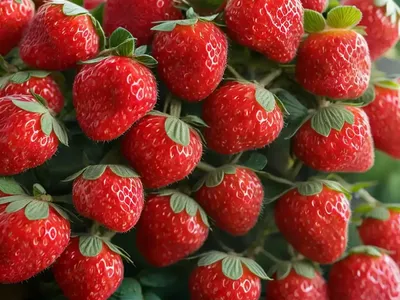
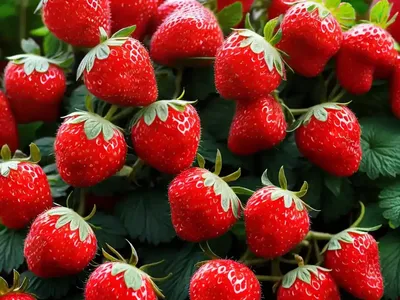
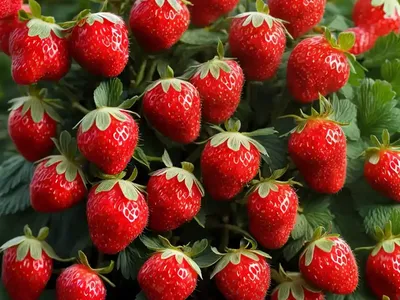
Alpine strawberries, also known as woodland strawberries, are perennial plants that are native to Europe, as well as parts of Asia and North America. They are distinct from the standard garden strawberry (Fragaria x ananassa) in that they produce smaller, more delicate fruits and are typically known for their exceptional flavor. The Alpine strawberry plant is characterized by its trifoliate leaves and delicate white flowers, which eventually give way to the delectable fruits. The botanical name, Fragaria vesca, aptly captures the essence of this species, with “fragaria” referring to its fragrance and “vesca” denoting its edibility.
Key Takeaways – Alpine Strawberry (Fragaria vesca)
Before delving into the specifics of cultivating Alpine strawberries, it is important to highlight the key takeaways associated with growing and caring for these plants. This section will provide a succinct overview of the crucial factors that contribute to the successful cultivation of Alpine strawberries.
Culture
- Alpine strawberries thrive in cool, temperate climates and are resilient to frost.
- They can be grown both in traditional garden beds and containers, making them suitable for various gardening preferences.
- These plants have a trailing growth habit, making them ideal for hanging baskets or providing ground cover in garden beds.
Uses
- The fruits of the Alpine strawberry plant are prized for their exceptional flavor, often described as a harmonious blend of sweetness and tartness.
- They are a versatile ingredient in culinary creations, including jams, desserts, and salads, and can be enjoyed fresh off the plant.
Water
- Consistent watering is essential for Alpine strawberries, especially during the fruiting period.
- While they prefer moist, well-draining soil, they are susceptible to root rot if overwatered.
Sunlight
- Alpine strawberries thrive in partial shade to full sun, although they may benefit from some protection during hot summers.
Fertilizer
- These plants respond well to organic fertilizers and benefit from regular feeding during the growing season.
Soil
- Well-draining, fertile soil with a slightly acidic to neutral pH is ideal for cultivating Alpine strawberries.
- Amending the soil with organic matter can enhance its fertility and structure, promoting optimal growth.
Pruning
- Regular pruning can help maintain the vigor and productivity of Alpine strawberry plants, especially by removing old or diseased foliage.
Propagation
- Alpine strawberries can be propagated through seeds, division of runners, or by rooting runners in potting mix.
Container Popularity
- Growing Alpine strawberries in containers is popular due to their compact size and trailing habit, making them suitable for balcony or patio gardens.
Container Common Diseases
- Container-grown Alpine strawberries may be susceptible to root rot and fungal diseases if proper drainage and airflow are not maintained.
Disease Diagnosis
- Keeping a vigilant eye on the foliage and fruits can aid in the early detection of diseases, allowing for timely intervention and management.
Common Pests
- Aphids, spider mites, and slugs are among the common pests that may afflict Alpine strawberry plants.
Botanist’s Tips
- Providing adequate airflow, maintaining good hygiene, and utilizing natural enemies can contribute to pest and disease management.
Fun Facts
- The Fragaria vesca plant is not only valued for its fruits but also for its ornamental beauty, making it a multifaceted addition to gardens.
Links to External Resources
- For a deeper understanding of Alpine strawberries and their cultivation, refer to the following comprehensive resources:
- Royal Horticultural Society – Strawberry Growing Guide
- University of California – Sustainable Strawberry Production
- The University of Vermont – Strawberries in the Home Garden
With these key takeaways in mind, we will now explore each aspect of Alpine strawberry cultivation with a keen focus on providing detailed insights and practical tips for gardening success.
Alpine Strawberry Varieties
Before delving into the intricacies of cultivating Alpine strawberries, it is essential to understand the diverse varieties available, each with its unique characteristics and growing requirements. While there is a broad spectrum of Alpine strawberry varieties, some popular cultivars that are favored by gardeners include:
- ‘Alexandria’ – Known for its vigorous growth and abundance of sweet, aromatic fruits.
- ‘Ruegen’ – A German heirloom variety celebrated for its intense flavor and large yields of fruits.
- ‘Mignonette’ – Renowned for its exceptionally sweet and flavorful fruits, often compared to wild strawberries.
- ‘Pineapple Crush’ – A modern variety with a pineapple-like aroma and a trailing growth habit, making it ideal for hanging baskets.
- ‘Yellow Wonder’ – Distinct for its golden-yellow fruits with a delightful pineapple-like flavor.
Each of these varieties presents unique characteristics, ensuring that gardeners can select a cultivar that aligns with their preferences and growing conditions. Additionally, the choice of variety can significantly impact the overall success and enjoyment of cultivating Alpine strawberries.
Fragaria vesca Cultivation
Growing Alpine Strawberries
Successful cultivation of Alpine strawberries begins with selecting an appropriate site and understanding the requirements for nurturing these plants to their full potential. Here are the essential steps for cultivating Alpine strawberries:
-
Site Selection: Choose a site that receives partial to full sun and has well-draining, fertile soil. While Alpine strawberries are adaptable, they thrive in locations with consistent airflow and protection from extreme heat.
-
Soil Preparation: Prepare the soil by incorporating organic matter, such as compost or well-rotted manure, to enhance its fertility and structure. Aim for a slightly acidic to neutral pH, ideally ranging between 5.5 and 6.5.
-
Planting: Alpine strawberries can be grown from seeds, bare-root crowns, or nursery transplants. Plant them at a spacing of approximately 12-18 inches apart, ensuring adequate room for their trailing growth habit.
-
Watering: Maintain consistent moisture levels in the soil, ensuring that it remains evenly moist but not waterlogged. During hot and dry periods, regular watering is crucial to support fruit development.
-
Fertilization: Organic fertilizers, such as compost or well-balanced organic formulations, can be applied before planting and during the growing season to provide essential nutrients for healthy growth and productivity.
-
Mulching: Apply a layer of organic mulch, such as straw or wood chips, around the plants to conserve moisture, suppress weeds, and moderate soil temperature.
-
Support: If cultivating Alpine strawberries in containers or hanging baskets, provide adequate support to prevent the delicate trailing stems from becoming damaged.
Tips for Growing Fragaria vesca
To optimize the growth and productivity of Fragaria vesca, gardeners can follow these invaluable tips:
- Companion Plants: Consider planting Alpine strawberries alongside companion plants like chives, lettuce, or spinach, which can mutually benefit from their proximity.
- Moisture Management: Regular monitoring of soil moisture is essential, as both excessive dryness and waterlogging can negatively impact plant health.
- Pest Vigilance: Regularly inspect foliage and fruits for signs of pest infestations, enabling prompt intervention to mitigate potential damage.
By adhering to these foundational principles and tips, gardeners can lay the groundwork for cultivating thriving and bountiful Alpine strawberries.
Alpine Strawberries in Containers
The versatility of Alpine strawberries extends to their adaptability to container gardening, offering a convenient option for individuals with limited garden space or those seeking to elevate their patio or balcony with a touch of greenery and delectable fruits. When growing Alpine strawberries in containers, several considerations should be taken into account to ensure their optimal growth and productivity.
Fragaria vesca Care Guide
Container Selection
Selecting the appropriate container is pivotal to the success of growing Alpine strawberries. Consider the following factors when choosing a container:
- Size: Opt for a spacious container that allows ample room for the plants to spread and produce runners. A minimum diameter of 12 inches is typically recommended for individual plants.
- Drainage: Ensure that the container has adequate drainage holes to prevent waterlogging, as proper drainage is crucial for the overall health of Alpine strawberries.
Potting Mix
Selecting a high-quality potting mix is essential for providing the necessary support and nutrients for Alpine strawberries. An ideal potting mix should possess the following characteristics:
- Well-Draining: The mix should facilitate efficient water drainage, preventing the accumulation of excess moisture.
- Fertility: Choose a potting mix enriched with organic matter to provide essential nutrients for healthy plant growth.
Watering and Maintenance
Container-grown Alpine strawberries require attentive maintenance and watering practices to thrive. Here are essential considerations for their care:
- Watering: Ensure that the potting mix remains consistently moist, but not saturated, by regularly checking the soil moisture and adjusting watering frequency as needed.
- Fertilization: Apply a balanced, water-soluble fertilizer at half-strength every 2-3 weeks during the growing season to supplement the nutrient requirements of container-grown Alpine strawberries.
Sunlight and Temperature
Providing the right growing conditions in terms of sunlight and temperature is pivotal for container-grown Alpine strawberries. Consider the following guidelines for optimal growth:
- Sunlight: Position the containers in a location that receives at least 6-8 hours of direct sunlight daily to promote healthy growth and fruit production.
- Temperature: Protect the containers from extreme heat by providing partial shade during the hottest parts of the day, particularly in regions with scorching summers.
Alpine Strawberry Companion Plants
When growing Alpine strawberries in containers, selecting suitable companion plants can enhance the overall aesthetics and productivity of the container garden. Consider these compatible companion plants for a harmonious and thriving container garden:
- Lettuce: The compact growth habit and vibrant foliage of lettuce can complement the trailing nature of Alpine strawberries, creating an appealing visual contrast.
- Nasturtium: The trailing vines and colorful blossoms of nasturtium can add a vibrant and cascading element to the container, contributing to a visually appealing display.
Fragaria vesca Soil Requirements
The soil requirements for container-grown Alpine strawberries are critical for promoting healthy growth and bountiful fruit production. It is essential to ensure that the potting mix meets the following criteria:
- Well-Draining: The potting mix should facilitate efficient drainage to prevent waterlogging and potential root rot.
- Nutrient-Rich: Select a potting mix enriched with organic matter and essential nutrients to sustain the vigorous growth and productivity of Alpine strawberries.
By addressing these essential considerations and providing attentive care, gardeners can cultivate thriving Alpine strawberries in containers, adding a charming and fruitful touch to their outdoor spaces.
Fragaria vesca Disease Control
Despite their resilience, Alpine strawberries are susceptible to certain diseases that can impact their growth and overall health. Understanding the symptoms and management strategies for common diseases is crucial for preemptive measures and effective control.
Disease Diagnosis
Vigilance is key when it comes to diagnosing and managing diseases in Alpine strawberries. Keep a keen eye on the following symptoms and signs of potential diseases:
- Powdery Mildew: White powdery patches on the leaves, often accompanied by leaf distortion and stunted growth.
- Gray Mold (Botrytis cinerea): Grayish mold on fruits and foliage, leading to fruit rot and dieback of plant parts.
- Leaf Spot Diseases: Circular, dark lesions on the foliage, potentially causing defoliation and reduced vigor in the plants.
Fragaria vesca Pests and Remedies
Alpine strawberries are vulnerable to certain pests that can compromise their growth and fruit production. Identifying common pests and implementing suitable remedies is crucial for maintaining plant health.
Common Pests
- Aphids: Small, sap-sucking insects that can cause leaf distortion and yellowing.
- Spider Mites: Tiny mites that can cause stippling on the foliage and webs on the undersides of leaves.
- Slugs: Night-active pests that feed on the fruits and foliage, leaving behind characteristic slime trails.
Pest Control Strategies
- Natural Enemies: Encouraging the presence of pest-controlling predators, such as ladybugs and lacewings, can help manage aphid and mite populations.
- Cultural Practices: Maintaining good hygiene, removing plant debris, and providing adequate airflow can deter pest infestations and limit their impact.
Alpine Strawberry Nutrient Deficiencies
Nutrient deficiencies can manifest in Alpine strawberry plants, leading to diminished growth and productivity. Understanding the symptoms and remedial measures for common nutrient deficiencies is crucial for sustaining healthy plant growth.
Symptoms
- Nitrogen Deficiency: Stunted growth, pale foliage, and reduced fruit production are indicative of nitrogen deficiency.
- Potassium Deficiency: Weak stems, scorched leaf margins, and diminished fruit quality signify potassium deficiency in plants.
Remedial Actions
- Fertilization: Application of a balanced, organic fertilizer can address nutrient deficiencies and promote healthy growth.
- Soil Amendments: Incorporating nutrient-rich organic matter, such as compost and well-rotted manure, can replenish essential elements in the soil.
By promptly diagnosing diseases, implementing pest control strategies, and addressing nutrient deficiencies, gardeners can safeguard the health and vigor of their Alpine strawberry plants, ensuring prolific fruiting and ornamental beauty.
Best Conditions for Alpine Strawberries
Creating the best conditions for cultivating Alpine strawberries is pivotal for maximizing their growth and fruit production. Whether grown in traditional garden beds or containers, the following considerations are essential for providing an optimal environment for these delightful plants:
Sun Exposure
Alpine strawberries thrive in partial shade to full sun, benefiting from at least 6-8 hours of direct sunlight per day. In regions with scorching summers, providing partial shade during the hottest parts of the day can help prevent heat stress and maintain plant health.
Water Requirements
Maintaining consistent soil moisture is crucial for Alpine strawberries, particularly during the fruiting period. While they prefer moist, well-draining soil, it is important to avoid waterlogging, as excessive moisture can lead to root rot and other detrimental conditions.
Soil Amendments
Amending the soil with organic matter, such as compost, well-rotted manure, or peat moss, can enhance its fertility, structure, and water retention capacity. Additionally, incorporating a balanced, organic fertilizer can provide essential nutrients for healthy growth and fruiting.
Frost Protection
In cooler climates, providing frost protection for Alpine strawberries during the winter months is essential to safeguard their crowns and preserve their vigor. Applying a thick layer of mulch around the plants can help insulate them from extreme temperatures and frost damage.
Organic Gardening
Embracing organic gardening practices, such as utilizing organic fertilizers, natural pest control methods, and soil amendments, can promote the health and sustainability of Alpine strawberry plants. Organic gardening minimizes the use of synthetic chemicals, fostering a more environmentally friendly approach to cultivation.
By meticulously addressing these environmental considerations, gardeners can create an idyllic setting for Alpine strawberries to flourish, yielding an abundant harvest of delectable fruits and ornamental allure.
Fragaria vesca Pollination
Alpine strawberries are generally self-fertile, meaning that they are capable of setting fruit without the need for cross-pollination from another plant. The delicate white flowers produced by Alpine strawberries typically contain both male and female reproductive structures, allowing for self-pollination to occur.
Pollinators
While the self-fertility of Alpine strawberries ensures fruit set under normal conditions, the presence of pollinators, such as bees and other beneficial insects, can enhance the process and contribute to more abundant fruit production. Implementing strategies to attract pollinators, such as maintaining a diverse and pollinator-friendly garden, can bolster the pollination process for Alpine strawberries.
Hand Pollination
In cases where pollinator activity may be limited, gardeners can undertake hand pollination to ensure a fruitful harvest. The process involves gently transferring pollen from the stamens to the pistil of the flowers using a small, soft brush or cotton swab. Hand pollination can be particularly beneficial for container-grown Alpine strawberries or in situations where natural pollination may be insufficient.
Flowering Period
Alpine strawberries typically bloom from late spring to early summer, producing dainty white flowers that give way to the formation of the delectable fruits. Understanding the flowering period of these plants enables gardeners to anticipate and manage the subsequent stages of fruit development, ultimately leading to a bountiful harvest.
Fragaria vesca Harvesting
The culmination of nurturing Alpine strawberries is the eagerly anticipated process of harvesting the delectable fruits. To ensure maximum flavor and freshness, it is essential to understand the optimal timing and techniques for harvesting Alpine strawberries.
Harvesting Time
Alpine strawberries are typically ready for harvest from late spring through summer, depending on the specific cultivar and local growing conditions. The fruits should be plucked once they have fully ripened, displaying a rich red color and yielding slightly to gentle pressure.
Fruit Handling
Handle the freshly harvested fruits with care, as they are delicate and prone to bruising. Gently lift the fruits from the plant, taking care to avoid pulling on the delicate stems or causing damage to neighboring foliage.
Yield and Frequency
Alpine strawberry plants can yield fruits continuously throughout the growing season, providing a steady supply of delectable berries for culinary endeavors or enjoying fresh off the plant. Regular harvesting encourages ongoing fruit production and prevents the plants from becoming overburdened.
Culinary Uses
The exceptional flavor and aromatic profile of Alpine strawberries make them a prized ingredient in a diverse array of culinary creations. From jams and preserves to desserts, salads, and refreshing beverages, the fruits of Fragaria vesca can elevate a myriad of dishes with their unique sweetness and tartness.
Seed Saving
For gardeners interested in preserving the characteristics of specific cultivars or perpetuating their Alpine strawberry plants, seed saving offers a means of perpetuating desirable traits. Extracting and storing seeds from ripe fruits enables gardeners to propagate and grow future generations of Alpine strawberries with consistent attributes.
By mastering the art of harvesting Alpine strawberries, gardeners can savor the fruits of their labor and take pleasure in incorporating these delectable berries into their culinary pursuits.
Alpine Strawberry Planting Tips
A successful journey into Alpine strawberry cultivation begins with thoughtful planning and strategic planting practices. By adhering to fundamental planting tips, gardeners can set the stage for robust growth and prolific fruiting of the Fragaria vesca plants.
Seed Starting
For gardeners interested in starting Alpine strawberries from seeds, the following tips can set the foundation for successful germination and early growth:
- Stratification: To break seed dormancy, place the seeds in a moist substrate and refrigerate them for 3-4 weeks before sowing to simulate the natural winter chilling process.
- Sowing Depth: