Pennisetum Alopecuroides ‘Little Bunny’ (Fountain Grass)
Ornamental grasses have become increasingly popular in landscaping and gardening due to their low maintenance, aesthetic appeal, and versatility. Among the.
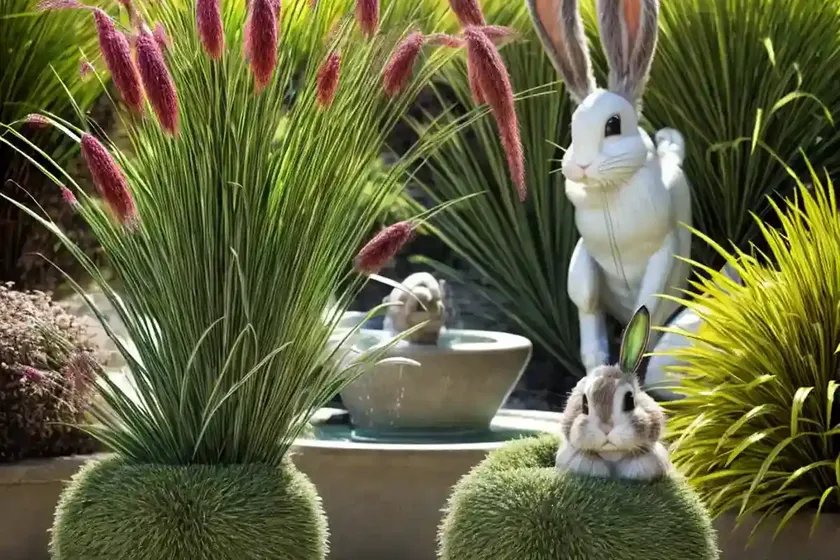
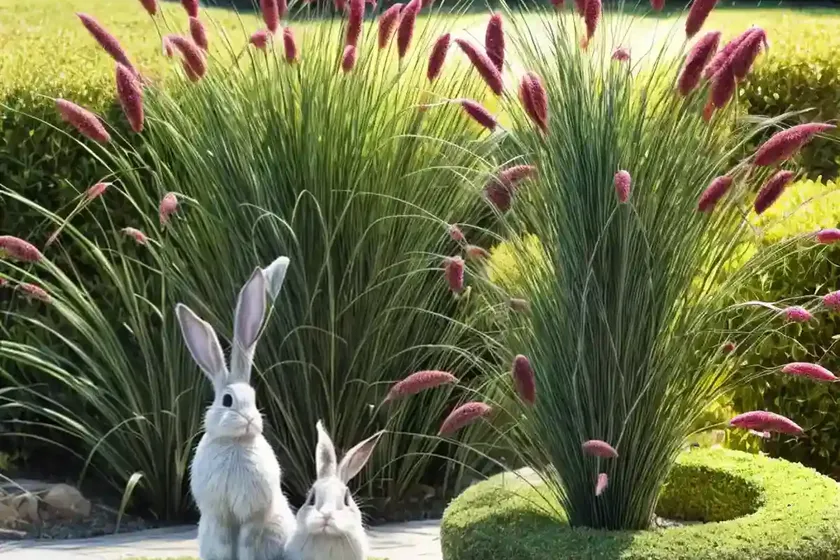
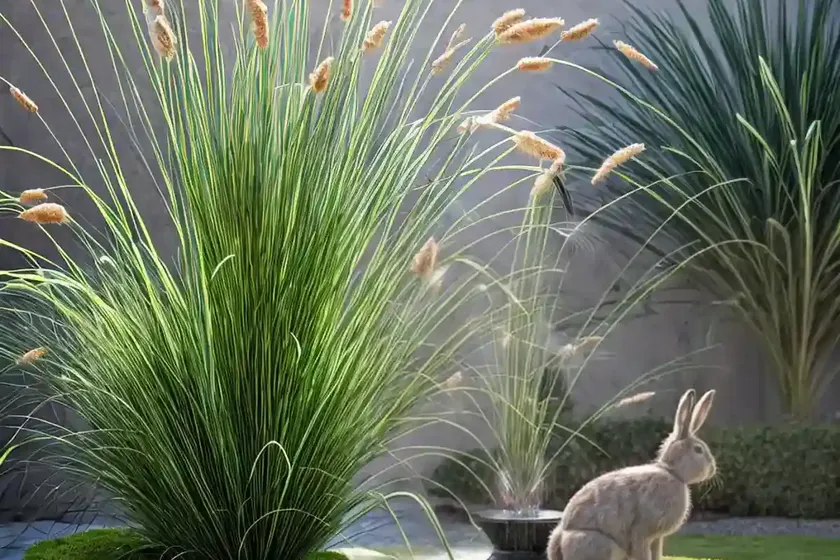
Ornamental grasses have become increasingly popular in landscaping and gardening due to their low maintenance, aesthetic appeal, and versatility. Among the diverse range of ornamental grasses, Pennisetum alopecuroides ‘Little Bunny,’ commonly known as Fountain Grass, has gained a strong following for its compact size and graceful appearance. In this comprehensive guide, we will delve into the key aspects of Pennisetum alopecuroides ‘Little Bunny,’ from its cultural requirements to its landscape uses, and provide valuable insights for plant enthusiasts and horticulturists.
What is Pennisetum alopecuroides ‘Little Bunny’?
Pennisetum alopecuroides ‘Little Bunny’ is a delightful dwarf fountain grass that belongs to the Poaceae family. This perennial grass is renowned for its compact size, making it an ideal choice for small gardens, containers, and borders. Its graceful arching foliage, fluffy cream-colored plumes, and low-maintenance nature contribute to its widespread popularity among gardeners and landscapers.
Key Takeaways – Pennisetum alopecuroides ‘Little Bunny’ (Fountain Grass)
Here are the essential elements we will explore in this guide:
- Plant Name: Pennisetum alopecuroides ‘Little Bunny’ (Fountain Grass)
- Common Names: Dwarf Fountain Grass, Little Bunny Fountain Grass, Bunny Tail Grass
- Family: Poaceae
- Type: Perennial Ornamental Grass
The subsequent sections will cover various aspects of this charming grass, including its cultural requirements, uses in landscaping, maintenance guidelines, propagation techniques, common diseases and pests, and fascinating facts.
Culture of Pennisetum alopecuroides ‘Little Bunny’
The successful cultivation of Pennisetum alopecuroides ‘Little Bunny’ relies on an understanding of its cultural preferences, including water requirements, sunlight exposure, soil conditions, and fertilization needs. Let’s delve into each of these vital aspects.
Water
Fountain grasses, including Pennisetum alopecuroides ‘Little Bunny,’ generally exhibit good drought tolerance once established. However, regular watering is essential, particularly during the initial growth phase and in periods of prolonged dryness. Adequate moisture levels are crucial for promoting healthy foliage and flower development. On average, providing 1 to 1.5 inches of water per week is recommended, ensuring that the soil is well-drained to prevent waterlogging, which can lead to root rot.
Sunlight
As with many ornamental grasses, Pennisetum alopecuroides ‘Little Bunny’ thrives in full sunlight, although it can also tolerate partial shade. When grown in full sun, the plant typically exhibits enhanced foliage coloration and a more robust growth habit. In regions with intense summer heat, providing some afternoon shade can help prevent excessive stress on the plant.
Fertilizer
Fountain grasses are not heavy feeders, and excessive fertilization can lead to overly lush foliage at the expense of prolific flowering. To maintain balanced growth and flowering, it is advisable to apply a balanced, slow-release fertilizer in early spring as new growth emerges. A general-purpose fertilizer with an N-P-K ratio of 10-10-10 or similar composition can provide the necessary nutrients without promoting excessive vegetative growth.
Soil
Pennisetum alopecuroides ‘Little Bunny’ thrives in well-drained, fertile soil with a slightly acidic to neutral pH range. Loamy soils with good organic content are ideal for promoting healthy growth and flowering. Additionally, incorporating organic matter into the soil during planting or as a topdressing in spring can improve soil structure and fertility, supporting the plant’s overall vigor.
Pruning
Pruning Pennisetum alopecuroides ‘Little Bunny’ is a straightforward process that primarily involves tidying up the plant and managing its size. While the grass exhibits an attractive winter interest with its persistent foliage and seed heads, a rejuvenation pruning in late winter or early spring can revitalize the plant and encourage vigorous new growth and flowering. Using sharp, sterile pruners, cut back the previous year’s growth to a height of 4 to 6 inches above the ground, removing any damaged or withered foliage and spent flower heads. This rejuvenation technique is particularly beneficial in regions with harsh winters, where the plant might experience dieback.
Propagation
Propagating Pennisetum alopecuroides ‘Little Bunny’ can be achieved through several methods, including division, seed sowing, and stem cuttings. The most commonly employed approach is division, which involves separating the parent plant into smaller sections, each with its own root system and shoot growth. This method is best carried out in early spring before the plant enters its active growth phase. Divisions should be replanted promptly in prepared soil and adequately watered to promote establishment. Alternatively, collecting and sowing seeds in a suitable growing medium can yield new plants, with germination typically occurring within 2 to 3 weeks under optimal conditions.
Container Popularity
As a compact and elegant grass variety, Pennisetum alopecuroides ‘Little Bunny’ is highly sought after for container gardening. Its arching foliage and charming plumes add a touch of grace to outdoor containers, patios, and balconies. When selecting a container for growing ‘Little Bunny’ fountain grass, opt for a spacious vessel with adequate drainage holes to prevent waterlogging. Furthermore, using a high-quality, well-draining potting mix and providing regular watering and fertilization can ensure the plant’s thriving growth and ornamental appeal in a container setting.
Container Common Diseases
While Pennisetum alopecuroides ‘Little Bunny’ is generally resistant to most common plant diseases, it may occasionally encounter issues such as leaf spot diseases and rust. These diseases are often associated with prolonged periods of high humidity and poor air circulation. Implementing proper cultural practices, including adequate spacing between plants, promoting good airflow, and avoiding overhead watering, can minimize the risk of disease development. Additionally, removing and disposing of any diseased plant material and applying suitable fungicidal treatments can help manage and prevent disease outbreaks effectively.
Disease Diagnosis
When diagnosing potential diseases affecting Pennisetum alopecuroides ‘Little Bunny,’ it is essential to inspect the plant regularly for symptoms such as leaf spots, discoloration, wilting, or abnormal growth. These signs could indicate the presence of fungal or bacterial infections, which may require prompt intervention and management. Proper diagnosis involves accurately identifying the causal agent through visual observation, laboratory testing, or consulting with a plant health specialist. Once the specific disease is identified, targeted control measures can be implemented to mitigate its impact and prevent further spread within the garden or landscape.
Common Pests
Pennisetum alopecuroides ‘Little Bunny’ is relatively resistant to pest infestations, with its robust nature and healthy growth often deterring significant insect damage. However, certain pests, including aphids, grasshoppers, and spider mites, may occasionally target fountain grasses, feeding on the foliage and causing aesthetic damage. Vigilant monitoring and early detection of pest activity are crucial for implementing timely intervention measures, such as natural predators, insecticidal soaps, or horticultural oils, to manage pest populations effectively. Additionally, promoting a diverse and balanced garden ecosystem can support the presence of beneficial insects that help naturally control pest levels.
Botanist’s Tips
Selection of Companion Plants
When incorporating Pennisetum alopecuroides ‘Little Bunny’ into a landscape or garden setting, selecting suitable companion plants can enhance its visual appeal and complement its growth habits. Consider pairing ‘Little Bunny’ fountain grass with flowering perennials, such as Echinacea purpurea (Purple Coneflower), Salvia nemorosa (Perennial Sage), or Rudbeckia fulgida (Black-eyed Susan), to create vibrant and dynamic plant combinations. The diverse colors, textures, and flowering periods of these companion plants can provide a captivating backdrop for the graceful foliage and charming plumes of ‘Little Bunny’ fountain grass, resulting in a visually striking and harmonious planting scheme.
Landscape Design Ideas
In landscape design, Pennisetum alopecuroides ‘Little Bunny’ offers endless opportunities for creating captivating and well-balanced compositions. Its compact form and low-maintenance nature make it suitable for border plantings, mass plantings, or container arrangements. Consider using ‘Little Bunny’ fountain grass as a border edging along walkways, where its graceful arching habit can create a soft and elegant delineation. Additionally, incorporating it into mixed perennial beds or rock gardens can provide textural contrast and seasonal interest, adding a touch of natural charm to the landscape. Its adaptability to container cultivation further expands its utility in urban and small-space gardens, offering a versatile and captivating ornamental grass option.
Fun Facts
Indigenous Habitat
Pennisetum alopecuroides, the parent species of ‘Little Bunny’ fountain grass, is native to East Asia, including regions of China, Korea, and Japan. Within its native habitat, it thrives in open woodlands, riparian areas, and along the edges of forests, adapting to a wide range of ecological conditions. Its natural resilience and adaptability contribute to its success as an ornamental grass in various climatic regions worldwide.
Foliage and Flowering
The distinctive foliage of Pennisetum alopecuroides ‘Little Bunny’ showcases a fine texture and vivid green coloration, adding a refreshing and dynamic element to garden landscapes. As the summer progresses, the plant develops charming inflorescences that rise above the foliage, featuring creamy-white to soft tan-colored plumes. These elegant plumes persist throughout the fall season, providing visual interest and a delicate, ethereal quality to the garden.
Links to External Resources
To further expand your knowledge and appreciation of Pennisetum alopecuroides ‘Little Bunny’ and ornamental grasses in general, consider exploring the following external resources:
- The American Ornamental Grass Society: The website offers valuable insights into ornamental grass varieties, growing tips, and information on ornamental grass-related events and publications.
- Royal Horticultural Society – Grasses: The Royal Horticultural Society provides a comprehensive overview of ornamental grasses, their uses in gardens, and cultivation guidelines, allowing for a deeper understanding of grass species and their horticultural potential.
As we conclude this guide, we hope that you have gained a thorough understanding of Pennisetum alopecuroides ‘Little Bunny’ and its myriad attributes. Whether incorporated into landscapes, containers, or mixed plantings, the charm and versatility of ‘Little Bunny’ fountain grass make it a valuable addition to horticultural endeavors, creating captivating and low-maintenance outdoor spaces.
Disclaimer: This blog post serves as an informational guide and does not replace professional horticultural or botanical advice. When handling plants, refer to specific cultivation and care instructions and seek expert guidance as needed.


