Pearl Millet (Pennisetum Glaucum ‘Purple Majesty’)
In the realm of plants, the pearl millet (Pennisetum glaucum ‘Purple Majesty’) stands out with its ornamental and agronomic significance. As a plant.
In the realm of plants, the pearl millet (Pennisetum glaucum ‘Purple Majesty’) stands out with its ornamental and agronomic significance. As a plant scientist, I am excited to delve into the various aspects of this attractive and versatile species. In this comprehensive guide, we will explore the culture, uses, care requirements, propagation techniques, common diseases and pests, as well as several fascinating aspects of the pearl millet (Pennisetum glaucum ‘Purple Majesty’).
What is Pearl Millet?
Pearl millet, scientifically known as Pennisetum glaucum, is a cereal crop that belongs to the Poaceae family. It is one of the most widely cultivated types of millet and has been a staple food in many regions of Africa and the Indian subcontinent for thousands of years.
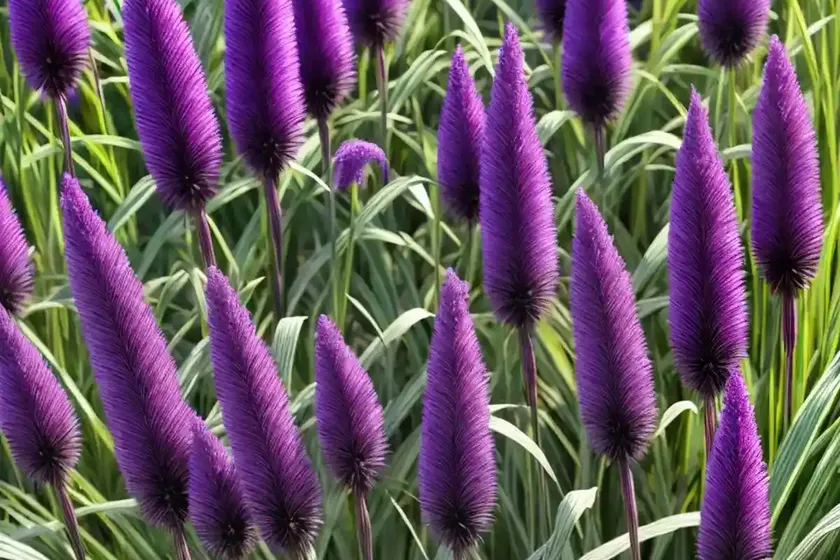
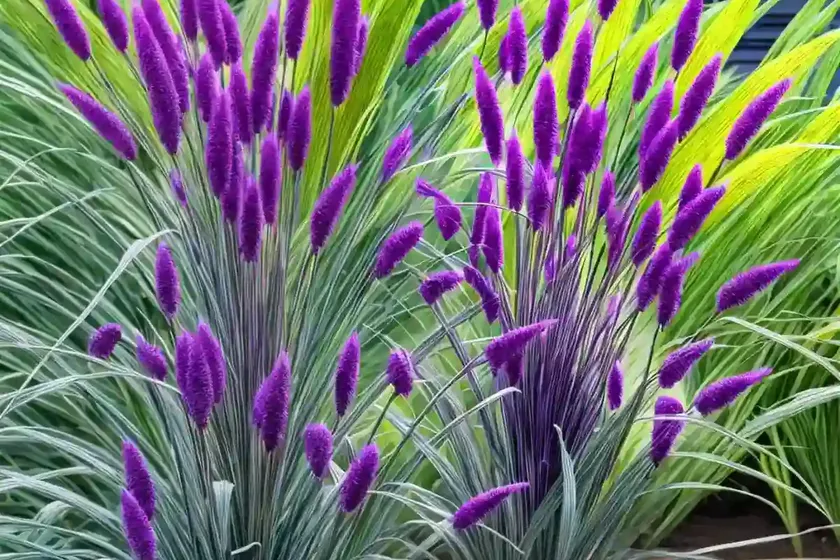
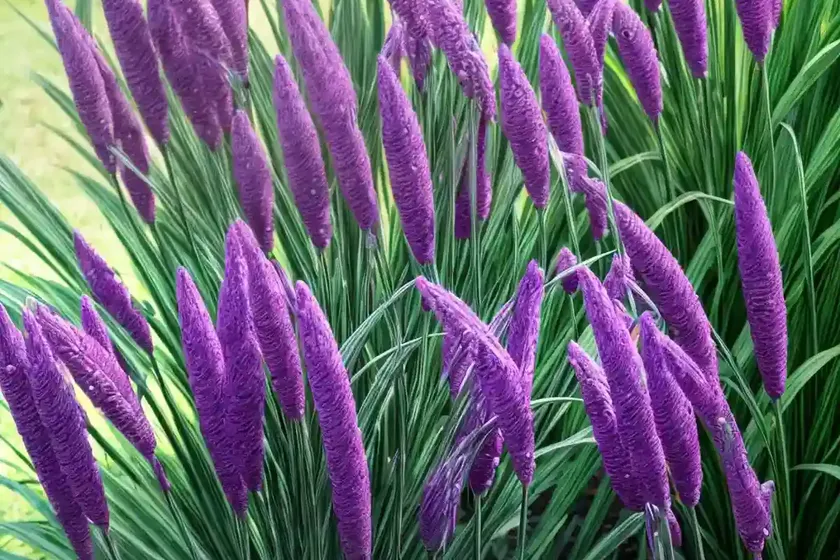
The ‘Purple Majesty’ variety of pearl millet is particularly notable for its striking dark foliage. With its tall, deep purple stalks and stunning, dense seed heads, it has gained popularity not only for its agricultural significance but also as an ornamental plant.
Key Takeaways – Pearl Millet (Pennisetum glaucum ‘Purple Majesty’)
Before we delve into the details, here are the key takeaways regarding the pearl millet (Pennisetum glaucum ‘Purple Majesty’).
Culture:
- Pearl millet is a warm-season crop and is well adapted to the arid and semi-arid regions.
- It is known for its high heat tolerance and ability to thrive in low moisture conditions.
- The ‘Purple Majesty’ variety, in particular, is prized for its ornamental value and is often grown for landscaping purposes.
Uses:
- Historically, pearl millet has been an essential food staple in many parts of the world, primarily in regions with poor soil and challenging climate conditions.
- The ‘Purple Majesty’ variety is also cultivated for its ornamental appeal, adding visual interest to gardens and landscapes.
Water:
- Pearl millet has relatively low water requirements, making it well-suited for cultivation in drier regions.
- Adequate watering is essential during the germination and early growth stages to establish strong, healthy plants.
Sunlight:
- Pearl millet thrives in full sun and requires a minimum of 6-8 hours of direct sunlight for optimal growth and development.
Fertilizer:
- Depending on the soil quality, applying a balanced fertilizer before planting can support the initial growth of pearl millet.
- Once established, pearl millet often requires minimal additional fertilization, especially in nutrient-rich soils.
Soil:
- This crop is adaptable to a wide range of soil types, including sandy and loamy soils, but it thrives best in well-drained soils with moderate fertility.
Pruning:
- Pruning is generally not required for pearl millet in agricultural settings. However, gardeners may choose to remove spent flower heads for a neater appearance.
Propagation:
- Pearl millet is primarily propagated from seeds sown directly in the ground.
Container Popularity:
- While pearl millet is often cultivated in fields, the ‘Purple Majesty’ variety is gaining popularity as a container plant for ornamental purposes.
Common Diseases:
- Pearl millet is susceptible to various fungal diseases such as downy mildew and rust.
Disease Diagnosis:
- Regular inspection of the plant for signs of discoloration, lesions, or stunted growth can aid in the early diagnosis of diseases.
Common Pests:
- Certain pests, including stem borers and aphids, can pose a threat to pearl millet cultivation.
Botanist’s Tips:
- Selecting disease-resistant varieties and promoting overall plant health can aid in mitigating the impact of diseases and pests.
Fun Facts:
- Pearl millet is recognized for its exceptional drought tolerance, making it a crucial crop in areas prone to water scarcity.
Now that we have an overview of the key takeaways, let’s explore each of these aspects in further detail.
Culture of Pearl Millet (Pennisetum glaucum ‘Purple Majesty’)
Pearl Millet Varieties
The genus Pennisetum encompasses a diverse range of species, several of which are cultivated for their edible grains or ornamental value. Notably, the ‘Purple Majesty’ cultivar stands out for its deep purple foliage, making it a popular choice for gardeners and landscapers.
Growing Techniques for Pearl Millet
Pearl millet is primarily grown from seeds, which are sown directly into the soil. The seeds are relatively small, and their planting depth should be approximately ½ to 1 inch. Considering its adaptability to arid environments, pearl millet is well-suited for cultivation in regions with minimal water availability.
Pearl Millet Cultivation
Cultivating pearl millet involves providing optimal growing conditions, including sufficient sunlight, well-drained soil, and appropriate spacing between plants. While the ‘Purple Majesty’ variety is typically grown for its ornamental value, other varieties of pearl millet are cultivated for their nutritional significance, serving as a crucial food source for many communities around the world.
Pennisetum Glaucum Characteristics
Pennisetum glaucum, commonly known as pearl millet, is characterized by its tall, sturdy stalks and attractive, dense seed heads. The ‘Purple Majesty’ variety further distinguishes itself with its striking dark purple foliage, adding a unique visual element to landscapes and gardens.
Benefits of Growing Pearl Millet
The cultivation of pearl millet offers numerous benefits, including its resilience in challenging environmental conditions, its value as a staple food in regions with poor soil, and its ornamental appeal in horticultural settings.
Pearl Millet Drought Tolerance
One of the most notable traits of pearl millet is its exceptional drought tolerance. This feature has made it a critical crop in areas where water scarcity is a prevalent challenge.
Pearl Millet Climate Requirements
Pearl millet is well-suited for warm, arid environments and is sensitive to frost. It thrives in regions with long, hot growing seasons and is adapted to a variety of soil types, including sandy and loamy soils.
Pennisetum Glaucum Plant Description
Pennisetum glaucum, or pearl millet, is an annual grass that typically reaches heights of 8 to 15 feet. The ‘Purple Majesty’ variety exhibits rich, dark purple foliage, making it a visually striking addition to gardens and landscapes.
Uses of Pearl Millet (Pennisetum glaucum ‘Purple Majesty’)
Pearl Millet for Edible Purposes
Pearl millet has been a staple food in many regions for centuries, serving as an important source of nutrition for numerous communities. Notably, the grains of pearl millet are gluten-free and rich in essential nutrients, making them a valuable dietary component.
Pennisetum Glaucum Uses
The uses of Pennisetum glaucum, or pearl millet, are multifaceted. Aside from its role as a food crop, it is also cultivated for its fodder, offering nourishment for livestock in regions where other forage options may be limited.
Purple Majesty Millet Nutrition
The ‘Purple Majesty’ variety of pearl millet retains the nutritional benefits of traditional pearl millet, providing essential nutrients such as protein, fiber, and various vitamins and minerals.
Pearl Millet Culinary Uses
Pearl millet is utilized in a wide array of culinary applications, including the preparation of flatbreads, porridges, and traditional dishes in various cultures. Its versatility and nutritional value make it a valuable addition to diverse cuisines.
Pearl Millet Health Benefits
The consumption of pearl millet offers numerous health benefits, including its role as a gluten-free, nutrient-dense grain that can contribute to a balanced and nourishing diet.
Pearl Millet Traditional Uses
Across different regions, pearl millet holds cultural and traditional significance, often being incorporated into rituals, ceremonies, and customary dishes that are passed down through generations.
Pearl Millet as Animal Feed
In addition to its utilization as a human food source, pearl millet serves as an essential component of animal feed, providing valuable nutrition for livestock.
Care Requirements for Purple Majesty Millet (Pennisetum glaucum ‘Purple Majesty’)
Water
Pearl millet, including the ‘Purple Majesty’ variety, generally exhibits moderate water requirements. While it is relatively drought-tolerant once established, adequate watering during the germination and early growth stages is crucial for robust plant development.
Sunlight
Pearl millet thrives in full sun and, as such, requires a minimum of 6 to 8 hours of direct sunlight daily. Adequate sunlight exposure is essential for the healthy growth and development of this warm-season grass.
Fertilizer
The fertilizer needs of pearl millet can vary depending on the soil quality and existing nutrient levels. A balanced fertilizer application before planting can aid in establishing strong, healthy plants. However, once established, pearl millet often requires minimal additional fertilization.
Soil Preferences
Pearl millet is adaptable to a wide range of soil types, including sandy and loamy soils. However, it thrives best in well-drained soils with moderate fertility. This crop is known for its ability to tolerate poor soil conditions, making it a crucial resource in regions with challenging agricultural landscapes.
Pruning
Pruning is generally not necessary for pearl millet in agricultural settings. However, in ornamental and landscaping contexts, gardeners may opt to remove spent flower heads to maintain the plant’s visual appeal.
Propagation
Pearl millet, including the ‘Purple Majesty’ variety, is primarily propagated from seeds. Sowing the seeds directly into the ground allows for the efficient establishment of strong, healthy plants.
Common Diseases and Pests of Pearl Millet (Pennisetum glaucum ‘Purple Majesty’)
Common Diseases
While pearl millet is generally considered a resilient plant, it is susceptible to various fungal diseases. Downy mildew, caused by the Peronosclerospora species, and rust, caused by the Puccinia substriata var. penicillariae fungus, are among the common diseases that can affect pearl millet.
Disease Diagnosis
Regular monitoring of pearl millet plants is crucial for the early detection of diseases. Symptoms such as discolored or spotted leaves, stunted growth, and unusual lesions can serve as indicators for the presence of common fungal infections.
Common Pests
Pearl millet cultivation may be impacted by several pests, including stem borers, aphids, and other insects that can feed on the plant’s foliage or disrupt its growth.
Pearl Millet Pest Control
Implementing integrated pest management strategies can aid in controlling pest populations and minimizing their impact on pearl millet cultivation. This may involve the use of environmentally friendly pest control measures and the incorporation of pest-resistant varieties.
Purple Majesty Millet Insect Resistance
While the ‘Purple Majesty’ variety of pearl millet does not exhibit innate resistance to pests, maintaining overall plant health and implementing preventive measures can help reduce the susceptibility to insect damage.
Growing Pearl Millet (Pennisetum glaucum ‘Purple Majesty’) in Containers
Container Popularity
The ‘Purple Majesty’ variety of pearl millet is gaining popularity as a container plant for ornamental purposes, offering a striking visual addition to gardens, patios, and outdoor spaces. Its tall, dark purple foliage provides a unique and dramatic element in container gardening.
Growing Techniques for Pearl Millet in Containers
When cultivating pearl millet in containers, it is important to select sufficiently large pots to accommodate the plant’s height and root system. Additionally, providing well-draining soil and ensuring adequate sunlight exposure are crucial factors for successful container growth.
Purple Majesty Millet for Landscaping
The ‘Purple Majesty’ variety of pearl millet is well-suited for landscaping, adding a bold and eye-catching element to garden borders, mixed plantings, and ornamental displays.
Pearl Millet Garden Design
In garden design, the ‘Purple Majesty’ variety of pearl millet can serve as a focal point, offering height, texture, and vibrant color to landscape compositions.
Purple Majesty Millet Garden Borders
With its tall, upright growth habit and rich purple foliage, the ‘Purple Majesty’ variety can be used to create striking garden borders, providing visual interest and structural appeal.
Pennisetum glaucum ‘Purple Majesty’ – Fun Facts and Botanist’s Tips
Botanist’s Tips
- Select disease-resistant varieties of pearl millet to minimize the impact of common fungal infections and pests.
- Regularly monitor plant health and address any signs of disease or pest infestations promptly to maintain strong, healthy plants.
- Provide optimal growing conditions, including sufficient sunlight, well-drained soil, and appropriate watering, to promote the vigorous growth of pearl millet.
Fun Facts
- The ‘Purple Majesty’ variety of pearl millet was recognized as an All-America Selections winner in 2003, showcasing its appeal as an ornamental plant.
- In addition to its ornamental uses, pearl millet has played a crucial role in agriculture and food security, particularly in regions with challenging environmental conditions.
Links to External Resources
To further expand your knowledge on pearl millet (Pennisetum glaucum ‘Purple Majesty’) and related topics, consider exploring the following external resources:
- Pearl Millet: Overview and Uses
- Cultivation and Management of Pearl Millet
- Ornamental Grasses for Landscaping
- Pearl Millet Nutrition and Culinary Uses
- Insect Resistance in Ornamental Plants
Conclusion
From its historical significance as a staple food crop to its modern-day applications as an ornamental grass, the pearl millet (Pennisetum glaucum ‘Purple Majesty’) has captivated the interest of plant enthusiasts and agricultural communities alike. Its adaptability to diverse growing conditions, exceptional drought tolerance, and striking ornamental value make it a compelling subject for exploration and cultivation. By understanding the culture, uses, care requirements, propagation techniques, and potential challenges associated with pearl millet, we can appreciate and harness the full potential of this remarkable plant.
Through ongoing research and the dissemination of knowledge, we can continue to uncover new insights into the cultivation, utilization, and ecological contributions of pearl millet, further emphasizing its significance in sustainable agriculture, ornamental horticulture, and beyond.
As a plant scientist, I encourage fellow enthusiasts and growers to explore the unique attributes of pearl millet, embrace its diverse uses, and contribute to its preservation and enhancement in our agricultural and horticultural practices.
So, whether you are fascinated by the rich history and nutritional significance of pearl millet or intrigued by the dramatic presence of the ‘Purple Majesty’ variety in your garden, there are countless reasons to celebrate and appreciate the enduring appeal of this exceptional plant.
Happy growing!


