Pyrus Communis ‘Orient’ (European Pear)
Pyrus communis ‘Orient’ is a popular European Pear cultivar known for its sweet, juicy fruit and attractive appearance. In this comprehensive guide, we.
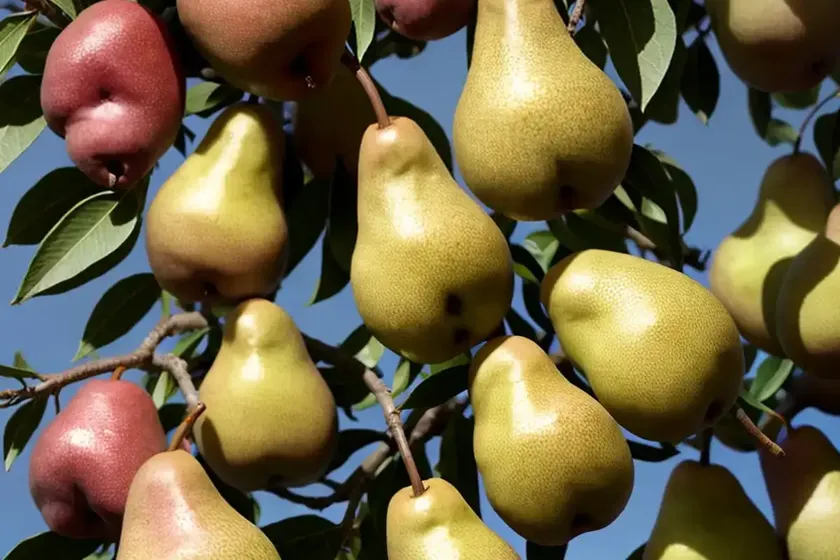
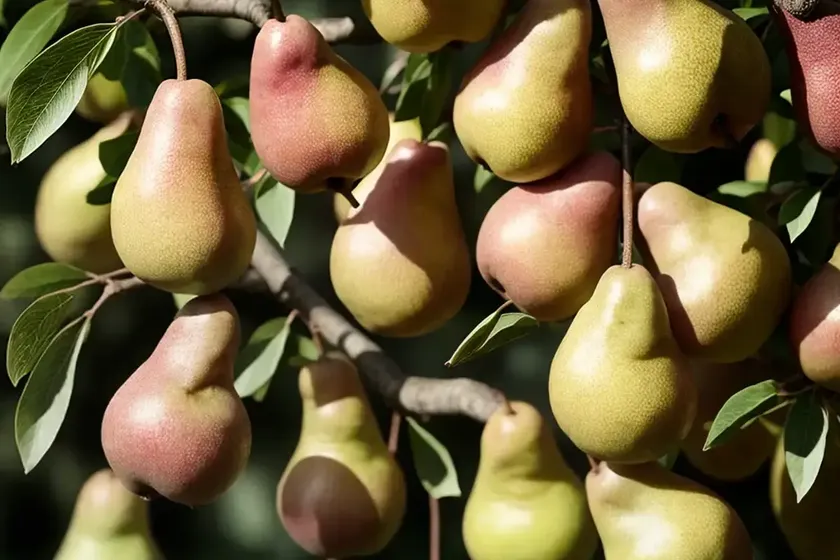
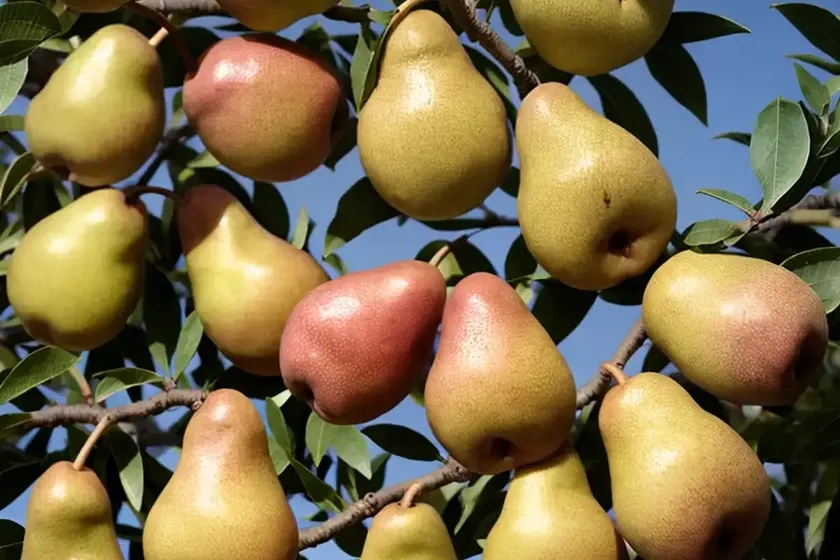
Pyrus communis ‘Orient’ is a popular European Pear cultivar known for its sweet, juicy fruit and attractive appearance. In this comprehensive guide, we will explore the characteristics of Pyrus communis ‘Orient’, its cultivation, care, common diseases, and pests, along with interesting facts and tips for enthusiasts and horticulturists.
What is Pyrus communis ‘Orient’ (European Pear)
Pyrus communis, commonly referred to as the European Pear, is a species of pear native to central and eastern Europe and southwest Asia. ‘Orient’ is a notable cultivar of Pyrus communis, valued for its delicious fruit and ornamental value in gardens and orchards. It is an easy-to-grow tree that produces high-quality pears with a distinctive flavor.
Characteristics of Pyrus communis ‘Orient’
- Scientific Name: Pyrus communis ‘Orient’
- Family: Rosaceae
- Common Name: European Pear
- Fruit: Medium to large, juicy, and sweet, with a yellowish-green skin that ripens to a golden yellow color
- Flowers: White, mildly fragrant flowers in spring
- Foliage: Glossy, dark green leaves that turn yellow and red in the fall
- Growth Habit: Deciduous tree, typically reaching a height of 15-25 feet
- Hardiness Zones: 5-8
- Pollination: Requires cross-pollination with another compatible pear tree for fruit production
Key Takeaways – Pyrus communis ‘Orient’ (European Pear)
Culture
The culture of Pyrus communis ‘Orient’ involves understanding its growth requirements, seasonal changes, and overall maintenance. Here’s a look at the specific cultural considerations for cultivating this European Pear cultivar.
- Planting Guide: Ensure proper spacing and provide a well-drained planting site for the tree.
- Soil Preferences: Well-draining, loamy soil with a slightly acidic to neutral pH.
- Sunlight Exposure: Full sun for at least 6-8 hours a day.
- Watering Needs: Regular watering, especially during the growing season and dry periods, to maintain soil moisture.
- Fertilization: Annual application of balanced fertilizer in early spring.
- Pruning Techniques: Prune to maintain an open center and remove dead or crossing branches.
Uses
Pyrus communis ‘Orient’ serves various purposes, including culinary uses, ornamental value, and health benefits. Understanding its uses can help in maximizing its potential in gardens and landscapes.
- Culinary Uses: The fruit is consumed fresh and used in cooking, baking, canning, and preserving.
- Ornamental Value: The tree adds aesthetic appeal to gardens with its spring flowers, summer foliage, and fall colors.
- Health Benefits: Pears are a good source of dietary fiber, antioxidants, and vitamins.
Water
An understanding of the water requirements of Pyrus communis ‘Orient’ is essential for maintaining its health and promoting fruit development.
- Water Needs: Regular watering, especially during dry spells, to keep the soil consistently moist but not waterlogged.
- Irrigation: Consider drip irrigation or soaker hoses to deliver water directly to the root zone.
Sunlight
Sunlight exposure is crucial for the growth and fruiting of Pyrus communis ‘Orient’. Providing the right amount of sunlight is key to its overall health and productivity.
- Sun Exposure: Plant in a location that receives full sun, allowing the tree to receive adequate sunlight for optimal growth and fruit production.
Fertilizer
Proper fertilization is important for ensuring the vigor and fruitfulness of Pyrus communis ‘Orient’. Understanding its fertilizer needs is crucial for maintaining healthy growth.
- Fertilizer Type: Use a balanced fertilizer with a formulation such as 10-10-10 or 13-13-13.
- Application: Apply fertilizer in early spring before new growth emerges, following package instructions for rates.
Soil
The soil preferences of Pyrus communis ‘Orient’ play a significant role in its overall health, nutrient uptake, and fruit quality.
- Soil Type: Well-draining loamy soil is ideal, with a pH range of 6.0-7.5.
- Soil Amendments: Incorporate organic matter such as compost when planting to improve soil structure and fertility.
Pruning
Pruning techniques are essential for shaping the tree, maintaining its overall health, and promoting fruit production.
- Pruning Time: Prune during the dormant season in late winter to early spring.
- Techniques: Remove dead, damaged, or diseased wood, and shape the tree to maintain an open center to improve air circulation.
Propagation
Understanding the various methods of propagating Pyrus communis ‘Orient’ can be beneficial for expanding its presence in orchards and gardens.
- Propagation Methods: Common methods include grafting, budding, and hardwood cuttings.
- Timing: Grafting is typically done in late winter to early spring.
Container Popularity
While Pyrus communis ‘Orient’ is commonly grown in orchards and landscapes, it can also thrive in containers, making it a versatile choice for urban and small-space gardening.
- Container Size: Select a large container with adequate drainage for the tree’s roots to thrive.
- Soil Mix: Use a well-draining potting mix and consider adding organic matter for improved fertility.
Container Common Diseases
When growing Pyrus communis ‘Orient’ in containers, it is important to be aware of common diseases that may affect the tree in this environment.
- Disease Management: Monitor the tree for signs of powdery mildew, fire blight, and other common pear diseases.
- Preventive Measures: Provide proper air circulation, avoid overwatering, and prune as needed to prevent disease development in containers.
Disease Diagnosis
Recognizing the signs and symptoms of common diseases affecting Pyrus communis ‘Orient’ is crucial for implementing effective disease management strategies.
- Common Diseases: Anthracnose, fire blight, and pear scab are among the common diseases that can affect European Pear trees.
- Diagnostic Steps: Familiarize yourself with the symptoms of each disease and seek professional diagnosis if needed.
Common Pests
Pest infestations can compromise the health and productivity of Pyrus communis ‘Orient’. Identifying and addressing common pests is essential for preserving the tree’s well-being.
- Pest Identification: Look for signs of pear psylla, codling moth, and pear rust mites.
- Integrated Pest Management: Use cultural, biological, and, if necessary, chemical control methods to manage pest populations effectively.
Botanist’s Tips
Gardening enthusiasts and horticulturists can benefit from expert tips on growing and caring for Pyrus communis ‘Orient’. Here are some valuable insights for successful cultivation.
- Pollination: Ensure cross-pollination with a compatible pear variety for optimal fruit set.
- Disease Resistance: Select disease-resistant cultivars if common pear diseases are prevalent in your region.
- Harvesting: Harvest pears when they are mature but still firm, and ripen them indoors for the best flavor.
Fun Facts
Uncover interesting and lesser-known facts about Pyrus communis ‘Orient’ that add to the charm and fascination of this European Pear cultivar.
- History: Pears have been cultivated for thousands of years and are depicted in ancient artworks, indicating their cultural significance.
- Varietal Diversity: There are thousands of pear varieties worldwide, each with its unique traits and flavors.
- Longevity: Pear trees can live for several decades, providing generations with their bountiful fruit.
Links to External Resources
For further exploration of Pyrus communis ‘Orient’ and European Pear cultivation, the following resources provide valuable information and insights:
As a plant scientist and enthusiast, I hope this comprehensive guide provides valuable insights into the cultivation, care, and appreciation of Pyrus communis ‘Orient’ – a delightful addition to orchards and gardens.
NLP LSI Keywords:
1. Pyrus communis ‘Orient’ characteristics
2. European Pear varieties
3. ‘Orient’ European Pear cultivar
4. Pyrus communis ‘Orient’ features
5. Growing Pyrus communis ‘Orient’
6. Pyrus communis ‘Orient’ care tips
7. European Pear tree information
8. Pyrus communis ‘Orient’ growth requirements
9. ‘Orient’ European Pear tree care
10. Pyrus communis ‘Orient’ pruning techniques
11. European Pear tree diseases
12. Pyrus communis ‘Orient’ pest control
13. ‘Orient’ European Pear fruit description
14. Pyrus communis ‘Orient’ harvest time
15. European Pear tree planting guide
16. Pyrus communis ‘Orient’ soil preferences
17. ‘Orient’ European Pear tree propagation
18. Pyrus communis ‘Orient’ pollination requirements
19. European Pear tree pruning schedule
20. Pyrus communis ‘Orient’ water needs
21. ‘Orient’ European Pear disease resistance
22. Pyrus communis ‘Orient’ fruiting habits
23. European Pear tree maintenance tips
24. Pyrus communis ‘Orient’ sunlight exposure
25. ‘Orient’ European Pear tree lifespan
26. Pyrus communis ‘Orient’ root system
27. European Pear tree companion plants
28. Pyrus communis ‘Orient’ seasonal changes
29. ‘Orient’ European Pear tree size
30. Pyrus communis ‘Orient’ propagation methods
31. European Pear tree health benefits
32. Pyrus communis ‘Orient’ flower characteristics
33. ‘Orient’ European Pear fruit uses
34. Pyrus communis ‘Orient’ common problems
35. European Pear tree pruning techniques
36. Pyrus communis ‘Orient’ fertilizer needs
37. ‘Orient’ European Pear tree hardiness
38. Pyrus communis ‘Orient’ leaf color
39. European Pear tree landscape uses
40. Pyrus communis ‘Orient’ fruit preservation methods
41. ‘Orient’ European Pear tree grafting techniques
42. Pyrus communis ‘Orient’ winter care
43. European Pear tree root pruning
44. Pyrus communis ‘Orient’ flower pollinators
45. ‘Orient’ European Pear tree leaf shape
46. Pyrus communis ‘Orient’ fruit storage tips
47. European Pear tree fruiting patterns
48. Pyrus communis ‘Orient’ tree structure
49. ‘Orient’ European Pear tree diseases prevention
50. Pyrus communis ‘Orient’ autumn foliage color


