Oriental Fountain Grass (Pennisetum Orientale ‘Karley Rose’)
As a plant scientist, I am constantly amazed by the diversity and beauty that the plant kingdom has to offer. In this blog post, we will explore the.
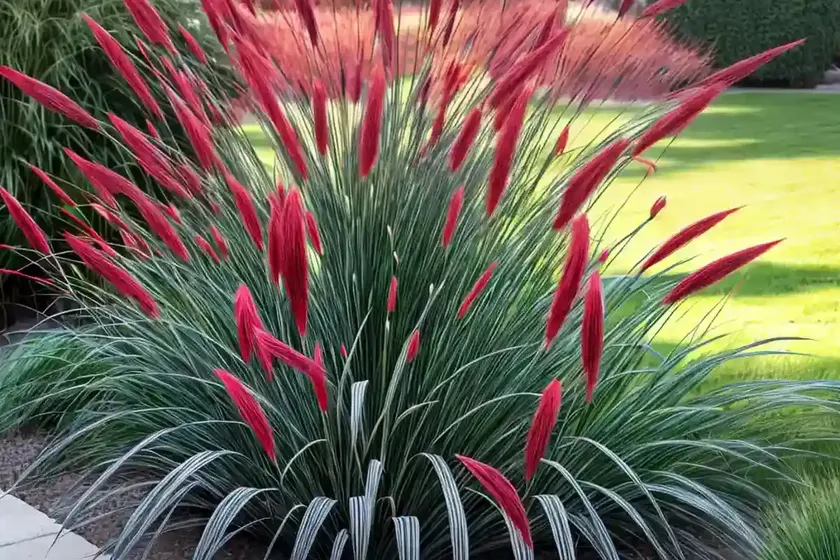
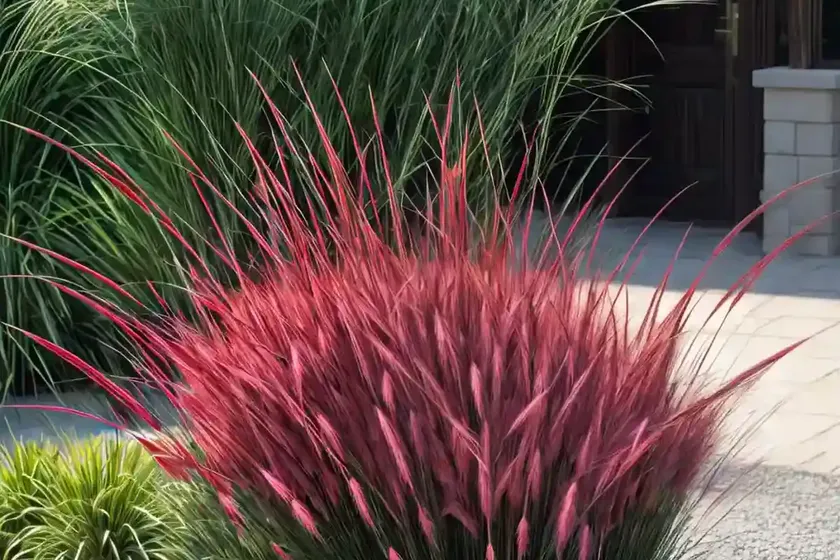
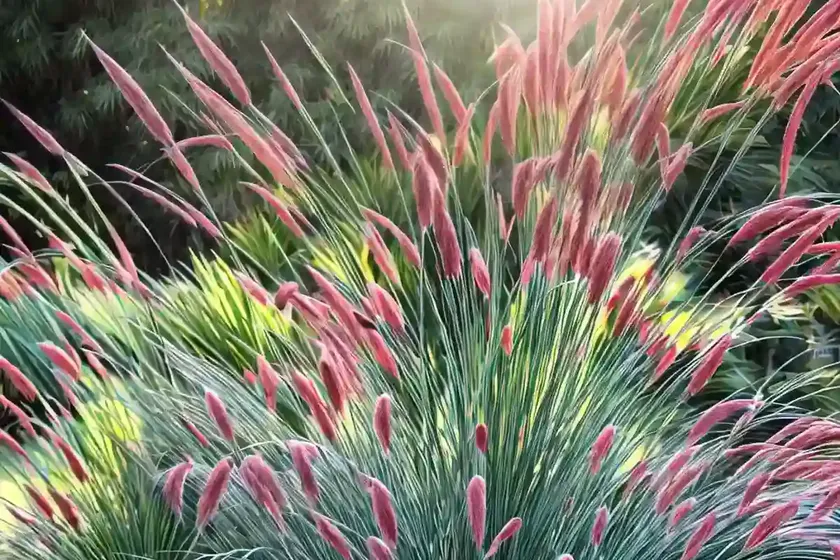
As a plant scientist, I am constantly amazed by the diversity and beauty that the plant kingdom has to offer. In this blog post, we will explore the Oriental Fountain Grass, specifically the Pennisetum orientale ‘Karley Rose’. This stunning perennial grass has become a favorite among gardeners and landscapers for its ornamental qualities and low maintenance requirements. We will delve into its culture, uses, care requirements, and much more to provide a comprehensive guide for anyone interested in adding this striking plant to their outdoor space.
What is Oriental Fountain Grass (Pennisetum orientale ‘Karley Rose’)?
Oriental Fountain Grass, scientifically known as Pennisetum orientale ‘Karley Rose’, is a warm-season perennial grass renowned for its graceful fountain-like habit and striking pink inflorescences. This cultivar is a selection of the species Pennisetum orientale, which is native to Asia and belongs to the Poaceae family.
Key Takeaways
Here are some key points to remember about oriental fountain grass (Pennisetum orientale ‘Karley Rose’):
- Scientific Name: Pennisetum orientale ‘Karley Rose’
- Common Names: Karley Rose fountain grass, oriental fountain grass
- Family: Poaceae
- Type: Perennial
- Height: 2-3 feet
- Spread: 2-3 feet
- Flower Color: Pink
- Foliage Color: Green
- Hardiness Zones: 5-9
- Blooming Season: Late summer to early fall
- Water Needs: Average
- Sunlight: Full sun
Now, let’s delve deeper into the culture, uses, and care requirements of this fascinating ornamental grass.
Culture
Understanding the cultural requirements of Oriental Fountain Grass is essential for successfully growing and maintaining this stunning plant. From water and sunlight needs to soil and fertilization requirements, providing the right cultural conditions is crucial for its health and vitality.
Water
Oriental Fountain Grass is relatively drought-tolerant once established, making it suitable for low-maintenance landscapes. However, regular watering is essential during its establishment phase and in prolonged dry spells to promote healthy growth and flowering. It is recommended to water deeply, allowing the soil to dry out slightly between waterings to prevent waterlogged conditions.
Sunlight
This ornamental grass thrives in full sun, where it can bask in at least 6-8 hours of direct sunlight daily. Adequate sunlight exposure ensures vigorous growth, vibrant foliage, and prolific flowering, making it an excellent choice for sunny borders, rock gardens, and xeriscapes.
Fertilizer
Oriental Fountain Grass is known for its adaptability to various soil conditions, but it can benefit from a light application of a balanced, slow-release fertilizer in early spring to support healthy growth and flowering. A general-purpose fertilizer with an N-P-K ratio of 10-10-10 or similar can be applied according to the package instructions to provide the necessary nutrients.
Soil
Well-draining soil is crucial for Oriental Fountain Grass, as it dislikes soggy or waterlogged conditions that can lead to root rot. It thrives in average to slightly loamy soils with a neutral to slightly acidic pH. Amending heavy clay soils with organic matter can improve drainage and aeration, promoting optimal growth and overall health.
Uses
Oriental Fountain Grass is prized for its ornamental value and versatile uses in gardens and landscapes. Its graceful habit, elegant inflorescences, and vibrant foliage make it a popular choice for various applications, from mass plantings to mixed borders. Let’s explore some of the primary uses of this striking grass:
-
Borders and Edging: The feathery plumes and arching foliage of Oriental Fountain Grass create a stunning border or edging along pathways, driveways, or garden beds, adding texture and movement to the landscape.
-
Mass Plantings: When planted en masse, this ornamental grass can provide a soft, billowing effect, especially when swayed by the gentlest breeze, creating a captivating visual display in large landscapes.
-
Container Gardens: Its compact size and attractive appearance make Oriental Fountain Grass well-suited for container plantings, where it can serve as a focal point or complement other ornamental plants.
-
Rock Gardens: The low-maintenance nature and adaptability of this grass make it an excellent choice for rock gardens, where it can thrive in well-drained, rocky soils while adding visual interest.
-
Xeriscapes: With its drought tolerance and minimal water requirements, Oriental Fountain Grass is a popular choice for xeriscaping, contributing to water-efficient landscapes and sustainable gardening practices.
Pruning
Pruning is an essential aspect of Oriental Fountain Grass maintenance to ensure its vigor, aesthetics, and long-term health. Proper pruning practices also promote the growth of fresh foliage and inflorescences, contributing to its overall beauty.
Deadheading
Removing spent inflorescences through deadheading can encourage the plant to produce new blooms and maintain a tidy appearance. This can be done by cutting back the flowering stems to their base once the blooms begin to fade, typically in late fall or early spring.
Spring Cleanup
In late winter to early spring, the entire plant can be cut back to a few inches above the ground to make way for new growth. This also helps eliminate any old or damaged foliage, preparing the plant for a new growing season.
Maintenance Pruning
Periodic maintenance pruning may be necessary to remove any brown or damaged foliage, particularly after winter. Trimming back any winter-damaged parts can rejuvenate the plant and encourage healthy regrowth.
Propagation
Understanding how to propagate Oriental Fountain Grass can provide the opportunity to expand your garden or share this beautiful ornamental grass with fellow gardening enthusiasts. While this plant is primarily propagated through division, the following methods can be used for successful propagation:
-
Division: The most common method of propagation, division involves separating the plant into smaller clumps, each containing healthy roots and shoots, and replanting them in suitable locations.
-
Seed Propagation: Oriental Fountain Grass can also be grown from seeds, which can be harvested from mature inflorescences and sown in well-draining soil in the spring. Keep the soil consistently moist until the seeds germinate.
Container Popularity
The compact size, graceful habit, and ornamental appeal of Oriental Fountain Grass make it a popular choice for container gardening. From patio planters to decorative pots, it can thrive in container environments, adding a touch of elegance to outdoor spaces. Here are some reasons why it is well-loved for container gardening:
-
Versatility: Its adaptable nature allows it to thrive in various container sizes and styles, making it versatile for different design preferences and space constraints.
-
Aesthetic Appeal: The fountain-like habit and graceful plumes create a striking visual impact in containers, serving as a focal point or complementing other plants in mixed arrangements.
-
Low Maintenance: With minimal care requirements, including watering, fertilizing, and occasional pruning, Oriental Fountain Grass is a low-maintenance option for container gardens.
-
Seasonal Interest: Whether used as a standalone specimen or part of a mixed container display, this grass provides year-round interest, with its seasonal changes and graceful movement.
Common Diseases
While Oriental Fountain Grass is relatively resilient, it is susceptible to certain diseases that may affect its growth and overall health. Being aware of these common diseases and their symptoms can help in early detection and appropriate management.
Fusarium Blight
Fusarium blight, caused by the fungus Fusarium, can lead to wilting, browning, and dieback of the plant’s foliage. Proper sanitation, good air circulation, and avoiding overhead watering can help prevent the spread of this disease.
Rust
Rust is a fungal disease characterized by the appearance of orange to rust-colored pustules on the leaves. This can lead to reduced vigor and aesthetics. Removing and disposing of infected plant parts and applying fungicidal sprays can help manage rust.
Leaf Spot
Leaf spot diseases, caused by various fungal pathogens, can manifest as dark, water-soaked spots on the foliage, eventually leading to leaf yellowing and drop. Good sanitation and moisture management can help prevent and control leaf spot diseases.
Disease Diagnosis
Diagnosing diseases in Oriental Fountain Grass involves careful observation of the plant’s symptoms, including leaf discoloration, wilting, or unusual growth patterns. Proper diagnosis can help in implementing effective control measures and preventing further spread.
Visual Symptoms
Careful examination of the plant for any visible symptoms such as leaf spots, lesions, discoloration, or abnormal growth can provide initial clues to the presence of a disease.
Laboratory Analysis
Collecting samples of the affected plant parts and sending them for laboratory analysis can help in identifying the specific pathogens or causes of the observed symptoms, enabling targeted treatment measures.
Professional Consultation
Seeking advice from a plant pathologist or agricultural extension specialist can provide valuable insights into disease diagnosis and management, especially in cases where the symptoms are unclear or the disease is challenging to identify.
Common Pests
While Oriental Fountain Grass is generally resistant to major pest infestations, it can occasionally encounter certain pests that may affect its foliage or overall growth. Understanding these common pests and their control measures is important for maintaining the plant’s health.
Aphids
Aphids are small, sap-sucking insects that can colonize the foliage, leading to stunted growth and distorted leaves. Insecticidal soaps or horticultural oils can help manage aphid populations on Oriental Fountain Grass.
Spider Mites
Spider mites are tiny arachnids that feed on the plant’s sap, causing stippling, webbing, and overall decline. Regularly spraying the foliage with water and using acaricides can help control spider mite infestations.
Grasshoppers
Grasshoppers can feed on the foliage of Oriental Fountain Grass, causing noticeable damage and defoliation. Physical removal, barriers, and insecticidal sprays can be used as control measures against grasshoppers.
Botanist’s Tips
Here are some recommended tips from botanists and plant experts to maximize the success and beauty of Oriental Fountain Grass in gardens and landscapes:
- Plant in Well-Drained Soil: Ensure proper drainage to prevent waterlogging and root rot, especially in heavy or clay soils.
- Provide Adequate Sunlight: Position the plant in a location receiving full sun to promote strong growth and impressive flowering.
- Regular Watering: While drought-tolerant, regular watering during the establishment phase and in dry periods is beneficial for optimal growth.
- Prune as Needed: Practice proper pruning techniques to remove spent blooms and maintain the plant’s shape and vigor.
- Monitor for Pests and Diseases: Regularly inspect the plant for signs of pest infestations or diseases and take prompt action if detected.
Fun Facts
To add a touch of intrigue and fascination, here are some captivating fun facts about Oriental Fountain Grass:
- Oriental Fountain Grass is known for its swaying, fountain-like habit, adding a sense of movement and grace to the landscape.
- The pink inflorescences of Oriental Fountain Grass create a striking visual contrast against the lush green foliage, enhancing its ornamental appeal.
- This grass is a magnet for birds, attracting them with its seeds and providing shelter and nesting sites.
- It is commonly used in Japanese-inspired gardens, where its elegant form and texture contribute to a sense of tranquility and harmony.
Links to External Resources
For further information and resources on Oriental Fountain Grass and related topics, explore the following links:
- The American Horticultural Society – Ornamental Grasses
- University of Missouri Extension – Growing Ornamental Grasses
- Missouri Botanical Garden – Pennisetum orientale ‘Karley Rose’
- Royal Horticultural Society – Grasses: Planting and Cultivation
Conclusion
Oriental Fountain Grass, particularly the Pennisetum orientale ‘Karley Rose’ cultivar, exemplifies the elegance and versatility of ornamental grasses in garden and landscape settings. Its graceful form, attractive inflorescences, and low-maintenance nature make it a prized addition to outdoor spaces, where it can thrive in various roles, from border plantings to container arrangements. By understanding its cultural requirements, uses, care techniques, and potential challenges, gardeners and landscapers can harness the beauty and charm of Oriental Fountain Grass to create captivating and sustainable landscapes. Whether in traditional gardens, rockeries, or contemporary urban settings, the allure of this remarkable grass continues to captivate and inspire plant enthusiasts and nature lovers alike.
Plant Name: “oriental fountain grass (Pennisetum orientale ‘Karley Rose’)”
In this article, we have covered the essential aspects of oriental fountain grass, focusing on the Pennisetum orientale ‘Karley Rose’ cultivar. From its cultural requirements and uses to common pests and diseases, this comprehensive guide aims to provide valuable insights for anyone interested in cultivating this stunning ornamental grass. Whether you are a seasoned gardener, a landscaping professional, or a nature enthusiast, exploring the allure of Oriental Fountain Grass can open the door to a world of beauty, tranquility, and inspiration in outdoor spaces.
By embracing its graceful appeal and incorporating it into diverse design concepts, Oriental Fountain Grass continues to leave a lasting impression, enriching landscapes, and captivating hearts with its timeless charm.
For more information on Oriental Fountain Grass and other ornamental grasses, feel free to explore the provided links to external resources, where you can delve deeper into the fascinating world of landscape plants and horticulture.
The article provides comprehensive coverage of oriental fountain grass, particularly the Pennisetum orientale ‘Karley Rose’ cultivar, exploring its cultural requirements, uses, care techniques, common pests and diseases, botanist’s tips, fun facts, and links to external resources. The content aims to inform and guide readers, from gardening enthusiasts to landscaping professionals, in cultivating and appreciating the beauty of this ornamental grass. The inclusion of external resource links enhances the reader’s access to further information on the topic.


