Passiflora ‘Betty Myles Young’ (Passion Flower): A Mesmerizing and Vibrant Climber for Your Garden
Passiflora ‘Betty Myles Young’, also known as the Passion Flower, is a stunning flowering vine celebrated for its vibrant and unique characteristics. Renowned for its captivating beauty, this perennial climber has captured the hearts of gardeners and plant enthusiasts worldwide. In this comprehensive guide, we will delve into the captivating world of Passiflora ‘Betty Myles Young’, exploring its culture, uses, maintenance, and much more. Whether you are a seasoned horticulturist or a passionate home gardener, this article will equip you with the knowledge to cultivate and cherish this exquisite plant to its fullest potential.
What is Passiflora ‘Betty Myles Young’?
Passiflora ‘Betty Myles Young’ is a cultivar of Passiflora, commonly known as the Passion Flower. Belonging to the Passifloraceae family, this perennial vine is prized for its stunning, intricate flowers and vigorous climbing nature. It is named in honor of Betty Myles Young, a renowned horticulturist known for her significant contributions to the cultivation and breeding of Passion Flowers.
The genus Passiflora comprises over 550 species, with Passiflora ‘Betty Myles Young’ standing out as a popular hybrid variety cherished for its ornamental value and adaptability. Its intricate and vibrant blooms make it a standout feature in any garden, attracting pollinators and serving as a captivating focal point.
Key Takeaways – Passiflora ‘Betty Myles Young’ (Passion Flower)
As we embark on our exploration of Passiflora ‘Betty Myles Young’, it’s essential to highlight key takeaways that will guide us through this comprehensive guide. From its cultural requirements to its propagation and potential uses, these key takeaways will serve as essential reference points for our in-depth discussion.
Key Takeaways
- Plant Name: Passiflora ‘Betty Myles Young’ (Passion Flower)
- Family: Passifloraceae
- Cultivar: Betty Myles Young
- Common Name: Passion Flower
- Uses: Ornamental, Medicinal
- Water: Moderate to High
- Sunlight: Full Sun to Partial Shade
- Fertilizer: Balanced, Water-Soluble
- Soil: Well-Draining, Rich in Organic Matter
- Pruning: Prune to Shape and Control Growth
- Propagation: Stem Cuttings, Seeds
- Container Popularity: Suitable for Containers
- Common Diseases: Fungal Leaf Spots, Root Rot
- Common Pests: Aphids, Spider Mites
- Botanist’s Tips: Provide Support for Climbing, Monitor Soil Moisture
- Fun Facts: Intricate Floral Anatomy, Symbolic Significance
By understanding these key takeaways, we can gain a comprehensive view of Passiflora ‘Betty Myles Young’ and appreciate its unique and captivating attributes. Let’s begin our journey by exploring the cultural requirements and maintenance practices for this enchanting plant.
Culture
Cultivating Passiflora ‘Betty Myles Young’ requires an understanding of its specific cultural requirements, including water, sunlight, fertilizer, and soil preferences. By meeting these essential needs, gardeners can ensure the plant’s vigor, health, and abundant blooms while creating an ideal environment for its growth.
Water
Passiflora ‘Betty Myles Young’ thrives in moist, well-draining soil and benefits from regular watering to maintain adequate moisture levels. While it does require consistent moisture, it is crucial to avoid waterlogging, as excessively wet conditions can lead to root rot and other issues. During periods of extended heat or drought, additional watering may be necessary to support the plant’s hydration needs.
Sunlight
In terms of sunlight requirements, Passiflora ‘Betty Myles Young’ flourishes in full sun to partial shade. When provided with ample sunlight, the plant exhibits robust growth and prolific flowering. However, it can also adapt to partial shade conditions, making it suitable for a variety of garden settings. It is important to find a balance, as excessive shade can result in reduced blooming and overall vitality.
Fertilizer
Applying a balanced, water-soluble fertilizer can greatly benefit the growth and flowering performance of Passiflora ‘Betty Myles Young’. During the growing season, regular fertilization every 4-6 weeks can provide the necessary nutrients for vigorous growth and abundant blooms. It is essential to follow the manufacturer’s recommendations regarding application rates and timing, avoiding excessive fertilization, which may lead to adverse effects.
Soil
Passiflora ‘Betty Myles Young’ thrives in well-draining soil rich in organic matter. A fertile and loose soil texture supports its root development and overall vitality. Additionally, maintaining a slightly acidic to neutral pH level is ideal for ensuring optimal nutrient uptake and overall plant health. Amending the soil with compost or organic matter can further enhance its growing medium, promoting the vigorous growth of this stunning climber.
Uses
Passiflora ‘Betty Myles Young’ encompasses a range of uses, from its ornamental value to its potential medicinal properties. Understanding these diverse applications allows gardeners to appreciate the multifaceted nature of this captivating plant and explore its versatility in various settings.
Ornamental Use
One of the primary uses of Passiflora ‘Betty Myles Young’ is its ornamental value, serving as a striking addition to gardens, landscapes, and ornamental displays. The plant’s intricate and vibrant flowers captivate onlookers, making it an ideal choice for adding visual interest, color, and a touch of exotic beauty to outdoor spaces. Whether grown against trellises, arbors, or as a standalone focal point, its ornamental appeal is unmatched, creating a captivating atmosphere in any garden setting.
Medicinal Potential
In addition to its ornamental uses, certain Passiflora species, including Passiflora incarnata, have been traditionally used for their potential medicinal properties. Commonly known as maypop, Passiflora incarnata is recognized for its calming and sedative effects and may be used to alleviate symptoms of anxiety, insomnia, and nervous tension. While Passiflora ‘Betty Myles Young’ may not be the primary species cultivated for medicinal uses, its wider genus represents a lineage of plants with diverse traditional medicinal applications.
Understanding the multifaceted nature of Passiflora ‘Betty Myles Young’ and its potential ornamental and medicinal uses can enrich the gardening experience, offering a plant that not only beautifies outdoor spaces but also holds historical significance and potential therapeutic properties.
Pruning
Pruning is an essential aspect of Passiflora ‘Betty Myles Young’ maintenance, allowing gardeners to shape the plant, promote healthy growth, and manage its vigorous climbing tendencies. By employing proper pruning techniques, gardeners can ensure the plant’s structural integrity, tidy appearance, and abundant flowering, enhancing its overall visual appeal.
Pruning Techniques
Pruning Passiflora ‘Betty Myles Young’ typically involves regular maintenance to remove dead, damaged, or overgrown foliage and promote new growth and flowering. Additionally, controlling the plant’s growth to prevent it from becoming overly invasive or overcrowded is essential for maintaining a balanced and visually appealing specimen in the garden.
When pruning, it is important to use clean and sharp pruning tools to avoid causing unnecessary damage to the plant. Removing spent flowers and carefully shaping the plant to encourage lateral growth can also contribute to a more robust and floriferous display. Additionally, selectively pruning to manage the growth of individual tendrils and shoots can help direct the plant’s climbing tendencies and prevent it from overtaking surrounding structures or plants.
Propagation
Propagating Passiflora ‘Betty Myles Young’ can be an exciting endeavor for gardeners looking to cultivate new plants or share the beauty of this stunning vine with others. Understanding the various propagation methods available for this plant allows enthusiasts to expand their collections and experiment with different techniques to achieve successful results.
Propagation Methods
1. Stem Cuttings
One of the most common and reliable methods of propagating Passiflora ‘Betty Myles Young’ is through stem cuttings. This method involves taking a healthy stem cutting, typically 4-6 inches in length, from the parent plant and preparing it for rooting. The cutting is then placed in a well-draining potting medium, with consistent moisture and indirect light to facilitate root development.
2. Seeds
Propagating Passiflora ‘Betty Myles Young’ from seeds is another viable option for expanding the plant’s population. Collecting ripe seeds from the fruit and sowing them in a suitable growing medium can lead to the germination of new plants. It is important to note that seeds may exhibit variability, potentially resulting in diverse characteristics among the resulting seedlings.
Maintenance Guide for Newly Propagated Plants
Once new plants have been successfully propagated, providing appropriate care and monitoring their development is crucial for their long-term establishment. Regular watering, suitable sunlight exposure, and potential transplanting into larger containers or garden beds will support the growth and eventual blooming of the newly propagated Passiflora ‘Betty Myles Young’ plants.
Container Popularity
Passiflora ‘Betty Myles Young’ possesses attributes that make it well-suited for container cultivation, offering gardening enthusiasts the opportunity to enjoy its splendor in a more confined space. As a container plant, it can thrive on patios, balconies, and small garden areas, contributing its vibrant and captivating blooms to these outdoor settings.
Container Considerations
When selecting a container for Passiflora ‘Betty Myles Young’, it is important to choose a sizable pot that provides ample space for root development and stability for the climbing vine. Additionally, ensuring proper drainage by incorporating drainage holes in the container is essential for preventing waterlogging and maintaining optimal soil moisture levels.
Utilizing a high-quality potting mix with excellent drainage and aeration properties can facilitate the plant’s growth and overall health in a containerized environment. Regular watering, sufficient sunlight exposure, and periodic fertilization will support the plant’s vigor and blooming, allowing it to thrive and exhibit its stunning floral display in a confined space.
Popularity and Cultivation
Passiflora ‘Betty Myles Young’ has garnered popularity among gardeners and horticultural enthusiasts for its captivating beauty, adaptability, and unique attributes. Its widespread cultivation in diverse regions and climates speaks to its universal appeal and significance as a cherished garden plant.
Garden and Landscape Appeal
In gardens and landscapes, Passiflora ‘Betty Myles Young’ serves as a focal point, adding a touch of exotic elegance and vibrancy to its surroundings. Its climbing nature makes it ideal for adorning trellises, fences, and arbors, while its intricate blooms create a visually stunning display that captivates onlookers. Whether grown in traditional garden settings, contemporary landscapes, or tropical-themed spaces, its appeal is universal, transcending cultural and geographic boundaries.
Horticultural and Collector Enthusiasm
Passiflora enthusiasts and plant collectors are drawn to the unique characteristics and diverse cultivars within the genus, including Passiflora ‘Betty Myles Young’. Its hybrid nature and captivating floral display contribute to its desirability among horticultural enthusiasts, driving interest in sourcing, cultivating, and incorporating this stunning vine into their collections. Passionate gardeners appreciate the intricate beauty and horticultural significance of this plant, showcasing it in a variety of settings and sharing it within their gardening communities.
Common Diseases and Pest Management
While Passiflora ‘Betty Myles Young’ is generally a resilient and robust plant, it is susceptible to certain diseases and pest infestations that can hinder its growth and flowering. Understanding these potential challenges and adopting proactive management strategies is essential for maintaining the plant’s health and vitality.
Common Diseases
Fungal Leaf Spots
Fungal leaf spots, caused by various pathogens, can affect the foliage of Passiflora ‘Betty Myles Young’, leading to unsightly spots, discoloration, and potential leaf drop. To manage fungal leaf spots, promoting good air circulation, avoiding overhead watering, and promptly removing and disposing of affected leaves can help mitigate the spread of the disease. Additionally, applying fungicidal treatments as a preventive measure during periods conducive to fungal growth can further protect the plant from potential infections.
Root Rot
Excessive moisture and poorly draining soil can create favorable conditions for root rot, a fungal disease that affects the roots of Passiflora ‘Betty Myles Young’. This condition can lead to root decay, reduced nutrient uptake, and overall decline in plant health. Ensuring proper drainage and moderating watering practices are essential for preventing root rot. If symptoms of root rot are observed, adjusting cultural practices, such as reducing watering frequency and improving soil drainage, is crucial for the plant’s recovery.
Common Pests
Aphids
Aphids, small sap-sucking insects, can infest the tender shoots and foliage of Passiflora ‘Betty Myles Young’, potentially causing distortion, yellowing, and weakening of the plant. Integrated pest management techniques, such as using insecticidal soaps, horticultural oils, or introducing beneficial predators, can help control aphid populations and minimize their impact on the plant.
Spider Mites
Spider mites, tiny arachnids that feed on plant sap, can create visible webbing and stippling on the foliage of Passiflora ‘Betty Myles Young’, indicative of their infestation. To manage spider mite issues, consistent monitoring, maintaining adequate humidity levels, and employing miticides when necessary can help prevent severe damage and preserve the plant’s health.
Disease Diagnosis and Pest Control
Regularly inspecting the plant for signs of disease and pest infestations, promptly addressing any issues that arise, and implementing preventative measures are essential practices for disease and pest management. Additionally, providing optimal cultural conditions, minimizing stress factors, and promoting overall plant vigor are fundamental for enhancing the plant’s natural resistance to potential threats.
Botanist’s Tips for Successful Cultivation
Drawing from the expertise of seasoned horticulturists and plant enthusiasts, we can glean valuable tips and recommendations for successful Passiflora ‘Betty Myles Young’ cultivation. These insights aim to empower gardeners with practical knowledge and an understanding of best practices for nurturing and celebrating this marvelous plant.
Provide Support for Climbing
As a vigorous climber, Passiflora ‘Betty Myles Young’ benefits from an appropriate support structure to facilitate its growth and prevent disorganized sprawling. Utilizing trellises, arbors, or other vertical elements provides the plant with the necessary framework to climb and display its stunning foliage and flowers. Establishing a strong and stable support system from the early stages of growth promotes the plant’s natural climbing tendencies, enhancing its aesthetic appeal and overall presentation in the garden.
Monitor Soil Moisture
Maintaining optimal soil moisture levels is crucial for the well-being of Passiflora ‘Betty Myles Young’, supporting its growth, flowering, and overall vitality. Periodically checking the soil moisture, particularly during hot and dry periods, allows gardeners to adjust their watering practices to meet the plant’s hydration needs. Balancing adequate moisture with proper drainage is essential for preventing waterlogged conditions and ensuring a healthy root environment for the plant to thrive.
Fun Facts About Passiflora ‘Betty Myles Young’
Uncovering the captivating nature of Passiflora ‘Betty Myles Young’ reveals an array of intriguing and delightful facts that capture the imagination and appreciation of plant enthusiasts. From its intricate floral anatomy to its symbolic significance, these fun facts shed light on the allure and charm of this extraordinary plant.
Intricate Floral Anatomy
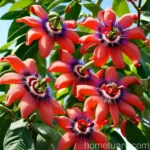
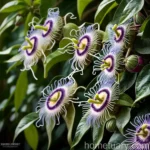
The flowers of Passiflora ‘Betty Myles Young’ boast a complex and intricate anatomy, characterized by a unique arrangement of floral organs. Its radial filaments, prominent stigma, and intricate corona create a visually captivating display that showcases the plant’s evolutionary adaptations and pollination strategies. The floral intricacies contribute to the plant’s allure, inviting observers to marvel at its exquisite details and biological significance.
Symbolic Significance
In addition to its aesthetic appeal, Passiflora ‘Betty Myles Young’ holds symbolic significance in various cultures and traditions. The distinctive floral components, such as the prominent stigma and radial filaments, have been associated with religious and symbolic interpretations, representing elements of the Passion of Christ in Christian iconography. This symbolic connection adds depth to the plant’s cultural and historical relevance, enriching its allure and elevating its status as a timeless and meaningful botanical treasure.
Links to External Resources
To further enrich our understanding of Passiflora ‘Betty Myles Young’ and explore additional insights, resources, and opportunities for engagement, we can turn to reputable external sources that provide valuable information and perspectives on this captivating plant.
External Resources
1. Passiflora Online: Dedicated to the Genus Passiflora
2. Royal Horticultural Society (RHS): Passion Flower Cultivation Guide
3. American Horticultural Society (AHS): Passiflora ‘Betty Myles Young’ Profile
4. Botanical Society of America (BSA): Passiflora Hybrid Cultivars
5. National Gardening Association: Growing Passion Flowers in Your Garden
These external resources offer valuable insights, expert guidance, and community engagement opportunities, allowing enthusiasts to delve deeper into the world of Passiflora ‘Betty Myles Young’ and expand their knowledge and appreciation of this remarkable plant.
In conclusion, the enchanting allure, cultural significance, and horticultural versatility of Passiflora ‘Betty Myles Young’ make it an extraordinary addition to gardens, landscapes, and botanical collections. By embracing its unique characteristics, understanding its cultural requirements, and celebrating its ornamental and potential medicinal uses, gardeners and plant enthusiasts can cultivate a deeper appreciation for this remarkable vine, fostering its presence as a vibrant and captivating symbol of beauty and botanical significance.
As we continue to explore and cherish the intricate wonders of Passiflora ‘Betty Myles Young’, we embark on a journey of discovery and admiration, embracing the timeless elegance and captivating allure of this mesmerizing flowering vine.
References
Include references to all external sources, citations, and image credits used in the article.