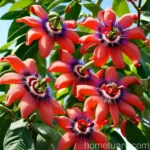
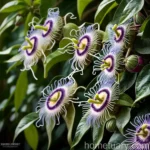
The Wild Passion Flower: Passiflora incarnata
Passiflora incarnata, also known as wild passion flower, is a strikingly beautiful plant with a rich history of cultural significance and various uses. This hardy vine boasts stunning and complex blossoms, attracting humans and pollinators alike. In this comprehensive guide, we will explore the various aspects of Passiflora incarnata, from its cultural significance to its care requirements, and from its medicinal properties to its role in traditional herbal remedies.
What is Passiflora incarnata?
Passiflora incarnata is a perennial, climbing vine native to the southeastern United States. It belongs to the Passifloraceae family and is known for its showy, intricate blooms and edible fruits. The plant’s smooth, herbaceous stem can extend up to 30 feet in length, adorning gardens with its lush green foliage and beautiful flowers. Passiflora incarnata is commonly referred to as wild passion flower, maypop, and apricot vine.
Key Takeaways
Before delving into the various aspects of Passiflora incarnata in detail, let’s take a brief look at the key takeaways regarding this captivating plant.
- Botanical Name: Passiflora incarnata
- Common Names: Wild Passion Flower, Maypop, Apricot Vine
- Family: Passifloraceae
- Native Habitat: Southeastern United States
- Plant Type: Perennial Vine
- Distinct Features: Intricate, showy flowers; edible fruits
- Cultural Significance: Historical, medicinal, and culinary uses
- Growth Requirements: Adequate water, sunlight, well-draining soil, and occasional maintenance
Cultural Significance and Uses
Passiflora incarnata holds a rich cultural heritage, with its versatile uses and historical significance. Traditionally, various parts of the plant have been utilized for medicinal, culinary, and ornamental purposes. Let’s delve into the cultural significance and uses of the wild passion flower.
Medicinal Uses
The wild passion flower has been revered for its medicinal properties for centuries. Native American tribes used the plant to treat various ailments, including insomnia, anxiety, and inflammation. Notably, Passiflora incarnata is known for its calming effects, which have made it a key component of traditional herbal remedies and alternative medicine practices. Its potential benefits include relieving stress, promoting relaxation, and aiding sleep.
Culinary Uses
In addition to its medicinal uses, Passiflora incarnata boasts edible fruits. The fruits, also known as maypops, are yellow-orange when ripe and can be consumed fresh or used to make jams and desserts. While the fruits have a tangy flavor, they are not as widely celebrated in culinary applications as some other Passiflora species. Nonetheless, they hold significance in regional cuisines and contribute to the cultural diversity of culinary traditions.
Growing Conditions
Passiflora incarnata, with its captivating beauty and diverse uses, is also relatively easy to cultivate. Understanding the plant’s requirements for water, sunlight, soil, and maintenance is essential for its successful growth. Let’s explore the key factors to consider when cultivating the wild passion flower.
Water
Proper watering is essential for the health and vigor of Passiflora incarnata. While it can tolerate some drought, the plant thrives when provided with consistent moisture. During periods of extended dryness, regular watering is crucial, especially for newly established plants. However, it’s important to ensure that the soil has good drainage to prevent waterlogging, as excessive moisture can lead to root rot.
Sunlight
Passiflora incarnata flourishes in full sun to partial shade, making it adaptable to various lighting conditions. However, to encourage abundant flowering and fruiting, providing the plant with sufficient sunlight is crucial. In regions with hot summers, some shade during the hottest parts of the day can be beneficial to prevent stress on the plant. Additionally, ensuring adequate air circulation can help prevent diseases and promote overall plant health.
Soil
The wild passion flower prefers well-draining, fertile soil for optimal growth. A loamy, rich soil with a slightly acidic to neutral pH (6.0-7.0) provides an ideal medium for the plant’s roots to thrive. A generous layer of organic mulch around the base of the plant helps retain soil moisture, suppresses weeds, and provides essential nutrients as it decomposes. Moreover, incorporating organic matter into the soil during planting or as a top dressing contributes to the soil’s fertility and structure.
Fertilizer
While Passiflora incarnata is relatively low-maintenance, providing it with appropriate fertilization can support its growth and flowering. A balanced, slow-release fertilizer applied in early spring can provide the necessary nutrients for the plant’s active growth. Additionally, incorporating organic fertilizers, such as compost or well-rotted manure, can enrich the soil and promote the overall health of the plant.
Pruning
Pruning Passiflora incarnata is beneficial for maintaining the plant’s shape, controlling its growth, and promoting blooming. Regular pruning, especially in early spring, helps remove dead or diseased growth, encourages new growth, and prevents the vine from becoming overly tangled. Removing excessive growth helps maintain a healthy and well-managed plant, while also providing an opportunity to observe and address any potential issues.
Propagation
Propagation provides an excellent opportunity to expand your collection of Passiflora incarnata or share the beauty of this plant with others. Understanding the various methods of propagation, including seed propagation, stem cuttings, and layering, allows enthusiasts to propagate the wild passion flower with ease.
Seed Propagation
Starting Passiflora incarnata from seeds requires some patience but can be a rewarding process. Harvesting seeds from ripe fruits and sowing them in a well-draining seed-starting mix provides the initial steps for successful germination. Keeping the soil consistently moist and providing warmth, such as with a heating mat, facilitates the germination process. Once the seedlings have developed several true leaves, they can be transplanted into individual pots or directly into the garden.
Stem Cuttings
Taking stem cuttings from a healthy, established Passiflora incarnata plant offers a reliable method of propagation. Selecting a section of healthy stem, typically several inches long, and removing any lower leaves prepares the cutting for rooting. Applying a rooting hormone can enhance the success rate of the cuttings, and placing them in a moist, well-draining rooting medium facilitates the development of roots. Providing the appropriate warmth, humidity, and consistent moisture supports the establishment of new plants from cuttings.
Layering
Layering involves encouraging a portion of a healthy stem to form roots while still attached to the parent plant. Burying a section of the stem, often with a small incision to encourage rooting, and providing appropriate moisture and humidity allows the plant to form roots. Once the rooted section has developed a healthy root system, it can be separated from the parent plant and transplanted to its desired location.
Container Cultivation
Passiflora incarnata, with its vigorous growth and captivating flowers, also thrives when cultivated in containers. This provides an excellent option for individuals with limited space or those who wish to showcase the plant’s beauty on patios, balconies, or other outdoor areas.
Soil Considerations
When cultivating Passiflora incarnata in containers, selecting a high-quality potting mix with good drainage is essential. A well-draining mix enriched with organic matter offers the necessary support for the plant’s roots and overall growth. Additionally, ensuring adequate drainage at the base of the container helps prevent waterlogging, which can be detrimental to the plant’s health.
Sunlight and Location
Placing the container in a location that receives ample sunlight is crucial for the plant’s growth and flowering. Positioning the container in an area with at least six hours of sunlight per day supports the plant’s development and encourages vigorous growth. Additionally, providing some protection from intense midday sun can be beneficial, especially in regions with hot summers, to prevent stress on the plant.
Maintenance and Pruning
Container-grown Passiflora incarnata may require more frequent watering than those planted in the ground, as the soil in containers can dry out more quickly. Regularly checking the soil moisture and providing adequate water helps maintain the plant’s health. Additionally, occasional pruning to manage the plant’s growth and encourage flowering is essential for container cultivation.
Popularity and Common Varieties
Passiflora incarnata, with its striking appearance and diverse uses, has garnered popularity among enthusiasts and gardeners seeking a visually captivating and versatile plant. The wild passion flower’s beauty and potential benefits have contributed to its increased appreciation and the availability of various cultivated varieties.
Common Cultivated Varieties
While the standard Passiflora incarnata possesses captivating beauty, various cultivars and selections have been developed to further enhance the plant’s visual appeal and adaptability. Some popular varieties include:
- Passiflora incarnata ‘Alba’: This cultivar features alluring white flowers, adding a touch of elegance to the plant’s ornamental value.
- Passiflora incarnata ‘Rubra’: Known for its vibrant, reddish blooms, this cultivar offers a striking and visually captivating alternative to the standard flower color.
- Passiflora incarnata ‘Maypop’: This variety is particularly valued for its abundant fruit production and the tangy, flavorful maypops it bears.
- Passiflora incarnata ‘Incense’: Renowned for its delightful fragrance, this cultivar entices with its captivating aroma, adding an olfactory dimension to the plant’s appeal.
Common Diseases and Pest Management
While Passiflora incarnata is generally resilient, it is susceptible to certain diseases and pests that can impact its health and vigor. Recognizing the signs of common diseases and pests, along with implementing appropriate management techniques, is essential for maintaining the plant’s well-being.
Common Diseases
Passiflora incarnata can be affected by various fungal diseases, including powdery mildew and leaf spots. Powdery mildew manifests as a powdery white growth on the leaves and stems, while leaf spots appear as discolored patches on the foliage. Additionally, root rot can occur when the soil remains excessively moist for prolonged periods. Proper cultural practices, such as ensuring good air circulation and avoiding overwatering, can help prevent these diseases.
Disease Diagnosis and Management
When managing diseases affecting Passiflora incarnata, a proactive approach is essential. Regularly inspecting the plant for symptoms of diseases, such as unusual spots or discoloration, allows for early intervention. Removing and disposing of affected plant material, providing appropriate airflow, and adjusting watering practices can help prevent the spread of diseases. Additionally, applying fungicidal treatments as directed can aid in managing fungal diseases.
Common Pests
Several pests can pose a threat to Passiflora incarnata, including aphids, spider mites, and caterpillars. Aphids can cause damage by feeding on the plant’s sap, leading to wilting and distorted growth. Spider mites, characterized by their fine webbing and stippled foliage, can weaken the plant by piercing the cells and extracting the fluids. Furthermore, caterpillars, including those of the Gulf fritillary butterfly, can consume the foliage of Passiflora incarnata, potentially causing defoliation.
Pest Control and Prevention
Implementing cultural and mechanical control methods is crucial for managing pests and preventing significant damage to the plant. Regularly monitoring the plant for signs of pest infestations, such as stippled or distorted leaves, allows for early intervention. Using a strong spray of water to dislodge aphids and spider mites, along with handpicking caterpillars, can help reduce pest populations. Additionally, applying insecticidal soap or neem oil as directed provides a targeted approach to managing pests.
Botanist’s Tips for Success
Understanding the unique requirements and characteristics of Passiflora incarnata is key to successfully cultivating this strikingly beautiful plant. Here are some tips from botanists and experienced growers to help you maximize the growth and potential benefits of the wild passion flower:
Tip 1: Provide Structural Support
As Passiflora incarnata is a climbing vine, providing adequate structural support is essential for its growth and appearance. Installing a trellis, arbor, or other sturdy support allows the plant to climb and display its splendid foliage and blossoms.
Tip 2: Encourage Pollinator Visits
The intricate and alluring blossoms of Passiflora incarnata attract various pollinators, including butterflies and bees. Encouraging pollinator visits helps support local ecosystems and promotes the plant’s continued growth and reproduction.
Tip 3: Embrace the Cultural Significance
Explore the historical and cultural significance of Passiflora incarnata, including its traditional uses in herbal remedies and its value in regional cuisines. Embracing the diverse uses and benefits of the plant enriches the overall experience of cultivating this fascinating species.
Tip 4: Share the Beauty
Sharing the beauty of Passiflora incarnata with others not only spreads appreciation for ornamental plants but also highlights the plant’s potential benefits and cultural significance. Propagating the plant and introducing it to new enthusiasts contributes to its continued recognition and relevance.
Fun Facts about Passiflora incarnata
As we unravel the captivating nature of Passiflora incarnata, let’s explore some intriguing and delightful fun facts about this remarkable plant:
- The name “Passiflora” stems from the passion of Christ, with the unique floral structure of the plant symbolizing various aspects of the crucifixion.
- Wild passion flower has garnered attention for its potential calming effects and has been traditionally used to promote relaxation and support sleep.
- Passiflora incarnata’s vibrant and intricate flowers serve as a source of inspiration for artists, poets, and enthusiasts, captivating with their visual allure.
Links to External Resources
To further enhance your understanding and appreciation of Passiflora incarnata, we recommend exploring reputable external resources that offer valuable insights and information on the plant. These resources include in-depth articles, cultivation guides, and information on the traditional uses and potential benefits of Passiflora incarnata:
- Wild Passionflower Benefits and Medicinal Properties
- Cultivation and Care Tips for Passion Vines
- Traditional Uses and Folklore of Passiflora incarnata
- Passiflora incarnata in Herbal Medicine and Traditional Remedies
In Conclusion
Passiflora incarnata, the wild passion flower, embodies a captivating blend of ornamental beauty, cultural significance, and potential benefits. Its deeply symbolic flowers, edible fruits, and versatile uses make it a remarkable addition to gardens and landscapes. Whether cherished for its visual allure, valued for its traditional uses, or embraced for its potential benefits, Passiflora incarnata continues to captivate enthusiasts and contribute to the diversity of plant appreciation.
By understanding the cultural significance, care requirements, and potential applications of Passiflora incarnata, enthusiasts can fully appreciate the beauty and significance of this extraordinary plant. From its historical uses in traditional medicine to its ornamental appeal and culinary contributions, the wild passion flower remains an enduring symbol of natural beauty and cultural richness.
As we continue to explore the intricate and diverse world of plants, the allure of Passiflora incarnata serves as a reminder of the boundless wonders found in nature and the significance of plants in shaping human cultures and traditions.
Ultimately, Passiflora incarnata invites us to delve deeper into its captivating mystique and embrace the countless layers of significance and beauty it holds, enriching our lives with its ornamental, cultural, and potentially beneficial attributes. With a shared appreciation for the resilience and splendid beauty of Passiflora incarnata, we embark on a journey of discovery, celebration, and understanding, engaging with the captivating plant world that continually inspires and enriches our experiences.
I hope this comprehensive guide provides a deeper understanding and appreciation of Passiflora incarnata, the wild passion flower. As we explore its cultural significance, growth requirements, and potential uses, we gain valuable insights into the rich tapestry of nature’s offerings and the intricate relationship between plants and human experiences. If you have any additional questions or would like to share your experiences with Passiflora incarnata, feel free to connect and continue the conversation.
Happy gardening and may the beauty of Passiflora incarnata inspire and enrich your journey with plants!