Plant Scientist’s Guide to Papaver cambricum (Welsh Poppy)
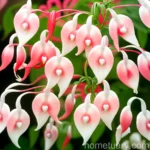
Papaver cambricum, commonly known as the Welsh Poppy, is a delightful and resilient perennial plant that belongs to the Papaveraceae family. With its charming yellow blossoms and ease of cultivation, the Welsh Poppy has become a beloved addition to gardens and landscapes around the world. In this comprehensive guide, we will explore all aspects of the Welsh Poppy, including its botanical characteristics, cultivation, uses, maintenance, and much more.
What is Plant Papaver cambricum (Welsh Poppy)?
Papaver cambricum, or the Welsh Poppy, is a herbaceous perennial plant native to Western Europe, including Wales, England, and Spain. It is known for its delicate, yellow flowers that bloom in late spring and early summer, adding a touch of brightness to gardens and natural landscapes.
The Welsh Poppy is characterized by its lobed, fern-like leaves and distinctive cup-shaped flowers, which attract pollinators such as bees and butterflies. It is a relatively low-maintenance plant, making it a popular choice for both experienced and novice gardeners.
Botanical Characteristics of Papaver cambricum
| Feature | Description |
|---|---|
| Family | Papaveraceae |
| Genus | Papaver |
| Species | Papaver cambricum |
| Common Name | Welsh Poppy |
| Native Habitat | Western Europe, including Wales and England |
| Plant Type | Herbaceous perennial |
| Height | 12 to 18 inches (30 to 45 cm) |
| Flower Color | Yellow |
| Flowering Season | Late spring to early summer |
| Leaf Characteristics | Lobed, fern-like |
| Sunlight Requirements | Partial shade to full sun |
| Soil Type | Moist, well-draining |
Key Takeaways – Papaver cambricum (Welsh Poppy)
Cultural Significance
In addition to its ornamental value, the Welsh Poppy holds cultural significance in Wales, where it is often associated with myths and folklore. It has been depicted in Welsh literature and is celebrated for its natural beauty and resilience.
Medicinal Uses
While not as commonly utilized as its larger cousin, the Papaver somniferum (Opium Poppy), the Welsh Poppy has been historically used in folk medicine for its mild sedative and calming properties. It has been employed as a remedy for nervous conditions and insomnia.
Wildlife Attraction
The Welsh Poppy serves as a gentle beacon for pollinators, attracting bees and butterflies to the garden. Its nectar-rich flowers play a role in supporting local ecosystems and promoting biodiversity.
Environmental Benefits
As a native plant in Western Europe, the Welsh Poppy contributes to the preservation of local flora and provides an excellent option for sustainable landscaping and naturalization efforts.
Now that we have established an overview of Papaver cambricum, let’s delve into the specifics of cultivating and caring for this delightful perennial.
Cultivation
Cultivating Papaver cambricum requires an understanding of its preferred growing conditions and maintenance practices. From planting to ongoing care, here are the key factors to consider when cultivating the Welsh Poppy.
Planting Tips
- Location: Choose a partially shaded to a fully sunny location for planting Welsh Poppies. They can thrive in a variety of settings, from woodland gardens to borders and containers.
- Soil Requirements: Welsh Poppies prefer moist, well-draining soil. They can also withstand slightly acidic to neutral pH levels.
- Planting Depth: When planting seeds or transplants, ensure they are placed at a depth of around 1/4 inch (6 mm) in the soil.
Water
- Watering Guide: Provide regular, moderate watering to Welsh Poppies, particularly during dry periods. They appreciate consistently moist soil but are susceptible to root rot if overwatered. Mulching can help to retain soil moisture.
Sunlight
- Sunlight Needs: While Welsh Poppies can tolerate partial shade, they generally thrive in areas that receive full sun to partial shade. They may require more shade in regions with hot summers.
Soil
- Fertilizer: Welsh Poppies are not heavy feeders, but they can benefit from a light application of balanced fertilizer in early spring to support healthy growth.
- Soil Amendment: Consider enriching the soil with organic matter, such as compost, to improve its texture and fertility.
Pruning
- Pruning Techniques: Deadhead spent flowers to encourage prolonged blooming and to prevent self-seeding. Pruning can also help maintain the plant’s shape and appearance.
Propagation
- Propagation Methods: Welsh Poppies can be propagated from seeds and division. They readily self-seed, so it’s important to monitor and manage their spread if desired.
Container Gardening
- Popularity in Containers: Welsh Poppies can thrive in containers, making them suitable for balcony gardens, patios, and other confined spaces. Choose a well-draining potting mix and ensure adequate moisture levels.
Common Diseases and Pests
As with any plant, Welsh Poppies are susceptible to certain diseases and pests. Understanding these potential issues can aid in early detection and effective management.
Common Diseases
- Disease Diagnosis: Welsh Poppies may experience issues such as powdery mildew, which can be addressed through proper air circulation, and proper spacing to prevent moisture buildup.
Common Pests
- Pest Management: Keep an eye out for aphids, slugs, and snails. Physical removal, natural predators, or selective application of insecticidal soap can help manage these pests without causing harm to beneficial insects.
Botanist’s Tips
From a botanist’s viewpoint, Welsh Poppies present fascinating opportunities for study and appreciation. Here are some specialized tips that delve into the unique characteristics and behaviors of Papaver cambricum.
-
Companion Plants: Consider companion planting Welsh Poppies with other shade-tolerant perennials, such as hostas, astilbes, and ferns, to create visually appealing and diverse landscapes.
-
Winter Care: While Welsh Poppies generally go dormant in winter, it is important to provide some protection in regions with harsh frosts. Mulching can help insulate the soil and protect the plant’s roots.
-
Seed Collection: If allowing Welsh Poppies to self-seed, collect the ripe seed pods before they split to prevent excessive spreading and to control their presence in the garden.
-
Garden Design: Incorporate Welsh Poppies into woodland-style gardens, cottage gardens, and naturalized areas to showcase their gentle and naturalistic appeal.
Fun Facts about Papaver cambricum
- The Latin name “Papaver” is derived from the word “pappa,” which refers to food. This is inspired by the use of the seeds of some species, including the Opium Poppy, in cooking.
- Welsh Poppies are resilient plants that can thrive in challenging environments, making them suitable for naturalization and wildflower gardens.
- Papaver cambricum has historical ties to Wales, where it is celebrated for its beauty and cultural significance. It is often depicted in poetry and art.
Links to External Resources
For further exploration, here are some valuable resources that provide additional information on growing, caring for, and enjoying Papaver cambricum:
- Royal Horticultural Society – Papaver cambricum Profile
- Missouri Botanical Garden – Welsh Poppy Cultivation Guide
- Gardening Know How – Papaver cambricum Growing Tips
Conclusion
Papaver cambricum, or the Welsh Poppy, offers an engaging blend of ornamental appeal, resilience, and cultural significance. Its cheerful yellow blossoms and adaptable nature make it a valuable addition to garden landscapes, from woodland settings to urban containers. By understanding its cultivation requirements, environmental benefits, and potential challenges, gardeners can appreciate and showcase the unique charms of the Welsh Poppy while contributing to local biodiversity and cultural heritage.
As you embark on your journey of nurturing and enjoying Papaver cambricum, may you find inspiration in its folklore, beauty, and ecological contributions. Happy gardening!
Note: The information provided in this guide is intended for general reference. Be sure to verify the specific needs and characteristics of Papaver cambricum in your local growing region, as conditions may vary.