Corydalis Lutea (Fumewort)
As a plant scientist with a passion for all things green and growing, I am thrilled to delve into the diverse world of plants. In this blog post, our.
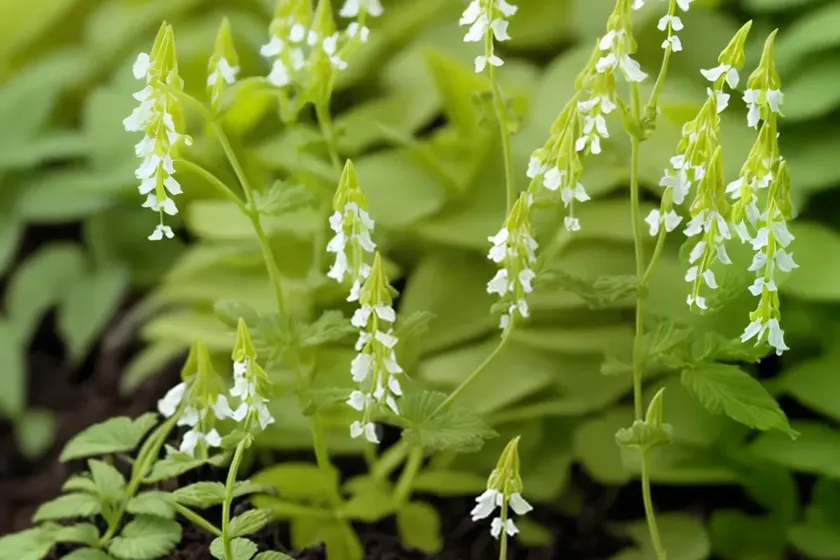
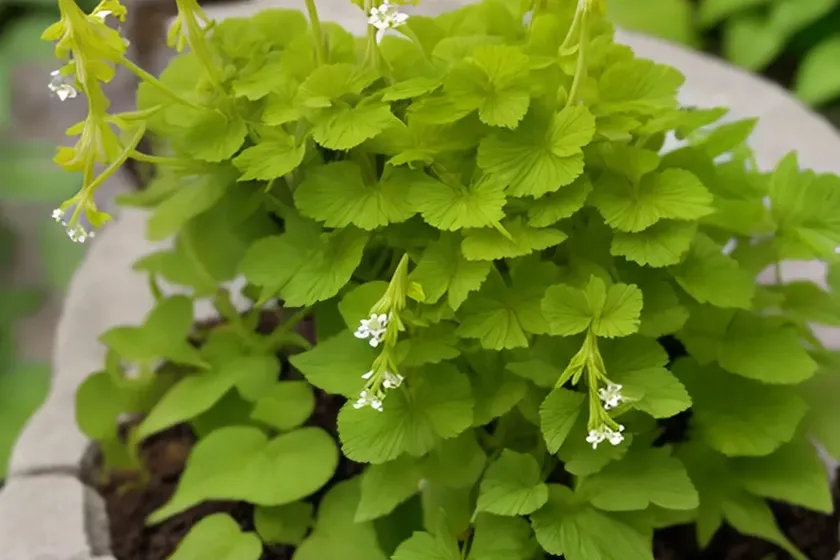
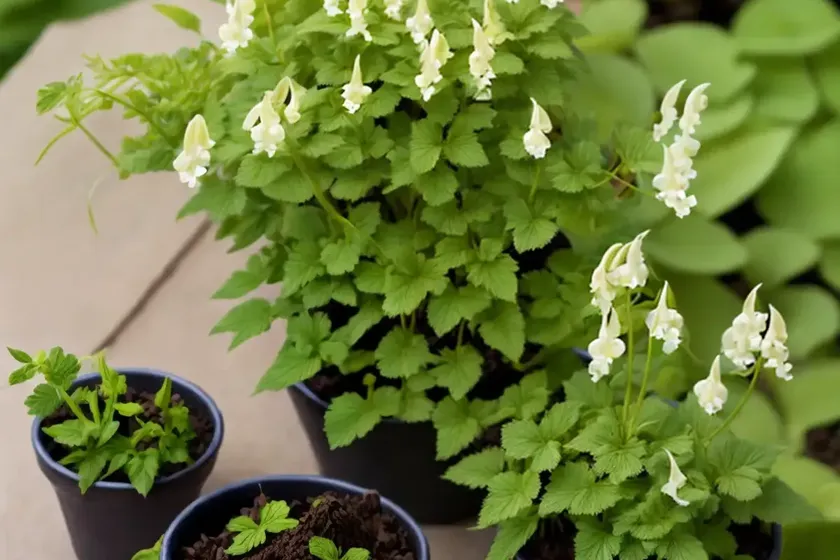
As a plant scientist with a passion for all things green and growing, I am thrilled to delve into the diverse world of plants. In this blog post, our spotlight is on Corydalis lutea, also known as Fumewort. We will explore its description, cultivation, unique features, and much more. So, let’s embark on this journey of discovery together and unravel the secrets of this delicate beauty that graces many gardens.
What is Corydalis lutea?
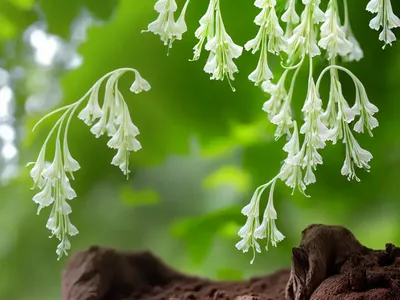
Corydalis lutea, commonly known as Fumewort, is a charming perennial plant that belongs to the Papaveraceae family. Native to the mountainous regions of southern Europe, this plant is known for its delicate, fern-like leaves and clusters of bright yellow flowers.
Corydalis lutea Description
- Scientific Name: Corydalis lutea
- Common Name: Fumewort
- Family: Papaveraceae
- Native Habitat: Southern Europe
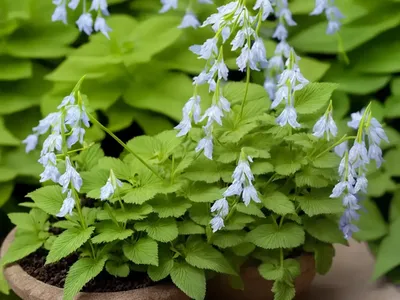
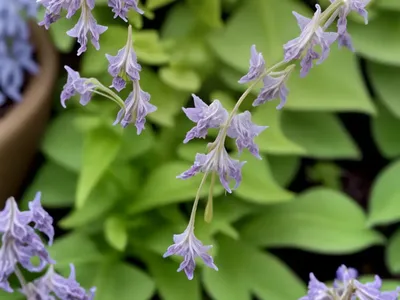
- Foliage: The leaves are finely divided, giving them a delicate and lacy appearance. The light green color of the foliage adds to its overall charm and appeal.
- Flowers: The flowers of Corydalis lutea are small and brightly colored in shades of yellow. They form clusters that create a beautiful contrast against the lacy foliage.
Now that we’ve acquainted ourselves with the basic description of Corydalis lutea, let’s dive deeper into its characteristics and explore its uses, cultivation requirements, and much more.
Key Takeaways – Corydalis lutea (Fumewort)
Culture
Corydalis lutea, with its graceful foliage and bright blooms, brings a touch of elegance to any garden. It thrives in a variety of settings, and its attractive features make it a popular choice among gardeners.
Uses
- Ornamental Plant: Corydalis lutea is primarily grown for its ornamental value. The delicate foliage and clusters of yellow flowers make it a beautiful addition to rock gardens, borders, and woodland settings.
- Landscaping: Its natural appearance and fern-like foliage make it an excellent choice for naturalistic or woodland-themed landscapes.
Water
- Watering Needs: Corydalis lutea prefers consistently moist soil, particularly during the growing season. However, it’s important to avoid waterlogged conditions, as this can lead to root rot. Providing moderate and consistent moisture is the key to keeping the plant healthy and thriving.
Sunlight
- Sun Requirements: While Corydalis lutea appreciates some sunlight, it thrives in partial to full shade. In hot summer climates, providing dappled shade can help protect the plant from excessive heat and sun exposure.
Fertilizer
- Feeding Schedule: A balanced, slow-release fertilizer can be applied in early spring to support the plant’s growth and flowering. However, it’s important to avoid over-fertilization, as this can lead to excessive foliage growth at the expense of flowers.
Soil
- Soil Type: Well-draining, fertile soil is preferred for Corydalis lutea. It thrives in slightly acidic to neutral soil pH. Amending the soil with organic matter can help improve its texture and fertility, creating an ideal growing environment for the plant.
Pruning
- Pruning Techniques: Corydalis lutea does not require extensive pruning. However, removing spent flower stalks and occasionally trimming back any leggy growth can help maintain its compact and attractive appearance.
Propagation
- Propagation Methods: Corydalis lutea can be propagated by division in early spring or fall. Additionally, it readily self-seeds in favorable growing conditions, allowing new plants to emerge and naturalize in the garden.
Container Popularity
- Container Gardening: Due to its compact size and attractive foliage, Corydalis lutea is well-suited for container gardening. It can be a charming addition to patio containers, providing a lovely accent to outdoor spaces.
Common Diseases
- Disease Susceptibility: While Corydalis lutea is relatively resilient, it can be susceptible to root rot if the soil is consistently waterlogged. Proper drainage and appropriate watering practices can help prevent this issue.
Disease Diagnosis
- Symptoms: Yellowing and wilting of the foliage, accompanied by a foul smell from the soil, may indicate the presence of root rot. Careful examination of the roots can confirm the diagnosis.
Common Pests
- Pest Resistance: Corydalis lutea is generally resistant to major pest infestations. However, occasional issues with aphids or slugs may occur, particularly in humid conditions.
Botanist’s Tips
Corydalis lutea, with its delicate appearance and graceful blooms, enhances the beauty of any garden. To ensure its success, here are a few additional tips for cultivating this charming plant:
- Mulching: Applying a layer of organic mulch around the base of the plant can help retain moisture and suppress weeds, creating an optimal growing environment for Corydalis lutea.
- Companion Planting: Pairing Corydalis lutea with other shade-loving perennials can create stunning garden combinations. Consider planting it alongside hostas, ferns, and astilbes for a harmonious and visually appealing display.
Fun Facts
- The name “Fumewort” is derived from the plant’s historical use as a treatment for respiratory ailments, where the smoke from burning the plant was inhaled for its therapeutic effects.
Links to External Resources
Now that we’ve covered the culture, uses, water, sunlight, fertilizer, soil, pruning, propagation, container popularity, common diseases, disease diagnosis, common pests, and botanist’s tips for Corydalis lutea, it’s time to explore further resources to enrich our understanding of this captivating plant:
Stay tuned for more in-depth insights into the fascinating world of Corydalis lutea and its myriad qualities.
In the next part, I will further explore the remaining topics and provide a comprehensive guide to Corydalis lutea, as requested.