Corn Poppy (Papaver Rhoeas)
Corn poppy, scientifically known as Papaver rhoeas, is a stunning wildflower that has captured the awe and admiration of people across the globe. Its.
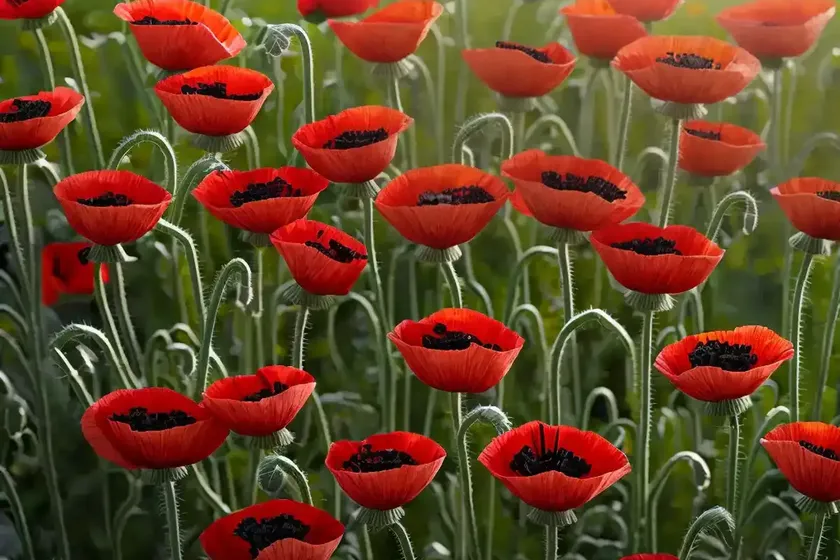
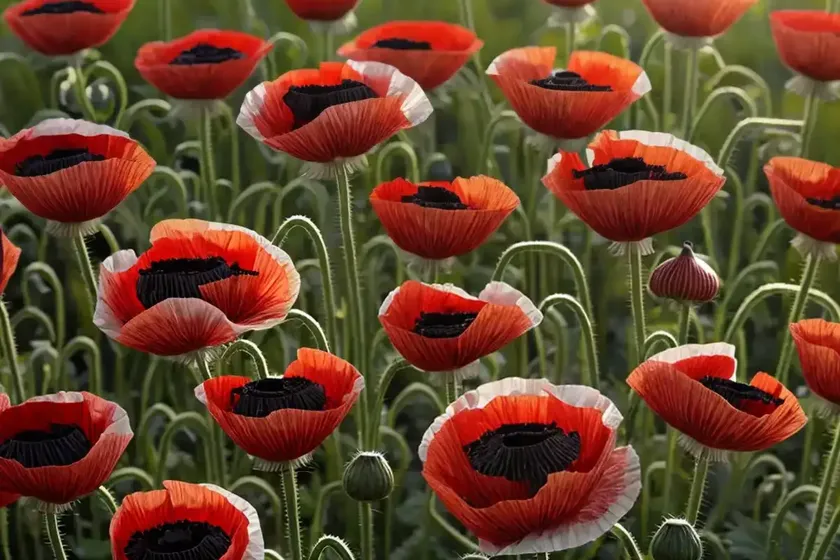
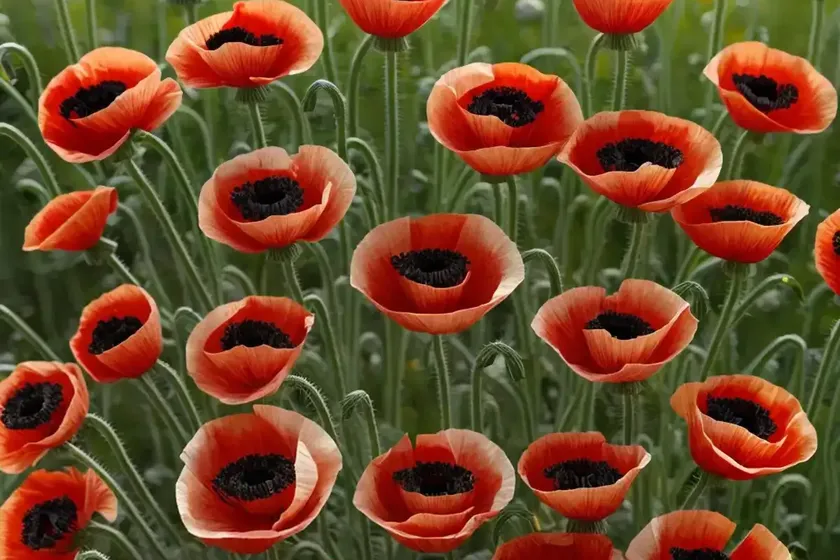
Corn poppy, scientifically known as Papaver rhoeas, is a stunning wildflower that has captured the awe and admiration of people across the globe. Its vibrant red petals and dark center have inspired artists, symbolized historical events, and added a touch of natural beauty to landscapes. In this comprehensive guide, we will delve deep into the culture, uses, care, and significance of the corn poppy.
Here’s what we’ll cover:
– What is Papaver rhoeas?
– Key Takeaways
– Culture
– Uses
– Water
– Sunlight
– Fertilizer
– Soil
– Pruning
– Propagation
– Container Popularity
– Container Common Diseases
– Disease Diagnosis
– Common Pests
– Botanist’s Tips
– Fun Facts
– Links to External Resources
What is Papaver rhoeas?
General Overview
Papaver rhoeas, commonly known as corn poppy, cornfield poppy, or common poppy, is an annual flowering plant belonging to the Papaveraceae family. This species is native to Europe, North Africa, and temperate Asia, but it has been naturalized in other regions due to its natural beauty and cultural significance. Corn poppies are also known for their role in agriculture, as they often grow as weeds in crop fields where disturbances in the soil have occurred.
Botanical Characteristics
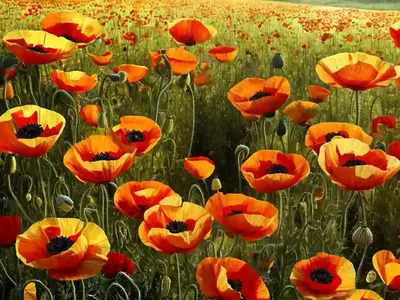
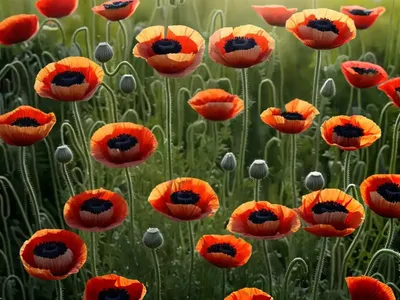
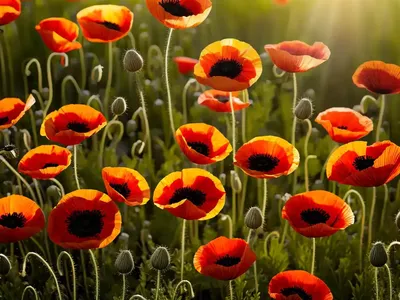
The corn poppy is renowned for its scarlet-red, papery petals and dark center, making it a visual treat in fields and gardens. The plant typically reaches a height of 12 to 18 inches (30 to 45 cm) and blooms during the late spring and early summer. Its delicate, yet vibrant flowers attract pollinators, adding to its ecological value. The plant’s distinctive appearance has also led to its adoption as a symbol in various cultures and historical contexts.
Key Takeaways – Corn Poppy (Papaver rhoeas)
Before we delve into the specifics of cultivating and caring for corn poppies, let’s summarize the essential points surrounding Papaver rhoeas:
- Also known as cornfield poppy, common poppy, or red poppy, Papaver rhoeas is a charismatic annual flowering plant.
- Its scarlet-red petals with a dark center make it a visual delight, and its ecological and cultural significance is noteworthy.
- The plant blooms during late spring and early summer and is known for attracting pollinators.
Now, let’s move on to understanding the cultural significance of the corn poppy and exploring its diverse uses.
Culture
Symbolism and Significance
Papaver rhoeas has been a source of inspiration and significance in various cultural and historical contexts. The deep red color of its petals has often been associated with themes of remembrance, commemoration, and sacrifice, particularly in the context of war. In many countries, including the United Kingdom, Canada, and Australia, the corn poppy is a symbol of remembrance for soldiers who have died during wartime.
The association of the corn poppy with memorializing fallen soldiers dates back to the famous poem “In Flanders Fields” written by Lieutenant Colonel John McCrae during World War I. The poem eloquently depicts the image of poppies growing amidst the graves of soldiers in Flanders, Belgium, and has since immortalized the flower as a symbol of remembrance.
Folklore and Legends
Beyond its association with war and remembrance, the corn poppy has also been intertwined with various myths, legends, and cultural beliefs. In Greek mythology, poppies were linked to Morpheus, the god of dreams, with the belief that the plant’s sedative properties could bring peaceful sleep. In Roman folklore, the poppy was associated with Ceres, the goddess of agriculture, and was used as an offering to ensure a bountiful harvest.
The plant has also been associated with various superstitions and spiritual beliefs in different cultures. For instance, in Chinese folklore, the poppy was thought to ward off evil spirits and bring luck. These cultural connections highlight the profound impact of the corn poppy on human society and storytelling.
Uses
Ornamental Uses
The breathtaking beauty of the corn poppy has made it a popular choice for ornamental purposes. Its vivid red blooms add a touch of natural elegance to gardens, meadows, and landscapes.
Medicinal Uses
Historically, the Papaver rhoeas plant has been used in traditional medicine for its potential sedative and pain-relieving properties. However, it’s important to note that the plant contains alkaloids that can be toxic in high doses, and its medicinal use should be approached with caution and under the guidance of a healthcare professional.
Ecological Importance
Beyond its cultural and ornamental value, the corn poppy plays a crucial ecological role as a nectar source for pollinators. By attracting bees, butterflies, and other beneficial insects, the plant contributes to the overall biodiversity and health of ecosystems where it grows.
Now that we’ve explored the cultural significance and diverse uses of the corn poppy, let’s turn our attention to the essential care guidelines for cultivating this captivating plant.
Plant Name: Corn Poppy (Papaver rhoeas)
Water
Ensuring the proper amount of water is crucial for the healthy growth of Papaver rhoeas. Here’s a summary of the watering needs for this striking plant:
- Watering Frequency: Corn poppies generally prefer moderate watering, especially during dry periods. However, they are relatively tolerant of drought conditions, making them suitable for regions with varying precipitation levels.
- Watering Method: When watering, it’s advisable to apply water directly to the base of the plant to prevent moisture-related issues on the foliage.
- Avoid Overwatering: While consistent moisture is beneficial, waterlogging the soil should be avoided as it can lead to root rot and other complications.
Sunlight
Proper sunlight exposure is essential for the healthy development of corn poppies. Here are key considerations for ensuring the plant receives adequate sunlight:
- Sunlight Requirements: Corn poppies thrive in full sunlight. They should be positioned in locations that receive at least 6 to 8 hours of direct sunlight each day for optimal growth and abundant flowering.
- Sunlight Intensity: While the plant enjoys ample sunlight, it may benefit from some protection during the hottest part of the day, especially in regions with intense summer heat.
Fertilizer
The judicious application of fertilizer can support the robust growth and flowering of Papaver rhoeas. Consider the following points when fertilizing corn poppies:
- Fertilizer Type: A balanced, all-purpose fertilizer can be applied to the soil before planting or as a side-dressing during the growing season.
- Frequency: Applying fertilizer at the beginning of the growing season can provide the plant with the necessary nutrients for healthy development.
Soil
Understanding the soil preferences of Papaver rhoeas is essential for creating a suitable growing environment. Here’s what you need to know about the soil requirements for corn poppies:
- Well-Drained Soil: Corn poppies thrive in well-drained, loamy soil with a neutral to slightly acidic pH.
- Soil Amendment: If the soil is compacted or lacks organic matter, amending it with compost or well-rotted manure before planting can enhance the soil structure and fertility.
Pruning
Pruning can help maintain the health and appearance of corn poppies. Here are some basic guidelines for pruning Papaver rhoeas:
- Deadheading: Regularly removing spent flowers can promote continuous blooming and prevent the plant from self-seeding excessively.
- Trimming: Trimming back any damaged or dead foliage can help maintain the plant’s overall vigor and aesthetics.
Propagation
Papaver rhoeas can be propagated through various methods, including seed sowing and division. Here are some points to consider when propagating this captivating plant:
- Seed Sowing: Directly sowing seeds in the garden after the last frost date can yield successful germination and healthy plants.
- Division: If the plant becomes overcrowded, dividing established clumps can help rejuvenate the population and create new plantings.
Container Popularity
While corn poppies are often associated with open fields and natural landscapes, they can also thrive in containers, adding bursts of color to urban and suburban settings.
Container Common Diseases
When growing Papaver rhoeas in containers, it’s important to be aware of potential diseases that can affect the plant. Common issues may include fungal diseases and root rot, especially if the soil becomes overly saturated.
Disease Diagnosis
Being observant and proactive is crucial for diagnosing and managing potential diseases in corn poppies. Regularly inspecting the foliage and overall health of the plants can aid in early disease detection and prompt action.
Common Pests
Corn poppies may be susceptible to certain pests, such as aphids and slugs. Implementing integrated pest management strategies and maintaining a healthy growing environment can help minimize pest-related damage.
Now that we’ve covered the fundamental aspects of caring for Papaver rhoeas, let’s explore some additional insights and fascinating facts about this captivating plant.
Botanist’s Tips
Wildlife Habitat
Corn poppies can serve as valuable nectar sources for beneficial insects, including bees and butterflies. By incorporating Papaver rhoeas into garden spaces, individuals can contribute to the conservation of pollinator populations.
Natural Dye Source
In addition to its ecological and ornamental value, the corn poppy has historical significance as a natural dye source. The petals of the plant were used to produce red and pink dyes in traditional textile and craft practices.
Folklore and Mythology
The corn poppy’s presence in folklore and mythology underscores its enduring cultural significance and the diverse narratives associated with the plant across different societies.
Fun Facts
- The corn poppy, with its vibrant red blooms, has inspired numerous artists and poets throughout history, including renowned painters and literary figures.
- Papaver rhoeas is known for its ability to establish itself in disturbed habitats, making it a pioneer species in ecological succession.
- The plant’s distinct appearance and historical associations have contributed to its widespread adoption in garden landscapes and public spaces.
Now that we’ve gained a deeper understanding of the unique attributes and cultural significance of corn poppies, let’s turn our attention to external resources that provide additional insights and information about this captivating plant.
Links to External Resources
- Royal Horticultural Society – Papaver rhoeas
- USDA Plants Database – Papaver rhoeas
- The Wildlife Trusts – Corn Poppy
In conclusion, Papaver rhoeas stands as a captivating plant with a rich tapestry of cultural significance, ecological value, and natural beauty. By understanding its care requirements, significance, and unique attributes, individuals can appreciate the role of the corn poppy in various contexts, from art and history to horticulture and conservation. Whether adorning open fields or urban gardens, the corn poppy continues to enchant and inspire, embodying the enduring connection between humanity and the natural world.
Incorporating the insights and guidelines shared in this comprehensive guide can empower enthusiasts and gardeners to cultivate and celebrate the allure of Papaver rhoeas, ensuring the perpetuation of its legacy and cultural resonance for generations to come.