Dicentra ‘Amore Rose’ (Fern-Leaf Bleeding Heart): A Delicate and Charming Addition to Your Garden
What is Plant: Dicentra ‘Amore Rose’ (Fern-Leaf Bleeding Heart)
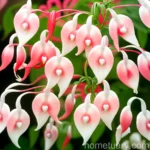
Dicentra ‘Amore Rose’ is a stunning and delicate perennial plant that belongs to the Papaveraceae family. Commonly known as Fern-Leaf Bleeding Heart, this plant showcases beautiful rose-pink heart-shaped flowers that dangle gracefully from slender, arching stems. The finely divided, fern-like foliage adds an exquisite touch to the overall appearance of the plant, making it a popular choice for shade gardens, woodland settings, and cottage-style landscapes.
This enchanting plant is known for its unique beauty and graceful habit, making it a cherished addition to many gardeners’ collections. The delicate and intricate appearance of Dicentra ‘Amore Rose’ is a surefire way to add a touch of elegance and romance to any garden setting.
Key Takeaways – Dicentra ‘Amore Rose’ (Fern-Leaf Bleeding Heart)
- Plant Name: Dicentra ‘Amore Rose’ (Fern-Leaf Bleeding Heart)
- Variety: Fern-Leaf Bleeding Heart ‘Amore Rose’
- Family: Papaveraceae
- Common Names: Fern-Leaf Bleeding Heart
- Plant Type: Perennial
- Flower Color: Rose-pink
- Foliage: Fern-like, finely divided
- Habit: Arching, mounding
- Hardiness Zone: 3-9
- Mature Height: 12-15 inches
- Mature Spread: 12-18 inches
- Bloom Time: Late spring to early summer
- Best Suited For: Shade gardens, woodland settings, cottage-style landscapes
- Attracts: Hummingbirds, butterflies
Culture
Uses
- Ornamental: Dicentra ‘Amore Rose’ is primarily cultivated for its ornamental value. The delicate heart-shaped flowers and finely cut foliage make it an ideal choice for adding a touch of elegance and charm to garden beds, borders, and containers.
Water
- Watering Requirement: Consistently moist, well-drained soil
- Watering Schedule: Regular watering, especially during dry periods or in the absence of rainfall
- Preferred Watering Method: Water at the base of the plant to avoid wetting the foliage
Sunlight
- Sun Exposure: Partial to full shade
- Optimal Light Conditions: Filtered sunlight, dappled shade, or morning sun with afternoon shade
- Avoidance of: Intense, direct sunlight during the hottest part of the day
Fertilizer
- Fertilization Frequency: Once a year in early spring
- Preferred Fertilizer Type: Balanced, slow-release fertilizer
- Application Method: Evenly distribute fertilizer around the plant, avoiding direct contact with the stems or foliage
Soil
- Soil Type: Well-drained, fertile soil
- Preferred pH Level: Slightly acidic to neutral (pH 6.0-7.0)
- Soil Amendments: Organic matter such as compost or well-rotted manure can improve soil structure and fertility
Pruning
- Pruning Time: After the plant has finished flowering (late spring to early summer)
- Pruning Technique: Remove spent flower stems and any dead or damaged foliage to encourage tidy growth and potential reblooming
- Rejuvenation Pruning: If the plant becomes sparse or leggy, it can be cut back to within a few inches of the ground after flowering to promote fresh growth
Propagation
- Propagation Methods: Division, seed, or stem cuttings
- Division: Divide mature plants in early spring or early fall, ensuring each division has adequate roots and shoots
- Seed Propagation: Sow seeds in a prepared seedbed outdoors in late summer or early fall for subsequent spring germination
- Stem Cuttings: Take 2-3 inch stem cuttings in late spring or early summer, dip in rooting hormone, and plant in a well-draining medium for root formation
Container Popularity
- Well-Suited For: Containers, window boxes, and hanging baskets
- Container Size: Use a container with adequate depth and width to accommodate the plant’s root system and accommodate its mature size
- Potting Mix: Well-drained, high-quality potting mix with added organic matter for moisture retention
Common Diseases
Disease Diagnosis
- Common Diseases:
- Powdery Mildew: Identified by powdery, white patches on the leaves and stems
- Botrytis Blight: Presents as brown, water-soaked lesions on foliage, often in conjunction with damp conditions
- Diagnosis: Visual examination of the plant for the presence of characteristic symptoms
- Preventive Measures: Maintaining adequate spacing between plants, promoting good air circulation, and avoiding overhead watering can help prevent common diseases
Common Pests
- Common Pests:
- Aphids: Small, soft-bodied insects that feed on plant sap, often found on the undersides of leaves
- Slugs and Snails: Feed on foliage, leaving irregular holes and damage
- Pest Control:
- Aphids: Use a strong spray of water to dislodge aphids from the plant or consider introducing natural predators such as ladybugs
- Slugs and Snails: Employ physical barriers, such as copper tape or diatomaceous earth, and handpick pests during dusk or dawn
Botanist’s Tips
- Shade Selection: Choose a sheltered location with partial to full shade, such as the base of trees or along north-facing walls, to provide optimal growing conditions for Dicentra ‘Amore Rose’.
- Mulching: Apply a layer of organic mulch around the base of the plant to conserve moisture, suppress weeds, and provide insulation to the root system during temperature fluctuations.
- Companion Planting: Pair Dicentra ‘Amore Rose’ with other shade-loving plants like Hosta, Astilbe, and Pulmonaria to create visually appealing and harmonious shade gardens.
Fun Facts
- The genus name “Dicentra” is derived from the Greek words “di” and “kentron,” which together mean “two spurs,” referencing the unique shape of the plant’s blooms.
- Dicentra ‘Amore Rose’ is a cultivar of Dicentra formosa, a species native to western North America, specifically in regions such as California, Oregon, and British Columbia.
Links to External Resources
- Royal Horticultural Society – Dicentra ‘Amore Rose’ Plant Profile
- Missouri Botanical Garden – Growing Bleeding Heart
- University of Florida IFAS Extension – Bleeding Heart for Florida Landscapes
- North Carolina State University – Dicentra formosa
In conclusion, Dicentra ‘Amore Rose’ (Fern-Leaf Bleeding Heart) stands out as a captivating and versatile plant that adds a touch of grace and beauty to diverse garden settings. Its delicate, heart-shaped blooms and lacy foliage make it a perennial favorite among garden enthusiasts. By understanding and implementing the recommended care and cultivation practices, gardeners can enjoy the captivating allure of Dicentra ‘Amore Rose’ in their own landscape, creating a picturesque and enchanting outdoor space.
Whether nestled in a shaded border, a woodland garden, or a tastefully arranged container, the Fern-Leaf Bleeding Heart is sure to captivate with its romantic blooms and captivating charm. With its unique characteristics and endearing qualities, Dicentra ‘Amore Rose’ is an invaluable addition to any garden, adding a timeless touch of elegance and refinement.
Remember to always adhere to the suggested guidelines for care and maintenance to ensure the continued health and vitality of your Dicentra ‘Amore Rose’ (Fern-Leaf Bleeding Heart) plants, allowing them to flourish and enchant in your garden for years to come.