Plant Scientist’s Guide to Panicle Hydrangea (Hydrangea paniculata ‘Phantom’)
What is Plant: Panicle Hydrangea (Hydrangea paniculata ‘Phantom’)
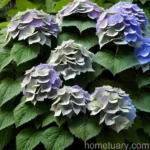
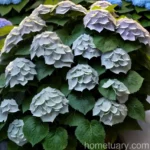
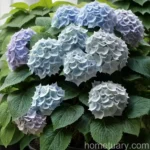
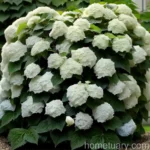
Panicle hydrangea, scientifically known as Hydrangea paniculata ‘Phantom’, is a deciduous shrub that belongs to the Hydrangeaceae family. This stunning ornamental plant is characterized by its large, showy panicles of flowers that bloom in the summer and fade to hues of pink, red, and brown in the fall and winter, adding interest to the winter landscape.
The ‘Phantom’ cultivar is especially prized for its large, conical flower heads and vigorous growth habit. It is a popular choice for gardens and landscapes due to its exceptional ornamental value, low maintenance requirements, and versatility in various climate zones.
Key Takeaways – Panicle Hydrangea (Hydrangea paniculata ‘Phantom’)
The Panicle Hydrangea (Hydrangea paniculata ‘Phantom’) is a beautiful and popular flowering shrub with several key characteristics and care requirements that contribute to its successful cultivation and stunning ornamental display. Let’s dive into the essential aspects of caring for and cultivating this remarkable plant, including its cultural requirements, uses, watering, sunlight, fertilization, soil preferences, pruning techniques, propagation, disease and pest management, and notable fun facts.
Culture
Uses
- Ornamental: The Panicle Hydrangea is primarily grown for its stunning ornamental qualities, including its large, showy panicles of flowers that flourish in the summer and evolve into a range of captivating colors during the fall and winter months.
- Landscaping: Its adaptable growth habit and striking visual appeal make it a popular choice for landscaping in various contexts, including residential gardens, parks, commercial properties, and public green spaces.
- Cut Flowers: The large, elegant flower heads of the Panicle Hydrangea make it a coveted choice for cut flower arrangements, adding a touch of elegance and texture to floral displays.
Water
- Moderate water requirements: The Panicle Hydrangea thrives in moist, well-draining soil and generally requires regular watering, especially during periods of dry weather and drought. Adequate hydration is crucial, particularly during the establishment phase and hot summer months, to promote healthy growth and vibrant blooms.
Sunlight
- Sun-loving plant: This cultivar typically thrives in full sun to partial shade, although it tends to produce the best floral display when grown in a location with ample sunlight. However, it can also tolerate partial shade, making it a versatile choice for a range of garden environments.
Fertilizer
- Nutrient requirements: The Panicle Hydrangea benefits from regular fertilization, particularly in the spring, to support robust growth and abundant flowering. A balanced, slow-release fertilizer designed for flowering shrubs can help meet its nutritional needs and enhance its overall vigor and bloom production.
Soil
- Soil preferences: Well-drained, moist, and fertile soil is ideal for the successful cultivation of Panicle Hydrangeas. The plant exhibits good adaptability to various soil types, including loam, clay, and sandy soil, as long as it provides adequate drainage and a nutrient-rich environment for healthy root development.
Pruning
- Pruning considerations: Pruning is an essential aspect of Panicle Hydrangea care, contributing to the plant’s overall health, shape, and flowering performance. Proper pruning techniques, such as selective removal of spent blooms and shaping of the shrub, can help maintain its desired form and encourage the development of new, vigorous growth.
Propagation
- Propagation methods: The Panicle Hydrangea can be propagated through several techniques, including softwood cuttings, hardwood cuttings, and division. Each method offers unique advantages and considerations for successful propagation, allowing gardeners to expand their plant collection and share the beauty of this cultivar with others.
Container Popularity
- Container gardening: The Panicle Hydrangea is well-suited for container cultivation, making it an excellent choice for patio gardens, urban landscapes, and small outdoor spaces. Its adaptability to container growth allows for versatile placement and creative display options, enhancing its appeal in diverse gardening settings.
Common Diseases
Disease Diagnosis
- Recognizing common diseases: The Panicle Hydrangea may be susceptible to certain diseases, including powdery mildew, leaf spot, and bud blight, among others. Early detection and accurate diagnosis of these diseases are crucial for implementing timely and effective management strategies to protect the plant and preserve its health and vitality.
Common Pests
- Pest Management: The Panicle Hydrangea may encounter pests such as aphids, spider mites, and scale insects, which can potentially impact its growth and flowering. Vigilant monitoring and proactive pest management measures can help mitigate pest pressures and safeguard the plant from infestations, ensuring its long-term well-being and ornamental value.
Botanist’s Tips
- Prune in late winter: Conduct pruning during late winter or early spring to remove any dead or damaged wood, shape the shrub, and encourage the development of new growth and robust flower buds for the upcoming blooming season.
- Regular fertilization: Apply a balanced, slow-release fertilizer in the spring to provide the plant with essential nutrients for healthy growth and prolific flowering, following the manufacturer’s recommendations for dosage and application.
Fun Facts
- Changing flower colors: The flower heads of the Panicle Hydrangea can undergo a stunning transformation in the fall and winter, evolving from their initial white or creamy hues to shades of pink, red, and bronze, offering visual interest and year-round appeal in the garden landscape.
- Attractive to pollinators: The large, showy flowers of the Panicle Hydrangea serve as a valuable food source for pollinators, including bees, butterflies, and other beneficial insects, contributing to the ecological balance and biodiversity of the garden environment.
- Adaptable growth habit: This cultivar exhibits a versatile growth habit and can be effectively used in various garden applications, such as hedges, borders, specimen plantings, and mixed shrub borders, adding versatility and visual impact to landscape designs.
Links to External Resources
For more information on Panicle Hydrangea care, pruning, propagation, and other related topics, the following resources offer valuable insights and practical guidance:
- University of Missouri Extension – Hydrangea Culture for Home Gardeners – PDF
- The American Horticultural Society – Propagation Techniques for Hydrangeas
- Royal Horticultural Society – Plant Health – Recognizing and Managing Hydrangea Diseases
In conclusion, the Panicle Hydrangea (Hydrangea paniculata ‘Phantom’) stands out as a captivating and versatile plant that enriches garden landscapes with its breathtaking floral display and low maintenance requirements. By understanding and implementing the key cultural practices, pest and disease management strategies, and propagation techniques outlined in this guide, gardeners can enjoy the enduring beauty and ornamental charm of this exceptional shrub. Whether grown in gardens, landscapes, or containers, the Panicle Hydrangea continues to captivate plant enthusiasts and enrich outdoor spaces with its timeless allure and captivating floral presence.