Bigleaf Hydrangea (Hydrangea macrophylla ‘Horwack’ PISTACHIO): A Complete Guide
Bigleaf hydrangeas, scientifically known as Hydrangea macrophylla ‘Horwack’ PISTACHIO, are prized for their stunning large flower heads and lush green foliage. These popular landscape plants are adored for their vibrant and diverse flower colors, making them a favorite among gardeners. In this comprehensive guide, we’ll explore everything you need to know about the bigleaf hydrangea, from its culture and uses to care tips, propagation, common diseases, and much more.
What is Bigleaf Hydrangea (Hydrangea macrophylla ‘Horwack’ PISTACHIO)?
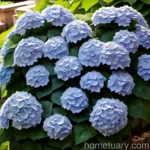
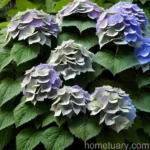
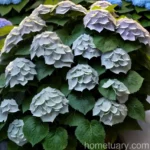
Bigleaf hydrangea, Hydrangea macrophylla ‘Horwack’ PISTACHIO, is a cultivar within the Hydrangea macrophylla species. This variety is known for its striking PISTACHIO flower color, which is a unique and rare addition to the wide range of hydrangea flower hues. With its compact habit and beautiful, eye-catching blooms, ‘Horwack’ PISTACHIO brings a touch of elegance to any garden or landscape.
Key Takeaways
Before we delve into the specifics of bigleaf hydrangea care, let’s take a quick look at the key takeaways of this stunning plant:
- Hydrangea macrophylla ‘Horwack’ PISTACHIO is a cultivar of the Hydrangea macrophylla species, prized for its unique PISTACHIO flower color.
- This bigleaf hydrangea variety is known for its compact growth habit and large, showy flower heads, making it a popular choice for gardens and landscapes.
- The culture of bigleaf hydrangeas involves attention to watering, sunlight, soil, and fertilizer to ensure optimal growth and vibrant blooms.
- ‘Horwack’ PISTACHIO hydrangeas can be propagated through various methods, including softwood cuttings and layering, allowing gardeners to expand their collection of these beautiful plants.
- Common diseases and pests, such as powdery mildew and aphids, can impact bigleaf hydrangeas, requiring proactive measures for prevention and management.
Now that we have a glimpse of what bigleaf hydrangeas are all about let’s dive deeper into various aspects of their care, uses, and maintenance.
Culture
Water
Proper irrigation is crucial for the health and vigor of bigleaf hydrangeas. These plants prefer moist, well-drained soil to thrive. During the growing season, it’s essential to ensure that they receive consistent moisture, especially during hot and dry periods.
- Water the plants deeply, providing enough moisture to reach the root zone, and allow the soil to dry slightly between waterings to prevent waterlogged conditions.
- Use mulch around the base of the plants to help retain soil moisture and prevent rapid evaporation.
Sunlight
Bigleaf hydrangeas generally prefer partial shade to thrive, especially in regions with hot summers. While they can tolerate morning sun, providing afternoon shade can help protect them from the intense heat.
- In areas with milder climates, they can tolerate more sunlight, but in warmer regions, they benefit from additional shade to prevent stress and sunburn on the foliage.
- When selecting a planting site, consider the amount of sunlight the area receives throughout the day to provide an ideal growing environment for the hydrangeas.
Fertilizer
Appropriate fertilization can support the growth and flowering of bigleaf hydrangeas. A balanced, slow-release fertilizer formulated for flowering shrubs can be applied in spring to provide essential nutrients.
- Avoid excessive use of high-nitrogen fertilizers, as they can promote lush foliage growth at the expense of flower production.
- Consider applying a layer of compost around the base of the plants to enrich the soil and provide organic nutrients for healthy growth.
Soil
The soil composition plays a significant role in the overall health and performance of bigleaf hydrangeas. They prefer slightly acidic, well-draining soil with adequate organic matter.
- Amend heavy clay soils with organic matter, such as compost or peat moss, to improve drainage and nutrient retention.
- Conduct a soil pH test and aim for a pH level between 5.2 and 5.5 to support vibrant flower color and overall plant health.
Pruning
Pruning is an essential practice to shape bigleaf hydrangeas, promote new growth, and maintain a tidy appearance. Understanding the different types of hydrangea bloom on old wood or new growth is crucial for determining the appropriate pruning time and technique.
- For varieties that bloom on old wood, such as ‘Horwack’ PISTACHIO, pruning should be done shortly after the flowering period to avoid removing potential flower buds for the following year.
- Remove spent flower heads to encourage continuous blooming and prevent seed production, redirecting the plant’s energy towards new growth and additional blooms.
Propagation
Expanding your collection of bigleaf hydrangeas through propagation allows you to create new plants from existing ones. Several methods can be used to propagate these plants, including softwood cuttings and layering.
- Softwood cuttings can be taken from healthy, new growth in early summer and propagated in a suitable rooting medium to establish new plants.
- Air layering, a technique where a portion of a stem is encouraged to root while still attached to the parent plant, can also be an effective method for propagating bigleaf hydrangeas.
Container Popularity
Bigleaf hydrangeas are well-suited for container gardening, adding a touch of elegance to patios, balconies, and outdoor living spaces. Their compact growth habit and stunning blooms make them popular choices for container planting.
- When selecting a container, choose one with adequate drainage holes to prevent waterlogging and ensure proper air circulation around the roots.
- Use a high-quality potting mix designed for acid-loving plants to provide the necessary nutrients and pH balance for container-grown bigleaf hydrangeas.
Container Common Diseases
Container-grown bigleaf hydrangeas can be susceptible to certain diseases, primarily those related to excess moisture and poor air circulation. Gray mold (Botrytis cinerea) and root rot are common issues that can affect hydrangeas in containers.
- To prevent disease development, ensure proper drainage in the containers and avoid overwatering, especially during cooler and wetter periods.
- Use a well-draining potting mix and consider adding a layer of mulch to the surface to help regulate soil moisture and reduce the risk of fungal diseases.
Disease Diagnosis
Recognizing and diagnosing potential diseases affecting bigleaf hydrangeas is essential for implementing appropriate management strategies. Common diseases that may impact these plants include powdery mildew, leaf spot, and various fungal infections.
- Regularly inspect the foliage for any signs of discoloration, spotting, or unusual growth patterns, and promptly address any issues to prevent disease spread.
- In cases of suspected disease infestation, consider sending samples to a plant pathology laboratory for accurate diagnosis and treatment recommendations.
Common Pests
Bigleaf hydrangeas can attract certain pests, such as aphids, spider mites, and scale insects, which can cause damage to the foliage and affect overall plant health.
- Implement proactive pest management practices, such as regular monitoring and the use of insecticidal soaps or horticultural oils to control minor infestations.
- Attract beneficial insects, such as ladybugs and lacewings, to help naturally regulate pest populations in the garden.
Botanist’s Tips
As a botanist, here are some additional tips to help you successfully grow and care for bigleaf hydrangeas:
- Consider the specific climatic conditions in your region when selecting a planting site for bigleaf hydrangeas, particularly in terms of sunlight exposure and temperature extremes.
- To encourage vibrant flower color, consider amending the soil with aluminum sulfate to lower the pH and promote the development of blue blooms, or apply garden lime to raise the pH for pinker hues.
Fun Facts
- Bigleaf hydrangeas can exhibit a fascinating color-changing ability based on the soil pH, with acidic soils promoting blue flower color and alkaline soils encouraging pink hues.
- The flowers of bigleaf hydrangeas can be dried and used in various floral arrangements, adding a touch of natural beauty to indoor spaces and decorative displays.
Now that we’ve covered the essential cultural practices, uses, and fun facts about bigleaf hydrangeas, here are some external resources for further exploration of this captivating plant:
- The American Hydrangea Society: A valuable resource for hydrangea enthusiasts, providing information on different hydrangea species, cultivars, and care guidelines.
- University of Florida IFAS Extension: Hydrangea for Florida Landscapes: Offers insights into growing hydrangeas in Florida, including suitable varieties and cultural requirements.
- Missouri Botanical Garden: Hydrangea macrophylla: Detailed information on the characteristics and growth habits of Hydrangea macrophylla, including specific cultivars like ‘Horwack’ PISTACHIO.
With the knowledge and guidance provided in this comprehensive guide, you can confidently cultivate and enjoy the beauty of bigleaf hydrangeas in your garden or landscape. Whether you’re captivated by the alluring PISTACHIO flower color or the lush foliage of this remarkable plant, the bigleaf hydrangea is sure to enhance the natural splendor of your outdoor spaces.

As you embark on your journey of nurturing and appreciating these stunning plants, may the vibrant blooms and captivating charm of Hydrangea macrophylla ‘Horwack’ PISTACHIO bring joy and inspiration to your gardening endeavors.
Disclaimer: The content provided in this article is for informational purposes only. It is always advisable to consult local horticultural experts and extension services for specific recommendations tailored to your unique growing conditions and geographical location.
References
- American Hydrangea Society. “Home”. Retrieved from https://www.americanhydrangeasociety.org/
- University of Florida IFAS Extension. “Hydrangea for Florida Landscapes”. Retrieved from https://gardeningsolutions.ifas.ufl.edu/plants/ornamentals/hydrangea.html
- Missouri Botanical Garden. “Hydrangea macrophylla”. Retrieved from https://www.missouribotanicalgarden.org/PlantFinder/PlantFinderDetails.aspx?taxonid=268780&isprofile=0&