Plant Scientist’s Guide to Bigleaf Hydrangea (Hydrangea macrophylla ‘Tokyo Delight’)
Bigleaf hydrangea, scientifically known as Hydrangea macrophylla ‘Tokyo Delight’, is a captivating flowering shrub that is cherished for its large, showy blooms and lush foliage. This blog post will serve as a comprehensive guide for plant enthusiasts, gardeners, and horticulturists who are interested in learning about the culture, uses, care requirements, and propagation of the bigleaf hydrangea.
What is Bigleaf Hydrangea (Hydrangea macrophylla ‘Tokyo Delight’)?
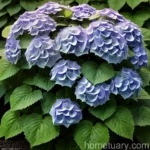
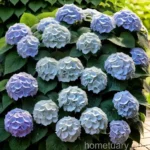
The bigleaf hydrangea, often referred to as Hydrangea macrophylla ‘Tokyo Delight’, is a deciduous shrub that belongs to the Hydrangeaceae family. It is native to Japan and Korea and is renowned for its striking, large flower heads that can vary in color from pink to blue, depending on the soil pH. The plant typically reaches a height and spread of 3-6 feet, making it an excellent choice for borders, hedges, or ornamental displays in gardens and landscapes.
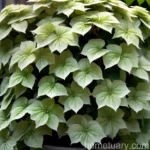
The Hydrangea macrophylla ‘Tokyo Delight’ cultivar is particularly esteemed for its exquisite blooms and its ability to thrive in various environmental conditions. Its name ‘Tokyo Delight’ reflects its origin and the delightful visual appeal it brings to any garden setting. The plant is characterized by its broad, ovate leaves and the abundance of vibrant, clustered flowers that embellish its branches during the blooming season.
Key Takeaways – Bigleaf Hydrangea (Hydrangea macrophylla ‘Tokyo Delight’)
Before delving into the specifics of the bigleaf hydrangea, it is essential to highlight the key takeaways that will be addressed in this guide. This section provides an overview of the crucial aspects that will be covered, ensuring that readers have a clear understanding of what to expect from the comprehensive analysis to follow.
Culture
Understanding the cultural requirements of the bigleaf hydrangea is paramount to its successful growth and development. This includes factors such as the plant’s preferred climate, water needs, and sunlight exposure.
Uses
The versatile uses of the bigleaf hydrangea, both in landscaping and horticulture, will be explored. Whether as a focal point in a garden or as a cut flower in floral arrangements, the plant has several valuable applications.
Water
Water is an essential element for the sustenance of bigleaf hydrangeas, and understanding its watering needs is crucial for maintaining optimal health and vigor.
Sunlight
Sunlight plays a vital role in the growth and blooming of bigleaf hydrangeas, and its requirements will be elucidated to aid in proper placement and care.
Fertilizer
Appropriate fertilization practices can significantly impact the flowering and overall vitality of bigleaf hydrangeas.
Soil
The soil preference of bigleaf hydrangeas, specifically pertaining to pH levels and texture, will be discussed to guide gardeners in creating a conducive growing environment.
Pruning
Pruning is an important aspect of bigleaf hydrangea care, and understanding the correct techniques is imperative to promote healthy growth and prolific flowering.
Propagation
Knowledge of propagation methods enables gardeners to propagate bigleaf hydrangeas for expansion or sharing with others, and this will be explored in detail.
Container Popularity
The suitability of bigleaf hydrangeas for container gardening and the benefits it offers will be addressed.
Container Common Diseases
Identifying and managing common diseases that affect bigleaf hydrangeas in container settings is crucial for ensuring plant health.
Disease Diagnosis
Recognition of common diseases and their symptoms aids in timely intervention and effective disease management.
Common Pests
Understanding the pests that commonly afflict bigleaf hydrangeas is imperative to implement preventive measures and pest control strategies.
Botanist’s Tips
Insightful tips and recommendations from a botanist’s perspective can provide valuable guidance for successful bigleaf hydrangea cultivation.
Fun Facts
Discovering interesting and unique facts about bigleaf hydrangeas can enhance appreciation for this captivating plant species.
Links to External Resources
Providing access to reputable external resources can enrich the reader’s knowledge and serve as supplementary references for further exploration.
With these key takeaways in mind, let’s embark on an in-depth exploration of the bigleaf hydrangea (Hydrangea macrophylla ‘Tokyo Delight’) and gain a comprehensive understanding of its characteristics, cultivation requirements, and care practices.
Culture of Bigleaf Hydrangea (Hydrangea macrophylla ‘Tokyo Delight’)
Understanding the cultural requirements of the bigleaf hydrangea lays the foundation for successful and thriving plant specimens. This section will delve into the preferred climate, water needs, and sunlight exposure that are conducive to the growth and development of Hydrangea macrophylla ‘Tokyo Delight’.
Climate
Bigleaf hydrangeas, including the ‘Tokyo Delight’ cultivar, thrive in temperate climates with moderate temperatures and consistent moisture. They are well-suited for USDA hardiness zones 5-9, where the conditions are conducive to their growth and blooming. While they can tolerate some degree of cold, they benefit from protection against harsh winter conditions, especially in colder zones, to safeguard their tender buds and prevent frost damage.
Water
Adequate moisture is essential for the healthy growth and blooming of bigleaf hydrangeas, including the ‘Tokyo Delight’ variety. They prefer evenly moist soil that is well-draining to prevent waterlogging, which can lead to root rot. Regular watering, particularly during dry spells, is essential to ensure that the soil remains consistently moist, but not waterlogged. Mulching the soil around the base of the plant can help retain moisture and reduce the frequency of watering, contributing to optimal growing conditions.
Sunlight
Bigleaf hydrangeas, such as Hydrangea macrophylla ‘Tokyo Delight’, benefit from a balance of sunlight and partial shade. They thrive in dappled or filtered sunlight, especially in the morning and late afternoon, while being shielded from the intense midday sun. Excessive exposure to direct sunlight can lead to leaf scorch and reduced flowering, making it important to provide them with adequate shade during the hottest part of the day. Understanding the ideal sunlight conditions is crucial for optimizing the plant’s growth and flowering potential.
Uses of Bigleaf Hydrangea (Hydrangea macrophylla ‘Tokyo Delight’)
The bigleaf hydrangea, with its captivating blooms and versatile qualities, serves various purposes in horticulture and landscaping. This section will highlight the diverse applications of Hydrangea macrophylla ‘Tokyo Delight’ and underscore its significance in different contexts.
Ornamental Display
The large and showy flower heads of the ‘Tokyo Delight’ cultivar make it an excellent choice for ornamental displays in gardens and landscapes. Whether grown as individual specimens, mass plantings, or incorporated into mixed borders, bigleaf hydrangeas add a charming and picturesque element to the outdoor environment.
Cut Flowers
The robust and striking blooms of bigleaf hydrangeas make them popular choices for cut flower arrangements. The long-lasting flowers can be harvested and used as captivating focal points in floral displays, bringing their enduring beauty indoors.
Landscape Accents
Bigleaf hydrangeas, including the ‘Tokyo Delight’ variety, are often utilized as eye-catching landscape accents, providing visual interest and color to various settings. Their versatility in terms of growth habit, bloom color, and foliage texture makes them valuable additions to gardens, parks, and public spaces.
Shrub Borders
Due to their moderate size and prolific flowering, bigleaf hydrangeas are frequently employed as borders or hedges, delineating garden spaces and adding a touch of elegance to the landscape. Their substantial presence and ornamental value make them suitable for framing pathways, borders, or garden beds.
Container Gardening
The compact nature of the bigleaf hydrangea, such as Hydrangea macrophylla ‘Tokyo Delight’, makes it a desirable option for container gardening. They can be planted in containers or pots on patios, balconies, or terraces, offering a stunning and portable flowering display.
Incorporating bigleaf hydrangeas into various settings and utilizing their aesthetic appeal enriches the visual landscape and provides opportunities for creative and expressive gardening endeavors.
Fertilizer Requirements for Bigleaf Hydrangea (Hydrangea macrophylla ‘Tokyo Delight’)
Appropriate fertilization practices play a crucial role in promoting robust growth, lush foliage, and prolific blooming in bigleaf hydrangeas. Understanding the specific fertilizer requirements of Hydrangea macrophylla ‘Tokyo Delight’ ensures that the plant receives the essential nutrients necessary for its overall health and vitality.
Timing
Fertilization of bigleaf hydrangeas, including the ‘Tokyo Delight’ cultivar, should be carried out at strategic times to maximize its benefits. Applying a balanced, slow-release fertilizer in early spring, just before the onset of new growth, provides the plant with the necessary nutrients to support vigorous development and the initiation of flower buds.
Nutrient Composition
The ideal fertilizer for bigleaf hydrangeas should have a balanced nutrient composition to support overall plant health and flowering. A general-purpose, slow-release fertilizer with an N-P-K ratio of 10-10-10 or a similar formulation is suitable for providing the essential nitrogen, phosphorus, and potassium required by the plant.
Application Method
When applying fertilizer to bigleaf hydrangeas, it is essential to spread the granules evenly around the base of the plant, ensuring that they do not come into direct contact with the stems or foliage. Watering the plant after fertilization aids in the absorption of nutrients and prevents potential burn caused by concentrated fertilizer contact.
Additional Considerations
In regions with alkaline soils, amending the soil with acidic organic matter or using a fertilizer specifically formulated for acid-loving plants can help maintain an optimal pH level for bigleaf hydrangeas. Monitoring the plant’s response to fertilization and adjusting the application based on its performance and visual appearance ensures that the plant’s nutrient needs are adequately met.
Adhering to proper fertilization practices ensures that Hydrangea macrophylla ‘Tokyo Delight’ receives the necessary nutrients to flourish and produce an abundance of vibrant blooms, enhancing its ornamental value in garden settings.
Soil Requirements for Bigleaf Hydrangea (Hydrangea macrophylla ‘Tokyo Delight’)
Understanding the soil preferences of bigleaf hydrangeas is fundamental to creating an environment that is conducive to their growth, blooming, and overall well-being. This section will elucidate the soil requirements for Hydrangea macrophylla ‘Tokyo Delight’ and highlight the factors that contribute to optimal soil conditions for the plant.
pH Level
The pH level of the soil significantly influences the bloom color of bigleaf hydrangeas, including the ‘Tokyo Delight’ variety. In acidic soils with a lower pH (pH 5.5 or below), the flowers tend to exhibit blue hues, while in alkaline soils with a higher pH (pH 6.5 or above), the blooms lean towards pink or red. As such, maintaining the desired bloom color or inducing color changes necessitates an understanding of the soil’s pH and the utilization of appropriate amendments or treatments.
Texture and Drainage
Well-draining soil with a loamy or sandy texture is beneficial for bigleaf hydrangeas, as it prevents waterlogging and minimizes the risk of root rot. Amending heavy clay soils with organic matter, such as compost or peat moss, aids in improving drainage and creating a more hospitable growing medium for the plant. Ensuring proper soil aeration and moisture retention promotes healthy root development and sustains lush foliage and prolific blooming.
Organic Matter and Nutrients
Incorporating organic matter into the soil, such as well-rotted compost or leaf mold, enriches the nutrient content and enhances soil structure, creating an environment that is favorable for the growth of bigleaf hydrangeas. The presence of essential nutrients and beneficial microorganisms contributes to the plant’s overall vigor and resilience in response to environmental stressors.
Mulching
Applying a layer of organic mulch, such as wood chips, pine bark, or shredded leaves, around the base of bigleaf hydrangeas helps to regulate soil moisture, suppress weed growth, and insulate the roots from temperature fluctuations. Mulching also contributes to the gradual enrichment of the soil as the organic materials decompose, promoting long-term soil health and fertility.
Soil Testing
Conducting periodic soil tests to assess the pH level, nutrient content, and overall soil composition provides valuable insights into the condition of the soil and guides the implementation of corrective measures or adjustments as needed. Monitoring the soil’s suitability for bigleaf hydrangeas contributes to their sustained vitality and ensures that their specific requirements are met.
Establishing and maintaining optimal soil conditions that align with the preferences of Hydrangea macrophylla ‘Tokyo Delight’ is essential for fostering robust growth and vibrant flowering, ultimately enhancing the plant’s ornamental appeal in garden landscapes.
Pruning Techniques for Bigleaf Hydrangea (Hydrangea macrophylla ‘Tokyo Delight’)
Pruning is an integral aspect of bigleaf hydrangea care, serving to manage plant size, shape, and flowering, as well as rejuvenate older specimens for enhanced vitality and blooming potential. This section will outline the recommended pruning techniques for Hydrangea macrophylla ‘Tokyo Delight’ and provide guidance on achieving optimal results through proper pruning practices.
Timing
Understanding the appropriate timing for pruning bigleaf hydrangeas, including the ‘Tokyo Delight’ variety, is essential for maximizing flowering potential and minimizing interference with the next season’s blooms. The optimal time for pruning is immediately after the plant has finished flowering, typically in late summer or early fall. Pruning at this time allows adequate time for new growth and flower buds to form in preparation for the following year’s blooming season.
Deadheading Spent Blooms
Removing faded or spent flower heads from the previous blooming season, a process known as deadheading, promotes tidiness and redirects the plant’s energy towards new growth and potential secondary blooms. Deadheading can be performed by snipping the faded blooms just below the flower head, encouraging the development of new buds and maintaining a neat and manicured appearance.
Stem Pruning
Selective stem pruning, conducted post-blooming, involves the removal of older, weak, or damaged stems to encourage the growth of new, vigorous shoots and stimulate increased flowering. Pruning the stems down to the base of the plant or to a pair of healthy buds promotes the generation of fresh growth and contributes to the plant’s rejuvenation.
Rejuvenation Pruning
For mature bigleaf hydrangeas that have become overgrown or have experienced a decline in blooming, rejuvenation pruning offers a transformative solution to revitalize the plant and encourage a renewed flush of growth and flowering. Rejuvenation pruning involves cutting back a third to a half of the oldest stems to ground level, promoting the emergence of new shoots and fostering a more compact and vigorous growth habit.
Shape and Size Control
Managing the size and shape of bigleaf hydrangeas through selective pruning helps maintain their aesthetic appeal and prevents overcrowding in garden settings. Trimming back overextending branches, shaping the plant to desired proportions, and promoting a balanced and well-defined form through strategic pruning practices contribute to the overall visual presentation of the plant.
Disease Removal
Removing and disposing of any diseased, discolored, or distorted foliage as part of the pruning process minimizes the risk of disease spread and helps maintain the plant’s health and vigor. Pruning away affected areas and maintaining a clean and sanitized pruning tool reduce the likelihood of disease incidence and promote plant well-being.
Considerations for Bloom Time
Recognizing the impact of pruning on the subsequent year’s blooming season is crucial, as bigleaf hydrangeas set their flower buds on old wood. Careful pruning practices that preserve existing buds and promote new growth without sacrificing potential blooms are instrumental in maximizing flowering and enhancing the plant’s ornamental value.
Employing appropriate pruning techniques in accordance with the specific requirements of Hydrangea macrophylla ‘Tokyo Delight’ ensures that the plant maintains an attractive appearance, exhibits prolific flowering, and remains vigorous and healthy throughout its lifecycle.
Propagation of Bigleaf Hydrangea (Hydrangea macrophylla ‘Tokyo Delight’)
The propagation of bigleaf hydrangeas, such as the ‘Tokyo Delight’ cultivar, offers an opportunity to expand the plant collection, share cherished varieties with others, and perpetuate favored characteristics through new plant generations. This section will explore the various methods of propagating Hydrangea macrophylla ‘Tokyo Delight’ and provide insights into successfully reproducing this captivating plant.
Propagation Techniques
Stem Cuttings
Propagating bigleaf hydrangeas from stem cuttings represents a reliable and straightforward method of obtaining genetic replicas of the parent plant. Selecting healthy, non-flowering stems with several nodes, typically in early summer, and preparing the cuttings by removing lower leaves and retaining upper foliage provides the optimal material for propagation. Rooting hormone application and placement in a well-draining propagation medium, such as perlite or a mix of peat and sand, facilitates the development of roots and the successful establishment of new plants.
Layering
Air layering, utilizing the plant’s ability to form roots along a stem while still attached to the parent plant, offers a viable approach to generating new bigleaf hydrangea plants. Encircling a section of a healthy stem with a shallow wound, applying rooting hormone to the wounded area, and then covering it with a moist, peat-based medium and protective wrapping fosters the formation of roots over time. Once roots have developed sufficiently, the propagated stem can be severed from the parent plant and transplanted to a new location for continued growth.
Division
Dividing mature bigleaf hydrangea plants, especially those that have become overcrowded or require rejuvenation, involves carefully separating the root ball into individual sections, each containing viable roots and vigorous growth points. Transplanting the divided sections into prepared soil or containers, ensuring adequate moisture and care, encourages the establishment of the separated plants and supports their continued development.
Grafting
Grafting techniques can be employed to propagate specific cultivars of bigleaf hydrangeas, including the ‘Tokyo Delight’ variety, by uniting a desirable scion with a compatible rootstock. Achieving a successful graft involves matching the cambium layers of the scion and rootstock, securing the union, and providing a conducive environment for healing and integration. Grafted bigleaf hydrangeas inherit the superior traits of the selected scion and benefit from the vigor and adaptability of the rootstock, producing plants with desired characteristics and enhanced performance.
Seed Propagation
While bigleaf hydrangeas can be propagated from seeds, it is important to note that propagated seedlings may exhibit genetic variability and may not retain the exact traits of the parent plant, particularly in the case of cultivated varieties such as Hydrangea macrophylla ‘Tokyo Delight’. However, seed propagation presents an avenue for exploring genetic diversity, hybridization, and the potential development of new cultivars through controlled pollination and seed collection.
Care Considerations for Propagated Plants
Root Development
Providing adequate moisture, warmth, and protection to propagated bigleaf hydrangea cuttings or divisions supports the development of healthy, well