Everything You Need to Know About the Panicle Hydrangea (Hydrangea paniculata ‘Renhy’ VANILLA STRAWBERRY)
Introduction
As a plant scientist, I find the study of plants fascinating. The plant world is diverse and offers a wide array of species, each with its unique characteristics and requirements. In this article, I will delve into the world of the panicle hydrangea, specifically the Hydrangea paniculata ‘Renhy’ VANILLA STRAWBERRY. This beautiful and versatile plant has garnered significant attention in the horticultural world due to its striking appearance and ease of cultivation. Throughout this article, we will explore various aspects of this cultivar, ranging from its cultural requirements to its propagation and common pests and diseases. Additionally, I will provide valuable insights into the best practices for caring for this exquisite plant, making it an informative read for gardening enthusiasts, horticulturalists, and botany aficionados.
What is the Panicle Hydrangea (Hydrangea paniculata ‘Renhy’ VANILLA STRAWBERRY)?
The Hydrangea paniculata ‘Renhy’ VANILLA STRAWBERRY, commonly known as the panicle hydrangea, is a deciduous shrub that belongs to the family Hydrangeaceae. This cultivar is celebrated for its large and showy flower panicles, which undergo a striking color transformation throughout the growing season, evolving from creamy white to shades of blush pink and deep strawberry red. The delightful blend of colors is reminiscent of the delectable vanilla and strawberry combination, providing a visual treat for garden landscapes and flower arrangements.
Key Takeaways – Panicle Hydrangea (Hydrangea paniculata ‘Renhy’ VANILLA STRAWBERRY)
Before delving into the various aspects of the panicle hydrangea, let’s highlight the key takeaways associated with this captivating cultivar:
- Latin Name: Hydrangea paniculata ‘Renhy’
- Common Name: Vanilla Strawberry Hydrangea
- Color Transformation: Creamy white to blush pink to deep strawberry red
- Cultural Requirements: Well-drained soil, adequate sunlight, and regular watering
- Growth Habit: Deciduous shrub with large flower panicles
- Unique Features: Striking color-changing blooms, suitable for landscapes and containers
- Pruning: Pruning tips essential for maintaining shape and enhancing flowering
Plant Characteristics
To comprehend the fundamental requirements for cultivating the panicle hydrangea and appreciate its unique attributes, we must understand its characteristics and traits.
Growth Habit
The panicle hydrangea is characterized by its robust and upright growth habit, typically reaching a height of 6 to 8 feet and a spread of 4 to 6 feet. The plant’s vigorous growth, coupled with its striking blooms, makes it an excellent choice for landscape focal points, hedges, and mixed borders.
Flower Structure
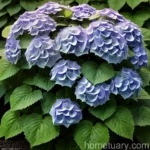
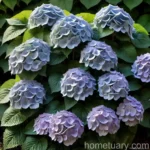
One of the most captivating features of the Vanilla Strawberry Hydrangea is its impressive flower panicles. The large, conical-shaped clusters emerge in midsummer and continue to grace the plant through the fall season. Initially, the blooms display a creamy white hue, gradually transitioning to a soft blush pink, and culminating in deep strawberry red tones. This color progression creates a stunning visual spectacle and adds dynamic interest to garden landscapes.
Foliage
Complementing the vibrant flower panicles are the plant’s lush green leaves, which serve as an elegant backdrop for the showy blooms. The foliage adds a rich, verdant element to the plant, further enhancing its ornamental appeal even when not in bloom.
Hardiness
The panicle hydrangea is recognized for its robust nature and adaptability to varying climatic conditions. It fares well in USDA hardiness zones 3 to 8, demonstrating resilience to colder temperatures and diverse growing environments.
Fragrance
In addition to its visual allure, some varieties of the panicle hydrangea may emit a subtle yet pleasant fragrance, adding an olfactory dimension to the overall sensory experience.
Culture
Cultivating the panicle hydrangea successfully hinges on understanding its cultural requirements and providing the optimal growing conditions. From soil and sunlight preferences to watering and fertilization needs, each aspect plays a pivotal role in nurturing healthy and vibrant plant specimens.
Soil
The panicle hydrangea thrives in well-drained, fertile soil that retains adequate moisture without becoming waterlogged. A loamy, humus-rich soil with a slightly acidic to neutral pH provides an ideal substrate for robust growth and prolific flowering. Conducting a soil test to assess its pH and nutrient levels can aid in determining any necessary amendments or adjustments to optimize the growing environment for the plant.
Water
Consistent moisture is pivotal for the panicle hydrangea, particularly during the initial establishment period and throughout the active growing season. While the plant benefits from regular watering, ensuring that the soil is not overly saturated is essential to prevent waterlogged conditions, which can compromise root health. Mulching the soil around the plant can aid in moisture retention and regulate soil temperature, contributing to a conducive growing environment.
Sunlight
Adequate sunlight is crucial for promoting robust growth and abundant flowering in the panicle hydrangea. Positioning the plant in a location that receives partial to full sunlight, with a preference for morning sun and some afternoon shade in warmer climates, can help optimize its performance and bloom production. Insufficient sunlight may result in reduced flowering and diminished overall vigor.
Fertilizer
Feeding the panicle hydrangea with a balanced, slow-release fertilizer formulated for flowering shrubs can supply essential nutrients for sustained growth and prolific blooming. Applying the fertilizer in early spring as new growth emerges, and once again in midsummer, can support the plant’s nutritional needs and bolster its overall vitality. It is important to follow the manufacturer’s recommended application rates and guidelines to prevent over-fertilization, which can lead to adverse effects on the plant.
Pruning
Pruning plays a crucial role in shaping the panicle hydrangea, promoting flowering, and maintaining its overall health and vigor. Conducting annual pruning in late winter to early spring is recommended to remove any dead or damaged wood, enhance air circulation within the plant canopy, and encourage the development of new flowering wood. Additionally, selective pruning can help manage the plant’s size and shape, ensuring a tidy and aesthetically pleasing appearance.
Propagation
Propagating the panicle hydrangea can be accomplished through various methods, including stem cuttings, layering, and division. Each approach has its unique advantages and considerations, providing options for multiplying desirable plant specimens and expanding their presence in the garden or landscape. Stem cuttings taken from healthy, actively growing shoots can be rooted in a suitable propagation medium to yield new plants, while division of established clumps enables the rejuvenation of mature specimens and the creation of multiple individuals for propagation.
Container Popularity
Given its relatively manageable size and ornamental appeal, the panicle hydrangea is well-suited for container cultivation. The plant’s adaptability to container growth makes it an excellent choice for patios, balconies, and small urban gardens, allowing gardening enthusiasts with limited space to enjoy its captivating blooms and lush foliage. Selecting a spacious container with adequate drainage and using a premium quality potting mix tailored for woody ornamentals can support the plant’s well-being and growth in a containerized setting.
Uses
The panicle hydrangea boasts versatile uses in garden landscapes, urban environments, and floral arrangements, making it a prized addition to horticultural settings and creative endeavors.
Landscape Ornamental
As a landscape ornamental, the Vanilla Strawberry Hydrangea serves as a focal point, accent plant, or mass planting, contributing visual interest and a captivating color display to garden beds, borders, and mixed shrubbery compositions. Its upward growth habit and bountiful flower panicles make it an eye-catching presence in both formal and informal landscapes, lending an enchanting appeal to outdoor spaces.
Cut Flowers
The striking flower panicles of the panicle hydrangea are coveted for cut flower arrangements, adding a touch of elegance and natural beauty to floral designs. The remarkable color transformation from creamy white to shades of pink and red offers a compelling visual narrative, making the blooms a sought-after choice for fresh or dried floral arrangements, bouquets, and centerpieces.
Container Gardening
In container gardens, the panicle hydrangea serves as a charming and low-maintenance addition, infusing patios, decks, and outdoor living spaces with its alluring blooms and lush foliage. Its adaptability to container growth enables gardening enthusiasts to cultivate the plant in limited spaces while enjoying its ornamental appeal and the dynamic color-changing display of its flower panicles.
Hedging and Border Planting
The vigorous growth and bushy habit of the panicle hydrangea render it suitable for creating hedges, screens, and border plantings. The plant’s dense foliage and abundant blooms contribute to a visually appealing and functional barrier, delineating garden spaces or obscuring unsightly views with a seamless blend of natural beauty and practical utility.
Common Diseases and Pest Management
While the panicle hydrangea is relatively resilient, it may encounter certain diseases and pests that can affect its health and appearance. Recognizing the symptoms and implementing appropriate management practices is crucial for safeguarding the plant and preserving its ornamental value.
Common Diseases
Horticultural experts have identified several diseases that may affect panicle hydrangeas, including powdery mildew, leaf spots, and cercospora leaf spot. These fungal diseases can manifest as discolored or spotted foliage, powdery growth on leaves, and overall diminished plant vigor. Providing proper air circulation, avoiding overhead watering, and promptly removing and disposing of affected plant parts can help mitigate the impact of these diseases and prevent their spread.
Disease Diagnosis
Diagnosing diseases in panicle hydrangeas requires careful observation of the plant’s foliage, stems, and overall growth patterns. Sudden changes in leaf color, the presence of unusual spots or powdery growth, and diminished flowering or foliar density can signal potential disease issues. Consulting with horticultural professionals and utilizing diagnostic resources can aid in accurate disease identification and the formulation of targeted management strategies.
Common Pests
Panicle hydrangeas may be susceptible to infestations by certain pests, including aphids, spider mites, and scale insects. These pests can sap the plant’s vitality, distort foliage, and impact flowering, necessitating proactive measures for pest control and mitigation. Regular inspections, the use of beneficial predatory insects, and applying horticulturally approved insecticidal soaps or oils can help manage pest populations and protect the plant from significant damage.
Botanist’s Tips
To cultivate the panicle hydrangea successfully and maximize its ornamental potential, I’ve compiled a set of botanist’s tips aimed at providing valuable insights and practical recommendations for its care and maintenance:
- Optimal Pruning: Conduct annual pruning in late winter or early spring to remove dead or damaged wood, shape the plant, and encourage new growth and flowering.
- Ample Watering: Ensure consistent moisture for the plant, particularly during the growing season, while avoiding waterlogging of the soil to prevent root rot and related issues.
- Balanced Fertilization: Apply a balanced, slow-release fertilizer formulated for flowering shrubs in early spring and midsummer to supply essential nutrients for robust growth and abundant blooms.
- Strategic Planting: Select a well-drained location with partial to full sunlight exposure to provide the plant with the ideal growing conditions for optimal performance and flowering.
Fun Facts
Embracing the beauty and allure of the panicle hydrangea, here are some delightful and intriguing fun facts about the Vanilla Strawberry Hydrangea:
- The flower color transformation of the panicle hydrangea is a visual marvel, captivating the observer with its dynamic and expressive display of color.
- Panicle hydrangeas exhibit remarkable versatility, thriving in landscapes, containers, and floral arrangements, showcasing their adaptability and ornamental value.
- The fragrance of certain panicle hydrangea varieties adds an enchanting olfactory dimension, enhancing the sensory appeal of these captivating plants.
Links to External Resources
For further exploration and in-depth understanding of the panicle hydrangea (Hydrangea paniculata ‘Renhy’ VANILLA STRAWBERRY), I have compiled a list of comprehensive external resources that offer valuable insights, cultivation guides, and horticultural expertise:
- The American Horticultural Society – A leading authority on gardening and horticultural knowledge, offering extensive resources on plant care and cultivation techniques.
- The Royal Horticultural Society – Renowned for its wealth of information on plants, gardening, and horticultural practices, providing expert guidance and practical advice.
- University Extension Services – Cooperative extension services from universities offer research-based information, articles, and publications on plant cultivation, pest management, and disease control.
- Botanical Gardens and Arboretums– Visit local botanical gardens and arboretums to view and learn about a diverse range of hydrangea cultivars and gain inspiration for garden landscapes and plant combinations.
In conclusion, the panicle hydrangea (Hydrangea paniculata ‘Renhy’ VANILLA STRAWBERRY) encompasses a wealth of ornamental value, cultural significance, and horticultural interest. This captivating cultivar offers a dynamic and visually compelling experience, while its adaptability to diverse growing conditions and versatile uses make it a cherished addition to garden landscapes, urban environments, and creative endeavors. With a firm understanding of its cultural requirements, maintenance practices, and ornamental attributes, enthusiasts can cultivate and appreciate the aesthetic allure of the Vanilla Strawberry Hydrangea, further enriching their botanical pursuits and horticultural endeavors.