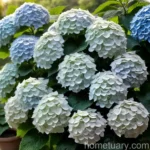
The Marvelous bigleaf hydrangea (Hydrangea macrophylla ‘Big Daddy’)
Introduction
Hydrangea macrophylla, commonly known as bigleaf hydrangea, is a stunning and versatile flowering shrub that belongs to the Hydrangeaceae family. Among the wide array of hydrangeas, ‘Big Daddy’ is a particularly captivating cultivar known for its giant blooms and lush foliage. This blog will delve deep into the world of the bigleaf hydrangea, specifically focusing on the ‘Big Daddy’ variety. By the end of this comprehensive guide, you will have a thorough understanding of how to care for, cultivate, and appreciate this beautiful plant.
What is bigleaf hydrangea (Hydrangea macrophylla ‘Big Daddy’)?
Characteristics and Overview
- Scientific Name: Hydrangea macrophylla ‘Big Daddy’
- Common Name: bigleaf hydrangea
- Family: Hydrangeaceae
- Hardiness Zones: 5-9
- Mature Height: 3-6 feet
- Mature Spread: 3-6 feet
- Bloom Time: Early summer to early fall
Key Takeaways
- Bigleaf Hydrangea care: Understanding the specific care requirements for the ‘Big Daddy’ variety.
- Hydrangea macrophylla ‘Big Daddy’ characteristics: Exploring the unique features of this cultivar.
- Growing Bigleaf Hydrangea: Guidelines for successfully cultivating bigleaf hydrangeas.
- Hydrangea macrophylla ‘Big Daddy’ varieties: Insight into the different types of ‘Big Daddy’ hydrangeas.
- Pruning tips for Bigleaf Hydrangea: Proper techniques for maintaining and shaping the plant.
- Big Daddy Hydrangea plant profile: In-depth information about the ‘Big Daddy’ cultivar.
- Hydrangea macrophylla ‘Big Daddy’ blooms: Understanding the blooming patterns and features.
- Bigleaf Hydrangea water requirements: Tips for effectively watering these plants.
- Tips for planting Hydrangea macrophylla ‘Big Daddy’: Essential guidelines for successful planting.
- Fertilizing Bigleaf Hydrangea: Understanding the plant’s nutritional needs.
Now, let’s explore each of these aspects in detail to gain a comprehensive understanding of this magnificent plant.
Culture
Uses
The bigleaf hydrangea, especially the ‘Big Daddy’ variety, offers multifaceted uses in various landscaping and gardening scenarios. Some of the primary uses include:
- Ornamental Display: The large, showy blooms make it a perfect choice for a stunning visual display in garden beds, borders, and containers.
- Cut Flowers: The striking blossoms of ‘Big Daddy’ hydrangeas are often used in cut flower arrangements, adding a touch of elegance to indoor spaces.
- Landscape Enhancement: It serves as an excellent shrub for enhancing the beauty of landscapes, including parks, public gardens, and residential areas.
- Hedging: When planted in multiples, these hydrangeas can create beautiful and functional hedges, adding privacy and aesthetic appeal to outdoor spaces.
- Potted Plant: Suitable for container gardening, allowing individuals with limited garden space to enjoy the beauty of ‘Big Daddy’ hydrangeas on patios or balconies.
Water
Proper watering is critical to the health and vitality of bigleaf hydrangeas, including the ‘Big Daddy’ variety. Here are essential tips for meeting the water requirements of these plants:
- Consistent Moisture: Bigleaf hydrangeas prefer consistently moist soil. They thrive in well-drained but moisture-retentive soil, which is crucial for prolonged health and vitality.
- Watering Schedule: During periods of inadequate rainfall, it’s essential to water the plants deeply at least once a week. However, excessive watering should be avoided to prevent waterlogging.
- Avoid Wetting the Foliage: When watering, direct the water towards the base of the plant to minimize moisture on the leaves. Wet foliage can promote the development of fungal diseases.
Sunlight
The ‘Big Daddy’ hydrangea thrives in locations with the appropriate balance of sunlight. Consider the following factors when determining the ideal sun exposure for these plants:
- Morning Sun, Afternoon Shade: Providing morning sun and afternoon shade is generally beneficial for bigleaf hydrangeas. This helps to protect the plants from the intense heat of the afternoon sun, which can cause wilting and stress.
- Filtered Light: In regions with hot summers, partial shade or filtered light can be particularly advantageous. It reduces the risk of sunburn on the foliage and helps maintain the moisture levels in the soil.
- Optimal Conditions: While the ‘Big Daddy’ hydrangea tolerates various light conditions, it thrives in locations with bright, indirect light. Understanding the specific lighting needs of your garden will assist in determining the best planting spots for these hydrangeas.
Fertilizer
Feeding bigleaf hydrangeas, including the ‘Big Daddy’ variety, is essential for promoting robust growth and abundant blooms. Here’s a detailed look at the fertilizer requirements and best practices for nourishing these beautiful shrubs:
- Balanced Fertilizer: For ‘Big Daddy’ hydrangeas, a balanced, slow-release fertilizer with an NPK ratio of 12-12-12 or 10-10-10 is recommended. This ensures that the plants receive a steady supply of essential nutrients.
- Timing: Apply the first round of fertilizer in early spring when new growth begins. A second application can be made in late spring or early summer to support the development of blooms.
- Avoid Overfeeding: Excessive fertilization can lead to lush foliage at the expense of blooms. Therefore, carefully follow the recommended application rates to prevent overfeeding the plants.
Soil
Understanding the soil preferences of bigleaf hydrangeas is crucial for providing an optimal growing environment. Here’s what you need to know about soil requirements for ‘Big Daddy’ hydrangeas:
- Acidic Soil: Bigleaf hydrangeas thrive in moderately acidic to slightly acidic soil with a pH range of 5.2 to 6.5. Acidic soil is vital for the plant’s ability to absorb certain nutrients, such as aluminum, which contributes to the vivid blue color of the blooms in acid soils.
- Organic Matter: Amending the soil with organic matter, such as compost and well-rotted manure, helps improve its structure and fertility. It also aids in moisture retention, which is beneficial for the health of the hydrangeas.
- Well-Drained: While moisture-retentive soil is preferred, it’s essential to ensure that the soil is well-drained to prevent waterlogging. Incorporating organic matter can help strike a balance between water retention and drainage.
Pruning
Proper pruning is crucial for maintaining the health, shape, and blooming capacity of ‘Big Daddy’ hydrangeas. Here are some essential pruning tips for these stunning shrubs:
- Timing: The best time to prune bigleaf hydrangeas, including ‘Big Daddy’, is immediately after the flowering period. This allows ample time for new buds to form for the following year’s blooms.
- Remove Old Wood: After several years, the older, thicker stems can become less productive in terms of flower production. Thus, judiciously removing some of the older wood at the base of the plant can encourage new growth and rejuvenate the shrub.
- Deadheading: Removing spent blooms can promote a neat appearance and redirect the plant’s energy towards the development of new flower buds. However, it’s important to retain some of the spent blooms for winter interest and potential spring frost protection.
- Prune for Size: If the plant has outgrown its allotted space, you can selectively prune the top growth to maintain the desired size and shape. Avoid severe pruning, as it can reduce the following year’s flowering.
Propagation
One of the rewarding aspects of cultivating ‘Big Daddy’ hydrangeas is the opportunity to propagate new plants. Let’s explore the various methods of propagating these stunning shrubs:
- Softwood Cuttings: During the spring or early summer, take 4-6 inch cuttings from the soft, new growth of the plant. Remove the lower leaves, dip the cut ends in a rooting hormone, and plant them in a container filled with a well-draining potting mix. Place the container in a warm, bright location and maintain the moisture levels until the cuttings root and can be transplanted.
- Division: In early spring or late summer, ‘Big Daddy’ hydrangeas can be propagated through division. Carefully dig up the plant, ensuring that each division has several healthy stems and an adequate root system. Replant the divisions in prepared soil and water them thoroughly.
- Layering: Another method of propagating bigleaf hydrangeas is through layering. Select a low, flexible stem and make a small incision into the underside. Gently bend the stem down and secure it into the soil with a U-shaped pin or a small rock. After roots develop at the point of injury, the new plant can be separated and potted up.
Container Popularity
The ‘Big Daddy’ hydrangea is an excellent choice for container gardening, offering the following benefits and considerations:
- Versatility: Container-grown ‘Big Daddy’ hydrangeas can be placed strategically on patios, balconies, or deck areas to enhance outdoor living spaces with their vibrant blooms and lush foliage.
- Space Optimization: For individuals with limited garden space, cultivating these hydrangeas in containers provides an opportunity to enjoy their beauty while efficiently utilizing available space.
- Mobility: Containers allow the flexibility to move the plants to different locations based on sunlight and aesthetic preferences, making it easier to create visually appealing displays.
- Soil Considerations: When growing ‘Big Daddy’ hydrangeas in containers, it’s important to select a high-quality potting mix that provides excellent drainage while retaining sufficient moisture. Regular watering is essential for container-grown plants to prevent the soil from drying out completely.
Common Diseases
‘Big Daddy’ hydrangeas, like other Hydrangea macrophylla cultivars, are susceptible to several diseases that can impact their health and vitality. Understanding these diseases is essential for effective prevention and management. Some of the most common diseases affecting bigleaf hydrangeas include:
- Powdery Mildew: This fungal disease presents as a powdery, white coating on the foliage, eventually leading to leaf distortion and reduced plant vigor. Proper air circulation and selective pruning to improve sunlight penetration can help prevent powdery mildew.
- Cercospora Leaf Spot: Cercospora leaf spot is characterized by the development of dark, circular spots on the leaves, often leading to premature leaf drop. Remove and destroy affected foliage, and ensure proper sanitation practices to prevent the spread of the disease.
- Gray Mold (Botrytis Blight): Gray mold can manifest as fuzzy, grayish-brown growth on the flowers and leaves, particularly in humid conditions. Adequate spacing between plants and avoiding overhead watering can help minimize the risk of botrytis blight.
- Bacterial Wilt: Bacterial wilt can cause rapid wilting and decline of the plant. There are no effective treatments for bacterial wilt, so prevention through proper watering practices and soil drainage is crucial.
Disease Diagnosis
Early diagnosis of diseases is essential for implementing timely interventions to protect ‘Big Daddy’ hydrangeas from the detrimental effects of various pathogens. Here are key steps in diagnosing diseases in these plants:
- Visual Inspection: Regularly inspect the foliage, stems, and flowers for any signs of discoloration, distortion, or abnormal growth. Be particularly attentive to the undersides of leaves, as certain diseases manifest in these locations.
- Symptom Recognition: Familiarize yourself with the common symptoms associated with diseases such as powdery mildew, leaf spot, and botrytis blight. Understanding the distinct characteristics of each disease can aid in accurate diagnosis.
- Consultation and Testing: If you encounter unfamiliar symptoms or are unsure about the diagnosis, consider reaching out to local extension offices or plant clinics for expert advice. They can assist in identifying the specific disease and recommend suitable management techniques.
Common Pests
Bigleaf hydrangeas, including the ‘Big Daddy’ variety, can fall victim to various pests that pose a threat to their overall health and appearance. Some of the common pests to watch out for include:
- Aphids: These small, soft-bodied insects can cluster on the tender new growth of hydrangeas, sucking sap from the plant and potentially transmitting viral diseases. Regularly inspect the foliage for the presence of aphids and employ measures such as insecticidal soaps or horticultural oils to control their populations.
- Spider Mites: Spider mites are tiny arachnids that feed on the undersides of leaves, causing stippling and a web-like appearance. Maintaining high humidity levels and using predatory mites can help manage spider mite infestations.
- Scale Insects: Scale insects can appear as raised, waxy bumps on the stems and leaves of hydrangeas. They feed on plant sap and can cause leaf yellowing and stunted growth. Pruning infested branches and applying horticultural oil can help control scale infestations.
- Japanese Beetles: These voracious pests can defoliate hydrangeas by feeding on the foliage and flowers. Handpicking the beetles or using traps can aid in managing their populations and reducing damage to the plants.
Botanist’s Tips
For enthusiasts and horticulturalists seeking to maximize the beauty and health of ‘Big Daddy’ hydrangeas, incorporating the following botanist’s tips into their cultivation practices can yield rewarding results:
- Mulching: Apply a layer of organic mulch around the base of the plants to conserve moisture, regulate soil temperature, and inhibit weed growth. Avoid placing mulch directly against the stems to prevent excessive moisture retention.
- Acidifying Soil Amendments: If you desire blue blooms, consider incorporating acidifying soil amendments such as elemental sulfur or aluminum sulfate into the soil. These amendments help lower the soil pH, enhancing the blue coloration of the flowers.
- Winter Protection: In regions with cold winters, provide appropriate winter protection for ‘Big Daddy’ hydrangeas by applying a thick layer of mulch around the base of the plant and wrapping the shrub with burlap to shield it from harsh winds and freezing temperatures.
- Companion Planting: Pair ‘Big Daddy’ hydrangeas with companion plants that complement their color, texture, and growing requirements. Suitable companions may include ferns, hostas, and other shade-loving perennials to create harmonious garden compositions.
Fun Facts
To round off our exploration of ‘Big Daddy’ hydrangeas, here are some fascinating and fun facts about these captivating plants:
- Color Variation: The color of the blooms in Hydrangea macrophylla ‘Big Daddy’ can vary based on the soil pH. Acidic soils tend to produce blue flowers, while alkaline soils result in pink blooms. This color change is due to the presence of aluminum in acidic soils, which influences the availability of certain pigment compounds in the flowers.
- Lacecap vs. Mophead: ‘Big Daddy’ hydrangeas belong to the mophead category, characterized by large, rounded flower clusters. Additionally, within the mophead group, there are two primary flower types: the traditional mophead and the lacecap varieties, each with distinct bloom structures and appearances.
- Endless Summer: Some Hydrangea macrophylla varieties, such as ‘Big Daddy’, are part of the “Endless Summer” collection, known for their ability to bloom on both old and new wood. This characteristic ensures a more reliable and continuous display of flowers throughout the growing season.
- Hydrangea Symbolism: In the language of flowers, hydrangeas symbolize gratitude, heartfelt emotions, and abundance. They are often featured in floral arrangements for various occasions, including weddings, anniversaries, and celebrations of appreciation and remembrance.
Links to External Resources
- The American Hydrangea Society
- University of Missouri Extension – Hydrangea Growing Guide
- Royal Horticultural Society – Hydrangeas: A Growing Guide
- North Carolina State University Extension – Hydrangea macrophylla Care Guide
In conclusion, the bigleaf hydrangea, particularly the ‘Big Daddy’ variety, is a magnificent addition to any garden or landscape. With its colossal blooms, captivating colors, and versatile uses, this flowering shrub delights gardeners and nature enthusiasts alike. By following the outlined tips for care, cultivation, and appreciation, you can embark on a fulfilling journey of nurturing and celebrating the splendor of ‘Big Daddy’ hydrangeas within your outdoor spaces.
Remember to share your experiences and the remarkable beauty of these plants with fellow enthusiasts, and continue exploring the world of horticulture with a sense of wonder and discovery.
Happy gardening!