The Fascinating World of Paeonia officinalis ‘Rosea Plena’ (Peony)
Introduction
Welcome to the captivating world of Paeonia officinalis ‘Rosea Plena’, commonly known as Peony. If you are interested in delving into the charm and complexity of this exquisite flowering plant, you are in the right place. This comprehensive guide will take you through the various aspects of caring for and appreciating this beautiful plant. From its cultural significance to its propagation, and from its environmental requirements to its pest management, we will cover it all.
What is Paeonia officinalis ‘Rosea Plena’ (Peony)?
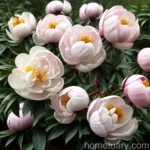
Paeonia officinalis ‘Rosea Plena’ is a member of the Paeoniaceae family and is known for its large, showy, and fragrant flowers which bloom in late spring to early summer. This herbaceous perennial is native to Southern Europe, and it is a popular choice for gardens and landscapes across the world. The ‘Rosea Plena’ variety, in particular, is characterized by its double pink flowers and dark green, divided foliage.

Key Takeaways – Paeonia officinalis ‘Rosea Plena’ (Peony):
Before we delve into the details, let’s take a look at the key takeaways about Paeonia officinalis ‘Rosea Plena’:
- Scientific Name: Paeonia officinalis ‘Rosea Plena’
- Common Name: Peony
- Family: Paeoniaceae
- Plant Type: Herbaceous Perennial
- Flower Color: Pink
- Bloom Time: Late Spring to Early Summer
- Fragrance: Fragrant
- Growth Habit: Upright, Bushy
- Hardiness Zone: 3-8
Now, let’s explore the various facets of this fascinating plant.
Culture
When it comes to the culture of Paeonia officinalis ‘Rosea Plena’, understanding its preferred environment and growing conditions is essential for nurturing healthy and vigorous plants.
Uses
The peony has been cherished for centuries for both its ornamental beauty and its medicinal properties. Here are some common uses of Paeonia officinalis ‘Rosea Plena’:
- Ornamental Plant: The showy blooms and lush foliage of the peony make it a popular choice for gardens, borders, and cut flower arrangements.
- Medicinal Purposes: In traditional medicine, various parts of the peony plant have been used to alleviate certain health conditions, including those related to inflammation and pain.
- Symbolism: The peony holds cultural significance in various societies and is often associated with romance, prosperity, and honor.
Water
Peonies require well-drained soil and regular watering to thrive. During the growing season, it is important to ensure that the soil remains consistently moist but not waterlogged. Adequate watering is particularly crucial during the initial stages of growth and during the flowering period.
Sunlight
To ensure optimal growth and abundant flowering, Paeonia officinalis ‘Rosea Plena’ requires plenty of sunlight. A location that receives full sun to partial shade is ideal for cultivating healthy peony plants. In regions with hot summers, providing some protection from intense midday sun can be beneficial.
Fertilizer
Proper fertilization is essential for promoting robust growth and prolific blooming in peonies. A balanced, all-purpose fertilizer with a higher middle number (phosphorus) is recommended for promoting flower production. In early spring, applying a low-nitrogen fertilizer can help support the development of strong stems and ample blooms.
Soil
Peonies thrive in well-drained, loamy soil with a slightly acidic to neutral pH. Amending the soil with organic matter, such as compost or well-rotted manure, can improve its structure and fertility. Additionally, ensuring good soil aeration and avoiding waterlogging is critical for preventing root rot and other soil-borne diseases.
Pruning
Pruning is an important aspect of peony care, and it can have a significant impact on the plant’s overall health and blooming performance. Here are some key points to consider when pruning Paeonia officinalis ‘Rosea Plena’:
- Deadheading: Removing spent flowers promotes a tidy appearance and prevents the plant from expending energy on seed production.
- Cutting Back in Fall: Trimming back the foliage in late fall can help prevent overwintering diseases and pests and prepare the plant for the dormant season.
- Division: Periodically dividing mature peony clumps can rejuvenate the plant, promote better flowering, and prevent overcrowding.
Propagation
There are several methods for propagating Paeonia officinalis ‘Rosea Plena’, including division, seed sowing, and root cuttings. Each technique has its own advantages and considerations, and choosing the right method depends on the desired outcome and the specific characteristics of the plant.
Division
Dividing mature peony clumps is a common method of propagation and is typically done in early fall. Here are the basic steps for dividing peonies:
- Begin by digging up the entire plant, being careful to preserve the root system.
- Gently shake or rinse off the soil to expose the underground rhizome and root structure.
- Use a sharp, clean knife to divide the rhizome into sections, ensuring that each division has several healthy buds and a portion of the root system.
- Replant the divisions at the appropriate depth, making sure that the buds are no more than 2 inches below the soil surface.
Seed Sowing
Growing peonies from seed can be a rewarding but time-consuming process. Here are some key points to keep in mind when sowing peony seeds:
- Peony seeds are best sown in the fall to allow for natural stratification over the winter.
- Before sowing, it is advisable to soak the seeds in water for several days to soften the seed coat and improve germination.
- Plant the seeds in well-draining soil and keep them consistently moist until germination occurs.
Root Cuttings
Root cuttings offer another method for propagating peonies and can be particularly useful for creating new plants from existing ones. Here’s a basic outline of the root cutting process:
- Select healthy, mature roots from the parent plant and cut them into sections, each around 4-6 inches long.
- Plant the root cuttings horizontally in a well-draining medium, covering them with a thin layer of soil.
- Keep the cuttings consistently moist and provide warmth and indirect light to promote root development.
Container Popularity
While peonies are often grown in garden beds, they can also thrive in containers under the right conditions. Container gardening offers several advantages, including greater control over soil quality and moisture levels, as well as the ability to move the plant to more favorable locations as needed.
Container Common Diseases
Container-grown peonies are susceptible to certain diseases that can impact their health and vigor. Some common diseases to watch out for in container-grown peonies include:
- Botrytis Blight: This fungal disease can cause wilting, browning, and dieback of the plant tissue, particularly in humid conditions.
- Root Rot: Overwatering and poor soil drainage can lead to root rot, which can manifest as yellowing or browning of the foliage and a general decline in plant vigor.
Disease Diagnosis
Identifying and diagnosing diseases early on can greatly improve the chances of successful treatment and recovery. Here are some key signs and symptoms to watch for when diagnosing diseases in container-grown peonies:
- Unusual spots or lesions on the foliage
- Wilting or drooping leaves that don’t recover with watering
- Mold or fungal growth on the soil surface
- Stunted growth and lack of vigor
Common Pests
In addition to diseases, container-grown peonies can also be vulnerable to certain pests that can threaten their well-being. Some common pests that may affect container-grown peonies include:
- Aphids: Small, soft-bodied insects that can cluster on tender new growth and flower buds, causing damage through feeding and honeydew production.
- Thrips: These tiny, slender insects can cause damage to flower buds and foliage by rasping and sucking out the plant juices.
Botanist’s Tips
For those who are passionate about growing and appreciating Paeonia officinalis ‘Rosea Plena’, here are some additional tips to enhance your experience:
- Mulching: Applying a layer of organic mulch around the base of the plant can help conserve soil moisture, suppress weed growth, and provide insulation.
- Supports: Providing support, such as stakes or hoops, can help keep the heavy flower heads upright and prevent them from bending to the ground.
- Winter Protection: In regions with harsh winters, providing a layer of mulch or other protective covering over the root zone can help insulate the plant and prevent frost damage.
Fun Facts
To further deepen your appreciation for Paeonia officinalis ‘Rosea Plena’, here are some fascinating and perhaps lesser-known facts about this remarkable plant:
- Cultural Significance: The peony holds rich cultural symbolism in many parts of the world and is revered as a symbol of prosperity, good fortune, and beauty.
- Longevity: Peony plants are known for their longevity, with some specimens living for decades and even centuries in the right conditions.
- Fragrant Blooms: The flowers of Paeonia officinalis ‘Rosea Plena’ are not only visually stunning but also emit a delightful, sweet fragrance that adds to their allure.
Links to External Resources
For further exploration and in-depth information about Paeonia officinalis ‘Rosea Plena’, I recommend exploring the following resources:
- American Peony Society – https://www.americanpeonysociety.org/
- Royal Horticultural Society – https://www.rhs.org.uk/Plants/92821/Paeonia-officinalis-Rosea-Plena-(D)/Details
- Missouri Botanical Garden – https://www.missouribotanicalgarden.org/PlantFinder/PlantFinderDetails.aspx?taxonid=242285
Conclusion
In conclusion, Paeonia officinalis ‘Rosea Plena’ (Peony) is a remarkable plant that offers an abundance of beauty, history, and cultural significance. Whether adorning gardens, serving as a subject of study, or contributing to traditional medicine, the peony continues to captivate and inspire. By understanding its unique characteristics, environmental requirements, and care considerations, we can further enrich our appreciation for this timeless and beloved botanical treasure.
So, take the time to explore the captivating world of Paeonia officinalis ‘Rosea Plena’, and let its charm and allure infuse your life with beauty and wonder.
The depth and beauty of the Paeonia officinalis ‘Rosea Plena’ (Peony) make it a captivating subject of study, cultivation, and appreciation. Whether you are a seasoned gardener, a botanical enthusiast, or simply someone who appreciates the wonders of nature, the peony offers a wealth of fascination and reward.