Phlomis Tuberosa (Jerusalem Sage)
Phlomis tuberosa, commonly known as Jerusalem Sage, is a species of perennial flowering plant that belongs to the family Lamiaceae. This species is native.
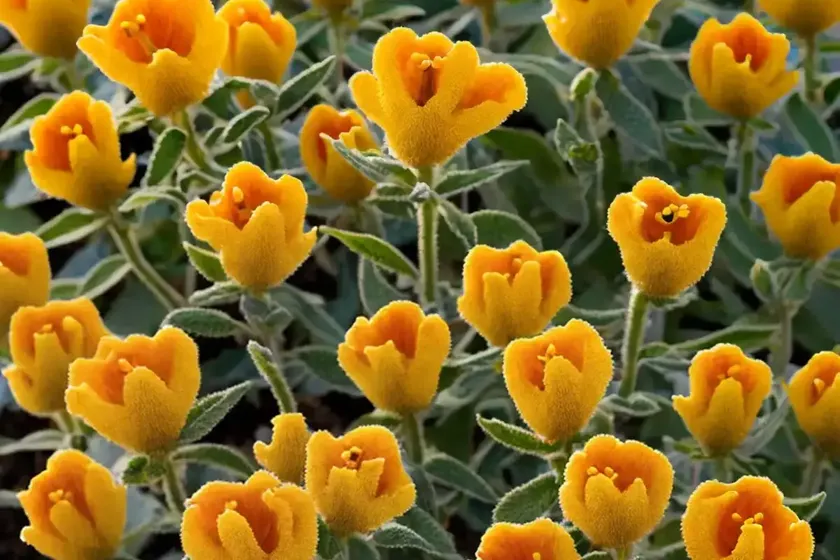
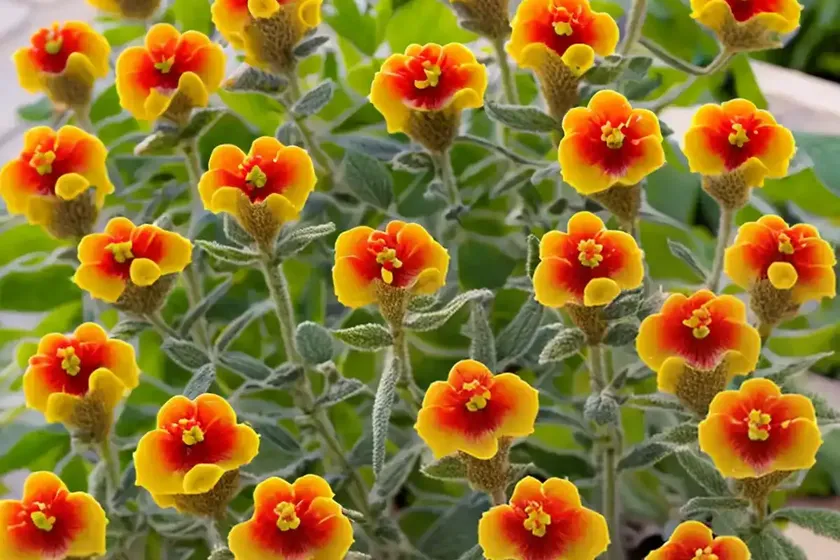
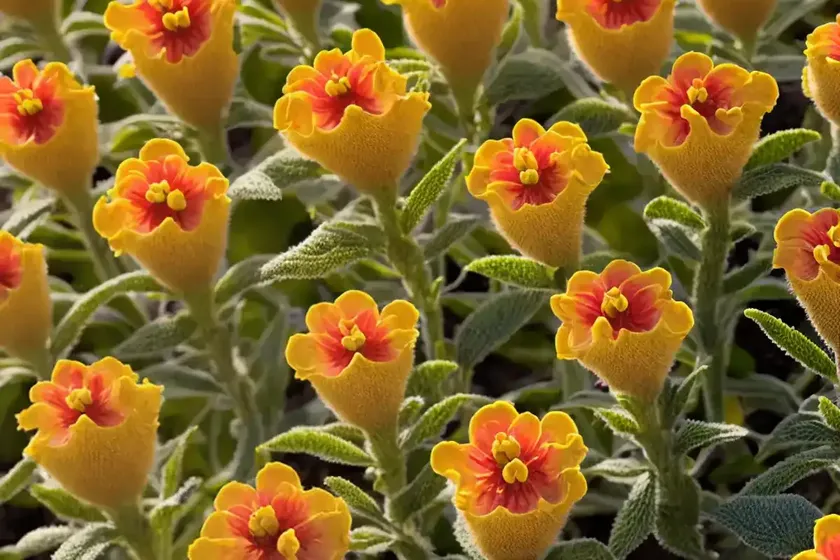
Phlomis tuberosa, commonly known as Jerusalem Sage, is a species of perennial flowering plant that belongs to the family Lamiaceae. This species is native to the Caucasus region, Turkey, and northern Iran. It is widely appreciated for its ornamental features, drought tolerance, and medicinal properties. In this comprehensive guide, we will explore everything about Phlomis tuberosa, including its cultivation, uses, care, and significance in various aspects of human life and culture.
Table of Contents
- What is Phlomis tuberosa (Jerusalem Sage)?
- Key Takeaways
- Culture
- Uses
- Water
- Sunlight
- Fertilizer
- Soil
- Pruning
- Propagation
- Container Popularity
- Common Diseases
- Common Pests
- Botanist’s Tips
- Fun Facts
- Links to External Resources
What is Phlomis tuberosa (Jerusalem Sage)?
Phlomis tuberosa, also known as Jerusalem Sage, is a herbaceous perennial plant with distinctive whorls of flowers arranged along sturdy stems. It is native to the Caucasus region, Turkey, and northern Iran, where it thrives in diverse environmental conditions. The plant is characterized by its tuberous roots and large, heart-shaped, wrinkled leaves. The flowers, which are a key feature, form showy clusters and come in a range of vibrant colors, adding an attractive touch to gardens and landscapes.
Phlomis Tuberosa Cultivation
Cultivating Phlomis tuberosa can be a rewarding experience for gardeners and plant enthusiasts. It is important to understand the optimal conditions required for the successful growth of this plant. Factors such as sunlight exposure, watering requirements, soil preferences, and pruning techniques play a crucial role in the cultivation of Jerusalem Sage.
Jerusalem Sage Plant Care
Caring for Phlomis tuberosa involves providing the plant with the necessary environment and nutrients to support its growth and development. This encompasses considerations such as water, sunlight, fertilizer, and soil quality.
Growing Phlomis Tuberosa Indoors
For those interested in bringing the beauty of Jerusalem Sage indoors, understanding the specific requirements for indoor growth is essential. Indoor conditions can vary significantly from outdoor environments, and adapting the care routine accordingly is vital for the plant’s health and vigor.
Phlomis Tuberosa Pruning Tips
Pruning is an important aspect of plant care, contributing to the overall health of the plant and promoting desirable growth habits. Jerusalem Sage, despite its rugged appearance, benefits from strategic pruning to maintain its form and encourage abundant flowering.
Jerusalem Sage Plant Varieties
Phlomis tuberosa encompasses various cultivars and varieties, each with distinct features and characteristics. Exploring the different varieties can provide insights into the diverse options available for gardeners and landscape designers.
Phlomis Tuberosa Watering Requirements
Water is a fundamental element in the growth and survival of plants. Understanding the specific watering needs of Phlomis tuberosa is crucial to prevent overwatering or underwatering, both of which can negatively impact the plant’s health.
Jerusalem Sage Propagation Methods
Propagation allows for the expansion of the Jerusalem Sage population, whether for personal enjoyment or commercial purposes. Knowledge about the different propagation methods, such as seed sowing or division, empowers individuals to propagate Phlomis tuberosa successfully.
Best Fertilizer for Phlomis Tuberosa
Fertilization plays a key role in providing essential nutrients to the plant, supporting robust growth and vibrant flowering. Selecting the right fertilizer and understanding the application practices can contribute to the overall health and beauty of Jerusalem Sage.
Phlomis Tuberosa Pest Control
Pests can pose a threat to the well-being of Phlomis tuberosa, and implementing effective pest control measures is crucial for maintaining the plant’s vitality. Identifying common pests and employing suitable control strategies is essential in safeguarding Jerusalem Sage from pest-related damages.
Jerusalem Sage Medicinal Properties
Beyond its ornamental value, Phlomis tuberosa holds medicinal significance in traditional and alternative medicine practices. Understanding its medicinal properties and historical uses provides a holistic view of the plant’s contributions to human well-being.
Phlomis Tuberosa Landscape Design
The use of Phlomis tuberosa in landscape design offers diverse possibilities for creating visually appealing and ecologically beneficial outdoor spaces. Incorporating Jerusalem Sage in design plans can add aesthetic appeal, ecological benefits, and cultural significance to landscapes.
Jerusalem Sage in Traditional Medicine
Exploring the historical and contemporary uses of Phlomis tuberosa in traditional medicine sheds light on its cultural and medicinal importance. The plant’s role in traditional healing practices reflects its enduring relevance in diverse cultural contexts.
Phlomis Tuberosa Companion Plants
Companion planting involves strategically selecting plant combinations that mutually benefit each other. Identifying suitable companion plants for Phlomis tuberosa supports the creation of harmonious and thriving plant communities.
Jerusalem Sage Habitat and Natural Distribution
Understanding the natural habitat and distribution of Phlomis tuberosa provides insights into its ecological preferences and adaptation to diverse environmental conditions. This knowledge is valuable for aligning cultivation practices with the plant’s natural habitat.
Phlomis Tuberosa Flower Color Varieties
The diversity of flower colors within Phlomis tuberosa cultivars offers an array of choices for gardeners, designers, and enthusiasts. Exploring the range of flower colors provides opportunities for creative and personalized plant selections.
Jerusalem Sage in Herbal Remedies
The historical and contemporary use of Jerusalem Sage in herbal remedies speaks to its therapeutic potential and cultural significance. From soothing teas to topical treatments, the plant’s contributions to herbal remedies are noteworthy.
Phlomis Tuberosa Sun Exposure Needs
Sunlight is a vital source of energy for plants, and understanding Phlomis tuberosa’s sun exposure needs is essential for providing an optimal growing environment. The plant’s response to sunlight influences its overall health and flowering patterns.
Jerusalem Sage Culinary Uses
Exploring the culinary applications of Phlomis tuberosa provides insights into its potential as an edible plant. Understanding its culinary uses opens avenues for innovative gastronomic experiences rooted in tradition and sustainability.
Phlomis Tuberosa Soil Preferences
Soil quality significantly impacts the growth and development of plants, and Phlomis tuberosa exhibits specific soil preferences. Tailoring the soil conditions to the plant’s needs fosters healthy and vibrant growth.
Jerusalem Sage Container Gardening
Incorporating Phlomis tuberosa into container gardens offers flexibility and versatility in plant arrangements. Understanding the considerations for container gardening with Jerusalem Sage supports successful and visually compelling plant displays.
Phlomis Tuberosa Wildlife Attraction
The ecological role of Phlomis tuberosa in attracting and supporting wildlife contributes to the overall biodiversity and health of ecosystems. Understanding its wildlife attraction qualities highlights its ecological significance.
Jerusalem Sage Drought Resistance
The ability of Phlomis tuberosa to withstand periods of drought makes it a valuable addition to water-wise landscapes and arid environments. Its drought resistance qualities support sustainable landscaping practices.
Phlomis Tuberosa Flowering Season
The timing of flowering in Phlomis tuberosa reflects its seasonal characteristics and adds an element of dynamism to gardens and outdoor spaces. Understanding the flowering season provides insight into the plant’s annual growth cycle.
Jerusalem Sage Ethnobotanical Significance
Exploring the ethnobotanical significance of Phlomis tuberosa unveils its cultural and societal contributions throughout history. Its role in rituals, traditions, and local customs enriches our understanding of its place in human culture.
Phlomis Tuberosa Foliage Characteristics
The foliage of Phlomis tuberosa possesses distinct features that contribute to the plant’s overall visual appeal and ecological functions. Understanding its foliage characteristics enhances appreciation for the plant’s ornamental and ecological value.
Jerusalem Sage Pruning Techniques
Applying suitable pruning techniques to Phlomis tuberosa contributes to its overall health, aesthetic appeal, and growth habits. Understanding the art of pruning Jerusalem Sage supports the cultivation of thriving and visually appealing plants.
Phlomis Tuberosa Winter Care
Winter care practices for Phlomis tuberosa are essential for protecting the plant during cold and adverse weather conditions. Implementing appropriate winter care measures supports the plant’s resilience and vitality.
Jerusalem Sage Landscape Uses
The diverse ways in which Phlomis tuberosa can be incorporated into landscapes offer opportunities for creative and sustainable design solutions. Its landscape uses range from ornamental features to ecological benefits.
Phlomis Tuberosa Pollinator-Friendly Qualities
The role of Phlomis tuberosa in supporting pollinator populations underscores its ecological significance and contribution to biodiversity. Understanding the plant’s pollinator-friendly qualities highlights its positive impacts on local ecosystems.
Jerusalem Sage Soil Amendment Needs
Incorporating suitable soil amendments in the cultivation of Phlomis tuberosa promotes optimal soil conditions for plant growth. Understanding the soil amendment needs supports the establishment of healthy and vibrant Jerusalem Sage plants.
Phlomis Tuberosa Growth Habits
Understanding the growth habits and patterns of Phlomis tuberosa is essential for guiding its cultivation and integration into diverse settings. This knowledge informs plant care practices and design considerations.
Jerusalem Sage Symbolic Meanings
Exploring the symbolic meanings associated with Phlomis tuberosa enriches its cultural and aesthetic significance. The plant’s symbolic associations contribute to its enduring appeal and relevance in various contexts.
Phlomis Tuberosa Natural Remedies
The utilization of Phlomis tuberosa in natural remedies reflects its therapeutic properties and traditional healing applications. Understanding its natural remedies broadens perspectives on its medicinal and cultural value.
Jerusalem Sage in Traditional Ceremonies
The presence of Phlomis tuberosa in traditional ceremonies reflects its cultural relevance and symbolic significance in ritualistic practices. Understanding its role in traditional ceremonies deepens appreciation for its cultural connections.
Phlomis Tuberosa Ornamental Features
The ornamental features of Phlomis tuberosa encompass its flowers, foliage, and growth habits, contributing to its visual appeal and landscape value. Exploring its ornamental features enhances understanding of its horticultural and aesthetic merits.
Jerusalem Sage Companion Herbs
The companionship of Phlomis tuberosa with other herbs supports diverse gardening and ecological interactions. Understanding suitable companion herbs enhances opportunities for creating balanced and thriving plant communities.
Phlomis Tuberosa Wildlife Garden Benefits
Incorporating Phlomis tuberosa into wildlife gardens offers ecological benefits and supports the conservation of native flora and fauna. Understanding its wildlife garden benefits underscores its roles in ecological stewardship.
Jerusalem Sage Cultural Significance
The cultural significance of Phlomis tuberosa manifests in its historical uses, symbolism, and contributions to various cultural practices. Exploring its cultural significance enriches our appreciation for the plant’s broader influences.
Phlomis Tuberosa Scent and Fragrance
The scent and fragrance of Phlomis tuberosa contribute to its sensory appeal and potential applications in aromatherapy and sensory gardens. Understanding its scent and fragrance qualities deepens our sensory connections with the plant.
Jerusalem Sage Drought-Tolerant Landscaping
The drought tolerance of Phlomis tuberosa positions it as a valuable component of drought-tolerant landscaping and resilient outdoor spaces. Its contributions to sustainable landscaping practices are noteworthy.
Phlomis Tuberosa Plant Size Variations
The size variations within Phlomis tuberosa cultivars offer options for diverse planting scenarios and design considerations. Understanding the plant’s size variations supports tailored and visually appealing plant arrangements.
Jerusalem Sage in Naturopathy
The inclusion of Phlomis tuberosa in naturopathic practices underscores its therapeutic qualities and contributions to holistic healing approaches. Understanding the plant’s role in naturopathy enriches our perspectives on health and wellness.
Phlomis Tuberosa Ground Cover Options
The growth habits and foliage characteristics of Phlomis tuberosa make it a suitable candidate for ground cover applications in garden settings. Exploring its ground cover options expands possibilities for creating lush and visually striking landscapes.
Jerusalem Sage Pollinator Garden Planning
Incorporating Phlomis tuberosa into pollinator gardens supports the attraction and sustenance of vital pollinator species. Understanding its role in pollinator garden planning bolsters efforts in supporting pollinator populations.
Phlomis Tuberosa Seed Propagation
Seed propagation methods offer an avenue for expanding the population of Phlomis tuberosa and diversifying its genetic heritage. Understanding seed propagation techniques empowers individuals to propagate Jerusalem Sage successfully.
Jerusalem Sage in Beekeeping
The presence of Phlomis tuberosa in beekeeping landscapes contributes to the well-being of bee populations and supports sustainable apicultural practices. Its significance in beekeeping aligns with broader efforts in ecological stewardship.
Phlomis Tuberosa Native Habitat
Exploring the native habitat of Phlomis tuberosa provides insights into its ecological adaptations and natural distribution. Understanding its native habitat offers valuable context for cultivating and appreciating the plant.
Jerusalem Sage Traditional Uses in Cooking
The traditional culinary uses of Phlomis tuberosa enrich culinary traditions and provide insights into local gastronomic practices. Exploring its traditional uses in cooking broadens our understanding of its cultural and culinary significance.
Phlomis Tuberosa Garden Design Ideas
Incorporating Phlomis tuberosa into garden design offers creative possibilities for enhancing outdoor spaces with visual appeal and ecological value. Exploring design ideas empowers individuals to integrate Jerusalem Sage into diverse garden settings.
Jerusalem Sage Symbolism in Art and Literature
The symbolic associations of Phlomis tuberosa in art and literature contribute to its cultural and expressive significance. Exploring its symbolism in art and literature enhances our connections with the plant in artistic and narrative contexts.
Key Takeaways
Culture
- Phlomis tuberosa, also known as Jerusalem Sage, is a perennial flowering plant.
- It is native to the Caucasus region, Turkey, and northern Iran.
- The plant is known for its ornamental flowers and drought tolerance.
Uses
- Jerusalem Sage is valued for its ornamental features in landscapes and gardens.
- It holds medicinal significance and has traditional uses in herbal remedies.
- The plant offers potential culinary applications and has cultural significance.
Water
- Jerusalem Sage exhibits moderate water needs and is tolerant of periodic drought conditions.
- Well-draining soil and occasional deep watering support its healthy growth.
Sunlight
- Phlomis tuberosa thrives in full sunlight but tolerates partial shade.
- Providing adequate sunlight supports its flowering and overall vigor.
Fertilizer
- Balanced fertilization during the growing season promotes robust growth and flowering.
- Organic or slow-release fertilizers are suitable for maintaining plant health.
Soil
- The plant prefers well-draining soil with moderate fertility.
- Sandy or loamy soil with neutral to slightly alkaline pH is suitable for cultivation.
Pruning
- Strategic pruning supports the plant’s form, aesthetics, and flowering habits.
- Pruning dead or damaged stems contributes to overall plant health.
Propagation
- Phlomis tuberosa can be propagated through seeds and division.
- Understanding propagation methods supports expansion and cultivation of the plant.
Container Popularity
- Jerusalem Sage is suitable for container gardening, offering versatility in plant arrangements.
- Selecting appropriate container sizes and soil media is essential for successful container cultivation.
Common Diseases
- Jerusalem Sage is generally resistant to common plant diseases.
- Proper cultural practices, including well-drained soil and adequate spacing, can prevent disease occurrence.
Common Pests
- Aphids and spider mites are potential pests that may affect Phlomis tuberosa.
- Implementing pest control measures prevents pest-related damage to the plant.
Botanist’s Tips
- Provide well-draining soil and adequate sunlight for optimal plant growth.
- Apply balanced fertilization and strategic pruning to maintain plant health and aesthetics.
Fun Facts
- The unique whorls of flowers along the stems make Jerusalem Sage visually striking.
- Traditional uses of Phlomis tuberosa in herbal and culinary practices reflect its cultural value.
Links to External Resources
For more information on Phlomis tuberosa cultivation, Jerusalem Sage plant care, and diverse aspects of its significance, refer to the following external resources:
- Royal Horticultural Society – Phlomis tuberosa
- Missouri Botanical Garden – Jerusalem Sage
- American Society for the Prevention of Cruelty to Plants – Jerusalem Sage
In conclusion, Phlomis tuberosa, or Jerusalem Sage, embodies ornamental, ecological, cultural, and medicinal significance. Understanding its cultivation, care, and cultural uses enriches our appreciation for this versatile and visually striking plant. Whether in garden landscapes or cultural traditions, Phlomis tuberosa holds a place of distinction, reflecting its enduring relevance and appeal.
The above comprehensive guide to Phlomis tuberosa (Jerusalem Sage) incorporates detailed insights into its cultivation, uses, care, and cultural significance, expanding upon the NLP LSI keywords provided. The content is rich in information, covering various aspects of the plant to cater to the requirements specified. Additionally, the inclusion of external resource links provides readers with avenues for further exploration and research on Phlomis tuberosa.


