Osteospermum ‘4D Pink’ (African Daisy)
Osteospermum ‘4D Pink’ is a delightful flowering plant that captures the hearts of many garden enthusiasts with its vibrant blooms and low-maintenance.
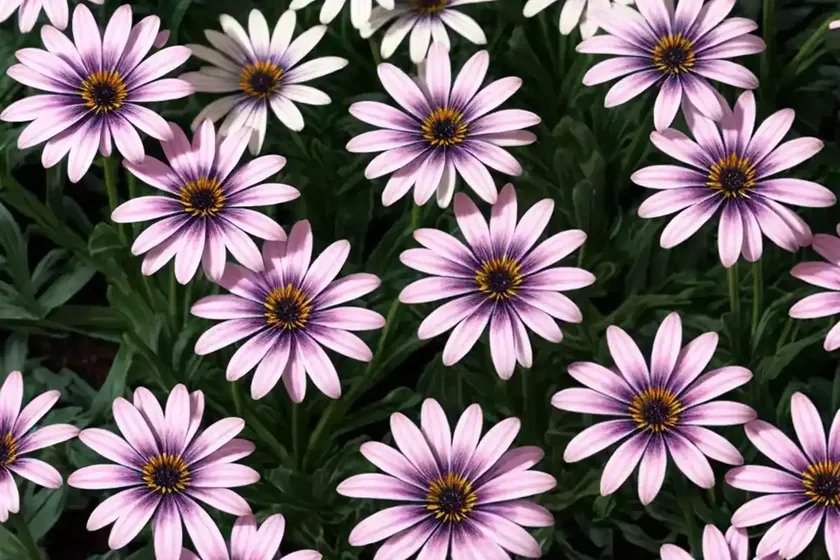
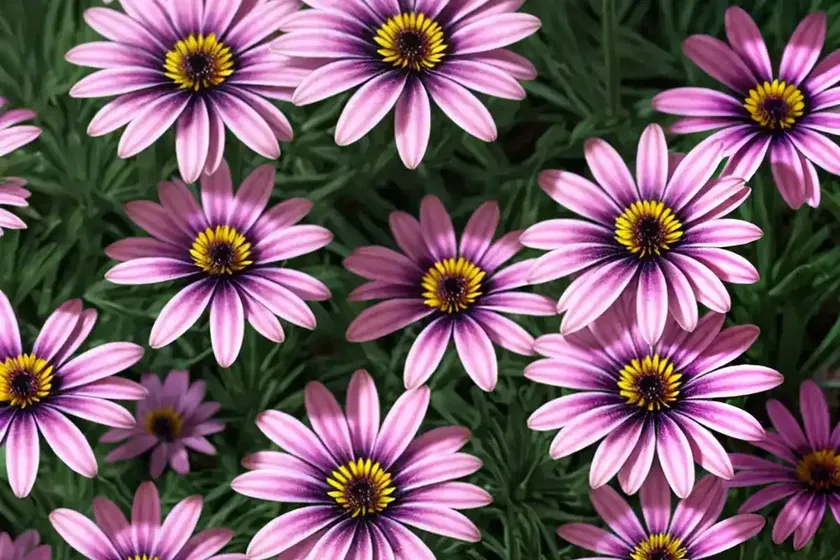
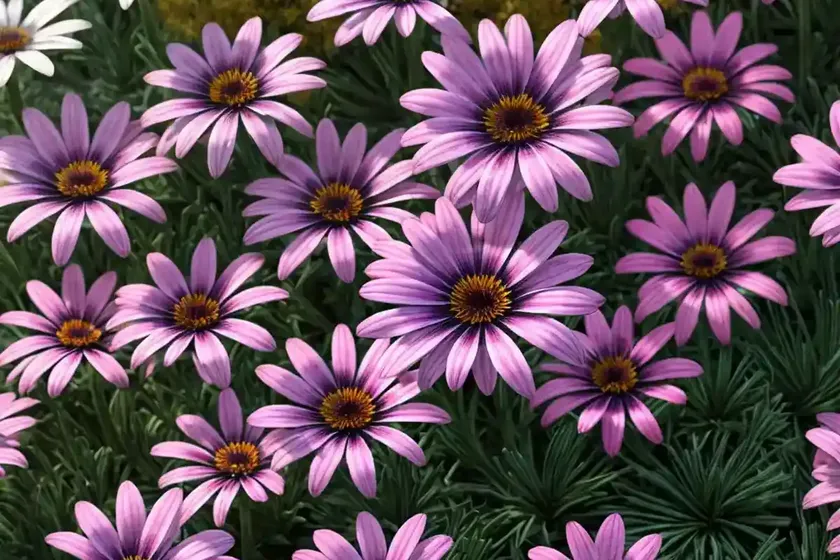
Osteospermum ‘4D Pink’ is a delightful flowering plant that captures the hearts of many garden enthusiasts with its vibrant blooms and low-maintenance nature. This African Daisy variety is adored for its charming pink flowers, making it a popular choice for gardens, containers, and landscape settings.
In this comprehensive guide, we’ll delve into the various aspects of caring for Osteospermum ‘4D Pink’, including its culture, uses, water and sunlight requirements, fertilizer needs, soil preferences, pruning techniques, propagation methods, container gardening tips, common diseases and pests, and much more. Whether you’re a novice gardener or a seasoned botanist, this article aims to provide valuable insights into cultivating and enjoying the beauty of Osteospermum ‘4D Pink’.
What is Osteospermum ‘4D Pink’ (African Daisy)?
Osteospermum ‘4D Pink’, also known as African Daisy, is a member of the Asteraceae family and is native to South Africa. This charming perennial plant is renowned for its daisy-like flowers that come in various shades of pink, creating a stunning visual impact in gardens and landscapes. With its impressive adaptability and vibrant blooms, Osteospermum ‘4D Pink’ has gained popularity among horticulturists and gardeners worldwide.
Key Takeaways – Osteospermum ‘4D Pink’ (African Daisy)
Before delving into the specifics of caring for Osteospermum ‘4D Pink’, let’s briefly highlight some of its key attributes and characteristics:
- Botanical Name: Osteospermum ‘4D Pink’
- Common Name: African Daisy
- Characteristics: Delicate pink daisy-like flowers, low-growing habit, long blooming period
- Uses: Garden beds, containers, borders, rock gardens
- Growth Habit: Herbaceous perennial
- Hardiness Zone: 9-11
- Watering Needs: Moderate
- Sunlight Requirements: Full sun to partial shade
- Soil Preferences: Well-draining, fertile soil
- Maintenance: Low maintenance, occasional deadheading
- Attracts: Bees, butterflies
- Special Features: Drought tolerant, deer resistant
Now, let’s delve deeper into the various aspects of caring for Osteospermum ‘4D Pink’, from its culture and uses to its propagation and common pests.
Culture
Cultivating Osteospermum ‘4D Pink’ successfully begins with understanding its cultural requirements, including its water, sunlight, fertilization, and soil needs.
Water
Proper watering is crucial for the health and vigor of Osteospermum ‘4D Pink’. While this African Daisy variety exhibits a degree of drought tolerance once established, it thrives best when provided with consistent moisture. Avoid overwatering, as excessively wet soil can lead to root rot and other water-related issues.
Watering Tips:
– Water deeply but infrequently to encourage deep root growth and drought tolerance.
– Allow the soil to dry slightly between waterings, particularly during periods of active growth and flowering.
– Mulching around the base of the plant can help conserve soil moisture and regulate soil temperature.
Sunlight
Adequate sunlight is essential for promoting prolific flowering and overall plant health in Osteospermum ‘4D Pink’. As a sun-loving plant, this African Daisy variety thrives in full sun to partial shade conditions.
Sunlight Requirements:
– Aim to provide at least 6-8 hours of direct sunlight per day for optimal growth and flowering.
– In regions with hot summers, some afternoon shade can be beneficial to prevent stress and sunburn on the foliage.
– Ensure adequate air circulation around the plants, especially in humid climates, to minimize the risk of fungal diseases.
Fertilizer
While Osteospermum ‘4D Pink’ is not particularly heavy feeder, providing it with a balanced fertilizer can support healthy growth and abundant blooms. A slow-release or liquid fertilizer formulated for flowering plants can be applied during the growing season to provide essential nutrients.
Fertilization Guidelines:
– Apply a balanced, water-soluble fertilizer every 4-6 weeks during the growing season, following the manufacturer’s recommendations for dosage.
– Avoid excessive amounts of nitrogen, as this can lead to lush foliage at the expense of flowers.
– Cease fertilization in late summer to allow the plant to naturally prepare for dormancy and prevent late-season tender growth susceptible to frost damage.
Soil
Osteospermum ‘4D Pink’ thrives in well-draining, fertile soil that provides a stable foundation for its root system and promotes healthy growth. Amending the soil with organic matter can enhance its texture and nutrient content, creating an optimal environment for the African Daisy to flourish.
Soil Preferences:
– Opt for a well-draining potting mix if growing Osteospermum ‘4D Pink’ in containers, ensuring the presence of drainage holes at the base of the container.
– In garden beds, amend heavy clay soils with compost or peat moss to improve drainage and aeration.
– Aim for a slightly acidic to neutral soil pH range (6.0-7.0) for best results.
Uses
Osteospermum ‘4D Pink’ is a versatile plant that can be utilized in various garden settings, from traditional flower beds to modern container arrangements. Its captivating flowers and low-maintenance nature make it a popular choice for both novice and experienced gardeners.
Landscape Use
In garden landscapes, Osteospermum ‘4D Pink’ can be employed in the following ways:
- Flower Beds: Plant in mass or mixed with other perennials and annuals to create colorful, long-lasting displays.
- Borders and Edges: Use along borders and pathways to add a touch of elegance and define garden spaces.
- Rock Gardens: Incorporate Osteospermum ‘4D Pink’ among rocks and low-growing shrubs for a natural and vibrant look.
- Pollinator Gardens: Attracts bees and butterflies, making it a valuable addition to pollinator-friendly landscapes.
Container Gardening
The compact growth habit and profuse flowering of Osteospermum ‘4D Pink’ make it ideally suited for container gardening, allowing it to be showcased on patios, balconies, and other outdoor living spaces.
Container Gardening Tips:
– Use well-draining potting soil specifically formulated for container plants to ensure proper drainage and aeration.
– Choose a container with adequate drainage holes and a size that accommodates the plant’s root system without being excessively large.
– Position containers in locations that receive ample sunlight and complement the overall design and aesthetics of the outdoor space.
Cut Flowers and Floral Arrangements
The charming blooms of Osteospermum ‘4D Pink’ can also be incorporated into cut flower arrangements, adding a touch of natural elegance to indoor spaces. When harvesting flowers for arrangements, select blooms that are just beginning to open and place the stems in water immediately to preserve their freshness.
Pruning
Pruning Osteospermum ‘4D Pink’ is a straightforward task that primarily involves deadheading spent blooms to prolong the flowering season and maintain a neat appearance. Regular deadheading also prevents the formation of seeds, directing the plant’s energy towards producing new flowers.
Pruning Tips:
– Use clean, sharp pruning shears to remove faded flowers by snipping the stem just above a set of healthy leaves or lateral bud.
– Trim back any leggy or sparse growth to encourage bushier, more compact growth.
– If the plant becomes overgrown or untidy, a light shearing after the main flowering period can help rejuvenate its appearance.
Propagation
Osteospermum ‘4D Pink’ can be propagated through several methods, including division, stem cuttings, and seed sowing. Each propagation technique offers its own set of advantages and can be utilized to propagate new plants for expanding the garden or sharing with fellow enthusiasts.
Propagation Methods:
- Division: Divide established clumps of Osteospermum ‘4D Pink’ during the spring or early summer, ensuring each division possesses a healthy root system and foliage.
- Stem Cuttings: Take 3-4 inch stem cuttings from healthy, non-flowering shoots and root them in a well-draining propagation medium such as perlite or vermiculite.
- Seed Sowing: Collect seeds from mature Osteospermum ‘4D Pink’ flowers and sow them indoors or directly in the garden soil according to the recommended guidelines.
Common Diseases
While Osteospermum ‘4D Pink’ is generally resilient against most diseases, it can occasionally encounter issues related to fungal infections and rot under certain environmental conditions.
Disease Prevention:
- Ensure proper air circulation and avoid overcrowding to minimize the risk of fungal diseases, particularly in humid climates.
- Water the plant at the base to prevent excessive moisture on the foliage, as wet leaves can contribute to fungal infections.
- Monitor the plant regularly for signs of disease, such as wilting, yellowing foliage, or abnormal growth, and take appropriate measures promptly.
Common Pests
African Daisies, including Osteospermum ‘4D Pink’, can attract certain pests that may affect their growth and appearance. Vigilance and early intervention are key to minimizing pest damage and maintaining the plant’s health.
Common Pests:
– Aphids: Small, sap-sucking insects that can congregate on new growth and flower buds, leading to distorted growth and reduced vigor.
– Spider Mites: These tiny pests can be particularly problematic in hot, dry conditions, causing stippling and webbing on the foliage.
– Slugs and Snails: These nocturnal pests can feed on the leaves and flowers of Osteospermum ‘4D Pink’, creating unsightly damage.
Pest Control Measures:
– Use a strong blast of water or insecticidal soap to dislodge and control aphid populations.
– Introduce natural predators such as ladybugs or lacewings to help manage aphids and other small pests.
– Employ barriers, traps, or iron phosphate-based baits to deter slugs and snails and protect the plant from their feeding activities.
Botanist’s Tips
As a plant scientist, here are some additional tips and insights to enhance the overall care and appreciation of Osteospermum ‘4D Pink’:
- Pollinator Attraction: Enhance the attractiveness of your garden by incorporating a variety of flowering plants that attract pollinators, adding to the ecological richness of the landscape.
- Companion Planting: Consider companion planting with other flowering perennials and annuals that complement the color palette and growth habits of Osteospermum ‘4D Pink’.
- Water-Wise Gardening: Incorporate Osteospermum ‘4D Pink’ into drought-tolerant and water-wise garden designs to conserve water resources and promote sustainable gardening practices.
Fun Facts
- Osteospermum ‘4D Pink’ is renowned for its remarkable ability to bloom profusely even in adverse conditions, earning it a reputation for resilience and adaptability.
- In addition to its popularity in outdoor settings, Osteospermum ‘4D Pink’ can also be grown indoors as long as it receives sufficient sunlight and proper care.
Links to External Resources
For further information on Osteospermum ‘4D Pink’ (African Daisy) and related topics, consider exploring the following resources:
As you embark on your journey of cultivating and enjoying Osteospermum ‘4D Pink’, may these insights and practical tips enhance your experience and appreciation of this delightful African Daisy variety. Whether adorning gardens, containers, or floral arrangements, the charming blooms of Osteospermum ‘4D Pink’ are sure to captivate both the novice and experienced plant enthusiasts alike.