Plant Scientist’s Guide to Green Lotus Peony (Paeonia lactiflora ‘Green Lotus’)
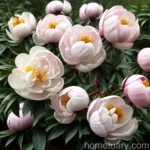
Peonies are beloved for their large, showy, and fragrant flowers, making them a favorite among gardeners and flower enthusiasts. The Green Lotus Peony (Paeonia lactiflora ‘Green Lotus’) is a particularly stunning variety, known for its unique characteristics and striking appearance. In this comprehensive guide, we will explore everything you need to know about the Green Lotus Peony, including its culture, uses, care requirements, common diseases, and much more. Whether you are a seasoned gardener or a novice plant enthusiast, this guide will provide valuable insights into cultivating and enjoying the beauty of the Green Lotus Peony.
What is a Peony?
Peonies are herbaceous perennial plants known for their large, colorful, and fragrant flowers. They belong to the genus Paeonia, which includes a wide range of species and cultivars. Peonies are native to Asia, Southern Europe, and Western North America, and they have been cultivated for centuries for their ornamental and medicinal properties. The Green Lotus Peony, scientifically known as Paeonia lactiflora ‘Green Lotus,’ is a striking cultivar that is prized for its distinctive appearance and stunning blooms.
Key Takeaways for Green Lotus Peony (Paeonia lactiflora ‘Green Lotus’)
Before delving into the details of caring for the Green Lotus Peony, let’s highlight some key takeaways:
- Plant Name: Green Lotus Peony (Paeonia lactiflora ‘Green Lotus’)
- Species: Paeonia lactiflora
- Cultivar: Green Lotus
- Characteristics: Large, fragrant blooms with unique color patterns
- Growth Habit: Herbaceous perennial
- Hardiness Zone: 3-8
- Sunlight: Partial to full sun
- Soil: Well-draining, fertile soil
- Watering: Regular watering, especially during the growing season
- Uses: Ornamental garden plant, cut flower arrangements
- Common Diseases: Botrytis blight, powdery mildew
- Common Pests: Aphids, spider mites
Now, let’s explore each aspect of the Green Lotus Peony in more detail.
Culture
Uses
Peonies, including the Green Lotus variety, are primarily grown for their ornamental value. The large, lush blooms make them popular choices for flower arrangements and bouquets. Additionally, peonies are often featured in garden landscapes, where their vibrant colors add a touch of elegance and charm. The Green Lotus Peony, in particular, stands out for its unique appearance, making it a sought-after addition to gardens and floral displays.
Water
Proper watering is crucial for the health and vitality of the Green Lotus Peony. During the growing season, which typically spans spring to early summer, peonies require consistent moisture. Adequate watering helps promote robust growth and bountiful flowering. However, it’s essential to avoid overwatering, as this can lead to waterlogged soil and root rot. A general guideline is to provide around 1 inch of water per week, either through rainfall or supplemental irrigation.
Sunlight
Peonies thrive in locations with abundant sunlight. Ideally, they should receive at least 6 hours of direct sunlight per day. However, in regions with hot summers, some afternoon shade can be beneficial to prevent the blooms from fading too quickly in intense sunlight. When selecting a planting site for the Green Lotus Peony, choose a spot that offers a balance of sunlight and protection from scorching midday rays.
Fertilizer
Like many flowering plants, peonies benefit from regular fertilization to support healthy growth and abundant blooming. A balanced, slow-release fertilizer formulated for flowering perennials can be applied in early spring as new growth emerges. Additionally, a light application of compost or well-rotted manure around the base of the plants can provide essential nutrients and organic matter to the soil.
Soil
Well-draining, fertile soil is essential for the successful cultivation of Green Lotus Peonies. The soil should be rich in organic matter and have a slightly acidic to neutral pH level. Amending the soil with compost or peat moss can improve its texture and fertility, creating an optimal environment for the peony roots to thrive. Avoid waterlogged or compacted soil, as these conditions can lead to root damage and poor growth.
Pruning
Pruning plays a vital role in maintaining the health and vigor of Green Lotus Peonies. Proper pruning can help control the plant’s size, promote air circulation, and remove dead or diseased foliage. Here are some essential pruning tips for Green Lotus Peonies:
- Remove spent blooms: Deadheading faded flowers can encourage the plant to produce additional blooms and prevent the formation of seed pods, which can divert energy from flower production.
- Cut back in late fall: Once the foliage has turned brown in the fall, it can be cut back to ground level to tidy up the plants and prevent the overwintering of diseases.
- Prune for shape: If the peony plant becomes too dense or overcrowded, selective pruning can open up the center of the plant and improve air circulation, reducing the risk of diseases.
Propagation
Green Lotus Peonies can be propagated through several methods, including division, seed sowing, and root cuttings. Division is the most common and reliable method for maintaining the characteristics of the parent plant. Here’s a basic outline of the division process:
- Timing: Division is best carried out in early fall, once the plant is no longer actively growing. This allows the divided segments to establish roots before winter sets in.
- Digging: Carefully dig up the entire root ball of the peony plant, taking care not to damage the roots.
- Division: Gently separate the root ball into individual segments, ensuring that each division has several healthy buds or “eyes.”
- Replanting: Plant the divisions at the same depth as the original plant, and water them thoroughly to help them settle into their new location.
Propagation through root cuttings and seed sowing is more challenging and time-consuming, often requiring specific environmental conditions and patience to achieve successful results.
Container Popularity
While peonies are commonly grown in garden beds and borders, they can also thrive in containers under the right conditions. Container cultivation allows gardeners with limited space to enjoy the beauty of peonies on patios, balconies, or other confined areas. When planting Green Lotus Peonies in containers, it’s essential to select a large, sturdy pot with ample drainage holes and a high-quality potting mix. Additionally, container-grown peonies may require more frequent watering and fertilization compared to those grown in the ground.
Container Common Diseases
Peonies, including container-grown Green Lotus varieties, can be susceptible to certain diseases, especially when grown in suboptimal conditions. Common diseases that may affect container-grown peonies include botrytis blight, powdery mildew, and root rot. Proper container drainage, adequate airflow, and attentive monitoring can help prevent disease development in container-grown peonies.
Disease Diagnosis
Diagnosing and addressing diseases in Green Lotus Peonies requires careful observation and prompt action. Here are some common diseases that may affect peonies, along with their symptoms and management strategies:
Botrytis Blight
Symptoms: Grayish mold on buds, stems, and leaves; browning and wilting of affected plant parts.
Management: Remove and dispose of infected plant material, improve air circulation, and avoid overhead watering to reduce humidity around the plants.
Powdery Mildew
Symptoms: Powdery white or gray patches on leaves and stems; distorted growth and reduced vigor.
Management: Apply fungicidal sprays, such as sulfur-based or neem oil products, and ensure proper spacing between plants to improve airflow.
Root Rot
Symptoms: Yellowing, wilting, and stunted growth; dark, mushy roots.
Management: Provide well-draining soil, avoid overwatering, and remove and destroy infected plants to prevent the spread of the disease.
Common Pests
Peonies, including the Green Lotus variety, can attract certain pests that may compromise the plants’ health and appearance. Common pests that may affect peonies include aphids, spider mites, and nematodes. Here’s a brief overview of these pests and their management:
Aphids
Aphids are small, sap-sucking insects that can infest peony plants, causing distorted growth and a sticky residue known as honeydew. Natural predators, such as ladybugs and lacewings, can help control aphid populations. Additionally, a strong stream of water or insecticidal soap can be used to dislodge and eliminate aphids from the plants.
Spider Mites
Spider mites are tiny arachnids that feed on plant sap, leading to stippled, discolored foliage and reduced plant vigor. To manage spider mite infestations, regular spraying with a strong blast of water can help dislodge the pests, while horticultural oils or insecticidal soaps can provide effective control.
Nematodes
Nematodes are microscopic roundworms that can infect peony roots, causing stunted growth, wilting, and reduced plant vigor. Employing good cultural practices, such as proper soil drainage and crop rotation, can help minimize nematode damage in peony beds.
Botanist’s Tips
As a plant scientist, I would like to share some additional tips for successfully growing and caring for Green Lotus Peonies:
-
Mulching: Apply a layer of organic mulch, such as shredded bark or compost, around the base of the peony plants to conserve moisture, suppress weeds, and maintain a more consistent soil temperature.
-
Supporting: When the Green Lotus Peony begins to produce large, heavy blooms, providing support in the form of stakes or rings can help prevent the stems from bending or breaking under the weight of the flowers.
-
Overwintering: In regions with harsh winters, a layer of mulch or protective covering can be applied over the peony plants in late fall to insulate them from extreme cold and temperature fluctuations.
Fun Facts
To add a touch of fascination to your knowledge of Green Lotus Peonies, here are some fun and interesting facts about these remarkable plants:
- Peonies are considered symbols of good fortune, prosperity, and happiness in many cultures, making them popular choices for celebratory occasions and special events.
- The vibrant colors and sweet fragrance of peonies attract various pollinators, including bees, butterflies, and hummingbirds, contributing to the ecological diversity of garden environments.
- The root of the peony plant, known as Paeonia lactiflora, has a long history of medicinal use in traditional Chinese and Western herbal medicine, where it is valued for its potential health benefits.
Links to External Resources
For further insights and information about Green Lotus Peonies, consider exploring these external resources:
- Royal Horticultural Society (RHS) – Growing Herbaceous Peonies
- American Peony Society – Peony Growing Tips
- University of Missouri Extension – Growing Peonies in the Garden
By drawing on the expertise and experiences shared in these resources, you can enhance your understanding of Green Lotus Peonies and refine your skills in cultivating these enchanting plants.
Conclusion
In conclusion, the Green Lotus Peony (Paeonia lactiflora ‘Green Lotus’) captivates with its distinctive beauty, alluring fragrance, and remarkable resilience. By embracing the insights and recommendations provided in this guide, you can embark on a journey of cultivating and cherishing the splendor of these captivating plants. The allure of the Green Lotus Peony extends far beyond its captivating blooms, encompassing its rich cultural symbolism, ecological contributions, and potential health benefits. As you delve into the world of Green Lotus Peonies, may your experience be filled with awe-inspiring moments and the joy of nurturing these exceptional botanical treasures.
Remember, the beauty of the Green Lotus Peony lies not only in its outward appearance, but also in the profound sense of wonder and admiration it evokes in those who cultivate and behold its blossoms. As a plant scientist, it is my hope that this guide will serve as an invaluable resource and source of inspiration as you embark on your exploration of the captivating world of Green Lotus Peonies.
This comprehensive guide provides insights into the culture, care, and fascination of the Green Lotus Peony (Paeonia lactiflora ‘Green Lotus’), offering a wealth of information for plant enthusiasts and gardeners alike. From the nuances of cultivation to the enchanting symbolism associated with these beloved plants, the guide aims to enrich the understanding and appreciation of Green Lotus Peonies. By embracing the knowledge and guidance offered in the guide, readers can embark on a rewarding journey of cultivating, nurturing, and delighting in the captivating beauty of the Green Lotus Peony.