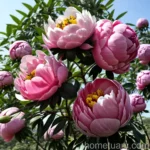
Paeonia ‘Lemon Chiffon’ (Peony): A Comprehensive Guide

Introduction
Paeonia ‘Lemon Chiffon’, commonly known as Peony, is a stunning and beloved perennial plant that is cherished for its large, extravagant, and fragrant blooms. This popular garden addition belongs to the Paeoniaceae family and is renowned for its enchanting beauty and low-maintenance nature.
In this comprehensive guide, we will delve into the various aspects related to Paeonia ‘Lemon Chiffon’, including its characteristics, care requirements, maintenance, common pests and diseases, propagation methods, and much more. Whether you are an experienced gardener or a novice enthusiast, this guide will equip you with the essential knowledge needed to cultivate and care for Peony ‘Lemon Chiffon’ effectively.
Paeonia ‘Lemon Chiffon’ Characteristics
Paeonia ‘Lemon Chiffon’ is a deciduous perennial that showcases an abundance of remarkable characteristics, making it an invaluable addition to any garden. Here are some of the key attributes of the Lemon Chiffon variety of Peony:
- Vibrant Blooms: This variety of Peony is renowned for its stunning, large, and fragrant blooms that adorn the garden with their vibrant lemon-yellow petals.
- Fragrance: The Lemon Chiffon Peony emits a delightful fragrance, further enhancing its allure and appeal.
- Foliage: The plant’s luscious green foliage serves as an attractive backdrop to the mesmerizing blooms and adds to the overall visual impact of the plant.
- Growth Habit: Paeonia ‘Lemon Chiffon’ boasts a robust and upright growth habit, providing a strong and stable presence in the garden landscape.
- Flowering Period: When well-cared for, this variety of Peony offers a generous and prolonged flowering period, blessing the garden with its captivating blooms.
These characteristics collectively contribute to the popularity and desirability of Paeonia ‘Lemon Chiffon’ among gardeners and landscapers.
Peony Variety Lemon Chiffon
The Lemon Chiffon variety of Peony is a sought-after cultivar that stands out for its unique color, captivating fragrance, and overall visual appeal. With its lemon-yellow blooms and enchanting scent, this variety adds a touch of elegance and charm to any garden or landscape. Whether utilized as a focal point or interspersed within a mixed border, the Lemon Chiffon Peony is sure to captivate the attention of admirers.
Given its distinctive and alluring features, the Lemon Chiffon variety remains a popular choice for discerning gardeners who seek to enhance the beauty and allure of their outdoor spaces.
Lemon Chiffon Peony Care Guide
Cultivating and caring for Paeonia ‘Lemon Chiffon’ requires attention to several key aspects, including its cultural requirements, maintenance, and protection from common pests and diseases. By providing the appropriate care and meeting its needs, gardeners can ensure that this captivating plant thrives and flourishes. Let’s explore the care guide for the Lemon Chiffon Peony across various aspects.
Culture
Culturally, Paeonia ‘Lemon Chiffon’ thrives in environments that offer specific conditions to support its growth and development. The following cultural considerations are essential for nurturing this breathtaking perennial:
- Ideal Climate: The Lemon Chiffon Peony prospers in temperate climates, favoring areas with distinct seasons and moderate temperatures. While it can tolerate varying climates, it performs best in regions with a temperate climate.
- Planting Time: Late summer and early autumn are ideal times for planting Paeonia ‘Lemon Chiffon’. This allows the plant to establish its roots before the onset of winter.
- Spacing: When planting multiple Lemon Chiffon Peony plants, ensure adequate spacing of approximately 3 to 4 feet between each plant to facilitate optimal growth and air circulation.
- Companion Plants: Selecting suitable companion plants that complement the Lemon Chiffon Peony can enhance the visual appeal of the garden and create a harmonious landscape. Opt for plants that thrive in similar cultural conditions and offer contrasting or complementary colors and textures.
Uses
Paeonia ‘Lemon Chiffon’ offers a multitude of uses and applications within various garden settings and landscaping designs. Gardeners and landscapers can leverage the versatile nature of this plant in the following ways:
- Accent Plant: The striking blooms of the Lemon Chiffon Peony make it an excellent choice for use as an accent or focal point in the garden. Placing it strategically within the landscape draws attention and adds visual interest.
- Mixed Borders: Integrating the Lemon Chiffon Peony within mixed borders alongside other perennials, shrubs, and ornamental grasses creates visually dynamic and diverse garden settings.
- Cut Flowers: The large and fragrant blooms of the Lemon Chiffon Peony serve as exquisite cut flowers, adorning indoor arrangements and adding a touch of elegance to interior spaces.
- Landscape Design: Landscape architects and designers often incorporate Paeonia ‘Lemon Chiffon’ into their designs to introduce color, fragrance, and a sense of luxury to residential and commercial landscapes.
- Wildlife Attraction: The blooms of the Lemon Chiffon Peony have the potential to attract pollinators such as bees and butterflies, contributing to the biodiversity within the garden ecosystem.
Water
Proper water management is crucial for the health and vitality of Paeonia ‘Lemon Chiffon’. By maintaining an optimal balance of moisture, gardeners can ensure the well-being of the plant and promote robust growth and flowering. Consider the following guidelines for watering the Lemon Chiffon Peony:
- Established Plants: Once established, Lemon Chiffon Peony plants demonstrate good drought tolerance, requiring minimal supplemental watering under normal conditions. However, during prolonged dry spells, provide adequate moisture to support healthy growth and flowering.

- Avoid Waterlogging: Ensure that the soil is well-draining, as waterlogged conditions can lead to root rot and other detrimental issues. Incorporate organic matter such as compost into the soil to improve its drainage capabilities.
- Deep, Infrequent Watering: When irrigating the Lemon Chiffon Peony, opt for deep, infrequent watering sessions to encourage the development of deep and robust root systems. Shallow and frequent watering can lead to shallow root growth and reduced plant resilience.
- Mulching: Apply a layer of organic mulch around the base of the plant to moderate soil moisture levels, suppress weed growth, and insulate the soil during temperature fluctuations. Mulching also helps to maintain consistent soil moisture, especially during hot and dry periods.
Sunlight
As with many flowering plants, adequate sunlight is essential for the growth and flowering of Paeonia ‘Lemon Chiffon’. Providing the appropriate sunlight conditions is crucial for ensuring the plant’s vigor and bloom production. Here’s what you need to know about meeting the sunlight needs of the Lemon Chiffon Peony:
- Full Sun: Lemon Chiffon Peony thrives when planted in a location that receives full sun, defined as a minimum of 6 to 8 hours of direct sunlight per day. Select a site with ample sunlight exposure to promote abundant blooming and robust growth.
- Sunlight Tolerance: While the Lemon Chiffon Peony prefers full sun, it can also tolerate partial shade, especially in regions with intense summer heat. In such areas, providing partial shade during the hottest part of the day can protect the plant from potential sun damage.
- Eastern Exposure: If possible, consider planting the Lemon Chiffon Peony in an eastern-facing location to take advantage of the gentle morning sun, which is less intense and conducive to the plant’s overall health and blooming performance.

- Soil Temperature: Before planting, ensure that the soil in the selected site has warmed up adequately, as Peonies, including the Lemon Chiffon variety, prefer to be planted in soil that has reached an appropriate temperature to support root establishment and growth.
Fertilizer
Fertilization plays a pivotal role in providing Paeonia ‘Lemon Chiffon’ with the essential nutrients it needs to thrive and produce abundant blooms. By adopting a well-rounded and balanced fertilization regimen, gardeners can support the plant’s growth and ensure the longevity of its blooming prowess. Consider the following guidelines for fertilizing the Lemon Chiffon Peony:
- Composition: Opt for a high-quality, well-balanced fertilizer formulated specifically for flowering perennials. Look for a fertilizer with a balanced NPK ratio, as well as essential micronutrients, to cater to the plant’s specific needs.
- Timing: Apply a slow-release or granular fertilizer in early spring, just as new growth begins to emerge. Alternatively, you can incorporate organic compost or well-rotted manure into the soil around the base of the plant as a natural and nourishing fertilizer option.
- Moderate Application: Exercise caution when applying fertilizers to avoid overfeeding the Lemon Chiffon Peony, which can lead to excessive foliage growth at the expense of flowering. Follow the manufacturer’s instructions regarding the application rates and frequency to prevent nutrient imbalances.
Soil
The quality and composition of the soil play a crucial role in determining the health, vigor, and overall performance of Paeonia ‘Lemon Chiffon’. By understanding the soil requirements of the plant and making appropriate amendments, gardeners can create an optimal growing environment to support robust growth and blossoming. Here’s what you need to know about the soil requirements for the Lemon Chiffon Peony:
- Well-Drained Soil: Provide the Lemon Chiffon Peony with well-drained, loamy soil with a slightly acidic to neutral pH (approximately 6.5 to 7.0). Ensure that the soil does not become waterlogged, as excessive moisture can lead to root rot and other complications.
- Soil Preparation: Prior to planting, prepare the soil by incorporating organic matter such as compost, well-rotted manure, or peat moss to improve its structure, fertility, and drainage capacity.
- Soil Composition: The ideal soil for the Lemon Chiffon Peony should be rich in organic matter, providing the plant with a steady supply of nutrients and promoting healthy root development. Conduct a soil test to assess its composition and make any necessary adjustments based on the results.

- Soil Moisture: The soil should maintain a moderate level of moisture without becoming excessively dry or waterlogged. Regularly monitor the soil moisture levels and adjust the watering schedule as needed to maintain optimal conditions for the plant’s growth and vigor.
Pruning
Pruning is an essential part of the maintenance regimen for Paeonia ‘Lemon Chiffon’, contributing to the plant’s overall health, shape, and blooming performance. By conducting regular pruning activities, gardeners can encourage vigorous growth, enhance flowering, and maintain the plant’s aesthetic appeal. Here are the key considerations for pruning the Lemon Chiffon Peony:
- Spring Pruning: In early spring, remove any dead, damaged, or diseased foliage and stems to promote new growth and prevent the spread of potential diseases. Clearing out the previous season’s debris helps to maintain a clean and healthy growing environment for the Lemon Chiffon Peony.
- Pruning After Flowering: Once the blooming period concludes, deadhead spent blooms and trim back the stems to redirect the plant’s energy towards new growth and the development of next season’s flower buds. This practice also prevents the formation of seed heads, diverting the plant’s resources back into vegetative growth.
- Stem Cutting: If desired, consider harvesting the beautiful blooms for cut flower arrangements. When doing so, use sharp and clean pruners to snip the stems at an angle, and place the cut flowers in water immediately to preserve their freshness.
Propagation
The propagation of Paeonia ‘Lemon Chiffon’ enables gardeners to expand their collection of these stunning perennials and share them with fellow enthusiasts. Understanding the various propagation methods can empower gardeners to multiply their Lemon Chiffon Peony plants effectively. Consider the following propagation methods for the Lemon Chiffon variety:
- Division: Dividing established clumps of Lemon Chiffon Peony is a common and reliable method of propagation. As the plants mature, they develop dense clumps, which can be carefully divided using a sharp spade or knife and replanted in suitable locations.
- Root Cuttings: Propagating Peonies from root cuttings is another viable method for generating new plants. Select healthy and vigorous roots and cut them into sections with at least one growing point. Plant the root cuttings in a prepared growing medium and provide them with the necessary care to facilitate root development and new plant establishment.
Container Popularity
While Peonies are traditionally associated with garden settings, they can also thrive in container environments, adding a touch of elegance and color to patios, balconies, and outdoor living spaces. When cultivating Paeonia ‘Lemon Chiffon’ in containers, consider the following guidelines to ensure the plant’s success and vitality:
- Container Selection: Choose a spacious and well-draining container that provides ample room for root development and growth. Select a container with drainage holes to prevent waterlogging and ensure sufficient aeration for the roots.
- Growing Medium: Fill the container with a high-quality, well-balanced potting mix that offers good drainage and fertility. Consider amending the potting mix with organic matter to enhance its structure and nutrient content.
- Watering: Container-grown Lemon Chiffon Peony plants may require more frequent watering than their garden counterparts, especially during hot and dry periods. Monitor the soil moisture levels regularly and provide supplemental water as needed to keep the plant hydrated.
- Sunlight: Position the container in a location that receives ample sunlight, ensuring that the Lemon Chiffon Peony has access to the necessary light conditions for growth and blooming.
Common Diseases
Paeonia ‘Lemon Chiffon’, like many plant varieties, is susceptible to certain diseases that can compromise its health and vitality if not promptly addressed. Recognizing the signs of common diseases and implementing appropriate preventive and control measures is essential for protecting the Lemon Chiffon Peony. Here are some common diseases that may affect this variety:
- Botrytis Blight (Gray Mold): Botrytis blight is a fungal disease that can lead to the development of gray mold on the plant’s foliage, stems, and flowers. To prevent this disease, ensure proper air circulation, avoid overhead watering, and promptly remove any affected plant material.
- Powdery Mildew: Powdery mildew manifests as a powdery white coating on the foliage and is caused by fungal pathogens. To combat powdery mildew, maintain adequate spacing between plants, promote good air circulation, and apply fungicidal treatments as needed.
- Leaf Spots: Various fungal and bacterial pathogens can cause leaf spots on the foliage of the Lemon Chiffon Peony. To minimize the risk of leaf spot diseases, practice good sanitation, avoid overhead watering, and remove and dispose of affected leaves to prevent the spread of pathogens.
Implementing proper cultural practices, ensuring good air circulation, and providing optimal growing conditions are integral in preventing the occurrence of these and other diseases that may potentially threaten the health of Paeonia ‘Lemon Chiffon’.
Disease Diagnosis
Diagnosing and identifying potential diseases affecting Paeonia ‘Lemon Chiffon’ requires a keen eye and an understanding of the common symptoms associated with various ailments. When observing the plant for signs of distress, consider the following indicators that may signal the presence of disease:
- Foliage Discoloration: Abnormal discoloration of the foliage, such as yellowing, browning, or spotting, may indicate the onset of a disease. Examine the leaves closely for any irregular patterns or changes in coloration.
- Fungal Growths: The presence of fungal growths, such as powdery or fuzzy coatings on the foliage, stems, or flowers, suggests the potential development of fungal diseases that require prompt attention and management.
- Reduced Vigor: A noticeable decline in the plant’s overall vigor, including stunted growth, wilting, or poor flowering performance, could be indicative of an underlying disease or health issue.
- Abnormal Growth Patterns: Be on the lookout for any unusual growth patterns, such as distorted or malformed foliage, which may point towards the presence of pathogens affecting the Lemon Chiffon Peony.
By closely monitoring the plant and promptly identifying any unusual symptoms, gardeners can take proactive measures to address potential diseases and protect the health of their Lemon Chiffon Peony plants.
Common Pests
In addition to diseases, Paeonia ‘Lemon Chiffon’ may also face challenges posed by various pests that can inflict damage and affect the well-being of the plant. Recognizing the potential pests and implementing appropriate pest control measures is essential for safeguarding the Lemon Chiffon Peony. Here are some common pests that may pose a threat to this variety:
- Aphids: Aphids are small, sap-sucking insects that can congregate on the foliage and young shoots of the Lemon Chiffon Peony, causing damage and stress to the plant. To control aphids, use targeted insecticidal treatments and encourage natural predators such as ladybugs and lacewings.
- Spider Mites: Spider mites are tiny arachnids that feed on the plant’s sap, leading to stippled and discolored foliage. Employing regular water sprays and introducing predatory mites can help manage spider mite populations.
- Thrips: Thrips are slender, winged insects that can cause damage to the flowers and foliage of the Lemon Chiffon Peony by feeding on the plant tissues. Employ biological control agents and insecticidal treatments to mitigate thrips infestations.

By diligently monitoring the plant and promptly addressing any pest-related issues, gardeners can protect the Lemon Chiffon Peony from the detrimental effects of pest infestations.
Botanist’s Tips
As a botanist specializing in perennial plants, including the enchanting Paeonia ‘Lemon Chiffon’, I offer the following expert tips and recommendations to help you successfully cultivate and care for this captivating variety:
- Selecting Planting Site: When choosing a location for planting the Lemon Chiffon Peony, prioritize well-drained soil, ample sunlight, and good air circulation to create an optimal growing environment.
- Mulching Benefits: The application of organic mulch around the base of the plant offers numerous benefits, including moisture retention, weed suppression, and insulation against temperature fluctuations.
- Pruning Techniques: Employ precise and clean pruning techniques, such as sterilizing the pruning tools, to prevent the spread of diseases and promote rapid healing of pruning wounds.
- Watering Practices: Water the Lemon Chiffon