Paeonia ‘Lovely Rose’ (Peony) – A Complete Guide for Plant Enthusiasts
Introduction to Paeonia ‘Lovely Rose’ (Peony)
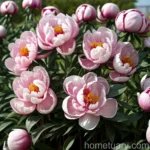
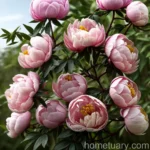
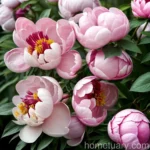
Paeonia ‘Lovely Rose,’ commonly known as Peony, is a stunning perennial plant that belongs to the Paeoniaceae family. This garden favorite is renowned for its large, showy, and fragrant flowers, making it a desirable addition to landscapes and gardens worldwide.
Named after Paeon, the physician of the Greek gods, the Peony holds much mythology and symbolism. The flower is often associated with romance, prosperity, and good fortune, making it a popular choice for bridal bouquets and wedding decorations.
With its captivating blooms and adaptability, Paeonia ‘Lovely Rose’ has garnered widespread popularity among gardeners, horticulturists, and flower enthusiasts. This comprehensive guide will delve into the plant’s cultural requirements, uses, propagation techniques, and much more to help you nurture and appreciate the beauty of the Peony.
Key Takeaways – Paeonia ‘Lovely Rose’ (Peony)
Before we delve into the specifics of caring for Paeonia ‘Lovely Rose’, let’s explore some key takeaways about this captivating plant.
Plant Characteristics
- Scientific Name: Paeonia ‘Lovely Rose’
- Common Name: Peony
- Plant Type: Herbaceous Perennial
- Flower Color: Rose and Pink Shades
- Fragrance: Sweet and Fragrant
- Height: 2-3 feet
- Blooming Season: Late Spring to Early Summer
Uses
- Landscape Ornamental: Ideal for borders, beds, and focal points
- Floral Arrangements: Perfect for cut flower displays
- Medicinal Purposes: Used in traditional medicine for various ailments
Water
- Moderate Watering: Requires well-drained soil to prevent waterlogging
- Deep Watering: Preferable during hot and dry spells
Sunlight
- Full Sun to Partial Shade: Thrives in full sun but tolerates partial shade
Soil
- Well-Drained and Fertile: Flourishes in loamy, slightly acidic soil
Fertilizer
- Balanced Fertilization: Beneficial for healthy growth and prolific blooming
Pruning
- Seasonal Pruning: Necessary to maintain plant vigor and shape
- Cut Flower Harvesting: Careful pruning for bountiful and healthy blooms
Propagation
- Division: Effective method for propagating mature plants
- Seeds: VIable option for growing new Peony varieties
Container Popularity
- Suitable for Containers: Ideal for those with limited garden space or urban settings
- Container Size: Requires adequate space for root growth and stability
Common Diseases
- Botrytis Blight: Affects blooms and foliage during damp conditions
- Powdery Mildew: Common fungal infection in humid environments
Common Pests
- Nematodes: Soil-borne pests that can affect root health
- Thrips: Feed on flower buds and foliage, affecting plant vigor
Landscape Design
- Companion Plants: Pair well with irises, peonies, and alliums for a vibrant display
- Focal Point: Creates an eye-catching centerpiece in garden landscapes
Fun Facts
- Peonies are among the longest-living herbaceous perennials and can thrive for decades with proper care.
- The Peony is the state flower of Indiana and the traditional floral symbol of China.
External Resources
You can explore more about Paeonia ‘Lovely Rose’ and related topics from the following external resources:
1. American Peony Society
2. Royal Horticultural Society
3. University of Minnesota Extension
Now, let’s delve into the detailed care and cultivation guide for Paeonia ‘Lovely Rose.’
Cultural Requirements
Water
Peonies, including the ‘Lovely Rose’ variety, thrive in well-drained soil and require moderate watering. Overwatering can lead to root rot and other issues. Deep watering during dry spells is essential to ensure the plant’s vitality and prolific flowering.
Sunlight
For optimal growth and blooming, Peonies prefer full sun exposure. However, they also tolerate partial shade, especially in regions with intense afternoon sun or during exceptionally hot summers. Providing adequate sunlight is crucial for the plant’s overall vigor and flower production.
Fertilizer
Applying balanced fertilizer is vital for the healthy growth and abundant flowering of Paeonia ‘Lovely Rose.’ A slow-release, low-nitrogen fertilizer is preferable to avoid excessive foliage growth at the expense of blooms. Fertilize in early spring before new growth emerges and after the flowering season to support the plant’s nutrient needs.
Soil
Peonies favor well-drained, fertile soil with a slightly acidic pH level. Loamy soil rich in organic matter provides an ideal growing medium for these plants. Additionally, maintaining good soil drainage is essential to prevent waterlogging, which can lead to root diseases and plant stress.
Pruning
Seasonal pruning is an integral part of Peony care, contributing to the plant’s overall health and blooming performance. Pruning in late fall or early spring involves removing dead and diseased foliage, cutting back spent flower stems, and shaping the plant for the upcoming growing season. Effective pruning enhances air circulation and reduces the risk of disease development.
Propagation Techniques
Division
Dividing mature Peony clumps is a common and effective method of propagation. This process is typically carried out in late summer or early fall when the plant is entering its dormant phase. By carefully separating the clumps and ensuring that each division has viable buds and healthy roots, gardeners can propagate new ‘Lovely Rose’ Peonies and rejuvenate established plants.
Seeds
While Peony seeds are viable for propagation, they require specific conditions for successful germination. Fresh seeds obtained from reliable sources can be sown in containers or directly into the garden soil in late summer or early fall. Patience is key when growing Peonies from seed, as they often take several years to mature and produce their first blooms.
Container Cultivation
Container Popularity
Paeonia ‘Lovely Rose’ is well-suited for container gardening, making it an excellent choice for individuals with limited garden space or those looking to create captivating floral displays on patios and balconies. When selecting a container for Peonies, ensure that it provides ample room for root development and stability. Additionally, choosing a container with adequate drainage holes is crucial to prevent waterlogging.
Container Size
The size of the container plays a significant role in the successful cultivation of Peonies. Larger, deeper containers accommodate the extensive root system of the plant, promoting healthy growth and blooming. Proper container selection, coupled with suitable soil and regular maintenance, can ensure the flourishing of Paeonia ‘Lovely Rose’ in a container environment.
Common Diseases and Pest Management
Disease Diagnosis
The ‘Lovely Rose’ Peony is susceptible to certain diseases, with Botrytis blight and powdery mildew being common issues. Botrytis blight, caused by the fungus Botrytis paeoniae, manifests as gray mold on flower buds and foliage, particularly during damp and humid weather. Powdery mildew, caused by the Podosphaera pannosa fungus, appears as a white powdery coating on leaves and stems.
Disease Prevention
To prevent diseases, ensure proper plant spacing to promote air circulation and reduce humidity around the foliage. Avoid overhead watering to minimize moisture on the leaves and buds, as this can create an environment conducive to fungal growth. Additionally, promptly remove and dispose of any infected plant material to prevent the spread of diseases.
Common Pests
Nematodes and thrips are potential pests that can affect the health and vitality of Paeonia ‘Lovely Rose.’ Nematodes, microscopic roundworms, can damage the plant’s root system, leading to stunted growth and poor flowering. Thrips, small insects, feed on the flower buds and foliage, causing distortions and discoloration.
Pest Control Methods
Implementing proper cultural practices, such as maintaining soil health and adequate watering, can help mitigate nematode-related issues. Regular monitoring of the plant for thrips infestation and applying targeted insecticidal treatments when necessary can minimize their impact on the Peony. Employing organic pest control methods is advisable to safeguard the overall ecological balance in the garden.
Botanist’s Tips for Growing Paeonia ‘Lovely Rose’
Planting Instructions
When planting Paeonia ‘Lovely Rose,’ choose a well-drained location with adequate sunlight and fertile soil. Dig a hole that accommodates the plant’s root system while ensuring the eyes (buds) are positioned no more than 1-2 inches below the soil surface. Space multiple plants to allow for proper air circulation and future growth.
Watering Requirements
Maintain moderate soil moisture levels, ensuring the soil does not become waterlogged. During hot and dry periods, deep watering can help sustain the plant’s vitality and promote robust flowering. Mulching around the base of the plant can aid in moisture retention and weed suppression.
Sunlight Needs
Provide full sun to partial shade for Paeonia ‘Lovely Rose’ to thrive. In regions with intense afternoon sun or during exceptionally hot summers, partial shade can offer protection from excessive heat and prevent stress on the plant. Assess the local climate and sunlight exposure to determine the ideal planting location.
Blooming Season
The ‘Lovely Rose’ Peony typically blooms in late spring to early summer, showcasing its luxurious, fragrant flowers. By ensuring optimal cultural conditions and care, you can enhance the plant’s blooming potential, leading to a spectacular display of rosy pink blooms in the garden.
Pruning Techniques
Engage in regular pruning to remove spent flower stems, dead foliage, and promote overall plant vigor. When conducting pruning activities, practice caution to avoid damaging the emerging buds for the following season. Proper pruning techniques contribute to the plant’s health and well-being, ensuring a bountiful display of blooms.
Soil Preferences
Select well-drained, loamy soil with a slightly acidic pH level for planting Paeonia ‘Lovely Rose.’ Amending the soil with organic matter, such as compost or well-rotted manure, can enhance its fertility and structure, providing an ideal growing environment for the Peony.
Companion Plants
Consider pairing Paeonia ‘Lovely Rose’ with complementary plants such as irises, alliums, and flowering perennials to create captivating and harmonious garden displays. Opt for a combination of plants that offer varying heights, textures, and bloom times to establish a visually appealing landscape.
Additional Considerations and Information
Hybridization
Peony hybridization has led to the development of numerous cultivars, including the enchanting ‘Lovely Rose’ variety. Hybridization efforts aim to achieve desirable traits such as unique flower colors, improved disease resistance, and extended bloom periods. As a result, gardeners have access to a diverse selection of Peony varieties for their landscapes and floral arrangements.
Medicinal Uses
Historically, Peonies have been utilized in traditional medicine for their purported medicinal properties. While contemporary medical applications are limited, traditional herbal practices have employed various parts of the plant for their potential therapeutic benefits. It’s essential to consult reliable sources and experts when exploring the medicinal uses of plants for wellbeing.
Wildlife Attraction
Paeonia ‘Lovely Rose’ holds the potential to attract beneficial pollinators such as bees, butterflies, and other native insects to the garden. By providing a nectar source and shelter, Peonies contribute to the ecological diversity and resilience of the local environment, supporting the broader ecosystem.
Allergenic Potential
Some individuals may exhibit allergic reactions to Peonies, particularly when in close contact with the foliage or blooms. It’s advisable to exercise caution when handling the plant if you have known sensitivities or allergies to floral substances. Wearing gloves and long sleeves can offer protection during gardening activities involving Peonies.
Conclusion
Paeonia ‘Lovely Rose’ (Peony) deserves its reputation as a cherished and cherished garden gem, captivating enthusiasts with its resplendent blooms and historical significance. By adhering to the comprehensive care guidelines and insights presented in this guide, you can foster the optimal growth and exuberant flowering of the ‘Lovely Rose’ Peony, enhancing the allure of your garden landscape and floral arrangements.
Unlock the potential of Paeonia ‘Lovely Rose’ and revel in the timeless beauty and enchantment it brings to your outdoor spaces. Embrace the art of cultivation and celebrate the enduring appeal of this remarkable flowering perennial.
As you embark on your journey with Paeonia ‘Lovely Rose,’ explore the wealth of knowledge and inspiration offered by botanical organizations, horticultural societies, and gardening communities. Continuously expand your understanding of plants, their cultural significance, and their role in enriching our lives and the natural world.
Adorn your gardens with the elegance of Paeonia ‘Lovely Rose’ and immerse yourself in the artistry and wonder of nature’s floral treasures.
For further information about Paeonia ‘Lovely Rose’, Peony reviews, and more, the following external resources provide valuable insights:
1. American Peony Society
2. Royal Horticultural Society
3. University of Minnesota Extension
Aspiring plant enthusiasts and seasoned gardeners alike can benefit from these resources and deepen their appreciation for the captivating world of plants.
Remember to embrace the journey of plant cultivation and derive joy from each opportunity to nurture and behold the splendor of Paeonia ‘Lovely Rose’ (Peony).
Happy gardening!