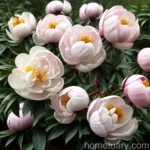
The Enchanting Fernleaf Peony (Paeonia lactiflora ‘Raspberry Sundae’)
Our gardens and landscapes are graced with a myriad of beautiful flowering plants, each with its unique charm and character. Among these, the fernleaf peony (Paeonia lactiflora ‘Raspberry Sundae’) stands out as a perennial favorite, sought after for its exquisite blooms and low maintenance. If you are drawn to the allure of this stunning plant, this comprehensive guide will equip you with all the essential knowledge you need to cultivate and appreciate the captivating fernleaf peony.
What is a Fernleaf Peony?
The fernleaf peony, scientifically known as Paeonia lactiflora ‘Raspberry Sundae’, is a herbaceous perennial that belongs to the Paeoniaceae family. Renowned for its large, showy flowers and distinct, finely divided foliage, it is a cherished addition to gardens and landscapes. The ‘Raspberry Sundae’ variety, in particular, captivates with its delightful raspberry-like colored blooms, enhancing the visual appeal of any setting it graces.
Key Takeaways
Fernleaf Peony (Paeonia lactiflora ‘Raspberry Sundae’)
– Beautiful raspberry-like blooms
– Distinct, finely divided foliage
– Low-maintenance perennial
Culture
Cultivating the fernleaf peony involves understanding its specific cultural requirements to ensure optimal growth and vibrant blooms.
Uses
The fernleaf peony is primarily cultivated for its ornamental value, adding elegance and charm to gardens, borders, and even cut flower arrangements. The ‘Raspberry Sundae’ variety, with its captivating floral display, serves as a stunning focal point in any landscape or floral design.
Water
Proper watering is crucial for the health and vitality of the fernleaf peony. It requires a moderate amount of water, especially during the growing season, to support robust growth and prolific flowering. However, it is important to avoid waterlogging the soil, which can lead to root rot.
Sunlight
Adequate sunlight is essential for the fernleaf peony to thrive and produce an abundance of blooms. It thrives in full sun to partial shade, preferring at least 6 hours of direct sunlight daily for optimal growth and flowering.
Fertilizer
Feeding the fernleaf peony with a balanced, slow-release fertilizer in spring can help promote healthy foliage and prolific blooms. It is important to follow specific guidelines for fertilization to avoid overfeeding, which can negatively impact the plant.
Soil
Well-draining, fertile soil rich in organic matter is ideal for cultivating the fernleaf peony. The soil pH should be slightly acidic to neutral, ranging between 6.0 and 7.0, to support nutrient uptake and overall plant health.
Pruning
Pruning plays a crucial role in maintaining the vigor and aesthetic appeal of the fernleaf peony. Proper pruning practices can encourage robust growth, prevent disease, and promote abundant flowering.
Propagation
The propagation of the fernleaf peony can be achieved through various methods, including division, seed sowing, and cutting propagation. Each approach offers unique advantages and considerations for successfully propagating new plants.
Container Popularity
While the fernleaf peony is commonly grown in garden beds and borders, it also thrives in containers, making it a versatile option for both outdoor and balcony gardens.
Common Diseases
Though generally disease-resistant, the fernleaf peony may occasionally encounter certain diseases that warrant attention and appropriate management strategies.
Disease Diagnosis
Identifying and understanding common diseases that affect the fernleaf peony can aid in early detection and effective treatment, preserving the plant’s health and vitality.
Common Pests
Pest infestations can pose a threat to the fernleaf peony, potentially impacting its growth and flowering. Implementing pest control measures is essential for mitigating these risks.
Botanist’s Tips
Drawing from the expertise of botanists and experienced gardeners, here are valuable tips and insights to help you successfully cultivate and appreciate the fernleaf peony in your garden:
- Ensure proper drainage to prevent waterlogged soil, which can be detrimental to the plant’s health.
- Regular monitoring for pests and diseases is essential for early intervention and effective management.
- When dividing fernleaf peonies, ensure each division has several buds and a healthy root system to support successful establishment.
Fun Facts
In addition to its captivating beauty and cultural significance, the fernleaf peony boasts several intriguing and delightful facts that further enhance its appeal and allure:
- The fernleaf peony has been cultivated for centuries and holds symbolic significance in various cultures, often representing wealth, honor, and beauty.
- Some fernleaf peony varieties are known for their exquisite fragrance, adding a delightful sensory element to their ornamental value.
- The vibrant blooms of the ‘Raspberry Sundae’ variety make it a popular choice for floral arrangements and bouquets, adding a touch of elegance and charm to any setting.
Links to External Resources
To further enrich your understanding and appreciation of the fernleaf peony, explore these valuable external resources:
In conclusion, the fernleaf peony, with its captivating blooms and low-maintenance nature, is a true gem in the world of ornamental plants. By adhering to its specific cultural requirements and implementing best practices for cultivation and care, you can enjoy the timeless beauty and grace of the fernleaf peony in your own garden or landscape. Whether used as a focal point, a border accent, or a stunning cut flower, the ‘Raspberry Sundae’ variety, in particular, promises to enchant and inspire with its delightful display of raspberry-hued blooms. Embrace the allure of the fernleaf peony and savor the timeless elegance it brings to your outdoor spaces.