Tree Peony (Paeonia Suffruticosa ‘Yu Ban Bai’ JADE PLATE WHITE)
Tree peony (Paeonia suffruticosa) is a deciduous shrub that belongs to the Paeoniaceae family and is native to China. It is known for its large, showy.
What is a Plant: Tree Peony
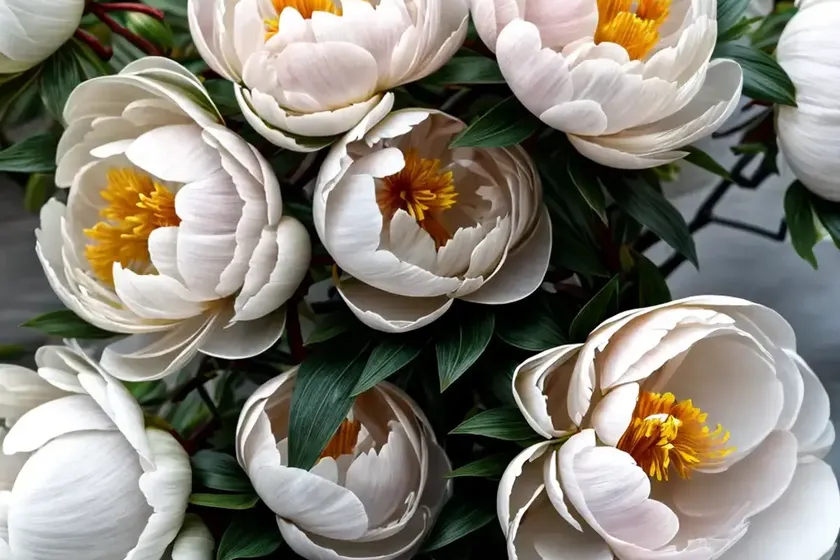
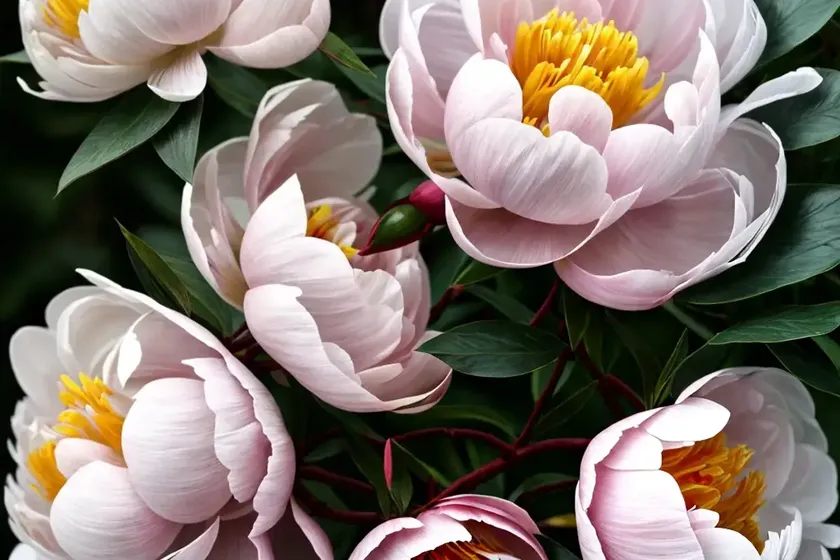
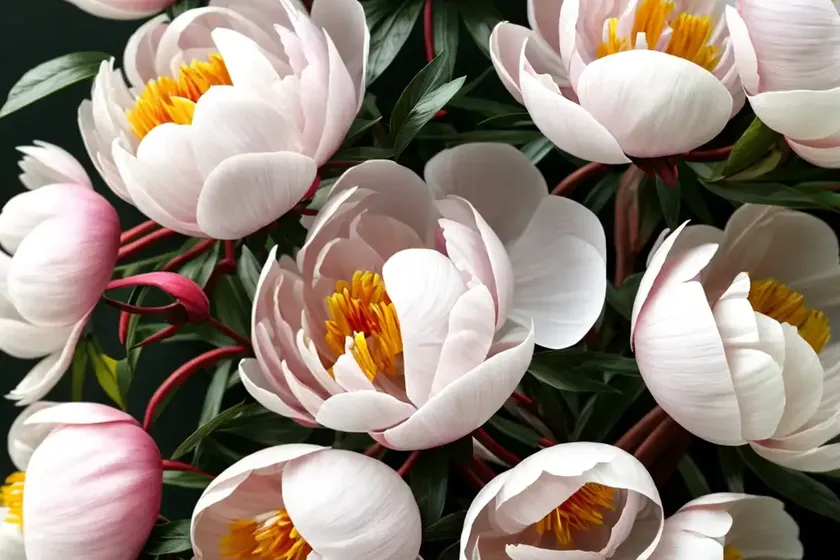
Tree peony (Paeonia suffruticosa) is a deciduous shrub that belongs to the Paeoniaceae family and is native to China. It is known for its large, showy blooms and woody stems, and it is highly valued for its ornamental beauty. Among the various cultivars of tree peonies, ‘Yu Ban Bai’ JADE PLATE WHITE is a particularly stunning variety, featuring white flowers that are sure to add elegance and grace to any garden or landscape.
Key Takeaways – Tree Peony (Paeonia suffruticosa ‘Yu Ban Bai’ JADE PLATE WHITE)
Before diving into the specifics of Paeonia suffruticosa ‘Yu Ban Bai’ JADE PLATE WHITE, it’s essential to understand its key characteristics, cultural practices, and uses. The key takeaways are as follows:
- Plant Name: Tree peony (Paeonia suffruticosa ‘Yu Ban Bai’ JADE PLATE WHITE)
- Common Names: Jade Plate White tree peony, Yu Ban Bai tree peony
- Flower Color: White
- Cultural Uses: Ornamental, landscaping
- Water: Regular watering, moderate drought tolerance
- Sunlight: Full sun to partial shade
- Fertilizer: Balanced fertilizer application in the spring
- Soil: Well-drained, fertile soil
- Pruning: Minimal pruning for shaping and removal of dead wood
- Propagation: Division, cuttings
- Container Popularity: Suitable for large containers
- Common Diseases: Botrytis blight, powdery mildew
- Common Pests: Aphids, scale insects
- Fun Facts: Tree peonies have been cultivated in China for over a thousand years and are often referred to as the “King of Flowers” in Chinese culture.
Now, let’s explore the individual aspects of tree peony (Paeonia suffruticosa ‘Yu Ban Bai’ JADE PLATE WHITE) in detail.
Culture
Uses
Tree peonies, including the ‘Yu Ban Bai’ JADE PLATE WHITE variety, are primarily grown for their ornamental value. They are popular in landscaping due to their large, colorful blooms and attractive foliage. The striking beauty of tree peonies makes them ideal for creating focal points in gardens, as well as for border plantings and mixed perennial beds. Additionally, these plants can be utilized for cut flowers and floral arrangements, adding a touch of elegance to indoor spaces.
Water
Proper watering is essential for the health and vigor of tree peonies. While they prefer consistently moist soil, they also exhibit moderate tolerance to drought once established. During the growing season, it’s crucial to provide regular watering, especially during periods of extended dryness. However, it’s equally important to ensure that the soil is well-draining to prevent waterlogging, which can lead to root rot and other issues.
Sunlight
Tree peonies thrive in locations that receive ample sunlight. They perform best when situated in full sun to partial shade, where they can benefit from at least 6 hours of direct sunlight daily. Adequate sunlight promotes robust growth and enhances the development of abundant flowers. In regions with hot summers, providing some afternoon shade can help protect the delicate blooms from excess heat and sun exposure.
Fertilizer
During the early spring, as the new growth begins to emerge, it’s beneficial to apply a balanced fertilizer to tree peonies. A slow-release fertilizer with equal proportions of nitrogen, phosphorus, and potassium can be incorporated into the soil around the base of the plants. This application provides essential nutrients to support healthy foliage and flowering throughout the growing season. Regular fertilization contributes to the overall vitality and blooming performance of tree peonies, including the ‘Yu Ban Bai’ JADE PLATE WHITE variety.
Soil
Tree peonies thrive in well-drained, fertile soil that is rich in organic matter. A slightly acidic to neutral pH range of 6.0 to 7.0 is considered optimal for these plants. Incorporating organic amendments such as compost, well-rotted manure, or peat moss into the planting area can enhance soil structure and nutrient content, creating an environment conducive to vigorous growth and abundant flowering. Additionally, ensuring good soil drainage can prevent issues related to waterlogged conditions, which are detrimental to the health of tree peonies.
Pruning
Pruning tree peonies, including the ‘Yu Ban Bai’ JADE PLATE WHITE variety, is generally minimal and focused on maintenance rather than extensive shaping. The primary objectives of pruning are to remove dead or damaged wood, promote good air circulation within the plant, and maintain an attractive form. Pruning can be conducted in the late winter or early spring, before new growth emerges. Care should be taken to avoid excessive pruning, as tree peonies form flower buds on the previous year’s growth, and overly aggressive pruning can reduce flowering the following season.
Propagation
Tree peonies, including specific cultivars like ‘Yu Ban Bai’ JADE PLATE WHITE, can be propagated through division and cuttings. Division involves carefully separating the root clumps of mature plants to create new individuals, while cuttings can be taken from healthy stems and rooted to produce new plants. Both methods require careful attention to hygiene, timing, and environmental conditions to ensure successful propagation. Additionally, grafting is another method utilized for commercial propagation of specific tree peony cultivars, allowing for the production of identical plants with desirable traits.
Container Popularity
The ornamental appeal and manageable size of tree peonies make them suitable for cultivation in large containers. When grown in containers, these plants can be positioned on patios, terraces, or other outdoor living spaces to create stunning visual displays. Using well-drained, high-quality potting mix and providing adequate water and sunlight can support the successful growth of tree peonies in containers. It’s important to select appropriately sized containers to accommodate the robust root systems of these plants and ensure stability.
Common Diseases
Tree peonies, including the ‘Yu Ban Bai’ JADE PLATE WHITE variety, are susceptible to various diseases, with the most common being botrytis blight and powdery mildew.
-
Botrytis Blight: This fungal disease, caused by Botrytis cinerea, can result in the development of grayish mold on the leaves, stems, and flowers of tree peonies. It often occurs during periods of cool, wet weather and can lead to unsightly browning and decay of affected plant parts. Proper sanitation, adequate air circulation, and preventive fungicidal treatments can help manage and control botrytis blight.
-
Powdery Mildew: Powdery mildew, caused by various fungal species, manifests as a white, powdery growth on the surfaces of leaves and young shoots. It can compromise the overall health and aesthetics of tree peonies if left uncontrolled. Cultural practices such as ensuring good air circulation, avoiding overhead watering, and applying fungicidal treatments as needed can help mitigate the impact of powdery mildew.
Common Pests
Tree peonies may encounter pest issues, with aphids and scale insects being among the most common pests that affect these plants.
-
Aphids: These small, soft-bodied insects can congregate on the undersides of leaves and infest new growth, causing damage by piercing and sucking plant juices. Control measures such as insecticidal soaps, horticultural oils, and biological control agents can be employed to manage aphid populations and minimize their impact on tree peonies.
-
Scale Insects: Scale insects can pose a threat to tree peonies by feeding on plant sap and weakening the overall vigor of the plants. They often appear as small, immobile bumps on stems and leaves. Targeted applications of horticultural oils or insecticidal sprays during the dormant season can help control and suppress scale insect infestations.
Botanist’s Tips
For successful cultivation and care of tree peonies, including the ‘Yu Ban Bai’ JADE PLATE WHITE variety, consider the following tips from botanists and experienced gardeners:
-
Planting Depth: When planting tree peonies, ensure that the eyes (growth buds) of the plants are positioned just below the soil surface to promote healthy establishment and flowering.
-
Winter Protection: In regions with harsh winters, providing a layer of mulch or protective covering over the base of the plants can help safeguard them from extreme cold and frost damage.
-
Support for Blooms: Large, showy flowers of tree peonies may benefit from gentle support to prevent them from drooping or becoming damaged during heavy rains or gusty winds.
-
Early Spring Care: Observing the emerging growth in early spring allows for timely inspection of the plants, identification of any issues, and implementation of necessary care practices such as fertilization and pruning.
Fun Facts
- In Chinese culture, tree peonies hold significant cultural and symbolic value and are often associated with wealth, prosperity, and honor. They have been cultivated in China for over a thousand years and are revered as the “King of Flowers.”
- Tree peonies are long-lived plants, with some specimens in China reported to be centuries old, showcasing their remarkable durability and longevity.
Links to External Resources
For further exploration of tree peonies, their cultivation, and the ‘Yu Ban Bai’ JADE PLATE WHITE variety, consider the following external resources:
- The American Peony Society: A comprehensive resource for peony enthusiasts, featuring information on different peony types, cultivation tips, and events.
- Royal Horticultural Society (RHS) – Tree Peonies: An extensive guide to tree peonies, including recommendations for planting, care, and suitable cultivars.
- Missouri Botanical Garden – Paeonia suffruticosa: Detailed information on the botanical characteristics and cultural requirements of Paeonia suffruticosa, the species to which ‘Yu Ban Bai’ JADE PLATE WHITE belongs.
With their captivating beauty, rich cultural history, and remarkable resilience, tree peonies such as the ‘Yu Ban Bai’ JADE PLATE WHITE variety continue to enchant and inspire gardeners and plant enthusiasts around the world.
- “The American Peony Society.” American Peony Society, www.americanpeonysociety.org/.
- “Royal Horticultural Society (RHS) – Tree Peonies.” RHS, www.rhs.org.uk/plants/popular/tree-peony.
- “Missouri Botanical Garden – Paeonia suffruticosa.” Missouri Botanical Garden, www.missouribotanicalgarden.org/PlantFinder/PlantFinderDetails.aspx?kempercode=b783.


