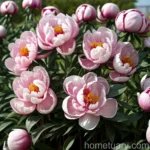
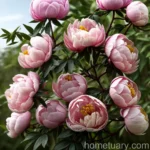
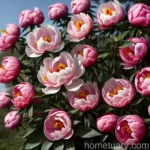
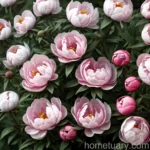
Paeonia lactiflora ‘Pink Parfait’ (Peony): A Botanical Marvel
The Paeonia lactiflora ‘Pink Parfait’, commonly known as Peony, is a stunning flowering plant that has been cherished in gardens for centuries due to its breathtaking blooms and low maintenance requirements. In this comprehensive guide, we will delve into the intricate details of this esteemed plant, covering its growth habits, care tips, characteristics, cultivation, and much more.
What is Paeonia lactiflora ‘Pink Parfait’?
The Paeonia lactiflora ‘Pink Parfait’ is a perennial herbaceous plant belonging to the Paeoniaceae family. It is native to China, where it has a rich heritage and has been cultivated for its ornamental and medicinal properties for over 2,000 years. The plant is renowned for its lush, elegant, and fragrant flowers, and it holds a significant cultural and historical importance in various traditions around the globe.
Key Takeaways – Paeonia lactiflora ‘Pink Parfait’:
Before we delve deeper into the specifics of the Paeonia lactiflora ‘Pink Parfait’, let’s provide an overview of the essential factors to consider when cultivating and appreciating this enchanting plant.
- Growth Habits
- Care Tips
- Characteristics
- Cultivation Guidelines
- Cultivar Varieties
- Flower Colors
- Planting Guide
- Pruning Tips
- Watering Needs
- Propagation Methods
- Soil Preferences
- Disease Resistance
- Sun Exposure
- Companion Planting
- Landscape Uses
- Container Gardening
- Fragrance Level
- Flower Arrangement Ideas
- Perennial Nature
- And More!
Now, let’s embark on a detailed exploration of the various aspects of the Paeonia lactiflora ‘Pink Parfait’ and equip ourselves with the knowledge to cultivate, appreciate, and celebrate this botanical marvel.
Culture
The culture of the Paeonia lactiflora ‘Pink Parfait’ encompasses its growing conditions, historical significance, and its role in different cultures and traditions. This section provides a profound understanding of the cultural importance of this exquisite plant.
The Peony has been revered in various cultures throughout history, with each culture attributing its unique symbolism and significance to the plant. In China, the Peony is known as the “king of flowers” and is a symbol of prosperity, honor, and beauty. It is often associated with wealth and is a popular motif in Chinese art and literature.
In Western cultures, the Peony is valued for its lush blooms and is associated with romance, prosperity, and good fortune. It is often used in wedding bouquets and is considered an emblem of a happy marriage and good health.
Throughout history, the Peony has also been used for its medicinal properties. In traditional Chinese medicine, the roots, seeds, and flowers of the Peony are used to treat various ailments, including cardiovascular conditions, inflammation, and respiratory issues.
The cultural significance of the Paeonia lactiflora ‘Pink Parfait’ extends beyond its ornamental value, making it a plant deeply rooted in symbolism, tradition, and healing practices.
Uses
The Paeonia lactiflora ‘Pink Parfait’ has an array of practical and aesthetic uses, making it a versatile and cherished plant in gardens, floral arrangements, and traditional medicine. Understanding the diverse uses of this plant can help in appreciating its value and integrating it into various aspects of our lives.
Ornamental Uses
The primary use of the Paeonia lactiflora ‘Pink Parfait’ is ornamental, as it is cultivated for its magnificent blooms that add elegance and beauty to gardens, landscapes, and floral displays. With its showy and fragrant flowers, the Peony is a popular choice for creating stunning focal points in gardens and for adding an enchanting touch to flower arrangements.
Medicinal Uses
Historically, the Peony has been used in traditional medicine for its potent medicinal properties. The roots and seeds of the Paeonia lactiflora species have been utilized in traditional Chinese medicine for their anti-inflammatory, analgesic, and antispasmodic properties. The plant has been employed to alleviate pain, calm the nerves, and address various health issues.
Cultural and Symbolic Uses
The Peony holds significant cultural and symbolic value in various traditions. It is often associated with romance, prosperity, honor, and good fortune, making it a popular choice for wedding bouquets, anniversary gifts, and other celebratory occasions. The plant’s lush blooms and rich history make it a symbol of beauty, abundance, and enduring love.
Understanding the diverse uses of the Paeonia lactiflora ‘Pink Parfait’ sheds light on the multifaceted nature of this plant and its ability to enrich our lives in various ways.
Water
Proper watering is crucial for the health and vitality of the Paeonia lactiflora ‘Pink Parfait’. This section focuses on the watering needs of the Peony, offering insights into the optimal watering practices to ensure the plant’s well-being and abundant blooming.
Watering Needs
The Peony requires regular watering, especially during its active growth phase and blooming period. Adequate moisture is essential to support the development of healthy foliage and blooms. However, it’s important to avoid over-watering, as excessive moisture can lead to root rot and other potentially damaging conditions.
During the growing season, ensure that the soil around the Peony remains consistently moist but not waterlogged. Deep, thorough watering once a week is generally sufficient, but adjustments should be made based on local climate, soil drainage, and weather conditions. In hot and dry climates, more frequent watering may be necessary to maintain optimal soil moisture levels.
When watering the Peony, direct the water at the base of the plant to deliver moisture directly to the root zone. Avoid overhead watering, as wet foliage can increase the risk of fungal diseases and other detrimental conditions.
During periods of dormancy and in the winter months, reduce the frequency of watering to prevent waterlogged soil and potential cold damage. The plant’s water needs diminish when it is not actively growing and flowering, so it’s crucial to adjust the watering schedule accordingly to prevent water-related stress or damage.
Sunlight
Adequate sunlight is essential for the health, vigor, and blooming of the Paeonia lactiflora ‘Pink Parfait’. Understanding the sunlight requirements of the Peony is critical for providing an optimal growing environment and ensuring the plant’s flourishing.
Sun Exposure
The Peony thrives in full sun to partial shade, making it adaptable to a range of light conditions. Ideally, the plant should receive at least 6 hours of direct sunlight daily to support robust growth and prolific blooming. In regions with intense, hot summers, providing some afternoon shade can help protect the plant from excessive heat and sun exposure.
When selecting a planting site for the Peony, prioritize locations with ample sunlight and good air circulation. Full sun exposure facilitates sturdy stems, vibrant blooms, and overall plant vigor. In contrast, insufficient sunlight can lead to weak, leggy growth and diminished flowering.
Understanding the plant’s preferences for sun exposure enables gardeners to create optimal growing conditions and support the Paeonia lactiflora ‘Pink Parfait’ in expressing its full ornamental potential.
Fertilizer
Applying suitable fertilizer is essential for nourishing the Paeonia lactiflora ‘Pink Parfait’ and promoting vigorous growth and abundant flowering. This section delves into the fertilization requirements and best practices for the Peony.
Fertilization Guidelines
The Peony benefits from a balanced and organic-rich fertilizer to support its nutritional needs and enhance its blooming performance. A slow-release, all-purpose fertilizer with a balanced NPK (nitrogen, phosphorus, and potassium) ratio, such as 10-10-10, is well-suited for the plant’s requirements.
In early spring, as the Peony emerges from dormancy, apply a thin layer of compost or well-aged manure around the base of the plant to enrich the soil and provide essential nutrients. Additionally, administer a balanced fertilizer according to the manufacturer’s instructions to supplement the soil with vital elements for robust growth and prolific blooming.
Avoid over-fertilizing the Peony, as excessive nitrogen can result in lush foliage at the expense of flower production. Moderation and attentiveness to the plant’s responses to fertilization are key to promoting a healthy balance of vegetative growth and floral abundance.
By adhering to appropriate fertilization practices, gardeners can cultivate thriving Paeonia lactiflora ‘Pink Parfait’ plants that exhibit robust growth and produce lavish, captivating blooms.
Soil
The soil composition and quality play a pivotal role in the health, resilience, and blooming capacity of the Paeonia lactiflora ‘Pink Parfait’. Understanding the plant’s soil preferences is essential for establishing an optimal growing environment and ensuring its sustained vitality.
Soil Preferences
The Peony thrives in well-drained, loamy soils with ample organic matter. The ideal soil pH for the Paeonia lactiflora ‘Pink Parfait’ ranges from slightly acidic to neutral, typically between 6.5 and 7.5. Soil with good drainage properties is crucial to prevent waterlogging and mitigate the risk of root rot and other moisture-related issues.
Prior to planting or transplanting the Peony, amend the soil with compost, well-rotted manure, or organic matter to improve its structure, fertility, and moisture retention. Incorporating organic materials enhances the soil’s texture, fertility, and microbial activity, creating a conducive growing medium for the plant.
When selecting a site for the Peony, assess the soil drainage and condition to ensure it meets the plant’s requirements. Avoid compacted, waterlogged, or excessively sandy soils, as they can adversely impact the plant’s health and performance.
By attending to the Peony’s soil preferences and providing a nurturing growing medium, gardeners can foster robust, floriferous Paeonia lactiflora ‘Pink Parfait’ plants that grace the garden with their resplendent blooms.
Pruning
Pruning is a vital aspect of maintaining the health, appearance, and blooming prowess of the Paeonia lactiflora ‘Pink Parfait’. This section delves into the essential pruning practices and guidelines for the Peony, empowering gardeners to optimize the plant’s form and flowering potential.
Pruning Tips
Pruning the Peony is focused on enhancing air circulation, rejuvenating the plant, and promoting bountiful blooms. Early spring, as the plant emerges from dormancy, is the ideal time for pruning the Peony. The following pruning tips and guidelines can aid in guiding the pruning process for optimal results:
-
Remove Winter Debris: Clear away any accumulated debris, such as fallen leaves and dead foliage, from around the base of the plant to minimize the risk of disease and pest issues.
-
Cut Back Old Stems: Trim back the previous year’s stems to ground level, making clean, angled cuts just above the emerging buds. Pruning old stems encourages the development of new, vigorous growth and prevents the plant from becoming overcrowded and congested.
-
Maintenance Pruning: Throughout the growing season, conduct periodic maintenance pruning to remove spent flowers, withered foliage, and any diseased or damaged plant parts. Prompt removal of spent blooms can encourage the plant to produce additional flowers and maintain a neat and tidy appearance.
By adhering to these pruning practices, gardeners can ensure the health, vitality, and aesthetic appeal of the Paeonia lactiflora ‘Pink Parfait’, culminating in a profusion of resplendent blooms that adorn the garden with their captivating beauty.
Propagation
The propagation of the Paeonia lactiflora ‘Pink Parfait’ offers an opportunity to expand the plant’s presence in the garden and share its splendor with fellow gardening enthusiasts. This section explores the diverse propagation methods and techniques for the Peony, providing valuable insights for multiplying and preserving this botanical treasure.
Propagation Methods
The Peony can be propagated through various methods, including division, seed sowing, and root cuttings. Each propagation approach offers unique advantages and considerations, enabling gardeners to propagate the Paeonia lactiflora ‘Pink Parfait’ with success and efficiency.
-
Division: Dividing established Peony clumps is a common and effective propagation method. In early spring or fall, carefully dig up the plant, ensuring the retrieval of the entire root system. Use a sharp, clean knife to divide the root mass into sections, ensuring that each division contains healthy roots and viable buds. Replant the divisions at the desired locations, providing ample spacing and proper growing conditions.
-
Seed Sowing: Propagating the Peony from seeds allows for the creation of new cultivars and the exploration of genetic diversity. Harvest mature seeds from the plant’s seed pods and sow them in well-drained, fertile soil in a protected, sunny location. Keep the soil consistently moist and provide supplemental shading if necessary to protect the emerging seedlings. While seed propagation requires patience and a longer time frame for the plants to reach maturity, it offers an avenue for introducing novel variations and characteristics.
-
Root Cuttings: Utilizing root cuttings is another propagation method for the Peony. Select healthy, mature roots and cut them into segments with at least two to three viable buds. Plant the root cuttings in a suitable growing medium, such as a mix of sand and peat, and maintain consistent moisture to facilitate the development of new shoots and roots.
By employing these propagation techniques, gardeners can expand their collection of Paeonia lactiflora ‘Pink Parfait’ plants and contribute to the preservation and proliferation of this captivating botanical gem.
Container Popularity
The Paeonia lactiflora ‘Pink Parfait’ possesses intrinsic appeal for container gardening, offering a delightful and captivating presence in patio, balcony, and indoor settings. This section delves into the popularity of growing the Peony in containers, highlighting its charm, versatility, and practical considerations for container cultivation.
Container Gardening Advantages
Growing the Paeonia lactiflora ‘Pink Parfait’ in containers presents several advantages and opportunities for gardening enthusiasts. The following points illustrate the appeal and practical aspects of container cultivation for the Peony:
-
Space Flexibility: Container gardening allows individuals with limited outdoor space to enjoy the beauty of the Peony. The plant’s compact nature and ornamental allure make it an excellent choice for adorning balconies, patios, and other confined areas with its resplendent blooms.
-
Versatile Display Options: Planting the Peony in containers offers creative freedom for arranging and showcasing the plant in diverse settings. Whether as a standalone focal point, part of a mixed container display, or as an indoor accent, the Peony’s enchanting flowers and lush foliage enhance any setting with their grace and allure.
-
Seasonal Mobility: Container-grown Peonies can be moved and repositioned according to seasonal conditions and aesthetic preferences. This versatility allows for optimizing sunlight exposure, protecting the plant from adverse weather, and elevating the visual impact of the Peony within the garden or outdoor living spaces.
-
Indoor Cultivation: The Peony can be grown indoors in containers, enabling individuals in regions with harsh climates or limited outdoor space to experience the plant’s beauty and fragrance within the comfort of their homes. With proper care and environmental conditions, container-grown Peonies can thrive and bloom indoors, providing an intimate and captivating botanical presence.
By recognizing the popularity and advantages of container gardening for the Paeonia lactiflora ‘Pink Parfait’, gardening enthusiasts can integrate this enchanting plant into their outdoor and indoor spaces with elegance and creativity.
Common Diseases
The health and vigor of the Paeonia lactiflora ‘Pink Parfait’ can be impacted by various diseases, necessitating vigilance and proactive management strategies. This section addresses the common diseases that affect the Peony, offering insights into their symptoms, prevention, and treatment.
Disease Diagnosis
Botrytis Blight(Grey Mold)
-
Symptoms: Botrytis blight, caused by the fungal pathogen Botrytis cinerea, manifests as grayish-brown lesions, or spots on the leaves, stems, and flowers of the Peony. The affected plant parts may exhibit a fuzzy gray mold that progresses rapidly, leading to browning, wilting, and decay.
-
Prevention and Management: To mitigate the risk of Botrytis blight, practice good air circulation, maintain proper spacing between plants, and refrain from overhead watering. Remove and dispose of affected plant parts promptly, and avoid waterlogged or excessively humid conditions. Fungicidal treatments may be employed following the manufacturer’s recommendations if the disease persists.
Powdery Mildew
-
Symptoms: Powdery mildew appears as a powdery, white fungal growth on the surfaces of the Peony’s leaves, stems, and buds. The affected plant parts may exhibit distorted growth, stunted development, and premature leaf drop.
-
Prevention and Management: Minimize powdery mildew by ensuring adequate air circulation, avoiding overcrowding, and removing and disposing of affected plant debris. Application of organic or chemical fungicides, when necessary, can help manage the disease and prevent its spread.
Phytophthora Root Rot
-
Symptoms: Phytophthora root rot, caused by various Phytophthora species, results in root decay, wilting, and overall decline in the health of the Peony. Affected roots may exhibit discoloration, decay, and reduced vigor, leading to compromised plant growth and flowering.
-
Prevention and Management: Prevent phytophthora root rot by ensuring well-drained soil and avoiding over-watering. Implementing proper plant spacing and healthy cultural practices can deter the onset and spread of the disease. Fungicidal applications may be necessary in severe cases, in conjunction with improving soil drainage and plant care practices.
By familiarizing themselves with the common diseases that afflict the Paeonia lactiflora ‘Pink Parfait’ and implementing proactive measures for disease prevention and management, gardeners can safeguard the health and vitality of this esteemed plant.
Common Pests
Pest infestations can pose challenges to the well-being and aesthetic appeal of the Paeonia lactiflora ‘Pink Parfait’. This section addresses the prevalent pests that affect the Peony, offering insights into their identification, prevention, and control in a garden setting.
Pest Identification
Aphids
-
Description: Aphids are small, soft-bodied insects that may appear in various colors, including green, black, and red. They tend to congregate on the undersides of leaves and the flower buds, feeding on plant sap and secreting honeydew, which can lead to the development of sooty mold.
-
Prevention and Control: Encourage natural predators of aphids, such as ladybugs and lacewings, to manage aphid populations. Additionally, insecticidal soaps and horticultural oils can be used to treat aphid infestations, reducing their numbers and preventing damage to the Peony.
Spider Mites
-
Description: Spider mites are minuscule arachnids that feed on the plant’s sap, causing stippling, yellowing, and wilting of the foliage. They produce fine webbing on the undersides of leaves and thrive in hot, dry conditions.
-
Prevention and Control: Mitigate spider mite infestations by maintaining adequate moisture levels, employing water sprays to reduce their populations, and introducing predatory mites as biological control agents. In severe cases, h