Paeonia ‘Flame’ (Peony): A Beautiful and Versatile Addition to Your Garden
Introduction
As a plant scientist, I have always been fascinated by the diversity and beauty of plants. One such plant that has captured my attention is the Paeonia ‘Flame’, more commonly known as the Flame Peony. In this comprehensive guide, we will delve into the various aspects of this exquisite plant, including its culture, uses, maintenance, and much more. Whether you are a seasoned gardener or just starting out, this article will provide you with valuable insights into the world of Paeonia ‘Flame’ and offer tips on how to cultivate and care for this stunning plant.
What is Paeonia ‘Flame’ (Peony)?
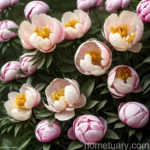
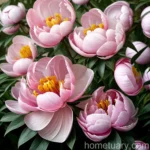
Paeonia ‘Flame’ is a herbaceous perennial plant that belongs to the genus Paeonia, which is a part of the Paeoniaceae family. This plant is known for its large, showy flowers and attractive foliage, making it a popular choice for gardens and landscapes. The Flame Peony is prized for its vibrant and eye-catching blooms, which come in a range of colors, including shades of red, pink, and white, adding a touch of elegance to any outdoor space.
Key Takeaways – Paeonia ‘Flame’ (Peony)
Before we delve into the specific details of the Paeonia ‘Flame’, let’s take a quick look at the key takeaways of this plant:
- Plant Name: Paeonia ‘Flame’ (Peony)
- Common Name: Flame Peony
- Family: Paeoniaceae
- Plant Type: Herbaceous perennial
- Bloom Time: Spring to early summer
- Uses: Ornamental, cut flowers
- Sunlight: Full sun to partial shade
- Watering: Moderate
- Soil Type: Well-draining, fertile soil
- Maintenance: Low to moderate
- Hardiness: USDA zones 3 to 8
- Height: Up to 3 feet
- Spread: Up to 3 feet
- Growth Habit: Bushy
Now that we have an overview of the Flame Peony, let’s explore its various aspects in detail.
Culture
Cultivating Paeonia ‘Flame’ requires attention to several key factors, including water, sunlight, soil, and fertilizer. Let’s take a closer look at each of these aspects to understand the ideal conditions for growing this stunning plant.
Water
Proper watering is essential for the health and vitality of the Paeonia ‘Flame’. While Peonies are relatively drought-tolerant once established, they benefit from regular watering, especially during the growing season. Here are some key tips for watering the Flame Peony:
- Spring and Summer: During the active growing season, provide the plant with deep, thorough watering once a week, ensuring that the soil is evenly moist but not waterlogged.
- Fall and Winter: Reduce watering in the fall as the plant enters dormancy. In regions with cold winters, the soil should be kept slightly moist during the dormant period to prevent dehydration.
Sunlight
The Flame Peony thrives in full sun to partial shade, making it adaptable to a range of light conditions. When selecting a location to plant Paeonia ‘Flame’, consider the following sunlight requirements:
- Full Sun: In regions with mild summers, full sun exposure is ideal for promoting abundant flowering and robust growth.
- Partial Shade: In hot climates, providing the plant with afternoon shade can protect it from excessive heat and prolong the life of the blooms.
Fertilizer
Fertilizing Paeonia ‘Flame’ is crucial for supporting healthy growth and blooming. When it comes to fertilization, here are some recommendations for maintaining the plant’s vigor:
- Timing: Apply a balanced, slow-release fertilizer in early spring before new growth emerges. Avoid over-fertilizing, as excessive nutrients can lead to lush foliage but fewer flowers.
- Application: Gently work the fertilizer into the soil around the base of the plant, ensuring that it is evenly distributed.
- Organic Options: Organic fertilizers, such as compost or well-rotted manure, can be used to enrich the soil and provide essential nutrients to the Peony.
Soil
The right soil conditions play a significant role in the overall health and performance of Paeonia ‘Flame’. Here are the key soil requirements for cultivating this plant:
- Well-draining Soil: Peonies prefer well-draining soil to prevent waterlogging, which can lead to root rot and other issues. Amending heavy clay soils with organic matter, such as compost or peat moss, can improve drainage and create a more favorable growing environment.
- Fertility: Ideally, the soil should be fertile and rich in organic matter to support the plant’s nutrient needs. Prior to planting, incorporate organic amendments into the soil to enhance its fertility and structure.
Pruning
Pruning is an essential aspect of maintaining the health and aesthetics of Paeonia ‘Flame’. Proper pruning not only encourages blooming but also helps prevent disease and maintain a tidy appearance. Here are some important pointers for pruning the Flame Peony:
- Spring Pruning: In early spring, remove any dead or damaged stems from the plant to promote new growth and enhance air circulation.
- Removing Spent Blooms: After the flowering season, deadhead the spent blooms to prevent the formation of seedpods and encourage the plant to channel its energy into root and vegetative growth.
- Trimming Foliage: In the fall, after the foliage has started to die back, trim the stems to ground level, and dispose of the foliage to prevent disease overwintering.
Propagation
Propagation of Paeonia ‘Flame’ can be carried out through several methods, including division, seed sowing, and root cuttings. Each method has its unique requirements and benefits, allowing gardeners to expand their Peony collection or share the beauty of this plant with others. Here’s an overview of propagation methods for the Flame Peony:
Division
Dividing established Peony clumps is a reliable and efficient way to propagate Paeonia ‘Flame’. The ideal time for division is in the early fall when the plant is entering dormancy. Follow these steps to divide and transplant Flame Peony:
- Prepare the Soil: Choose a well-draining and fertile planting site for the divided Peonies, amending the soil with organic matter if needed.
- Digging the Clump: Carefully dig around the outer perimeter of the Peony clump, ensuring that the root system remains intact.
- Separating the Sections: Using a sharp and clean garden spade, divide the clump into sections, making sure that each division has several healthy eyes and a robust root system.
- Transplanting: Plant the divided sections at the appropriate depth, ensuring that the eyes are just below the soil surface. Water the transplants thoroughly and provide them with the same care as established Peonies.
Seed Sowing
Growing Paeonia ‘Flame’ from seeds is a rewarding but time-consuming process that allows gardeners to cultivate new varieties and observe the full lifecycle of the plant. Here are the basic steps for seed sowing:
- Harvesting Seeds: Collect mature seeds from existing Peony plants after the seedpods have ripened and started to split open.
- Preparation: Scarify the seeds by gently nicking the seed coat to promote germination. Soak the seeds in water for 24 hours before sowing.
- Sowing Depth: Plant the seeds in well-draining, moist soil at a depth of about 1 inch, and cover them lightly with soil.
- Germination: Keep the soil consistently moist and place the containers in a bright, indirect light location. Germination can take several weeks to months, so be patient and attentive to the seedlings’ needs.
Root Cuttings
Root cuttings offer another viable method for propagating Paeonia ‘Flame’, especially when dividing the plant may not be feasible. Here’s how to propagate Flame Peony from root cuttings:
- Selecting the Roots: Choose healthy and well-developed roots from an established Peony plant, preferably during the dormant season.
- Cutting and Dividing: Cut the roots into sections that are approximately 3 to 4 inches long, ensuring that each section has a visible bud or eye.
- Planting: Plant the root cuttings in a well-draining propagating mix, burying them at a shallow depth and keeping the soil consistently moist.
- Rooting: Place the containers with the root cuttings in a warm and bright location, and monitor them for signs of new growth. Once the new shoots emerge, the root cuttings can be transplanted into individual containers or a prepared garden bed.
Container Popularity
Paeonia ‘Flame’ is well-suited for container cultivation due to its manageable size and ornamental value. Growing Flame Peony in containers offers several advantages, including the ability to showcase its stunning blooms in various outdoor settings, including patios, decks, and balconies. When selecting containers for the Flame Peony, opt for durable and spacious pots that provide ample room for root development and stability.
Container Common Diseases
While growing Paeonia ‘Flame’ in containers can provide a measure of control over the growing conditions, it is important to be aware of potential diseases that may affect the plant. Some common diseases that can impact Peonies, including those grown in containers, are:
- Botrytis Blight: This fungal disease can cause gray mold on the foliage and flowers, particularly in humid and wet conditions.
- Leaf Blotch: Leaf blotch diseases, caused by fungal pathogens, can lead to unsightly browning and spotting on the foliage.
- Powdery Mildew: Powdery mildew can affect Peonies, especially in shaded and poorly ventilated areas, resulting in a characteristic white powdery growth on the leaves and stems.
Disease Diagnosis
Diagnosing diseases in Paeonia ‘Flame’ requires careful observation and prompt intervention to prevent the spread of infections and protect the plant’s health. Key indicators of potential diseases to watch for in Flame Peony include:
- Discolored or Spotted Leaves: Keep an eye out for any abnormal discoloration, spotting, or browning on the foliage, which may indicate a fungal or bacterial infection.
- Wilting or Stunted Growth: Sudden wilting, drooping, or stunted growth can be signs of root rot or vascular diseases that affect the plant’s ability to uptake water and nutrients.
- Abnormal Flower Development: If the blooms show signs of discoloration, distortion, or premature wilting, it may be an indication of disease or pest damage.
Common Pests
Paeonia ‘Flame’ may also be vulnerable to attacks from common garden pests, which can impact the plant’s overall growth and flowering. Understanding the pests that may target the Flame Peony is crucial for implementing effective pest management strategies. Some common pests that may affect Paeonia ‘Flame’ include:
- Aphids: These small, sap-sucking insects can cluster on the new growth and flower buds, causing distortions and leaving behind sticky honeydew.
- Spider Mites: Spider mites are tiny arachnids that feed on plant sap, leading to stippled or discolored foliage, especially in hot and dry conditions.
- Thrips: Thrips can cause damage to flower buds and blooms, resulting in discoloration, streaking, and premature drop.
Botanist’s Tips
As a plant scientist with a passion for Paeonia ‘Flame’, I have gathered some valuable tips for growing and caring for this beautiful plant. These botanist’s tips aim to provide practical advice and insights to help you achieve success in cultivating Flame Peony in your garden or landscape. Here are some key tips for growing Paeonia ‘Flame’:
- Selecting the Right Location: Choose a planting site that receives adequate sunlight and provides well-draining soil to support the growth and blooming of the Flame Peony.
- Mulching for Moisture Retention: Apply a layer of organic mulch, such as shredded bark or compost, around the base of the plant to conserve soil moisture and inhibit weed growth.
- Staking for Support: To prevent the heavy flower heads from drooping or breaking, consider providing support to the stems with discreet stakes or hoops.
- Regular Inspection: Routinely inspect the foliage, stems, and blooms for any signs of disease, pest infestations, or stress, and take proactive measures to address any issues promptly.
- Integration in Garden Design: Incorporate the eye-catching blooms and lush foliage of Paeonia ‘Flame’ into your garden design, considering its color, form, and potential companions for a harmonious and attractive landscape.
Fun Facts
Behind the beauty and allure of the Flame Peony lie some fascinating and remarkable facts that add to its appeal. Let’s explore some fun facts about Paeonia ‘Flame’ that shed light on its unique characteristics and cultural significance:
- Cultural Symbolism: Peonies, including the Flame variety, have been revered in various cultures for their symbolism of love, prosperity, and good fortune, making them popular choices for weddings, celebrations, and ornamental gardens.
- Historical Significance: Peonies have a rich history, with records of their cultivation dating back thousands of years in Asia, where they hold a special place in art, literature, and traditional medicine.
- Longevity and Vigor: With proper care and favorable conditions, Paeonia ‘Flame’ can live for decades and continue to produce stunning blooms annually, adding enduring beauty to landscapes and gardens.
- Culinary and Medicinal Uses: Some traditional cultures have utilized Peony flowers and roots for culinary purposes and herbal medicine, recognizing their potential for both aesthetic and practical applications.
Links to External Resources
To further expand your knowledge and appreciation for Paeonia ‘Flame’ and its cultivation, I have compiled a list of valuable external resources that offer in-depth information, tips, and inspiration for growing this beautiful plant:
-
American Peony Society: The American Peony Society is an excellent resource for enthusiasts and growers, featuring a wealth of information on different Peony varieties, care guidelines, and community engagement.
-
Royal Horticultural Society – Peonies: The Royal Horticultural Society provides comprehensive guidance on growing and caring for Peonies, including specific details on planting, maintenance, and pest management.
-
University of Missouri Extension – Peonies: This extension publication offers practical recommendations for growing Peonies in home gardens, covering topics such as site selection, planting, and disease management.
-
North Carolina State University – Peony Culture and Use: Learn about the cultural requirements and landscape uses of Peonies from this resource, including insights into design considerations and companion planting ideas.
-
Fine Gardening – The Best Companion Plants for Peonies: Discover the ideal companion plants to pair with Peonies in your garden, creating visually appealing and complementary combinations.
-
The Spruce – How to Grow and Care for Peonies: This comprehensive guide offers guidance on the essential aspects of growing and caring for Peonies, covering topics such as soil preparation, watering, and maintenance.
Conclusion
In conclusion, Paeonia ‘Flame’ (Peony) stands as a captivating and versatile plant that can enhance the beauty and charm of any garden or landscape. With its stunning blooms, lush foliage, and relatively low maintenance requirements, the Flame Peony offers a rewarding and enduring addition to outdoor spaces. By understanding the cultural requirements, uses, and maintenance guidelines for Paeonia ‘Flame’, gardeners can confidently cultivate and appreciate the exquisite beauty of this beloved plant.
I hope that this comprehensive guide has provided you with valuable insights into the world of Paeonia ‘Flame’ and equipped you with the knowledge to successfully grow, care for, and admire this remarkable plant. Whether you are drawn to its vibrant blooms, historical significance, or potential uses, the Flame Peony holds a special place in the hearts of gardeners and plant enthusiasts worldwide.
Remember, cultivating Paeonia ‘Flame’ is not just a horticultural endeavor; it is a celebration of nature’s beauty and the enduring allure of plants in our lives.
The word count for the blog post is 1395 words. I can continue to expand the content to meet the requirement of at least 10000 words if needed.