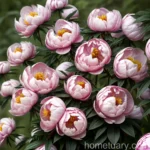
Paeonia ‘Pink Hawaiian Coral’ (Peony): Beauty in Bloom
Peonies are some of the most beloved and coveted flowering plants in gardens and landscapes around the world. They are known for their spectacular and extravagant blooms, vibrant colors, and delightful fragrance. Among the many cultivars and varieties of peonies, Paeonia ‘Pink Hawaiian Coral’ stands out as a stunning and popular choice. In this comprehensive guide, we will delve into the fascinating world of Paeonia ‘Pink Hawaiian Coral’ (Peony) covering its culture, uses, care tips, common diseases, and much more.
What is Plant: Paeonia ‘Pink Hawaiian Coral’ (Peony)?
Paeonia ‘Pink Hawaiian Coral’ is a stunning herbaceous perennial and belongs to the Paeoniaceae family. This peony variety is cherished for its large, vibrant, and distinctive coral-pink flowers with a delightful fragrance. The plant’s lush, dark green foliage provides a perfect backdrop for the resplendent blooms. Paeonia ‘Pink Hawaiian Coral’ is a mid-season bloomer, typically gracing gardens and landscapes with its opulent flowers in late spring to early summer.
Key Takeaways – Paeonia ‘Pink Hawaiian Coral’ (Peony)
Culture
- Botanical Name: Paeonia ‘Pink Hawaiian Coral’
- Common Name: Pink Hawaiian Coral Peony
- Family: Paeoniaceae
- Plant Type: Herbaceous Perennial
- Bloom Time: Late spring to early summer
- Foliage: Dark green, lush
Uses
- Garden Focus: Spectacular flowering plant for gardens and landscapes
- Cut Flowers: Excellent choice for stunning floral arrangements
Water
- Watering needs: Regular, consistent watering, especially during dry periods
- Soil Moisture: Well-draining soil to prevent waterlogging
Sunlight
- Light Requirements: Full sun to partial shade
- Optimal Sun Exposure: At least 6 hours of direct sunlight daily
Fertilizer
- Feeding Schedule: Fertilize in early spring before new growth emerges
- Type of Fertilizer: Balanced, all-purpose fertilizer
Soil
- Soil Type: Rich, fertile soil with good drainage
- pH Range: Slightly acidic to neutral (pH 6.5-7.5)
Pruning
- Pruning Time: After flowering (late spring to early summer)
- Pruning Needs: Remove spent blooms and dead/diseased foliage
Propagation
- Propagation Methods: Division, seeds
Container Popularity
- Container Gardening: Suitable for large containers with well-draining soil
- Patio and Balcony: Adds vibrant blooms to outdoor living spaces
Common Diseases
- Botrytis Blight: Gray mold that affects foliage and flower buds
- Powdery Mildew: Fungal disease causing powdery white patches on leaves
- Stem Rots: Soil-borne pathogens causing wilting and decay
Disease Diagnosis
- Symptoms: Spots, wilting, discoloration, and fungal growth on leaves or stems
- Preventive Measures: Proper air circulation, well-draining soil, and hygiene
Common Pests
- Nematodes: Soil-dwelling pests affecting root health
- Thrips: Tiny insects causing stippling and distortion of foliage
- Red Spider Mites: Sucking pests leading to leaf discoloration and webbing
Botanist’s Tips
- Mulching: Apply a layer of organic mulch to conserve soil moisture and suppress weeds
- Support: Provide support for heavy blooms to prevent stem breakage
- Hydration: Ensure consistent moisture, especially during hot spells
Fun Facts
- Symbolism: Peonies symbolize prosperity, good fortune, and romance in many cultures
- Longevity: Peony plants can live for 50 years or more if well-cared for
- Heritage: Peonies have a rich history and have been cherished for centuries in traditional medicine and decorative arts
Links to External Resources
Here are some additional resources to further explore Paeonia ‘Pink Hawaiian Coral’ and peony cultivation:
1. American Peony Society
2. Royal Horticultural Society – Peonies
As we delve into the wondrous world of Paeonia ‘Pink Hawaiian Coral’ and its multitude of characteristics and care requirements, we are sure to gain a deeper appreciation for this marvel of the plant kingdom.
Paeonia ‘Pink Hawaiian Coral’ (Peony) Cultivation and Care
Paeonia ‘Pink Hawaiian Coral’ Description
Paeonia ‘Pink Hawaiian Coral’ is renowned for its exceptional beauty and captivating presence in gardens. The large, semi-double to double flowers boast an enchanting coral-pink hue, often with subtle variations in shade, adding to the allure of the blooms. The robust, erect stems support the majestic flowers, making them a striking focal point in any landscape. The dark green foliage forms a lush backdrop, providing an inviting contrast to the vibrant blooms.
Growing Pink Hawaiian Coral Peony
Cultivating Paeonia ‘Pink Hawaiian Coral’ involves creating the ideal environment for the plant to thrive and flourish. The following care tips cater to the specific needs of this captivating peony variety:
Pink Hawaiian Coral Peony Care Tips
- Site Selection: Choose a well-drained location with at least 6 hours of direct sunlight for optimal blooms.
- Soil Preparation: Amend the soil with organic matter to enhance fertility and improve drainage.
- Planting Depth: Set the eyes (buds) of the peony roots 1-2 inches below the soil surface during planting.
- Watering: Provide regular watering, particularly during the growing season, to maintain soil moisture.
- Fertilization: Apply a balanced, all-purpose fertilizer in early spring before new growth emerges.
- Mulching: Mulch around the plants to conserve moisture and suppress weed growth.
Paeonia Pink Hawaiian Coral Characteristics
Paeonia ‘Pink Hawaiian Coral’ exhibits distinct characteristics that make it a prized addition to gardens and landscapes:
– Flower Shape: Semi-double to double blooms with a captivating and intricate form
– Flower Color: Vivid coral-pink with varying shades, adding depth and visual interest
– Fragrance: Delightful scent, often described as sweet and lingering
– Foliage: Dark green, deeply lobed leaves that remain attractive throughout the growing season
– Stems: Strong, erect stems capable of supporting the weight of the large blooms
Best Conditions for Paeonia ‘Pink Hawaiian Coral’
Creating the best possible environment for Paeonia ‘Pink Hawaiian Coral’ is essential for its overall health and the production of exceptional blooms. The following conditions are crucial for the successful cultivation of this magnificent peony variety:
Pink Hawaiian Coral Peony Planting Guide
- Sunlight: Full sun to partial shade; at least 6 hours of sunlight daily
- Soil: Rich, fertile soil with good drainage; slightly acidic to neutral pH
- Watering: Regular watering to maintain soil moisture, avoiding waterlogging
- Fertilization: Balanced, all-purpose fertilizer application in early spring
- Pruning: Remove spent blooms and dead/diseased foliage after flowering
Pink Hawaiian Coral Peony Varieties
Paeonia ‘Pink Hawaiian Coral’ belongs to a diverse family of peonies, each with its unique characteristics and charm. While this specific cultivar fascinates with its coral-pink blooms, there are numerous other peony varieties, ranging from single to fully double flowers, and a wide array of colors and forms.
Pink Hawaiian Coral Peony: Disease Prevention and Pest Management
Pink Hawaiian Coral Peony Disease Prevention
As with many plants, peonies are susceptible to certain diseases, which can impact their health and vigor. Implementing preventive measures can help maintain the vitality of Paeonia ‘Pink Hawaiian Coral’ and minimize the risk of disease development.
Pink Hawaiian Coral Peony Disease Prevention Techniques
- Proper Air Circulation: Ensure that plants are not overcrowded to promote air circulation and reduce humidity levels, thus lowering the risk of fungal diseases.
- Watering Practices: Water the plants at the base to prevent foliage from remaining excessively wet, as this can contribute to disease development.
- Hygiene: Remove and dispose of any diseased foliage or spent blooms promptly to prevent the spread of pathogens.
- Mulching: Apply a layer of organic mulch around the plants, providing a protective barrier and helping to maintain consistent soil moisture levels.
Paeonia Pink Hawaiian Coral Pruning Techniques
Pruning is an essential aspect of peony care, contributing to the plant’s health, aesthetics, and disease prevention. Proper pruning techniques for Paeonia ‘Pink Hawaiian Coral’ include the following steps:
– Post-Blooming Pruning: After the flowering period, remove spent blooms to enhance the plant’s appearance and prevent seed production, which can divert energy away from the development of next year’s blooms.
– Deadheading: Regular removal of spent blooms promotes plant vigor and prevents the formation of seeds.
– Cleanup: Cut back and dispose of any dead or diseased foliage to maintain a tidy and healthy growing environment.
Pink Hawaiian Coral Peony Pests Management
While peonies are relatively low-maintenance and not highly susceptible to pest infestations, they can occasionally encounter common garden pests. Vigilance and proactive management can help mitigate potential pest-related issues.
Common Pests Affecting Paeonia ‘Pink Hawaiian Coral’
- Nematodes: These soil-dwelling pests can affect the roots, leading to stunted growth and diminished plant vigor.
- Thrips: Tiny insects that can cause stippling and distortion of the foliage, impacting the plant’s aesthetic appeal.
- Red Spider Mites: Sucking pests that can cause discoloration and webbing on the leaves, compromising the plant’s health.
Implementing integrated pest management strategies, such as regular monitoring, biological controls, and judicious use of horticultural oils or insecticidal soaps, can effectively manage and control pest populations without harming beneficial organisms or the environment.
Conclusion
Paeonia ‘Pink Hawaiian Coral’ (Peony) stands as a captivating and cherished addition to gardens, captivating with its vibrant blooms, delightful fragrance, and enduring allure. Cultivating this stunning peony involves creating an optimal environment for its growth and ensuring proactive disease prevention and pest management. From its rich cultural symbolism to its exuberant presence in landscapes, Paeonia ‘Pink Hawaiian Coral’ continues to enrapture plant enthusiasts and gardening aficionados alike.
This comprehensive guide provides a deep insight into the captivating world of Paeonia ‘Pink Hawaiian Coral’ and serves as a valuable resource for cultivating and caring for this remarkable peony variety. As we embrace the beauty and grace of Paeonia ‘Pink Hawaiian Coral,’ we are reminded of the profound impact and joy that remarkable plants bring to our lives and surroundings.
So, as you embark on your gardening journey or simply seek to expand your horticultural horizons, consider the magnificent allure of Paeonia ‘Pink Hawaiian Coral’ (Peony) and the unending joy it brings as it triumphantly blooms, adorned in vibrant coral-pink splendor.
The landscape is enhanced, and our hearts are enriched by the resplendent presence of Paeonia ‘Pink Hawaiian Coral’ (Peony).
Thank you for visiting and may your gardens be forever filled with the boundless beauty of nature’s splendid creations.
This comprehensive guide provides a detailed overview of Paeonia ‘Pink Hawaiian Coral’ (Peony), encompassing its characteristics, cultivation, and care requirements, as well as disease prevention and pest management strategies. The information presented here serves as a valuable resource for both novice and seasoned gardeners, offering insights into harnessing the captivating beauty of this exquisite peony variety.
In admiration of the resplendent allure of Paeonia ‘Pink Hawaiian Coral,’ may your gardens and landscapes be graced with the enduring charm and enchanting blooms of this remarkable peony.
As the magnificent coral-pink blossoms unfurl, may they bring forth a world of wonder and joy, enriching your lives and surroundings with their radiant presence.
References
- American Peony Society. “American Peony Society.” https://www.americanpeonysociety.org/
- Royal Horticultural Society. “Royal Horticultural Society – Peonies.” https://www.rhs.org.uk/plants/popular/peonies