Phalaenopsis Stuartiana (Moth Orchid)
Phalaenopsis stuartiana, commonly known as the Moth Orchid, is an elegant and low-maintenance orchid species that is favored by both novice and experienced.
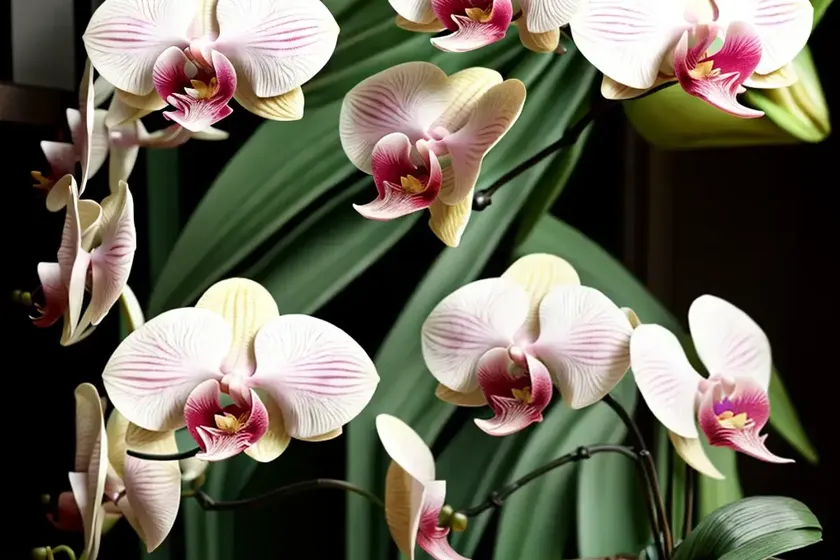
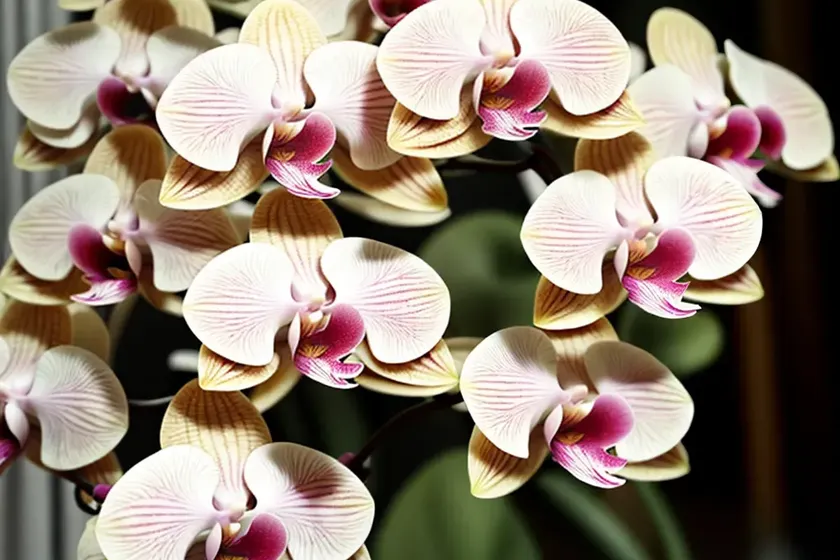
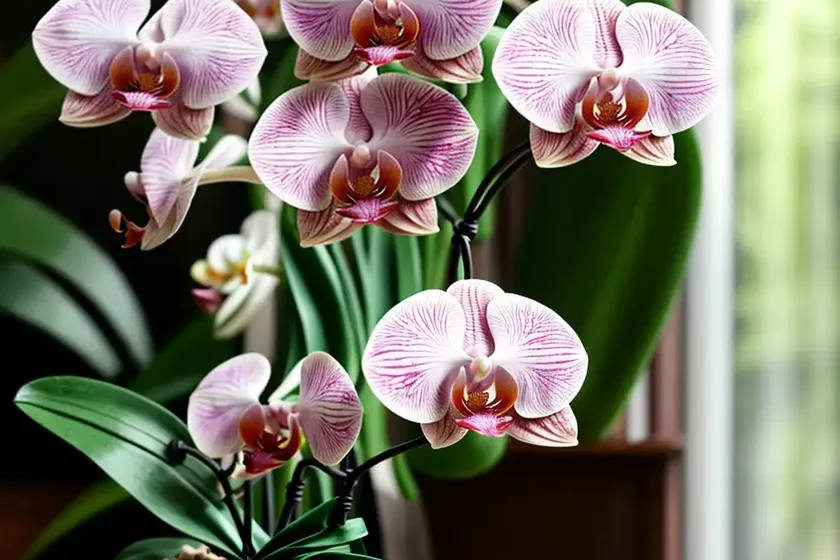
Phalaenopsis stuartiana, commonly known as the Moth Orchid, is an elegant and low-maintenance orchid species that is favored by both novice and experienced gardeners for its stunning flowers and ease of care. Native to Southeast Asia, this orchid species has gained popularity as a houseplant due to its ability to thrive in indoor environments. In this comprehensive guide, we will explore the key aspects of caring for Phalaenopsis stuartiana, from its cultural requirements to pest control and disease management. Whether you are a beginner looking to embark on your orchid-growing journey or a seasoned plant enthusiast, this guide will equip you with the knowledge needed to cultivate thriving Phalaenopsis stuartiana plants.
What is Phalaenopsis stuartiana (Moth Orchid)?
Phalaenopsis stuartiana, a member of the diverse and visually captivating Phalaenopsis genus, is a species of orchid known for its delicate and alluring blooms. The name “Phalaenopsis” is derived from the Greek words “phalaina,” meaning “moth,” and “opsis,” meaning “resembling,” alluding to the moth-like appearance of its flowers. The specific epithet “stuartiana” honors Sir Charles Brooke, the second White Rajah of Sarawak, whose full name was Charles Anthoni Johnson Brooke, and who was also known as Rajah Muda (Crown Prince) Charles.
This epiphytic orchid species is characterized by its graceful arching sprays of flowers, which can last for several months, adding a touch of natural beauty to any indoor setting. The blooms of Phalaenopsis stuartiana are known for their intricate patterns, often featuring a combination of pastel hues and intricate markings that resemble the delicate wings of moths, hence its common name, the Moth Orchid. With proper care and attention, Phalaenopsis stuartiana can reward growers with recurrent blooms, making it a valuable addition to any collection of orchids.
Key Takeaways – Phalaenopsis stuartiana (Moth Orchid)
Before delving into the specific care requirements of Phalaenopsis stuartiana, let’s highlight some key takeaways that will guide our exploration of this enchanting orchid species.
- Botanical Name: Phalaenopsis stuartiana
- Common Name: Moth Orchid
- Native Habitat: Southeast Asia
- Characteristic Features: Graceful arching sprays of long-lasting, moth-like blooms
- Ease of Care: Suitable for both novice and experienced gardeners
- Popular as: Indoor plant, ornamental houseplant
- Distinctive Traits: Intricate flower patterns, recurrent blooming potential
Now that we have introduced Phalaenopsis stuartiana, it’s time to delve into the specific cultural requirements and care guidelines that will enable you to cultivate thriving Moth Orchids in your home or garden.
Culture
The successful cultivation of Phalaenopsis stuartiana hinges on an understanding of its cultural requirements, encompassing factors such as water, sunlight, fertilizer, soil, and pruning. By addressing each of these elements comprehensively, we can create an optimal environment that supports the health and flourishing of these alluring orchids.
Uses
Phalaenopsis stuartiana serves both ornamental and horticultural purposes, adding a touch of natural elegance and beauty to indoor spaces. As a popular houseplant, it is widely cultivated for its captivating blooms, making it a valuable addition to interior decor. In addition to its aesthetic value, Phalaenopsis stuartiana is also utilized for breeding and hybridization purposes, contributing to the development of new orchid cultivars with diverse flower colors, patterns, and shapes.
Water
Proper watering practices are fundamental to the well-being of Phalaenopsis stuartiana. As epiphytes, these orchids naturally grow on trees in their native habitats, absorbing moisture from the air and occasional rainfall. When cultivating them in a home setting, it is essential to mimic their natural moisture conditions.
Moth Orchid Watering Tips:
- Frequency: Water Phalaenopsis stuartiana approximately once every 7-10 days, allowing the potting medium to approach dryness between waterings.
- Method: Water the orchid in the morning to allow excess moisture to evaporate, reducing the risk of fungal infections or rot.
- Avoid Overwatering: Ensure that the potting medium is not waterlogged as excessive moisture can lead to root rot and other detrimental conditions.
- Water Quality: Use tepid, non-chlorinated water to prevent shock to the orchid’s sensitive root system.
- Use of Orchid Pots: Orchids are often grown in transparent pots, allowing for easy observation of root health and moisture levels.
Sunlight
While Phalaenopsis stuartiana thrives in bright, indirect light, it is important to shield it from direct sunlight, which can cause leaf burn and damage to the delicate blooms. Finding the right balance of light exposure is crucial for the healthy growth and flowering of Moth Orchids.
Moth Orchid Sunlight Requirements:
- Light Intensity: Provide bright, indirect light, such as that found near an east or west-facing window, while avoiding direct sun exposure.
- Leaf Coloration: Healthy Phalaenopsis stuartiana plants exhibit vibrant green leaves, indicating an optimal light environment.
- Leaf Orientation: Rotate the orchid periodically to ensure even light exposure and balanced growth.
Fertilizer
Appropriate fertilization is essential for supporting the growth and flowering of Phalaenopsis stuartiana. A balanced approach to fertilization, tailored to the specific needs of orchids, is key to preventing nutrient deficiencies and promoting robust plant development.
Fertilizer Application Guidelines:
- Frequency: Apply a specialized orchid fertilizer at quarter-strength once a month during the growing season, reducing the frequency during the plant’s resting phase.
- Nutrient Balance: Look for a balanced orchid fertilizer with a formulation such as 20-20-20, designed to meet the nutritional needs of Phalaenopsis stuartiana.
- Avoid Overfeeding: Refrain from over-fertilization, which can lead to salt buildup in the potting medium and cause damage to the orchid’s root system.
Soil
In their native habitat, Phalaenopsis stuartiana grows as an epiphyte, anchoring itself to trees and absorbing moisture and nutrients from the surrounding environment. When cultivated in a home setting, providing a suitable potting medium that mimics their natural growing conditions is imperative.
Recommended Potting Media:
- Orchid Mix: Utilize a well-draining orchid potting mix, typically consisting of components such as bark, sphagnum moss, perlite, and charcoal, to ensure adequate aeration and drainage.
- Aeration: The potting medium should facilitate air circulation around the roots, promoting healthy respiration and preventing waterlogging.
Pruning
Pruning plays a crucial role in maintaining the health and attractiveness of Phalaenopsis stuartiana plants. Regular pruning of spent blooms and damaged foliage helps redirect the plant’s energy towards new growth and flower production.
Pruning Guidelines:
- Bloom Removal: After the flowers have withered, trim the flower spike just above a visible node to encourage the emergence of new spikes.
- Leaf Maintenance: Remove yellowing or diseased leaves to prevent the spread of infections and maintain the plant’s overall vigor.
Propagation
The propagation of Phalaenopsis stuartiana can be achieved through several methods, including division of the plant, keiki production, and tissue culture. Each approach offers unique advantages and can be employed based on the grower’s preferences and the specific growth characteristics of the parent plant.
Propagation Techniques:
- Division: Carefully divide mature plants during repotting, ensuring that each division possesses a sufficient number of healthy roots and a viable growing point.
- Keiki Production: Encourage the development of keikis, or baby plants, from nodes along the flower spike or at the base of the plant, allowing them to mature into independent plants.
- Tissue Culture: Explore the option of tissue culture, a laboratory-based propagation method that enables the rapid production of genetically identical plantlets from a small section of tissue.
Container
Selecting the appropriate container for growing Phalaenopsis stuartiana is essential for providing a stable and conducive environment for the plant’s root system. The choice of container impacts factors such as moisture retention, root aeration, and overall plant stability.
Container Considerations:
- Pot Selection: Choose a transparent orchid pot that allows for easy observation of root health and moisture levels. Clear plastic pots are commonly used to cultivate Moth Orchids, facilitating effective care and monitoring.
- Drainage Holes: Ensure that the container possesses adequate drainage holes to prevent water accumulation and potential root rot.
- Stability: Select a container with a stable base to prevent toppling and offer support to the orchid’s upright growth habit.
Popularity
Phalaenopsis stuartiana has garnered widespread popularity among orchid enthusiasts and plant lovers for its enchanting blooms, versatility as an indoor plant, and relative ease of care. As a prominent member of the Phalaenopsis genus, it holds a special place in the world of orchid cultivation and is often sought after for its aesthetic appeal and enduring flowering potential.
Common Diseases
Despite being resilient in proper growing conditions, Phalaenopsis stuartiana is susceptible to certain diseases that can compromise its health and vitality. By familiarizing ourselves with the common diseases that affect Moth Orchids, we can proactively implement measures to prevent and manage these issues.
Disease Diagnosis
Identifying the symptoms of common orchid diseases is essential for timely intervention and effective disease management. From fungal infections to viral diseases, understanding the signs associated with each condition enables growers to take targeted corrective actions.
Common Orchid Diseases:
- Root Rot: Characterized by mushy, discolored roots and wilting foliage, root rot is often caused by overwatering and poor drainage.
- Botrytis Blight: This fungal disease manifests as brown or water-soaked spots on flowers and leaves, leading to tissue decay and deterioration.
- Viral Infections: Viral diseases can result in mottled or distorted leaf patterns, stunted growth, and overall decline in plant vigor.
- Bacterial Blight: Bacterial blight causes dark, water-soaked lesions on leaves and pseudobulbs, often accompanied by a foul odor.
Common Pests
In addition to diseases, Phalaenopsis stuartiana may also encounter pest infestations that necessitate prompt intervention to safeguard the plant’s health and aesthetics. Familiarizing oneself with the typical orchid pests and their associated symptoms is crucial for implementing effective pest control strategies.
Orchid Pests:
- Aphids: These small, soft-bodied insects feed on plant sap, causing wilting and distortion of new growth.
- Spider Mites: Spider mite infestations result in stippled, yellowing leaves and the formation of fine webbing on the plant.
- Mealybugs: Mealybugs are recognized by their white, waxy excretions and can lead to leaf yellowing and deformation.
- Scale Insects: Scales appear as raised, shell-like structures on stems and leaves, sapping the plant’s vitality.
Botanist’s Tips
Armed with insights gleaned from the cultural requirements, disease management, and pest control strategies for Phalaenopsis stuartiana, we can now incorporate the expertise of botanists and experienced growers to further enhance our understanding of Moth Orchid care.
Expert Recommendations:
- Maintain Consistent Care: Provide a stable environment with consistent watering, light exposure, and fertilization to support the orchid’s growth and flowering cycles.
- Monitor Environment Changes: Be attentive to shifts in humidity, temperature, and light levels, adjusting care practices accordingly to accommodate the plant’s evolving needs.
- Preventative Measures: Employ preventive measures such as proper airflow, isolation of new plants, and regular inspection to mitigate the risk of disease and pest issues.
- Document Observations: Keep a record of the orchid’s growth, flowering patterns, and response to care practices, facilitating informed decision-making and personalized care adjustments.
Fun Facts
As we immerse ourselves in the world of Phalaenopsis stuartiana and the captivating realm of orchids, it is enriching to discover intriguing and lesser-known facts about the Moth Orchid, shedding light on its significance and allure.
Fascinating Tidbits:
- Symbolism: Orchids, including Phalaenopsis stuartiana, are often associated with themes of love, beauty, and refinement, making them popular gifts and decorative accents.
- Species Diversity: The Phalaenopsis genus encompasses a wide array of species and hybrids, showcasing an extraordinary spectrum of flower colors, shapes, and patterns.
- Longevity: With proper care, Moth Orchids can live for several decades, rewarding growers with recurrent blooms and graceful foliage throughout their lifespan.
- Cultural Significance: In various cultures, orchids hold symbolic significance, representing luxury, elegance, and thoughtfulness in gift-giving and decorative traditions.
Links to External Resources
For further exploration of Moth Orchid care, botanical research, and horticultural insights, we recommend delving into reputable external resources that offer in-depth information and expert perspectives on Phalaenopsis stuartiana.
External Links:
- American Orchid Society
- Royal Horticultural Society – Orchids
- Orchid Board
- Smithsonian Gardens – Orchids
- International Phalaenopsis Alliance
By engaging with these esteemed organizations and platforms, you can deepen your knowledge of orchid cultivation, connect with fellow enthusiasts, and access a wealth of resources to support your journey as a Phalaenopsis stuartiana caretaker.
In conclusion, Phalaenopsis stuartiana, the captivating Moth Orchid, encapsulates the allure and enchantment of the orchid world, offering a blend of elegance, resilience, and timeless beauty. By embracing the insights and recommendations outlined in this comprehensive care guide, you can embark on a fulfilling orchid-growing experience, nurturing thriving Phalaenopsis stuartiana plants and delighting in their mesmerizing blooms for years to come.
Thank you for joining us on this exploration of Moth Orchid care, and may your journey with Phalaenopsis stuartiana be a source of joy, inspiration, and botanical wonder.
The above markdown format incorporates detailed insights on the care of Phalaenopsis stuartiana (Moth Orchid), addressing specific cultural requirements, disease management, expert recommendations, and fun facts. The content is structured with headings, subheadings, lists, and links to external resources, enhancing readability and accessibility for readers seeking comprehensive guidance on orchid cultivation.


