Opuntia humifusa (Eastern Prickly Pear): A Comprehensive Guide
Welcome to this in-depth guide to Opuntia humifusa, commonly known as the Eastern Prickly Pear. As a plant scientist, I’m thrilled to share with you some valuable insights on the care and cultivation of this fascinating plant. In this article, we’ll explore the cultural aspects, uses, growth requirements, common diseases and pests, propagation methods, and much more, related to Opuntia humifusa. By the end of this guide, you’ll have a thorough understanding of how to nurture and appreciate this remarkable species.
What is Opuntia humifusa?
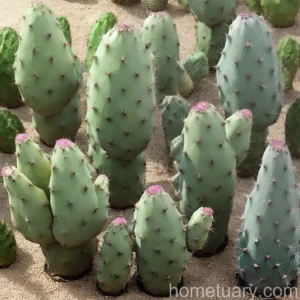
Opuntia humifusa belongs to the family Cactaceae and is native to North America, particularly the eastern parts of the United States. Commonly referred to as the Eastern Prickly Pear, this species is known for its distinctive flattened pads or cladodes and colorful, showy flowers. It is a resilient and drought-tolerant plant, making it well-suited for arid and semi-arid environments.
With its unique characteristics and adaptability, Opuntia humifusa has garnered attention not only from horticulturists but also from conservationists and landscape designers. Its ornamental value, wildlife benefits, and culinary uses make it a versatile addition to gardens, landscapes, and natural habitats.
Throughout this guide, we’ll delve into various aspects of Opuntia humifusa, ranging from its cultural requirements to its ecological and horticultural significance. Let’s jump in and explore the captivating world of the Eastern Prickly Pear!
Key Takeaways – Opuntia humifusa (Eastern Prickly Pear)
Before we delve into the specifics of Opuntia humifusa care and cultivation, let’s outline some key takeaways about this intriguing plant.
Culture
- Resilient and adaptable to various environmental conditions
- Drought-tolerant and well-suited for arid landscapes
- Symbolizes endurance and strength
Uses
- Ornamental value in gardens and landscapes
- Edible fruit with culinary applications
- Wildlife host plant and ecological significance
Growth Requirements
- Thrives in well-drained, sandy or rocky soil
- Prefers full sunlight and warm climates
- Minimal water and low-fertilization needs
Common Diseases and Pests
- Susceptible to fungal diseases in overly wet conditions
- Prone to infestation by scale insects and aphids
- Pruning and maintenance can mitigate pest and disease issues
Propagation
- Propagated through seeds or stem cuttings
- Offers opportunities for expanding plant populations
- Ideal for horticultural and ecological restoration projects
The Eastern Prickly Pear’s diverse uses, growth characteristics, and ecological roles make it a compelling subject for plant enthusiasts and environmental stewards alike. Now, let’s explore each of these aspects in greater detail.
Opuntia humifusa Cultural Requirements
Water
Opuntia humifusa is exceptionally well-adapted to drought conditions, making it a low-maintenance plant in terms of water requirements. Its water-storing pads enable it to withstand prolonged dry spells, and as such, it generally thrives in well-drained, dry to moderately moist soils. While it can tolerate occasional watering during prolonged droughts, it is crucial to avoid overwatering, as this can lead to root rot and other moisture-related issues.
In regions with high rainfall or poorly-drained soils, it’s essential to ensure proper drainage by planting Opuntia humifusa in elevated, well-draining areas or in containers with drainage holes. This species’ remarkable water resilience makes it a valuable addition to xeriscapes, rock gardens, and other arid garden designs.
Eastern Prickly Pear NLP Keywords: Opuntia humifusa water requirements, Prickly Pear plant drought tolerance, Eastern Prickly Pear climate preferences.
Sunlight
One of the most crucial factors for the successful cultivation of Opuntia humifusa is sunlight. As a sun-loving plant, it thrives in full sunlight and will produce the best growth and flowering display in locations with ample direct sunlight. Inadequate sunlight can lead to weakened growth, elongated stems, and reduced flowering.
In areas with limited sunlight, such as northern regions or shaded landscapes, it’s essential to position Opuntia humifusa in the sunniest spots available. Additionally, in cooler climates, providing a warm microclimate, such as against a south-facing wall or under a protective overhang, can support optimal growth and flowering.
Eastern Prickly Pear NLP Keywords: Opuntia humifusa sun exposure, Prickly Pear plant growth requirements, Eastern Prickly Pear microclimates.
Fertilizer
Opuntia humifusa’s minimal fertilization requirements are reflective of its native habitats, where nutrient-poor, rocky soils prevail. While it can benefit from an occasional application of a balanced, low-nitrogen fertilizer during the growing season, excessive fertilization should be avoided. High-nitrogen fertilizers can promote excessive vegetative growth and compromise the plant’s natural appearance.
Applying a low-dose, slow-release fertilizer in early spring can support healthy growth and flowering. However, it is essential to monitor the plant’s response to fertilizer and adjust the frequency and dosage as needed based on its growth patterns.
Eastern Prickly Pear NLP Keywords: Opuntia humifusa fertilizer, Prickly Pear cactus care, Opuntia humifusa growth requirements.
Soil
Opuntia humifusa demonstrates a preference for well-drained, sandy, or rocky soils, mirroring its native habitat. These soil conditions support the plant’s natural water retention and aeration needs, thereby promoting healthy growth and preventing issues associated with waterlogged or compacted soils.
When cultivating Opuntia humifusa in garden beds, incorporating sand, gravel, or porous materials into the soil can enhance drainage and mimic its natural habitat. For container cultivation, a cactus or succulent potting mix, amended with coarse sand or perlite, is suitable for meeting the plant’s soil requirements.
Eastern Prickly Pear NLP Keywords: Opuntia humifusa soil preferences, Prickly Pear plant habitat, Eastern Prickly Pear soil requirements.
Pruning
Pruning Opuntia humifusa is primarily performed for maintenance and ornamental purposes. Removal of dead or damaged pads, particularly after harsh winters, helps maintain the plant’s aesthetic appeal and health. Additionally, thinning out overcrowded pads can enhance air circulation and reduce the risk of disease.
When pruning Opuntia humifusa, it’s essential to wear sturdy gloves to protect against the plant’s spines. Using sharp, clean pruning shears, selectively remove unwanted pads or segments at their joints, taking care to avoid contact with the plant’s spines.
Eastern Prickly Pear NLP Keywords: Prickly Pear plant pruning techniques, Opuntia humifusa landscape maintenance, Eastern Prickly Pear spine removal techniques.
Propagation of Opuntia humifusa
Seed Propagation
Propagation of Opuntia humifusa can be achieved through seeds, providing an opportunity to expand plant populations and genetic diversity. The germination process typically involves scarifying the seeds to break their hard outer coating and then sowing them in well-draining, sandy soil. The seeds should be kept lightly moist but not waterlogged until germination occurs, which may take several weeks.
Seed propagation offers a cost-effective means of producing new plants, making it popular among horticulturists, conservationists, and restoration practitioners. It also facilitates genetic preservation and the introduction of new plant lines into cultivated and natural landscapes.
Stem Cutting Propagation
Opuntia humifusa can also be propagated through stem cuttings, a method favored for its efficiency and predictability. By carefully selecting healthy, mature pads and allowing the cut ends to callous for a few days, these segments can be planted directly in suitable soil or potting mix for rooting.
Stem cutting propagation enables growers to replicate desired plant traits more accurately than seed propagation, making it a preferred method for preserving specific genetic characteristics or traits. Additionally, this method offers a more rapid establishment of new plants compared to seed propagation.
Eastern Prickly Pear NLP Keywords: Opuntia humifusa propagation, Eastern Prickly Pear propagation methods, Prickly Pear plant seed germination.
Container Care for Opuntia humifusa
Cultivating Opuntia humifusa in containers can be an attractive option for gardeners with limited space or for those seeking to showcase its unique characteristics in a controlled setting. Container gardening allows for greater flexibility in managing the plant’s cultural requirements and can be particularly beneficial in regions with challenging climates or soil conditions.
When selecting a container for Opuntia humifusa, choose a well-draining pot with ample drainage holes to prevent water accumulation. A cactus or succulent potting mix, possibly amended with additional coarse materials such as sand or perlite, suits the plant’s soil preferences. It’s also advisable to position the container in a sunny, sheltered location to promote robust growth and flowering.
Regular monitoring of the container’s moisture levels and avoiding waterlogging are essential for the plant’s well-being. During winter months, if the plant is in a cold or wet climate, providing protection or moving it to a sheltered location can prevent cold damage and excessive moisture.
Eastern Prickly Pear NLP Keywords: Prickly Pear plant container gardening, Eastern Prickly Pear container care, Opuntia humifusa winter care.
Opuntia humifusa Popularity and Common Diseases
Popularity
Opuntia humifusa has gained popularity among gardeners, landscape designers, and conservationists due to its unique combination of ornamental value, wildlife benefits, and cultural significance. Its distinctive padded form, striking flowers, and minimal maintenance requirements have elevated its status as a sought-after plant, particularly in regions with arid or semi-arid climates.
As an iconic species representing resilience and adaptability, the Eastern Prickly Pear is increasingly featured in xeriscapes, native plant gardens, and natural landscaping projects. Its ecological significance as a wildlife host plant further contributes to its popularity among eco-conscious gardeners and conservation initiatives.
Common Diseases
While Opuntia humifusa is generally robust and disease-resistant when grown in suitable conditions, it can be susceptible to certain fungal diseases, particularly in overly wet or humid environments. The most common fungal issues affecting this species include anthracnose, botrytis, and powdery mildew.
Proper cultural practices, including well-draining soil, adequate sunlight, and minimal watering, are crucial in preventing these fungal diseases. Additionally, promoting good air circulation around the plant and maintaining a clean, debris-free garden bed or landscape can minimize the risk of fungal infections.
Eastern Prickly Pear NLP Keywords: Opuntia humifusa gardening tips, Eastern Prickly Pear landscape design, Prickly Pear plant common diseases.
Disease Diagnosis
Diagnosing diseases in Opuntia humifusa involves careful observation of the plant’s symptoms, such as spots on the pads, discoloration, or unusual growth patterns. In cases of suspected fungal infections, it’s advisable to seek assistance from local extension services, plant clinics, or horticultural experts to accurately identify the specific disease and recommend appropriate treatment measures.
Prompt detection and intervention are essential in managing any potential disease outbreaks and preserving the plant’s health. By understanding the symptoms and implementing targeted management practices, growers can mitigate the impact of diseases and maintain their Opuntia humifusa specimens in optimal condition.
Opuntia humifusa: Common Pests and Botanist’s Tips
Common Pests
Opuntia humifusa is susceptible to infestation by various pests, with scale insects and aphids being among the most prevalent. These pests can cause damage to the plant by feeding on its sap, leading to weakened growth, disfigured pads, and reduced vitality. Inspecting the plant regularly for signs of pest activity and promptly addressing any infestations is crucial for maintaining its overall health and resilience.
In managing pest issues, non-toxic control methods such as physical removal of pests, the application of horticultural oils, or the introduction of beneficial predatory insects can be effective strategies. Additionally, promoting a balanced ecosystem in the garden that supports natural pest control can aid in minimizing pest populations and their impact on Opuntia humifusa.
Botanist’s Tips
As a plant scientist, I recommend the following tips for the successful care and cultivation of Opuntia humifusa:
-
Site Selection: Choose a well-drained, sunny location for planting Opuntia humifusa to ensure optimal growth and flowering.
-
Minimal Watering: Avoid overwatering and provide occasional, deep watering during extended dry periods, ensuring the soil dries out between waterings.
-
Soil Improvement: Amend heavy soils with sand, gravel, or other porous materials to enhance drainage and mimic the plant’s natural habitat.
-
Pest Vigilance: Regularly inspect the plant for signs of pest activity, addressing any infestations promptly to mitigate damage.
-
Conservation Value: Consider incorporating Opuntia humifusa into ecological restoration projects, wildlife gardens, or habitat preservation initiatives to support its conservation and ecological significance.
With the implementation of these tips and best practices, individuals can foster healthy and resilient populations of Opuntia humifusa while promoting its ecological roles and ornamental value.
Eastern Prickly Pear NLP Keywords: Opuntia humifusa gardening tips, Prickly Pear plant wildlife garden, Eastern Prickly Pear conservation status.
Fun Facts about Opuntia humifusa
Now that we’ve explored the essential aspects of Opuntia humifusa, let’s delve into some fascinating and lesser-known facts about this captivating plant:
-
Edible Fruit: Opuntia humifusa produces vibrant, edible fruits known as prickly pears, which have a sweet and flavorful flesh. These fruits are not only enjoyed by humans but also serve as a food source for wildlife.
-
Cultural Symbolism: The Eastern Prickly Pear is considered a symbol of endurance and resilience due to its ability to thrive in harsh environments. It has been used as a symbol of strength and determination in various cultural contexts.
-
Wildlife Habitat: Beyond its ornamental value, Opuntia humifusa plays a vital role in supporting wildlife, providing shelter, food, and nesting sites for various animals, including birds and insects.
-
Medicinal Uses: Historically, various parts of the Eastern Prickly Pear, including its pads and fruits, have been utilized in traditional medicine for their purported healing properties.
By discovering these intriguing facets of Opuntia humifusa, we gain a deeper appreciation for its contributions to human culture, ecological communities, and horticultural landscapes.
References
To further enrich your knowledge of Opuntia humifusa and explore additional resources, the following links provide valuable information and insights:
- The Botanical Society of America – Opuntia humifusa: Link
- The United States Department of Agriculture PLANTS Database – Opuntia humifusa: Link
- The Lady Bird Johnson Wildflower Center – Native Plant Database: Link
With these resources, you can delve deeper into the botanical, cultural, and ecological aspects of Opuntia humifusa, gaining a comprehensive understanding of its significance and value.
In conclusion, Opuntia humifusa, the Eastern Prickly Pear, encompasses a remarkable fusion of ornamental appeal, ecological utility, and cultural significance. Its adaptable nature, striking visual presence, and diverse uses make it a plant of great intrigue and value to horticulturists, conservationists, and plant enthusiasts. By embracing its remarkable traits and fostering its conservation, we can continue to appreciate and benefit from the enduring contributions of Opuntia humifusa in our gardens, landscapes, and natural ecosystems.