Paeonia lactiflora ‘Bride’s Dream’ (Peony): A Complete Guide
Paeonia lactiflora ‘Bride’s Dream,’ commonly known as peony, is a stunning perennial plant that has been a favorite among gardeners for centuries. Its large, fragrant flowers and lush foliage make it a delightful addition to any garden or landscape. In this comprehensive guide, we will delve into the various aspects of cultivating and caring for Paeonia lactiflora ‘Bride’s Dream,’ from its cultural requirements to its uses, maintenance, and common pests and diseases. Whether you are a seasoned gardener or just starting with your green thumb, this guide will equip you with the knowledge to ensure the successful growth of this beautiful plant.
What is Paeonia lactiflora ‘Bride’s Dream’ (Peony)?
Paeonia lactiflora, commonly referred to as the Chinese peony, is a herbaceous perennial species of flowering plant in the family Paeoniaceae. It is native to central and eastern Asia, particularly China, where it has been cultivated for over 2,000 years. Paeonia lactiflora is known for its large, showy, and often fragrant flowers, and it is widely prized for its ornamental value.
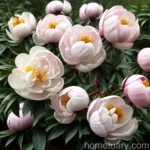
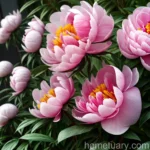
The ‘Bride’s Dream’ cultivar is a particularly beloved variety of Paeonia lactiflora, characterized by its delicate, creamy white petals and lush, dark green foliage. Its blooms are truly a sight to behold, making it a popular choice for gardeners and flower enthusiasts alike.
Key Takeaways – Paeonia lactiflora ‘Bride’s Dream’ (Peony)
Before delving into the details of cultivation and care, let’s summarize the key takeaways associated with Paeonia lactiflora ‘Bride’s Dream’:
- Scientific Name: Paeonia lactiflora ‘Bride’s Dream’
- Common Name: Peony
- Family: Paeoniaceae
- Native Habitat: Central and eastern Asia, particularly China
- Characteristics: Large, fragrant, creamy white flowers with lush, dark green foliage
- Cultivar Popularity: Widely cherished for its ornamental value and aesthetic appeal
- Uses: Popular in gardens, landscapes, and as cut flowers
- Maintenance: Requires attention to watering, sunlight, soil conditions, and pest and disease management.
Culture
Cultivating Paeonia lactiflora ‘Bride’s Dream’ requires an understanding of its specific cultural requirements to ensure optimal growth and flourishing blooms. Here are the primary factors to consider when it comes to the culture of this stunning peony variety:
Uses
Paeonia lactiflora ‘Bride’s Dream’ is versatile in its uses and can be employed in various horticultural and decorative applications. Here are some common uses of this delightful peony cultivar:
- Garden Ornamental: The elegant blooms make ‘Bride’s Dream’ an excellent choice for adding visual interest and charisma to garden landscapes.
- Cut Flowers: The large, fragrant flowers are often used in floral arrangements and bouquets, bringing an element of grace and beauty to indoor spaces.
- Medicinal Purposes: Historically, peonies have been used in traditional medicine for their potential health benefits. While ‘Bride’s Dream’ is primarily cultivated for its ornamental value, its medicinal uses have been documented in traditional healing practices.
Water
Proper watering is essential for the health and vitality of Paeonia lactiflora ‘Bride’s Dream.’ While peonies are generally considered to be drought-tolerant once established, consistent moisture is crucial, particularly during the growing season and in the initial stages of establishment. Here are some key points to consider:
- Established Plants: Once the plant is well-established, it can tolerate drier conditions, but regular watering can still be beneficial during extended dry periods, especially in regions with hot summers.
- Newly Planted Peonies: Adequate watering is critical during the first growing season to facilitate robust root development and overall plant establishment.
- Watering Methods: Deep, thorough watering is preferable to frequent shallow watering, as it encourages the development of deep, resilient roots.
Sunlight
Proper sunlight exposure is vital for the growth and abundant flowering of Paeonia lactiflora ‘Bride’s Dream.’ Understanding the sunlight requirements will ensure that the plant thrives in its designated location. Here are some key considerations:
- Full Sun: ‘Bride’s Dream’ peonies typically thrive in full sun, defined as at least six hours of direct sunlight per day. In regions with hot summers, some afternoon shade can be beneficial to prevent stress from excessive heat.
- Partial Sun: While peonies prefer full sun, they can tolerate partial shade, particularly in warmer climates, as long as they still receive several hours of direct sunlight each day.
Fertilizer
Providing appropriate nutrients to Paeonia lactiflora ‘Bride’s Dream’ is essential for promoting healthy growth and prolific flowering. Fertilizing practices should be tailored to the specific requirements of peonies to optimize their overall vigor and bloom production. Consider the following guidelines:
- Timing: Fertilize peonies in early spring or late fall to ensure that they have access to essential nutrients during their active growth phases.
- Type of Fertilizer: A balanced, slow-release fertilizer formulated for flowering perennials is ideal for peonies. Look for a formulation with equal parts nitrogen, phosphorus, and potassium, such as 10-10-10.
- Application: Apply the fertilizer around the base of the plant, taking care to avoid direct contact with the stems or foliage. Water the area thoroughly after fertilization to facilitate nutrient absorption.
Soil
The soil composition and quality play a significant role in the health and performance of Paeonia lactiflora ‘Bride’s Dream.’ Understanding the ideal soil conditions will enable you to create an optimum growing environment for your peonies. Consider the following soil-related factors:
- Well-Draining Soil: Peonies thrive in rich, well-draining soil that allows excess moisture to percolate away from the roots. Heavy or poorly draining soils can lead to root rot and other detrimental conditions.
- Soil Amendments: Incorporating organic matter, such as compost or well-rotted manure, into the soil can improve its structure and nutrient content, creating an ideal growing medium for peonies.
- Soil pH: Peonies prefer slightly acidic to neutral soil, with a pH range of 6.5 to 7.0. Conduct a soil test to gauge the pH of your soil and make amendments as necessary to achieve the optimal range.
Pruning
Pruning is a crucial aspect of peony maintenance, contributing to improved plant health, vigorous growth, and enhanced flowering. Proper pruning techniques can help rejuvenate the plant and shape its overall form. Here are key considerations for pruning Paeonia lactiflora ‘Bride’s Dream’:
- Pruning Time: Prune peonies in late fall or early spring, once the foliage has died back or before new growth emerges.
- Deadheading: Remove spent blooms promptly to prevent seed formation and encourage the development of new buds. Deadheading also contributes to a tidier appearance and redirects the plant’s energy towards new growth.
- Cutting Back: Trimming back old, discolored foliage can help prevent the spread of diseases and enhance the overall appearance of the plant. Dispose of the pruned foliage to avoid potential disease transmission.
Propagation
For enthusiasts looking to expand their collection of Paeonia lactiflora ‘Bride’s Dream’ or share the beauty of this cultivar with others, propagation methods such as division and seed sowing can be employed. Here’s an overview of the primary propagation techniques:
- Division: Divide mature peony plants in early fall when they are dormant. Carefully separate the roots and stems, ensuring that each division has viable buds for new growth. Replant the divisions at the appropriate depth, taking care not to bury the buds too deeply.
- Seed Sowing: While viable seeds can be harvested from peony plants, it’s important to note that growing peonies from seed is a long and patient process, often taking several years for the seedlings to reach maturity and begin flowering.
Container Popularity
The compact growth habit and stunning floral display of Paeonia lactiflora ‘Bride’s Dream’ make it an attractive candidate for container gardening. When grown in containers, these peonies can grace patios, balconies, and other outdoor spaces with their elegance. Consider the following factors when growing ‘Bride’s Dream’ peonies in containers:
- Container Size: Select a spacious container that allows ample room for the peony’s root system to develop. A depth of at least 12 to 18 inches and a diameter of 18 to 24 inches are recommended for accommodating the plant’s growth.
- Well-Draining Soil Mix: Use a high-quality, well-draining potting mix to ensure proper aeration and moisture control. Consider adding perlite or coarse sand to improve the soil’s drainage properties.
- Watering Needs: Container-grown peonies may require more frequent watering, particularly during hot, dry periods. Monitor the soil moisture regularly and adjust your watering schedule as needed to keep the soil evenly moist, but not waterlogged.
Common Diseases
Like many ornamental plants, peonies are susceptible to certain diseases that can impact their overall health and vitality. Understanding these common diseases and their associated symptoms is crucial for timely intervention and effective management. Here are some prevalent diseases that can affect Paeonia lactiflora ‘Bride’s Dream’:
- Botrytis Blight: Also known as gray mold, botrytis blight can cause browning and wilting of foliage, as well as the development of fuzzy gray mold on affected plant parts. Good air circulation and reducing leaf wetness can help prevent this disease.
- Powdery Mildew: Powdery mildew presents as a white, powdery growth on the leaves and stems of the plant. Adequate spacing, proper air circulation, and removing affected foliage can aid in mildew management.
- Leaf Spot: Leaf spot diseases result in dark, irregular lesions on the foliage, potentially leading to premature leaf drop. Practicing good sanitation and avoiding overhead watering can minimize the risk of leaf spot infections.
Disease Diagnosis
When diagnosing potential diseases in Paeonia lactiflora ‘Bride’s Dream,’ it’s essential to closely examine the plant and its symptoms to determine the underlying issue. Here are some steps to guide the diagnostic process for common peony diseases:
- Visual Inspection: Carefully observe the foliage, stems, and flowers for any abnormalities, such as discoloration, wilting, or unusual growths.
- Symptom Comparison: Compare the observed symptoms with known indicators of common peony diseases to identify potential matches.
- Environmental Factors: Consider the prevailing environmental conditions, such as excessive moisture, poor air circulation, or high humidity, that may contribute to disease development.
Common Pests
In addition to diseases, Paeonia lactiflora ‘Bride’s Dream’ can also face challenges from various pest species that target the plant for feeding and reproduction. Understanding these common pests and their associated symptoms is crucial for implementing effective pest management strategies. Here are some of the primary pests that may affect ‘Bride’s Dream’ peonies:
- Spider Mites: These tiny arachnids can infest peony plants, causing stippling or discoloration of the foliage. They may spin fine webbing on the undersides of the leaves.
- Peony Gall Midge: The larvae of this midge species feed on peony foliage, causing distortion and gall formation on the leaves.
- Nematodes: Root-feeding nematodes can impact the health and vigor of peonies, leading to stunted growth and decline.
Botanist’s Tips
For successful cultivation and care of Paeonia lactiflora ‘Bride’s Dream,’ it’s valuable to incorporate insights and tips from experienced botanists and horticulturists. Here are some expert recommendations for optimizing the growth and wellness of ‘Bride’s Dream’ peonies:
- Mulching: Apply a layer of organic mulch around the base of the plant to conserve soil moisture, suppress weed growth, and regulate soil temperature. Keep the mulch several inches away from the stems to prevent potential moisture-related issues.
- Supporting Blooms: The weight of the large flowers can sometimes cause the stems to bend or even break. Providing support, such as discreet stakes or hoops, can help uphold the floral display and prevent damage.
- Monitoring for Diseases and Pests: Regularly inspect your peonies for signs of diseases and pest activity, especially during periods of favorable conditions for their development. Early detection can facilitate prompt intervention and management.
Fun Facts
To add an element of intrigue and fascination to your understanding of Paeonia lactiflora ‘Bride’s Dream,’ here are some captivating and little-known facts about this remarkable plant:
- Cultural Significance: Peonies have been deeply revered in Chinese culture for millennia and are often associated with wealth, honor, and prosperity. They are considered the “king of flowers” and are prominently featured in art, literature, and celebrations.
- Longevity: When cared for properly, peonies can live for decades, with some plants persisting for over 100 years. These enduring perennials have been passed down through generations in many horticultural traditions.
- Botanical Family: Paeonia lactiflora belongs to the family Paeoniaceae, which is relatively small, consisting of only one genus, Paeonia, with approximately 35 recognized species.
Links to External Resources
For further exploration and in-depth information on cultivating and caring for Paeonia lactiflora ‘Bride’s Dream’ peonies, consider the following external resources:
- The American Peony Society: A comprehensive organization dedicated to advancing the knowledge and appreciation of peonies, offering valuable resources and educational materials.
- Royal Horticultural Society – Growing Herbaceous Peonies: The Royal Horticultural Society provides detailed guidance on growing herbaceous peonies, including cultivation techniques and plant care.
- University of Missouri Extension – Peonies: A practical guide to peony selection, planting, maintenance, and pest management, offered by the University of Missouri Extension.
In this informative guide, we’ve covered the essential aspects of cultivating and caring for Paeonia lactiflora ‘Bride’s Dream,’ from its cultural requirements to its uses, maintenance, and common pests and diseases. With this knowledge in hand, you are well-equipped to embark on a fulfilling journey of growing and appreciating the beauty of ‘Bride’s Dream’ peonies in your garden or landscape.
Whether you’re a seasoned gardener or a newcomer to the world of plant cultivation, ‘Bride’s Dream’ peonies offer a wealth of natural beauty and horticultural charm, enriching outdoor spaces with their captivating blooms and enduring grace.
Remember, the care and attention you invest in cultivating Paeonia lactiflora ‘Bride’s Dream’ will be rewarded with a lavish display of exquisite flowers, making it a true centerpiece of your horticultural endeavors.
Happy gardening!