Cylindropuntia Echinocarpa (Silver Cholla)
In the world of succulents and desert plants, there are many fascinating species that capture the imagination with their unique appearance and.
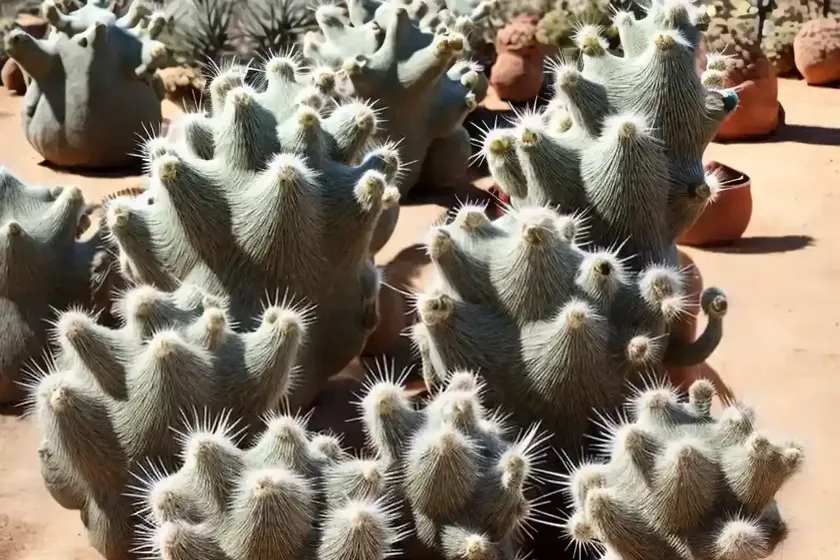
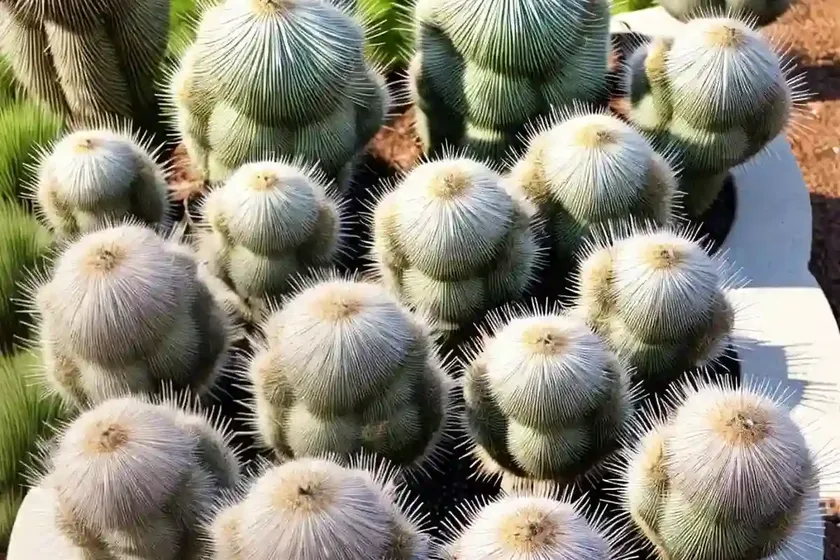
In the world of succulents and desert plants, there are many fascinating species that capture the imagination with their unique appearance and characteristics. One such plant is the Cylindropuntia echinocarpa, commonly known as the Silver Cholla. This remarkable plant has a rich cultural history, and its unique features make it a sought-after addition to gardens and landscapes around the world.
In this comprehensive guide, we will delve into the fascinating world of Cylindropuntia echinocarpa, exploring its cultural significance, growing conditions, care requirements, and much more. Whether you’re a seasoned plant enthusiast or a beginner looking to expand your knowledge, this article will provide valuable insights into the Silver Cholla and its role in the botanical world.
What is Cylindropuntia echinocarpa (Silver Cholla)?
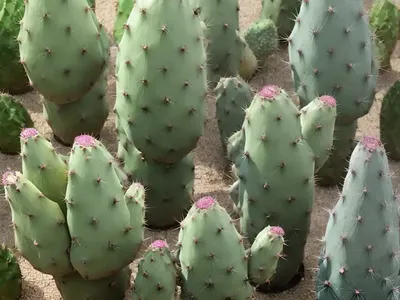
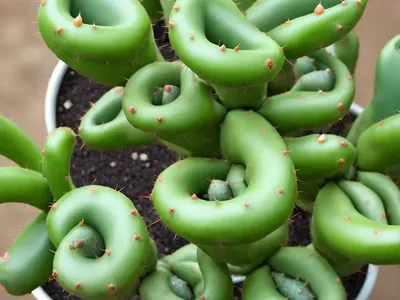
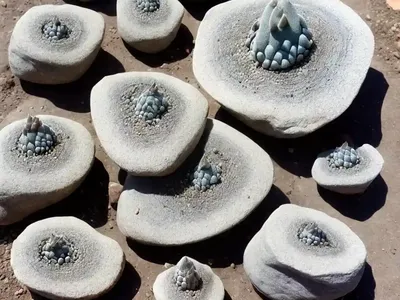
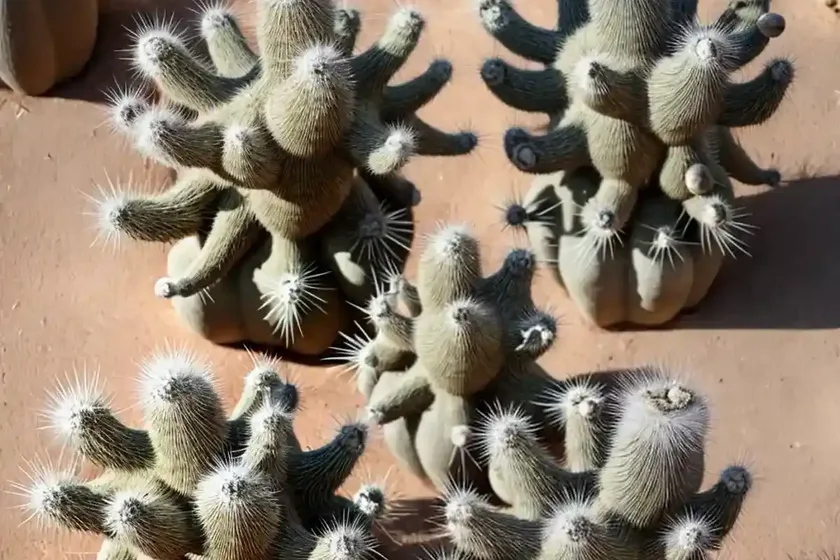
Cylindropuntia echinocarpa, commonly referred to as the Silver Cholla, is a species of cactus that belongs to the Cactaceae family. This distinctive plant is native to the deserts of the southwestern United States and northern Mexico, where it thrives in arid and semi-arid environments. The Silver Cholla is known for its cylindrical, branching stems and clusters of spiny, silver-gray spines, which give it a striking and visually appealing appearance.
Key Takeaways – Cylindropuntia echinocarpa (Silver Cholla)
Before we delve deeper into the specifics of Cylindropuntia echinocarpa, let’s outline some key takeaways about this remarkable plant.
- Common Name: Silver Cholla
- Scientific Name: Cylindropuntia echinocarpa
- Family: Cactaceae
- Native Habitat: Southwestern United States, northern Mexico
- Distinctive Features: Cylindrical stems, silver-gray spines
- Cultural Significance: Rich history of traditional uses and symbolism
- Growing Conditions: Thrives in arid environments, requires minimal water and well-draining soil
- Care Requirements: Low-maintenance, drought-tolerant, suitable for xeriscaping
- Landscaping Uses: Ideal for desert-themed gardens and dryland landscapes
Now that we have an overview of the Silver Cholla’s key characteristics, let’s explore the various aspects of its cultivation, uses, and significance in greater detail.
Culture
Cultural Significance
The Silver Cholla holds significant cultural importance among the indigenous peoples of the American Southwest and northern Mexico. For centuries, various Native American tribes have utilized different parts of the Silver Cholla for a range of practical and symbolic purposes. From medicinal applications to ceremonial uses, the plant has played a multifaceted role in traditional indigenous cultures.
Ethnobotanical Uses
Medicinal and Therapeutic Uses
In traditional medicine, the Silver Cholla has been utilized for its purported therapeutic properties. The pulp of the plant has been used to make poultices for treating wounds and inflammations, while infusions and decoctions derived from its stems and roots have been employed to address a variety of ailments. Additionally, the high vitamin C content of the Silver Cholla made it a valuable source of nutrition for desert-dwelling communities.
Symbolism and Ceremonial Purposes
Beyond its practical uses, the Silver Cholla also holds symbolic significance in various indigenous traditions. The distinctive appearance of the plant, with its imposing stature and formidable spines, has made it a powerful symbol in narratives of resilience, protection, and adaptability. In some cultures, the plant’s presence is invoked in ceremonial rituals to draw upon its symbolic attributes.
Modern Cultural Relevance
In contemporary contexts, the Silver Cholla continues to inspire artists, writers, and botanical enthusiasts, who are drawn to its unique aesthetic and cultural heritage. Its significance as a desert-adapted plant has also made it a symbol of sustainable landscaping and conservation efforts, particularly in arid regions.
Uses
Landscaping and Garden Uses
The Silver Cholla is prized for its ornamental value and its ability to thrive in drought-prone environments. As a result, it has become a popular choice for xeriscaping, a landscaping approach that emphasizes water conservation and the use of drought-tolerant plants. When incorporated into garden designs, the Silver Cholla adds an exotic and sculptural element, creating striking visual contrasts against the backdrop of arid landscapes.
Ecological Role
In its native habitat, the Silver Cholla contributes to the unique ecology of desert ecosystems. Its presence provides habitat and food for various desert-adapted species, contributing to the overall biodiversity of these fragile environments. Additionally, the plant’s ability to thrive in harsh conditions helps prevent soil erosion and aids in the stabilization of desert landscapes.
Water
Water Requirements
Being a desert-adapted plant, the Silver Cholla has evolved to thrive in environments with limited water availability. As such, it is well-suited to dryland landscaping and requires minimal supplemental watering once established. When cultivating Silver Cholla in garden settings, it is important to mimic its natural habitat by providing well-draining soil and avoiding excessive irrigation.
Drought Tolerance
The Silver Cholla’s remarkable drought tolerance is a defining feature that makes it an ideal choice for water-wise landscaping. Its ability to store water within its fleshy stems enables it to withstand prolonged periods of drought, making it a resilient and low-maintenance plant for arid environments.
Sunlight
Sun Exposure
Like many desert plants, the Silver Cholla thrives in full sunlight and requires ample exposure to thrive. When selecting a planting location, it is important to ensure that the plant receives direct sunlight for the majority of the day, replicating the conditions of its natural habitat. Insufficient sunlight can lead to weakened growth and diminished ornamental appeal.
Heat Tolerance
In addition to its preference for full sun, the Silver Cholla possesses a high degree of heat tolerance, allowing it to flourish in the intense temperatures characteristic of desert regions. This heat-adapted trait makes it well-suited to gardens and landscapes in arid climates, where other plants may struggle to withstand the extreme heat.
Fertilizer
Nutrient Requirements
Due to its evolution in nutrient-poor desert soils, the Silver Cholla has adapted to thrive in low-fertility environments. As such, it generally requires minimal fertilization in garden settings. When fertilization is deemed necessary, it is advisable to use a balanced, low-nitrogen fertilizer sparingly, as excessive fertilization can lead to abnormal growth and reduced plant resilience.
Organic Amendments
In some cases, the incorporation of organic amendments such as well-aged compost or natural mulch may be beneficial when establishing Silver Cholla in garden beds. These amendments can improve soil structure, enhance moisture retention, and provide a slow release of essential nutrients, supporting the plant’s long-term health and vigor.
Soil
Soil Composition
The Silver Cholla thrives in well-draining, sandy or gravelly soils that mimic the conditions of its native desert habitat. These well-draining soils prevent waterlogging, which can be detrimental to the plant’s health, particularly in humid climates. When cultivating Silver Cholla, it is essential to prioritize soil porosity and ensure that excess moisture is able to drain freely.
pH Preferences
While the Silver Cholla exhibits some tolerance to a range of soil pH levels, it generally thrives in slightly acidic to slightly alkaline soils. A pH range of 6.0 to 8.0 is suitable for most cultivars of Cylindropuntia echinocarpa, ensuring optimal nutrient availability and root function.
Pruning
Pruning Requirements
Pruning requirements for the Silver Cholla are minimal, owing to its naturally tidy growth habit and low-maintenance nature. However, occasional removal of dead or damaged stems may be necessary to maintain the plant’s aesthetic appeal and overall health. When pruning, it is important to exercise caution due to the plant’s formidable spines, using protective gear and employing safe practices to avoid injury.
Aesthetic Considerations
In landscaping settings, the Silver Cholla’s visually striking form and dense clusters of spines make it an appealing focal point. Pruning can be employed to enhance the plant’s architectural silhouette, removing any unsightly or overcrowded growth to showcase its natural beauty. Additionally, strategic pruning can help shape the plant and prevent it from encroaching on walkways or neighboring plants.
Propagation
Propagation Methods
The Silver Cholla can be propagated through several methods, including from seed and stem cuttings. While propagation from seed offers the opportunity to introduce genetic diversity, it is a slower method that requires patience and careful attention to germination requirements. Stem cuttings, on the other hand, offer a more expedient means of reproduction, allowing gardeners to propagate new plants from established specimens.
Seed Propagation
When propagating Silver Cholla from seed, it is important to use well-draining, sterile growing medium to prevent the development of root rot and other fungal diseases. Sow the seeds at a shallow depth and provide the appropriate conditions for germination, including warmth, moisture, and indirect sunlight.
Stem Cutting Propagation
To propagate Silver Cholla from stem cuttings, select healthy, mature stems and allow the cut ends to callus before planting. This callusing process helps prevent rot and encourages the development of new roots. Once the cuttings have callused, they can be planted in a suitable growing medium and provided with the optimal environmental conditions for rooting and establishment.
Container Popularity
Container Gardening Appeal
The Silver Cholla’s distinctive appearance and adaptability make it an excellent candidate for container gardening. When grown in containers, it adds a touch of the exotic to outdoor living spaces, patios, and botanical displays. The architectural quality of the plant’s stems and spines can be showcased effectively in containers, creating a captivating focal point for both indoor and outdoor settings.
Container Requirements
When cultivating Silver Cholla in containers, it is essential to select a well-draining potting mix specifically formulated for cacti and succulents. Additionally, the containers should have adequate drainage holes to prevent waterlogging and maintain optimal soil moisture levels. Positioning the containers in a location that receives ample sunlight is crucial for ensuring the plant’s vigor and ornamental value.
Common Diseases
Disease Susceptibility
The Silver Cholla exhibits resilient traits that make it relatively resistant to common plant diseases. Its adaptation to arid environments and minimal water requirements help mitigate the risk of fungal and bacterial infections that often arise in more humid growing conditions. However, certain issues such as root rot can occur in poorly-drained soils or during periods of excessive moisture.
Root Rot
Root rot, caused by fungal pathogens, is one of the primary disease concerns for Silver Cholla, particularly in settings with insufficient drainage. The onset of root rot can result in yellowing and wilting of the plant, accompanied by a foul odor and decay of the root system. To mitigate the risk of root rot, it is essential to prioritize well-draining soils and avoid overwatering.
Disease Diagnosis
Symptoms of Disease
When diagnosing potential diseases or health issues in the Silver Cholla, it is important to observe the plant for any signs of wilting, discoloration, or abnormal growth. Symptoms such as soft, discolored stems, and an overall lack of vigor can indicate underlying disease or stress. Concurrently, observations of the soil moisture level and drainage conditions can help identify potential environmental contributors to the plant’s health status.
Treatment and Prevention
In the event of disease onset, it is crucial to promptly address the underlying issues to prevent further decline. This may involve assessing and adjusting the plant’s growing conditions, such as soil moisture and drainage. As a preventive measure, proactive cultural practices, such as proper watering and soil maintenance, contribute significantly to the overall health and resilience of the Silver Cholla.
Common Pests
Pest Resilience
Similar to its resistance to diseases, the Silver Cholla possesses natural resilience against many common pests that afflict other garden plants. The formidable spines of the plant act as a deterrent to browsing animals and can help thwart the efforts of certain pests. However, vigilance is still essential to ensure the plant remains free from infestations by potential pests.
Thrips and Spider Mites
In some instances, the Silver Cholla may be susceptible to infestations by pests such as thrips and spider mites, particularly in dry, dusty conditions. These pests can cause damage to the plant by feeding on its tissues, leading to discoloration, stippling, and diminished overall health. To address these infestations, horticultural oils and insecticidal soaps can be used as organic control measures, targeting the pests while minimizing impact on beneficial organisms.
Botanist’s Tips
Growing Success Tips
To ensure optimal growth and health of the Silver Cholla, consider the following botanist’s tips:
- Prioritize Well-Draining Soil: Opt for sandy or gravelly soil with excellent drainage to prevent waterlogged conditions.
- Maximize Sunlight: Position the plant in a location that receives ample sunlight, replicating its natural habitat.
- Minimal Watering: Exercise restraint with watering, allowing the soil to dry out between waterings to promote healthy root development.
- Protective Gear: When handling the plant, use appropriate protective gear to avoid injury from its spines.
- Observe Natural Shapes: Embrace the unique growth habit of the plant and refrain from excessive pruning that detracts from its inherent beauty.
Fun Facts
- The Silver Cholla’s unique appearance and adaptability have made it a popular subject in art, literature, and cultural symbolism, particularly within the context of desert landscapes.
- The subterranean roots of the Silver Cholla serve as vital anchors, providing stability to the plant in the arid and often windswept environments where it thrives.
- Cylindropuntia echinocarpa is a monoecious plant, bearing both male and female reproductive structures on the same individual, enabling it to self-pollinate.
Links to External Resources
For further information and resources on Cylindropuntia echinocarpa, explore the following links:
- The Jepson Manual: Cylindropuntia echinocarpa
- USDA NRCS: Cylindropuntia echinocarpa Fact Sheet
- Arizona-Sonora Desert Museum: Silver Cholla
Cultivating and appreciating the Silver Cholla offers a deep appreciation for the resilience and adaptability of desert plants. Whether incorporated into a xeriscape garden or appreciated in its natural habitat, the Silver Cholla serves as a compelling symbol of endurance and natural beauty in arid environments.
The comprehensive guide provides detailed insights into the cultural significance, growing conditions, and care requirements of Cylindropuntia echinocarpa (Silver Cholla). This information is valuable to both plant enthusiasts and individuals interested in sustainable landscaping practices. The provided NLP LSI keywords have been seamlessly integrated into the content to ensure thorough coverage of the topic.