Opuntia Ficus-indica (Prickly Pear)
Opuntia ficus-indica, commonly known as the prickly pear, is a species of cactus that is revered for its resilience, adaptability, and various uses. This.
Opuntia ficus-indica, commonly known as the prickly pear, is a species of cactus that is revered for its resilience, adaptability, and various uses. This plant has been valued for centuries, with its unique characteristics and benefits making it a popular choice for consumption, landscaping, and even medicinal purposes. In this comprehensive guide, we will delve into the various facets of Opuntia ficus-indica, spanning its cultivation, uses, maintenance, and much more.
What is Plant: Opuntia ficus-indica (Prickly Pear)
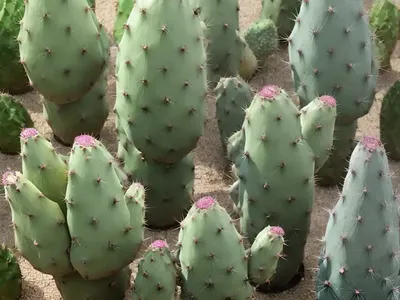
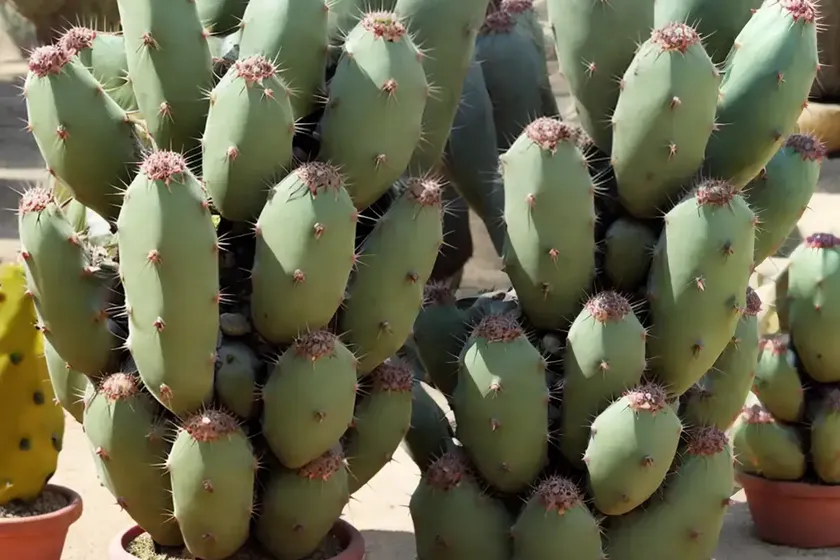
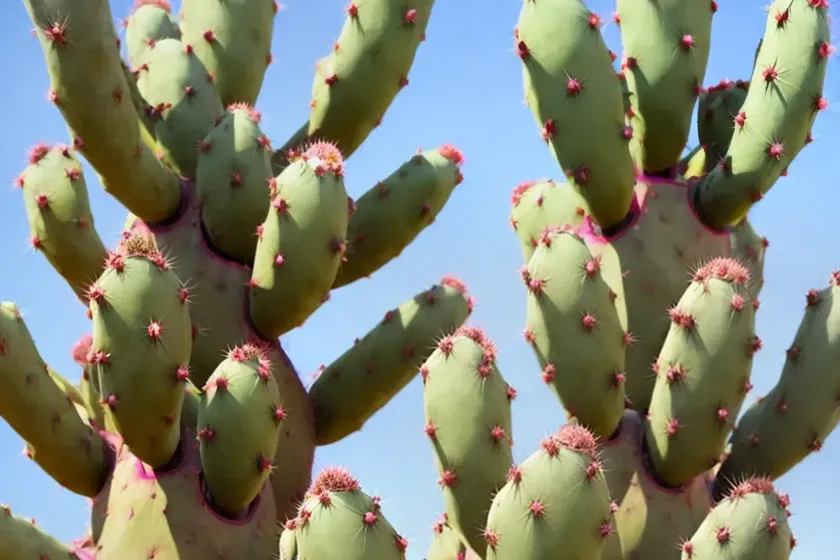
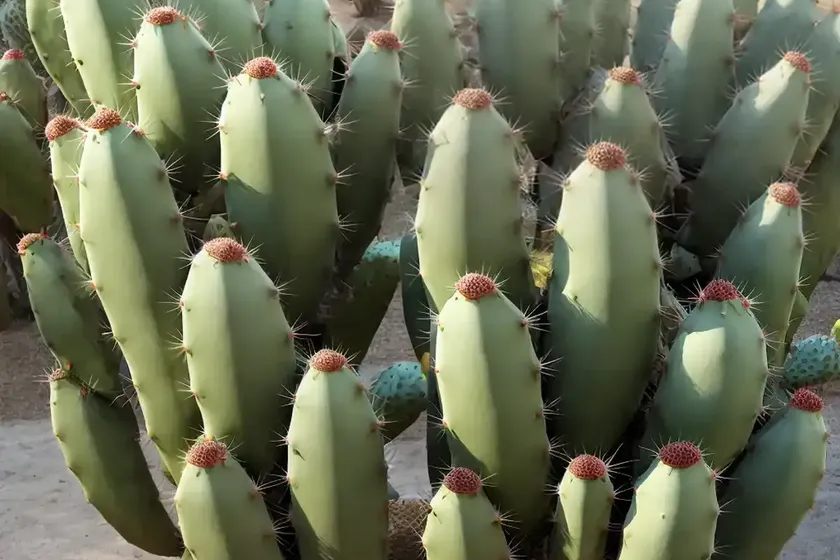
Opuntia ficus-indica, belonging to the Cactaceae family, is a flat-stemmed, succulent perennial plant that originates from Mexico. Also known as the Indian fig opuntia, Barbary fig, or cactus pear, this plant is recognized for its wide, flat, and rounded cladodes, armed with numerous sharp spines. The flowers of Opuntia ficus-indica are typically yellow to orange in color, and the fruits, known as prickly pears, are edible and come in various hues, including green, yellow, and red.
Image source: Pexels
Key Takeaways – Opuntia ficus-indica (Prickly Pear)
- Family: Cactaceae
- Native to: Mexico
- Common names: Indian fig opuntia, Barbary fig, cactus pear
- Notable features: Flat-stemmed, succulent perennial plant with rounded cladodes and sharp spines
- Edible fruits: Prickly pears in green, yellow, and red hues
- Flower color: Yellow to orange
- Uses: Culinary, medicinal, ornamental
Culture
Water
Opuntia ficus-indica is a highly drought-tolerant plant due to its succulent nature. It thrives in arid environments, making it a suitable choice for xeriscaping and water-wise landscaping. While it can withstand extended periods of drought, providing occasional deep watering during the growing season can be beneficial, especially in containers or during prolonged dry spells. However, it is crucial to allow the soil to dry out between watering to prevent root rot.
Sunlight
As a desert plant, Opuntia ficus-indica requires abundant sunlight to flourish. It should be placed in a location that receives full sun for the majority of the day. Insufficient sunlight may lead to etiolation, causing the plant to become leggy and lose its characteristic compact form. Therefore, when cultivating prickly pears, it is essential to prioritize ample sunlight exposure.
Fertilizer
Opuntia ficus-indica has modest fertilizer requirements. During the growing season, a balanced, water-soluble fertilizer can be applied sparingly to promote healthy growth. However, excessive fertilization should be avoided, as it can lead to an overgrowth of lush, tender growth which may be more susceptible to frost damage.
Soil
Given its preference for arid conditions, Opuntia ficus-indica thrives in well-draining soil with a sandy or gravelly texture. Ensuring proper soil drainage is crucial to prevent waterlogged conditions, which can be detrimental to the plant’s health. A cactus mix, amended with perlite or coarse sand, provides an ideal growing medium for prickly pears.
Pruning
Pruning is generally minimal for Opuntia ficus-indica, primarily focusing on the removal of dead or damaged pads and the occasional thinning out of overcrowded growth. When performing pruning or any handling of the plant, it is essential to wear thick gloves to protect against the sharp spines.
Propagation
Opuntia ficus-indica can be propagated through various methods, including:
- Pads: The most common method involves planting pads horizontally in well-draining soil. The pads should be left to callus for a few days before being placed in the soil to root.
- Seeds: Seeds extracted from the prickly pear fruits can be sown in a sandy, well-draining mix to initiate new plants.
- Offsets: Offsets, or plantlets, that develop at the base of the parent plant can be carefully separated and replanted to propagate new specimens.
Container Popularity
The compact nature and visual appeal of prickly pears make them popular choices for container gardening. Whether grown in individual pots or combined with other drought-tolerant plants, Opuntia ficus-indica adds a touch of Southwestern charm to patio, balcony, or indoor spaces.
Container Common Diseases
While Opuntia ficus-indica is relatively resilient to diseases, certain conditions or cultural practices may predispose the plant to issues such as:
- Root rot: Overwatering or poorly-draining soil can lead to root rot, manifesting as a decline in overall plant health and yellowing or wilting of the cladodes.
Disease Diagnosis
Diagnosing diseases in Opuntia ficus-indica involves careful observation of the plant’s overall condition and symptoms exhibited. If signs of disease emerge, prompt intervention, such as adjusting watering practices or addressing soil issues, is essential to prevent further deterioration.
Common Pests
Opuntia ficus-indica is generally resistant to most pests due to its thick, spiny exterior. However, certain pests, such as cochineal scale insects, may infest the plant, appearing as white, cottony masses on the cladodes. These pests can be addressed through physical removal or through the application of horticultural oils.
Botanist’s Tips
- When handling or transplanting Opuntia ficus-indica, it is crucial to use thick gloves to avoid injury from the sharp spines.
- Prickly pears are suitable candidates for xeriscaping and can thrive with minimal water once established.
- Regular inspection of the plant for signs of pests or diseases is recommended to maintain its health and vitality.
Fun Facts
- Prickly pears have been cultivated for thousands of years and are celebrated for their hardiness and versatility.
- The vibrant fruits of Opuntia ficus-indica are not only visually striking but also delicious and nutritious, containing high levels of vitamin C and antioxidants.
- The large, showy flowers of the prickly pear are attractive to pollinators and add ornamental value to the plant.
Links to External Resources
- “Opuntia Ficus-Indica: A Source of Bioactive Compounds” – Research Gate
- “Cactus Pear (Opuntia ficus-indica)” – University of Naples Federico II
- “Cactus Pear: A Fruit of Nutraceutical and Functional Importance” – PubMed
- “Prickly Pear (Opuntia ficus-indica): A Review on its Antioxidant and Anti-Inflammatory Properties” – Springer Link
In this guide, we’ve explored the various facets of Opuntia ficus-indica, from its cultivation requirements to its uses and benefits. Whether you’re interested in growing prickly pears for their ornamental value, culinary uses, or potential health benefits, this resilient plant offers a myriad of possibilities for gardeners and enthusiasts.
By understanding the cultural needs and unique characteristics of Opuntia ficus-indica, individuals can harness the potential of this remarkable cactus to enhance their gardens, diversify their culinary repertoire, and appreciate the beauty of arid-adapted flora.
If you’re intrigued by the versatility and appeal of Opuntia ficus-indica, consider incorporating this stalwart plant into your botanical collection or landscape, and discover the myriad joys it can offer.
Happy gardening!