Opuntia Basilaris (Beavertail Cactus)
Opuntia basilaris, commonly known as the Beavertail Cactus, is a remarkable succulent that belongs to the Cactaceae family. This fascinating plant is.
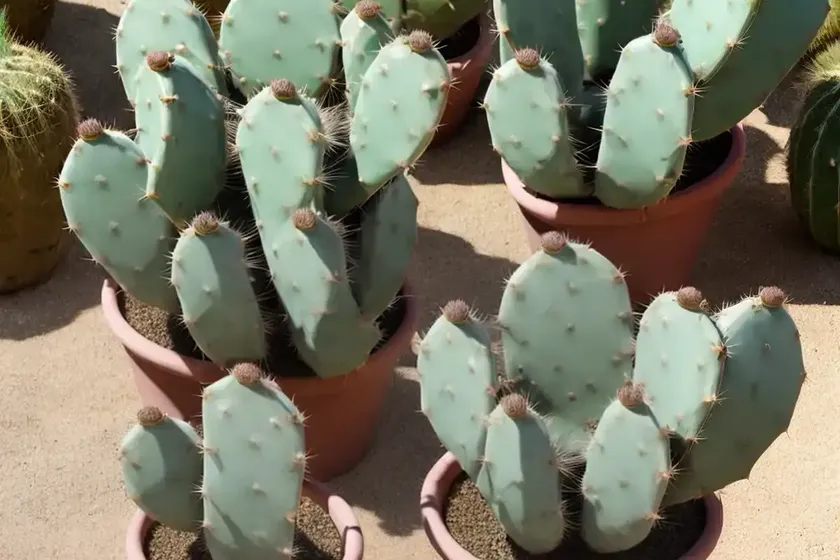
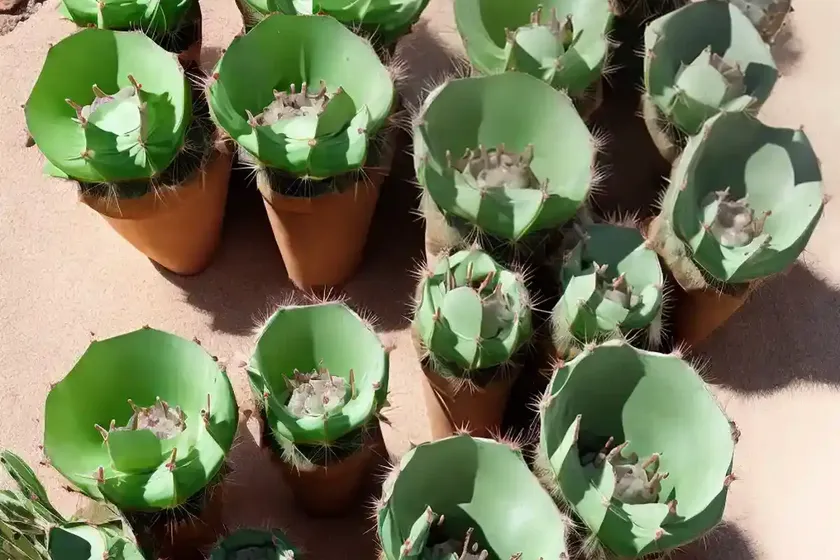
Opuntia basilaris, commonly known as the Beavertail Cactus, is a remarkable succulent that belongs to the Cactaceae family. This fascinating plant is native to the deserts of southwestern United States and northern Mexico. Opuntia basilaris has captured the attention of plant enthusiasts and landscapers due to its striking features, low maintenance requirements, and versatile uses. In this guide, we will delve into the characteristics of Opuntia basilaris and explore its culture, uses, care, and maintenance tips, along with common diseases and pests it may encounter.
What is Opuntia basilaris?
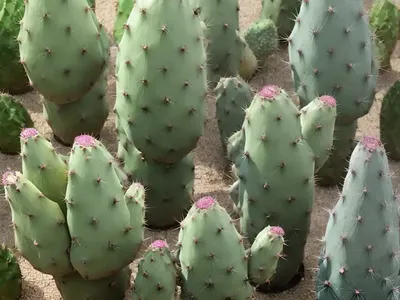
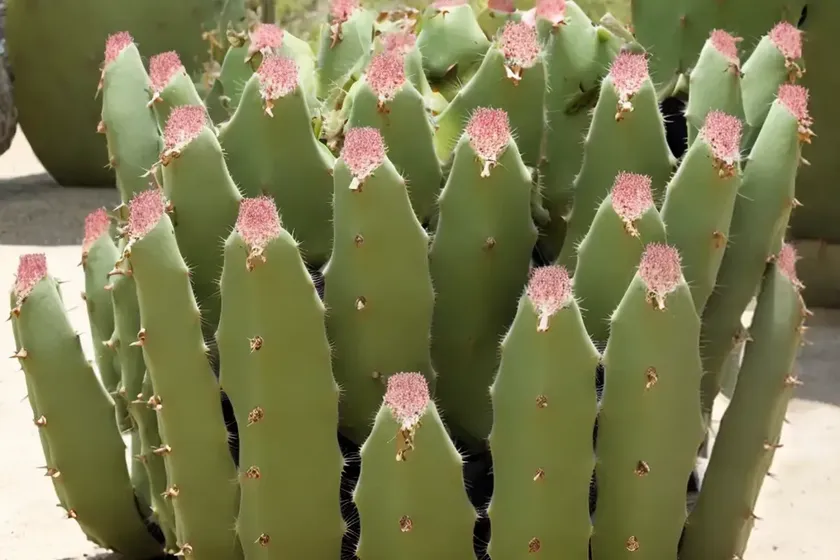
Opuntia basilaris is a species of prickly pear cactus that is recognized for its distinct paddle-shaped stems or cladodes, which resemble the shape of a beaver’s tail. It typically grows in clusters, forming dense mats that sprawl over the ground. The plant bears vibrant pink to rose-colored flowers in the spring, adding an alluring touch to its already captivating appearance. The succulent pads of this cactus serve as water reservoirs, enabling it to thrive in arid and semi-arid environments.
Opuntia basilaris Characteristics
- Scientific Name: Opuntia basilaris
- Common Name: Beavertail Cactus
- Family: Cactaceae
- Origin: Southwestern United States, Northern Mexico
- Growth Habit: Low-growing, spreading, clustering
- Flower Color: Pink to Rose
- Special Features: Paddle-shaped stems, colorful flowers, drought tolerance
- Hardiness: USDA hardiness zones 8-11
Now that we have gained a brief insight into the key characteristics of Opuntia basilaris, let’s move ahead to explore its various aspects and learn how to care for this fascinating plant effectively.
Key Takeaways – Opuntia basilaris (Beavertail Cactus)
Before delving into the details of Opuntia basilaris care and cultivation, let’s summarize some of the essential points to remember about this captivating cactus.
- Opuntia basilaris, commonly known as the Beavertail Cactus, is a low-maintenance succulent that boasts striking paddle-shaped stems and vibrant pink to rose-colored flowers.
- This cactus is native to the arid and semi-arid regions of the southwestern United States and northern Mexico, where it thrives in well-drained, sandy soils and ample sunlight.
- Opuntia basilaris is valued for its versatility in landscaping, as it can be used in drought-tolerant gardens, xeriscapes, and rock gardens, adding an exotic touch to outdoor spaces.
Now, with these key takeaways in mind, let’s explore the cultural requirements and uses of Opuntia basilaris in greater detail.
Culture
Opuntia basilaris, or the Beavertail Cactus, has specific cultural requirements that are essential for its successful growth and development. Understanding its needs in terms of water, sunlight, soil, and fertilizer is crucial for creating an optimal environment for this unique succulent.
Water
Opuntia basilaris is highly adapted to dry and arid conditions, making it exceptionally drought-tolerant once established. It is essential to allow the soil to dry out almost completely between waterings to prevent issues such as root rot. Overwatering can be detrimental to the health of the plant, so it is advisable to err on the side of underwatering rather than overwatering. During the growing season, which typically spans from spring to fall, occasional deep watering can support healthy growth. However, in winter, it is best to reduce watering to mimic the plant’s natural dormancy period.
Opuntia basilaris Water Requirements
- Regular, deep watering during the growing season
- Allow the soil to dry out between waterings
- Reduce watering frequency during winter dormancy
- Highly drought-tolerant once established
Sunlight
Sunlight is crucial for the optimal growth and blooming of Opuntia basilaris. This cactus thrives in full sun to partial shade, making it an ideal choice for gardens with ample sunlight. When grown in a habitat that mimics its natural environment, the Beavertail Cactus will exhibit vibrant growth and prolific flowering, adding ornamental value to outdoor spaces.
Opuntia basilaris Sun Exposure
- Thrives in full sun to partial shade
- Ensure ample sunlight for optimal growth and flowering
- Well-suited for sunny, arid landscapes and rock gardens
Fertilizer
Opuntia basilaris is a low-maintenance plant that does not require frequent fertilization. In fact, excessive fertilization can lead to overly lush growth, which may make the plant more susceptible to damage in cold and wet conditions. A balanced fertilizer, applied sparingly in the spring, can provide the necessary nutrients to support healthy growth and flowering. It is crucial to dilute the fertilizer to half or quarter strength to avoid overfeeding the plant.
Opuntia basilaris Fertilizer Needs
- Use a balanced fertilizer sparingly in the spring
- Dilute the fertilizer to half or quarter strength
- Avoid excessive fertilization to prevent overly lush growth
Soil
The Beavertail Cactus thrives in well-drained, sandy soils, reflecting its native habitat in arid and rocky environments. It is essential to provide a growing medium that offers excellent drainage to prevent waterlogged conditions, which can lead to root rot. A sandy, mineral-rich soil mix or cactus-specific potting mix is well-suited for Opuntia basilaris, promoting healthy growth and resilience against root-related issues.
Opuntia basilaris Soil Needs
- Well-drained, sandy soil mix
- Use cactus-specific potting mix for optimal drainage
- Provide a habitat that mimics the plant’s native arid environment
Now that we have established the cultural requirements for Opuntia basilaris, let’s delve into the crucial aspects of pruning, propagation, and container gardening for this captivating cactus.
Pruning
Opuntia basilaris, like many cacti, requires minimal pruning to maintain its attractive form and health. The primary focus of pruning is to remove any damaged or dead pads, which may occur due to environmental stress, disease, or physical damage. Additionally, the removal of old, shriveled pads can promote the growth of new, healthy segments, contributing to the overall vigor of the plant.
Opuntia basilaris Pruning Tips
- Remove damaged or dead pads as needed
- Prune old, shriveled pads to promote new growth
- Minimal pruning required to maintain the plant’s form
Propagation
Propagation of Opuntia basilaris can be achieved through various methods, including seeds, stem cuttings, and offsets, also known as pups. Each approach offers its unique advantages and considerations, allowing plant enthusiasts to expand their Beavertail Cactus collection or share the beauty of this succulent with others. The most commonly employed method for propagating Opuntia basilaris is through stem cuttings, which is relatively straightforward and yields reliable results.
Opuntia basilaris Propagation Methods
- Seeds: Propagation from seeds is possible but requires patience and may result in some variation in the offspring.
- Stem Cuttings: Trimming healthy stem segments and allowing them to callus before planting can lead to successful propagation.
- Offsets (Pups): Separating and replanting the offsets that develop at the base of the parent plant can rapidly expand the cactus collection.
Container Popularity
Opuntia basilaris is a favored choice for container gardening due to its low maintenance requirements and ornamental appeal. The compact growth habit and striking appearance of this cactus make it an excellent addition to container gardens, allowing individuals to enjoy its beauty on patios, balconies, or other outdoor living spaces. When selecting a container for Opuntia basilaris, opt for a well-draining pot that is slightly larger than the plant’s current size to accommodate its growth in the coming years.
Opuntia basilaris Container Gardening Tips
- Choose a well-draining container slightly larger than the plant’s current size
- Ideal for patios, balconies, and outdoor living spaces
- Ensure proper drainage to prevent waterlogged conditions
With a sound understanding of the cultural requirements, pruning, propagation, and container gardening, plant enthusiasts can effectively cultivate and showcase the beauty of Opuntia basilaris in their outdoor spaces. However, it is essential to be aware of potential diseases and pests that may affect the health of this cactus and take proactive measures to mitigate these risks.
Common Diseases
As with any plant, Opuntia basilaris is susceptible to certain diseases and issues. Being aware of common diseases and their symptoms can aid in timely intervention and prevent the spread of ailments, safeguarding the health of the cactus. While Opuntia basilaris is known for its resilience, it is essential to monitor the plant for signs of potential diseases and take appropriate action to address them.
Disease Diagnosis
- Root Rot: Overwatering or waterlogged soil can lead to root rot, causing the plant to wilt and exhibit discolored, mushy roots.
- Powdery Mildew: A white, powdery coating on the pads or stems may indicate the presence of powdery mildew, which thrives in humid conditions.
- Bacterial or Fungal Infections: Lesions, spots, or abnormal discoloration on the pads or stems may signify bacterial or fungal infections.
Common Pests
Opuntia basilaris is relatively resistant to pests, thanks to its succulent nature and spiny defenses. However, some pests may still pose a threat to the cactus, necessitating vigilance and appropriate pest management measures to maintain the plant’s health and vigor.
Beavertail Cactus Pests
- Scale Insects: Small, armored scale insects may attach themselves to the pads, feeding on the plant’s juices and causing wilting and yellowing.
- Mealybugs: White, cottony masses on the pads may be a sign of mealybug infestation, leading to stunted growth and weakened plant resilience.
- Spider Mites: These tiny pests can cause stippling and webbing on the pads, diminishing the aesthetic appeal of the cactus and impacting its health.
Now that we have explored potential diseases and pests that may affect Opuntia basilaris, let’s consider some tips and strategies for managing these challenges effectively.
Botanist’s Tips
To ensure the optimal health and vitality of Opuntia basilaris, considering the insights and recommendations of experienced botanists can be invaluable. These experts offer valuable tips and guidance for cultivating and caring for the Beavertail Cactus, drawing from their knowledge of plant biology, ecology, and horticulture.
Beavertail Cactus Care Tips from Botanists
- Optimal Water Management: Implement a cautious approach to watering, allowing the soil to dry out between waterings to prevent root-related issues.
- Sunlight Requirements: Provide ample sunlight for Opuntia basilaris to support robust growth and prolific flowering, ensuring it thrives in its natural habitat.
- Soil Composition: Utilize well-draining, sandy soils or cactus-specific potting mixes to mirror the arid environments where the cactus thrives naturally.
Fun Facts
As plant enthusiasts, discovering intriguing and captivating facts about Opuntia basilaris can deepen our appreciation for this remarkable succulent. Let’s explore some fun and noteworthy facts about the Beavertail Cactus that highlight its unique features and ecological significance.
Fascinating Truths about Opuntia basilaris
- Historical Uses: Native American tribes utilized Opuntia basilaris for food, medicine, and dye, recognizing its versatile properties.
- Ecological Role: Beavertail Cactus serves as a critical food source for wildlife, including desert cottontail rabbits and bighorn sheep.
- Arid Adaptations: The water-storing capabilities and sun-loving nature of Opuntia basilaris enable it to thrive in harsh desert conditions with minimal resources.
Links to External Resources
For comprehensive insights, care tips, and stunning visual references related to Opuntia basilaris, consider exploring the following external resources:
- Opuntia basilaris: A Guide to Growing the Beavertail Cactus
- Cacti and Succulents for Cold Climates: Opuntia basilaris
- Beavertail Cactus: A Symbol of Desert Beauty
In conclusion, Opuntia basilaris, or the Beavertail Cactus, stands as a mesmerizing example of nature’s remarkable adaptations to arid environments. Its unique features, low-maintenance requirements, and ornamental value make it a sought-after addition to gardens, xeriscapes, and container displays. By understanding its cultural needs, propagation methods, potential challenges, and ecological significance, we can cultivate and appreciate the enduring beauty of Opuntia basilaris in our outdoor spaces.