Plant Scientist’s Guide to Ocimum basilicum ‘Italian Large Leaf’ (Sweet Basil)
Introduction
Ocimum basilicum, commonly known as sweet basil, is a popular herb in the Lamiaceae family, prized for its culinary, medicinal, and ornamental uses. This article provides comprehensive insights into the cultivation, uses, and characteristics of the specific variety, Ocimum basilicum ‘Italian Large Leaf’ – a sought-after selection known for its robust growth and aromatic foliage.
Plant Name
- Common Name: Sweet Basil
- Botanical Name: Ocimum basilicum ‘Italian Large Leaf’
Key Takeaways – Ocimum basilicum ‘Italian Large Leaf’ (Sweet Basil)
Before diving into the specifics of cultivating, using, and enjoying Italian Large Leaf Sweet Basil, let’s explore the key takeaways associated with this variant.
- Benefits and uses of Ocimum basilicum ‘Italian Large Leaf’
- Sweet Basil’s essential care guide
- Growing and cultivating Italian Large Leaf variety
- Characteristics and distinct features of Italian Large Leaf Sweet Basil
- Culinary uses and health benefits
- Planting and cultivation tips for Ocimum basilicum ‘Italian Large Leaf’
- Pest control and disease management
- Pruning and harvesting techniques
- Ornamental value and cultural significance
What is Ocimum basilicum ‘Italian Large Leaf’?
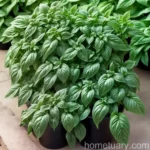
Ocimum basilicum ‘Italian Large Leaf’ is a specific cultivar of sweet basil, exhibiting distinctive large, aromatic leaves and a robust growth habit. Belonging to the Lamiaceae family, this variety is renowned for its culinary and medicinal uses, adding a burst of flavor to various dishes and infusing its surroundings with a delightful aroma.
Characteristics of Italian Large Leaf Sweet Basil
Characterized by its large, luscious leaves and intense fragrance, Ocimum basilicum ‘Italian Large Leaf’ stands out among other basil varieties. Here are some of its typical attributes:
– Large, broad leaves with a smooth texture
– Aromatic foliage with a strong, sweet fragrance
– Vigorous growth habit and abundant leaf production
– Suitable for both indoor and outdoor cultivation
– Versatile culinary herb with a wide range of uses
– Resilient and adaptable to various growing conditions
Culture
Water
Sufficient and consistent moisture is crucial for the healthy growth of Ocimum basilicum ‘Italian Large Leaf.’ However, it is essential to strike a balance and avoid waterlogged conditions, which can lead to root rot and other issues.
– Water the plants deeply, allowing the soil to dry slightly between watering sessions.
– Aim for a well-draining growing medium to prevent water stagnation.
Sunlight
Italian Large Leaf Sweet Basil thrives in full sunlight, requiring at least 6-8 hours of direct sunlight daily for optimal growth and leaf production.
– Place the plants in a sunny, south-facing location for abundant sunlight exposure.
– In regions with intense heat, providing partial shade during the hottest part of the day can prevent scorching and wilting.
Fertilizer
To support vigorous growth and robust foliage development, occasional fertilization is beneficial for Ocimum basilicum ‘Italian Large Leaf.’
– Use a balanced, water-soluble fertilizer with a higher nitrogen content to promote leafy growth.
– Apply the fertilizer following the recommended dilution and frequency, ensuring it does not exceed the plant’s requirements.
Soil
The choice of growing medium plays a significant role in the overall health and vitality of Italian Large Leaf Sweet Basil.
– Opt for well-draining, loamy soil with good moisture retention.
– Consider adding organic matter, such as compost or aged manure, to enrich the soil and provide essential nutrients.
Pruning
Regular pruning is essential for maintaining the shape of the plants and encouraging bushy, compact growth.
– Pinch off the growing tips to promote lateral branching and prevent leggy growth.
– Remove any flower buds as soon as they appear to redirect the plant’s energy towards foliage production.
Propagation
Italian Large Leaf Sweet Basil can be propagated through various methods, including seeds, cuttings, and division.
– Seeds: Start seeds indoors or directly sow them in the garden after the last frost date.
– Cuttings: Select healthy, non-flowering stems and root them in water or a propagation medium.
Container
For those with limited garden space or those wishing to cultivate Italian Large Leaf Sweet Basil indoors, containers offer a convenient and flexible solution.
– Choose a spacious container with adequate drainage holes to prevent waterlogging.
– Select a high-quality potting mix formulated for herbs and vegetables.
Uses
Culinary Uses
Sweet Basil, especially the Italian Large Leaf variety, is a staple in various cuisines, renowned for its unmistakable aroma and flavor.
– Fresh leaves add a burst of freshness to salads and sandwiches.
– It is a key ingredient in classic Italian dishes, including Caprese salad, pesto, and pasta sauces.
– Infuse olive oil with fresh basil for a fragrant seasoning.
Health Benefits
Beyond its culinary applications, Ocimum basilicum ‘Italian Large Leaf’ offers a myriad of health benefits attributed to its nutrient composition and medicinal properties.
– Rich in essential vitamins and minerals, including vitamin K, vitamin A, and iron.
– Contains bioactive compounds with potential antioxidant and anti-inflammatory effects.
– Traditionally used in herbal remedies for respiratory ailments and digestive issues.
Aromatic Therapy
The invigorating fragrance of Italian Large Leaf Sweet Basil makes it a popular choice for aromatic therapy and stress relief.
– Add fresh basil leaves to potpourri blends and aromatherapy sachets.
– The essential oil extracted from basil leaves is used in diffusers and massage oils for its calming effects.
Traditional Uses
Throughout history, Sweet Basil has held cultural significance and been intertwined with various traditions and rituals.
– Symbolizes love, fertility, and protection in different cultures.
– Used in religious ceremonies and as a token of good luck and blessings.
Common Diseases and Pests
Despite its resilience, Italian Large Leaf Sweet Basil is susceptible to certain diseases and pests that can impact its health and vigor.
Common Diseases
- Fusarium Wilt: A soil-borne fungal disease causing wilting and yellowing of the foliage. Ensure proper soil drainage and avoid overwatering to prevent the spread of the fungus.
- Downy Mildew: Characterized by fuzzy, grayish patches on the leaves, this disease thrives in humid conditions. Provide adequate airflow and avoid overhead watering to minimize its occurrence.
Disease Diagnosis
Early detection and prompt action are essential in managing and preventing the spread of diseases in Sweet Basil.
– Regularly inspect the foliage for any signs of discoloration, wilting, or unusual growth patterns.
– If symptoms of disease are observed, remove and destroy affected plant parts to prevent further spread.
Common Pests
- Aphids: Small, sap-sucking insects that can distort the growth of young leaves. Control aphid populations with insecticidal soap or neem oil.
- Whiteflies: These tiny, white insects congregate on the undersides of leaves, sapping the plant’s sap and leading to yellowing and wilting. Employ physical barriers or insecticidal sprays to manage their presence.
Botanist’s Tips
To ensure the thriving growth of Ocimum basilicum ‘Italian Large Leaf’ and harness its full potential, consider the following expert tips:
- Companion Planting: Interplant Italian Large Leaf Sweet Basil with tomatoes, peppers, and oregano to deter pests and enhance overall growth.
- Protective Mulching: Apply a layer of organic mulch around the base of the plants to conserve moisture and suppress weed growth.
- Organic Pest Control: Embrace natural pest control methods, such as introducing beneficial insects and practicing crop rotation, to maintain a balanced ecosystem.
Fun Facts
To further delve into the fascinating world of Ocimum basilicum ‘Italian Large Leaf,’ here are some intriguing and delightful facts about this aromatic herb:
- Italian Large Leaf Sweet Basil is believed to have originated in India, where it holds profound cultural and religious significance.
- Ancient Greeks and Romans revered basil for its fragrant aroma and incorporated it into various rituals and practices.
- The term “basil” is derived from the Greek word “basileus,” meaning “king” or “royal,” attesting to the herb’s esteemed status and regal aroma.
Links to External Resources
For additional information, resources, and inspiration related to Ocimum basilicum ‘Italian Large Leaf’ (Sweet Basil), explore the following links:
- Sweet Basil: Growing and Harvesting Guide
- Culinary Uses of Sweet Basil
- Medicinal Properties of Basil
- Companion Planting with Sweet Basil
- Natural Pest Control in Herb Gardens
- Aromatherapy and Stress Relief with Basil
In conclusion, Ocimum basilicum ‘Italian Large Leaf’ (Sweet Basil) stands as a versatile and invaluable addition to any garden, kitchen, or wellness routine. Its aromatic foliage, culinary prowess, and historical significance showcase the enduring appeal and multifaceted nature of this beloved herb. By cultivating, appreciating, and leveraging the numerous benefits of Italian Large Leaf Sweet Basil, individuals can embark on a journey enriched by flavor, fragrance, and well-being.
Whether you are a gardening enthusiast, a culinary aficionado, or a wellness advocate, the allure of Ocimum basilicum ‘Italian Large Leaf’ is sure to captivate and inspire, adding a touch of green elegance and vibrant flavor to every aspect of life.